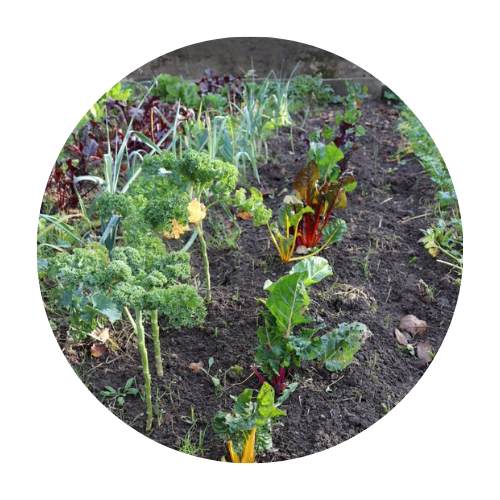
Category: Vegetables and Roots – Organic Gardening and Permaculture Tips
-
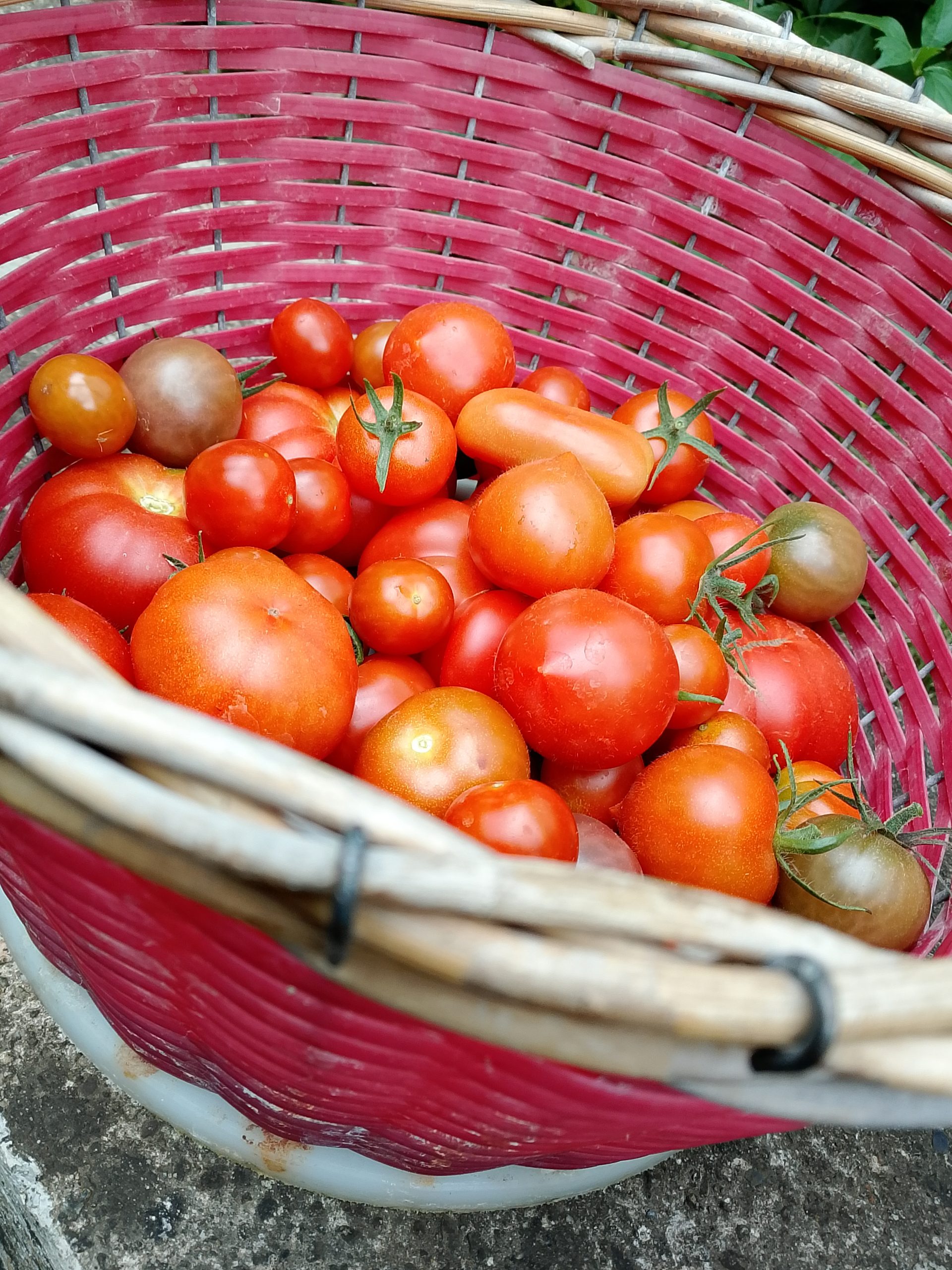
Should we wash home-grown fruit and vegetables, or are natural microbes something worth keeping? Research suggests we may not have to choose between nature and hygiene.
-
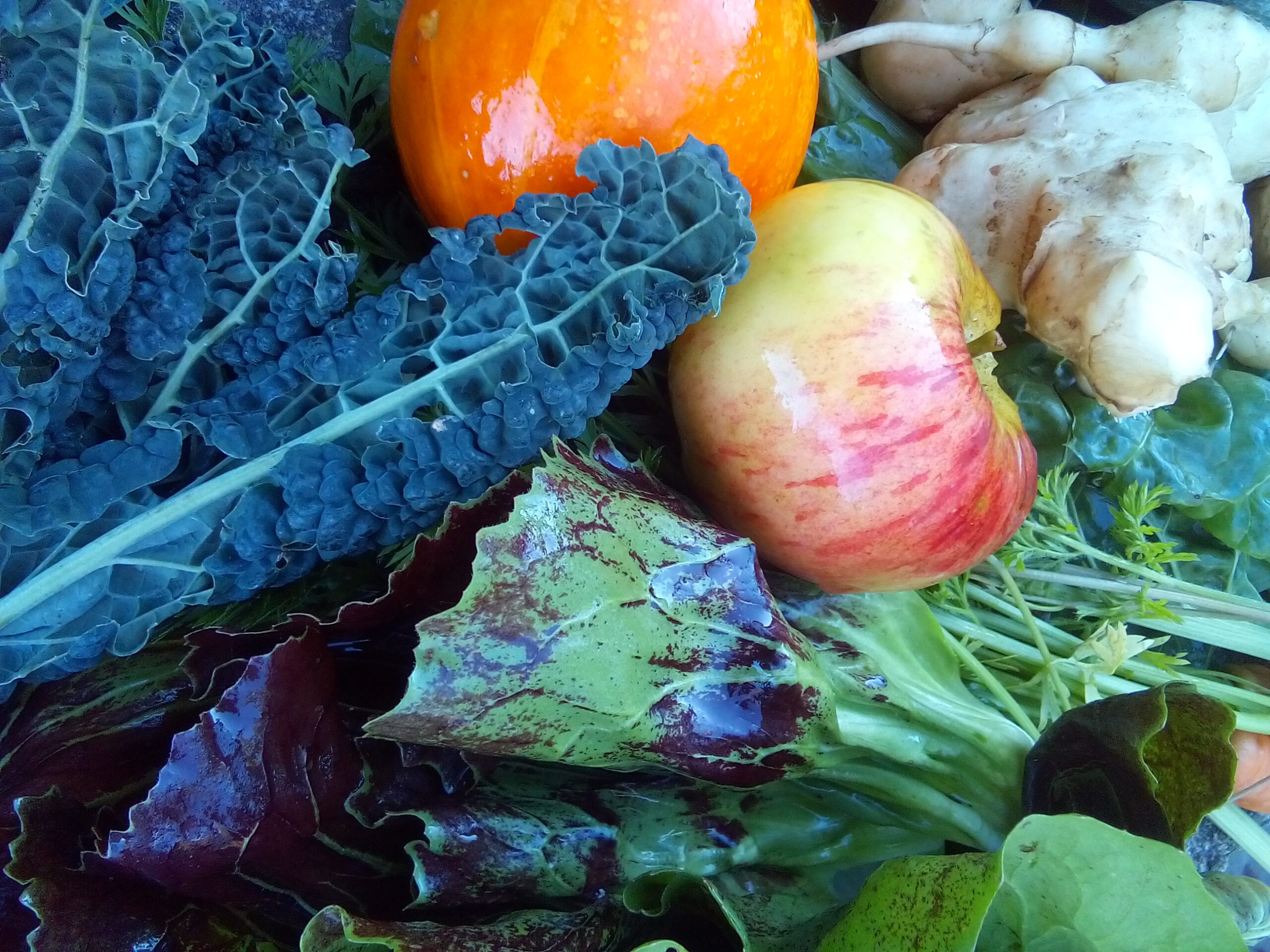
Growing your own food is just the beginning. Discover 7 science-based kitchen habits to preserve nutrients, prepare garlic and broccoli smarter, choose nutritious berries, and make the most of your garden harvest.
-
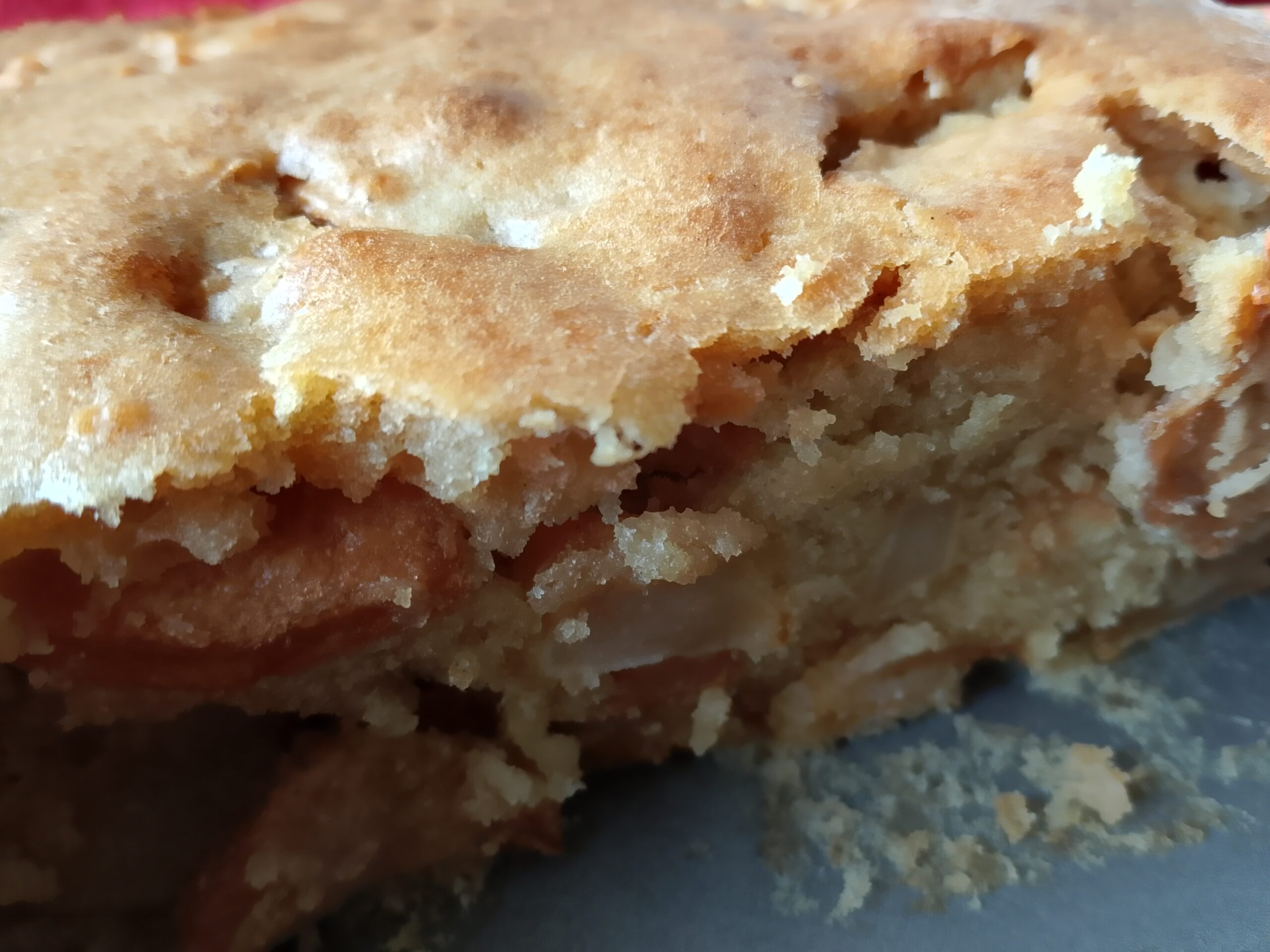
Craving homemade apple cake? This quick apple cake recipe is packed with juicy apple chunks and soft yogurt batter. Ready to bake in minutes, with just 50–55 minutes in the oven. Perfect with freshly harvested garden apples or stored winter apples whenever you feel like something sweet.
-
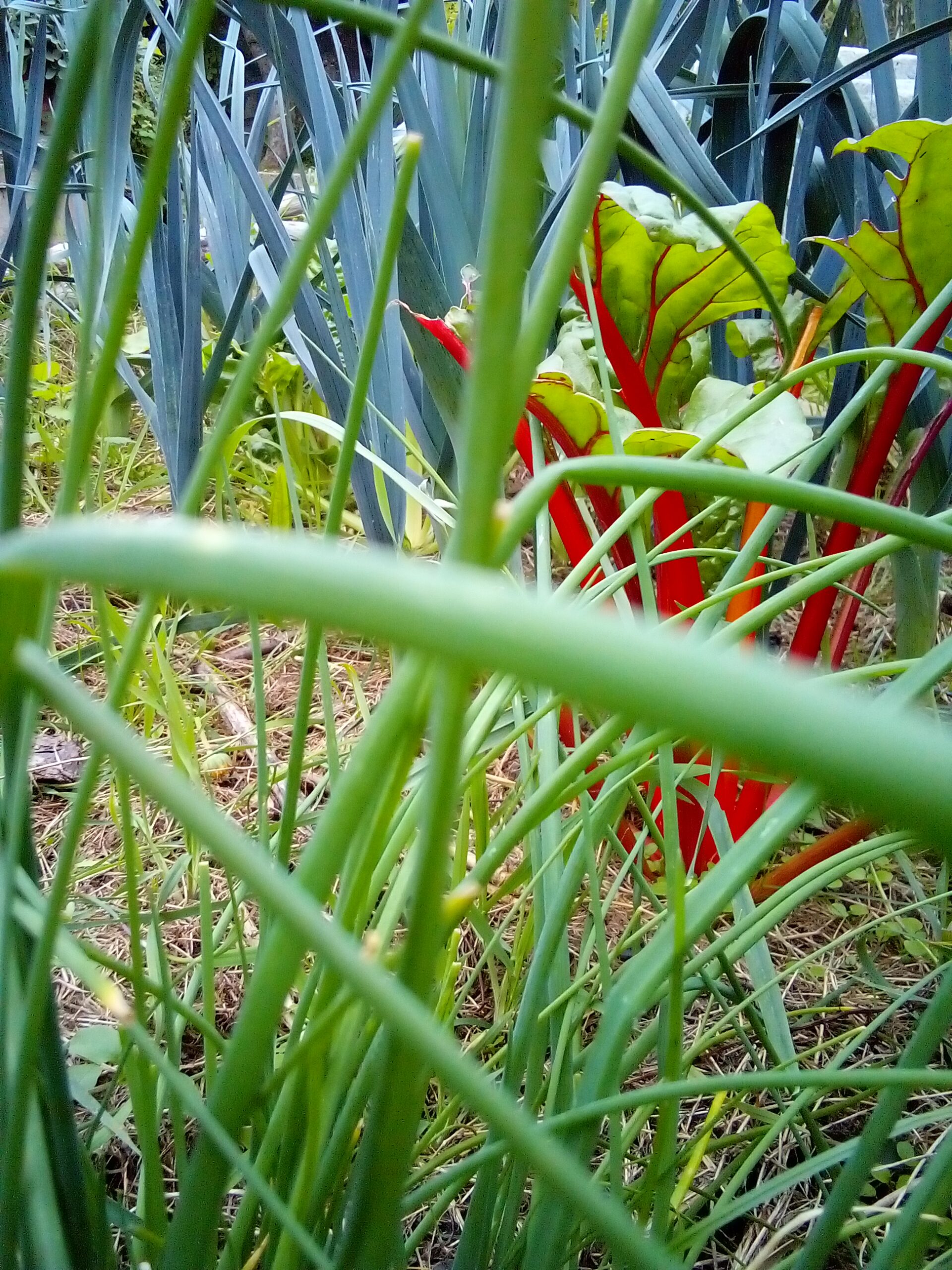
Create a companion planting vegetable garden layout that fits the space you actually have. Choose your crops, plan practical rows and spacing, and turn your garden measurements into a clear planting plan.
-
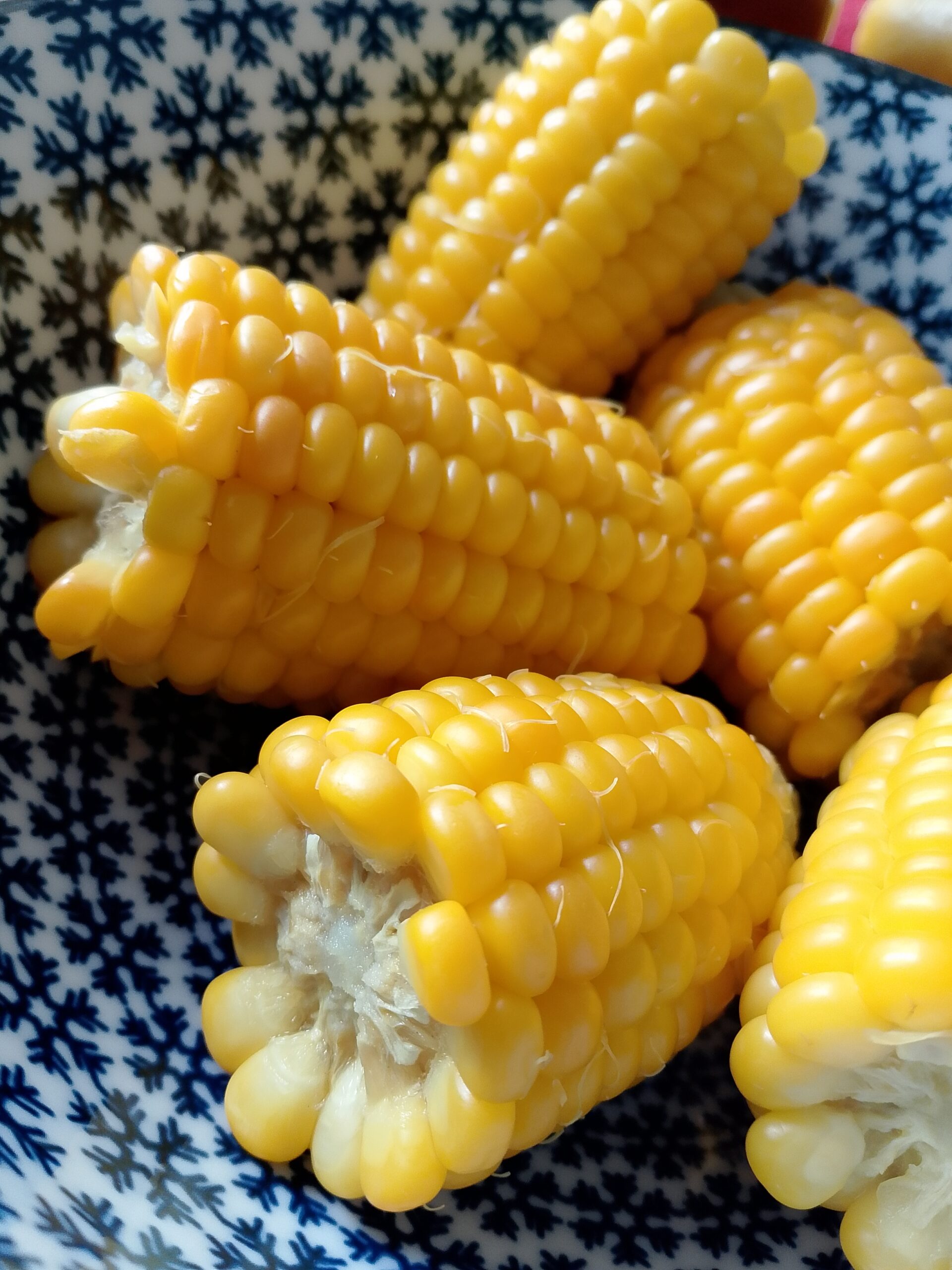
Bantam is our favorite corn for eating fresh. Here’s how I grow it, boil the fresh cobs in about 10 minutes and freeze the extra harvest for winter.
-
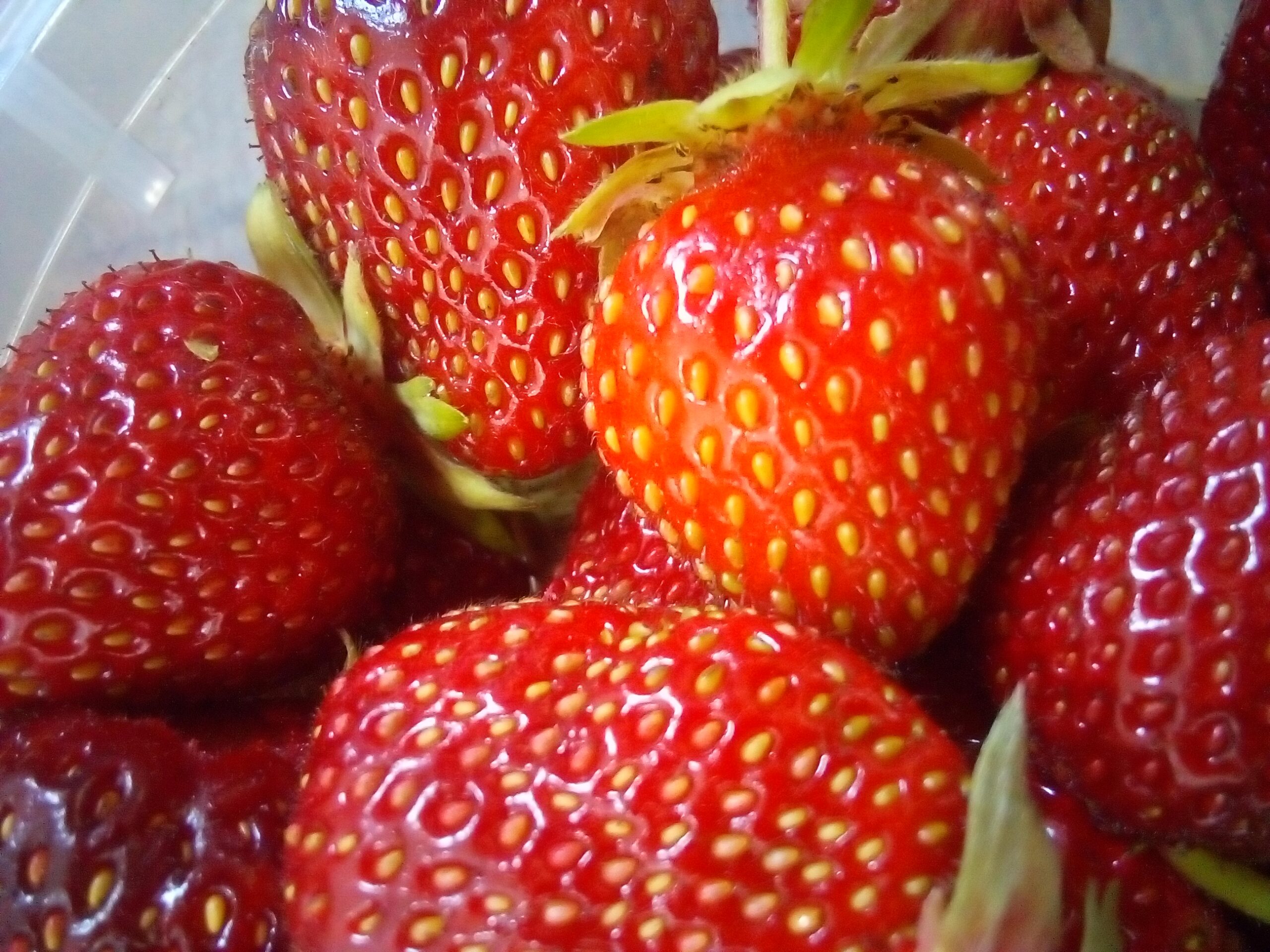
Home-grown fruit is natural, but not sterile. I looked at the research on washing garden fruit, bacteria on berries and apples, resistant microbes and when rinsing fruit really makes sense.
-
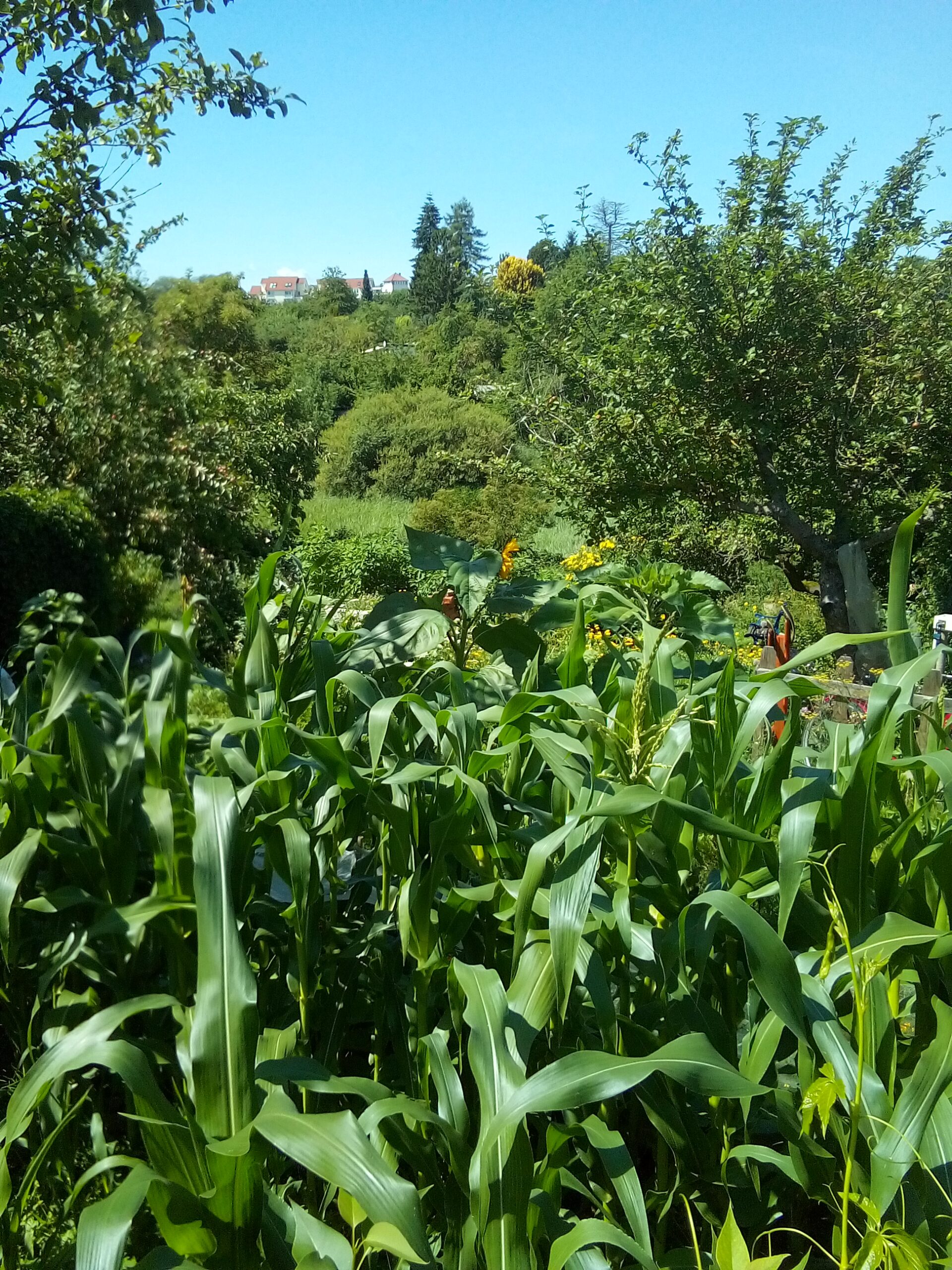
There haven’t been many new posts here for a while, but plenty has happened in the garden. Here’s what’s next: simple homesteading, garden DIYs, easy seasonal recipes and a long-overdue garden shed makeover.
-
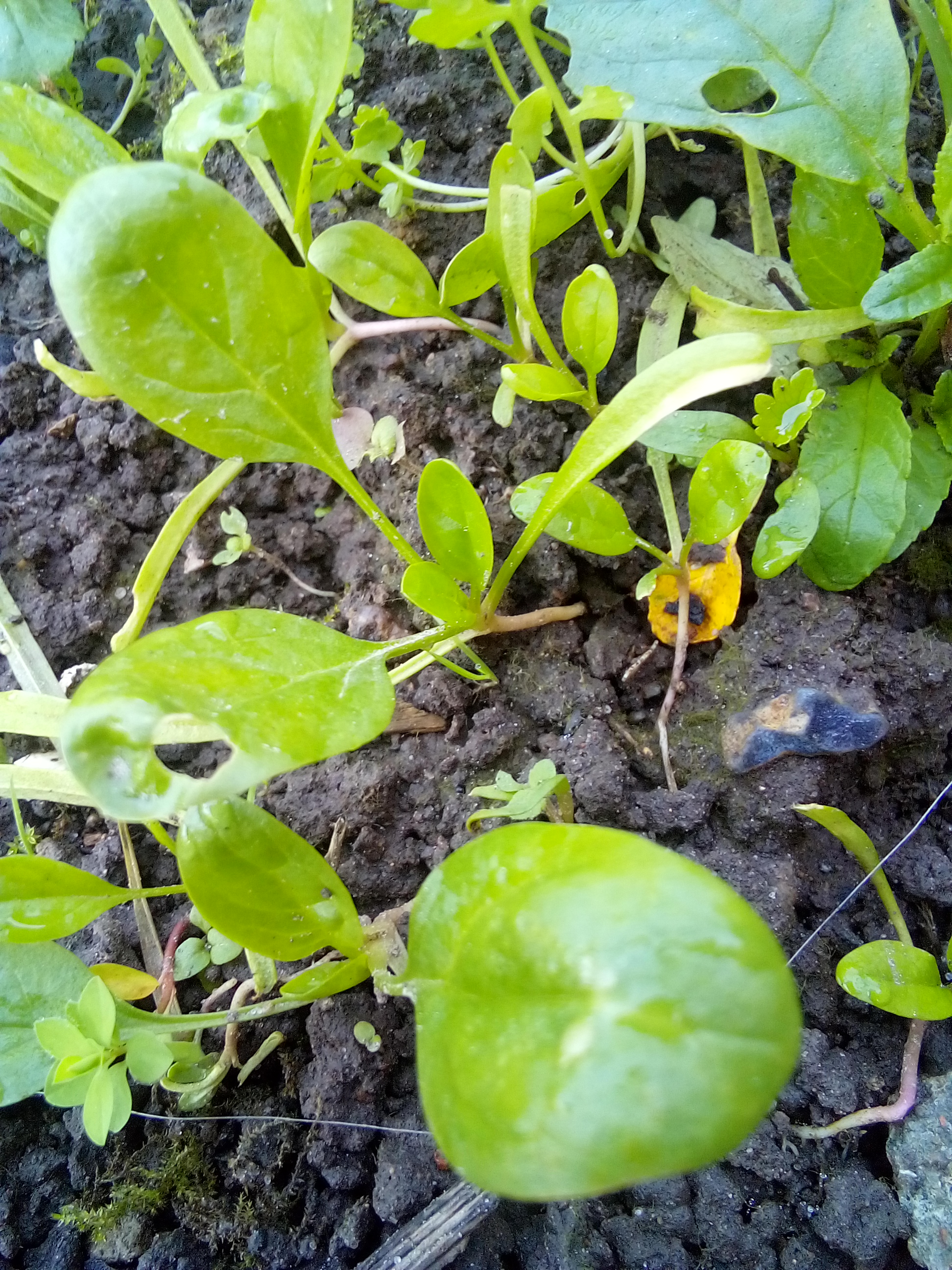
What to seed first in early spring, even if your garden is still messy. Discover easy cool-season crops like spinach, cress, and parsley to start your mindful gardening season.
-
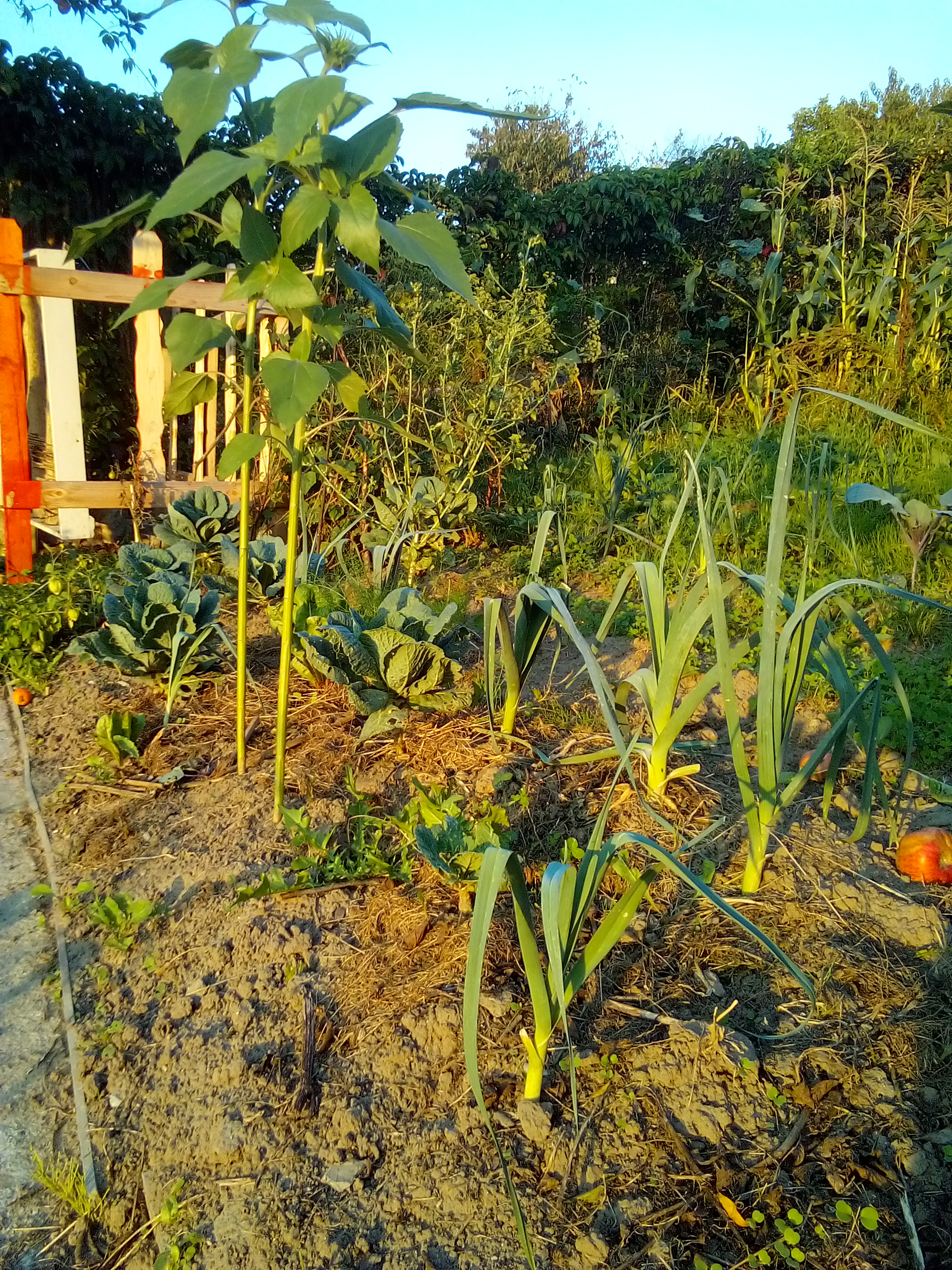
I thought companion gardening would make things easier. Instead, I learned that planting too close, trusting charts too much, and ignoring soil and timing caused more problems than wrong plant choices. This post shares the mistakes I made—and what finally helped.
-
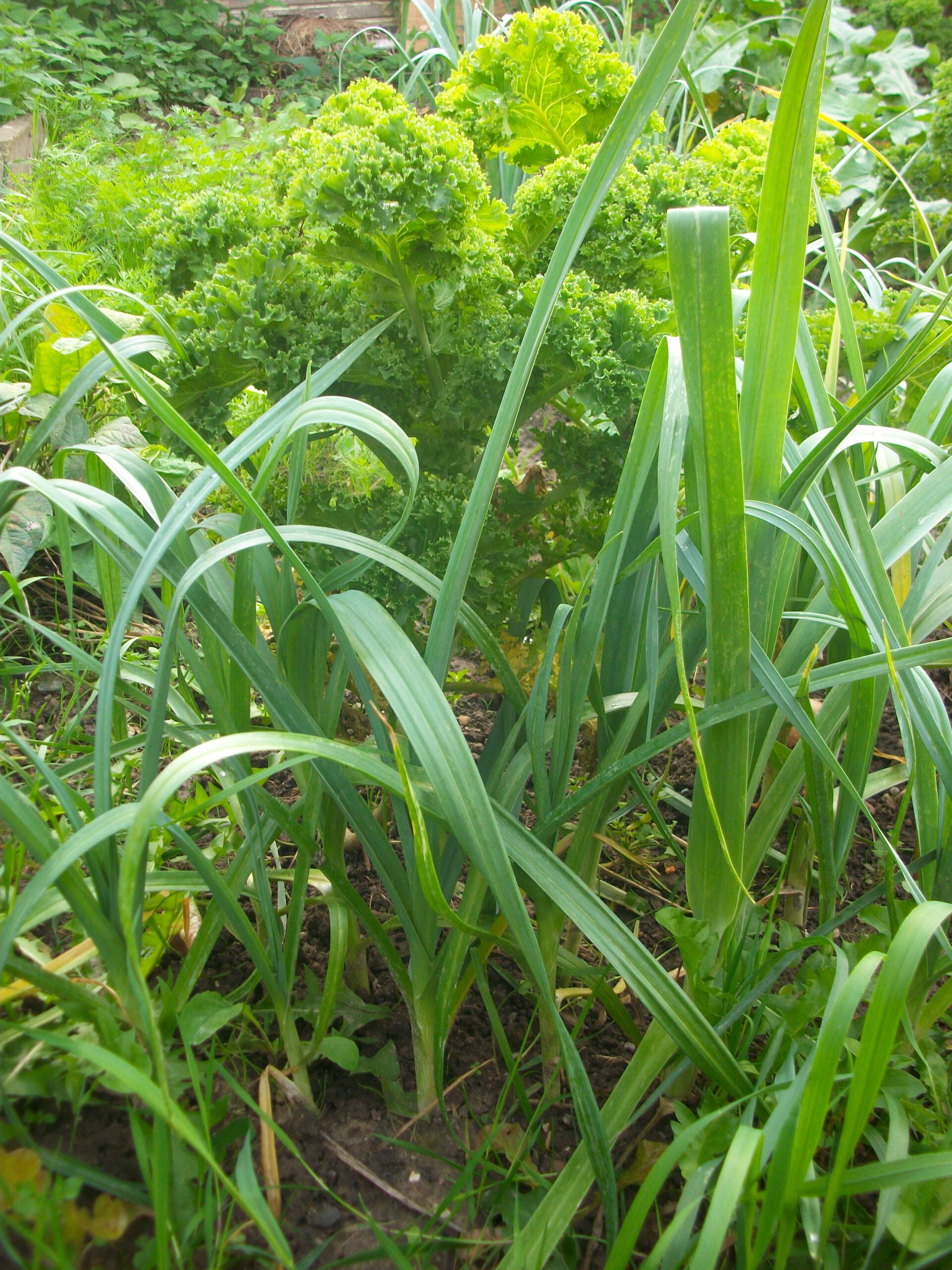
Classic companion planting combinations are often shared as confident lists. Plant this with that. Avoid this completely. Follow the chart and everything should work.