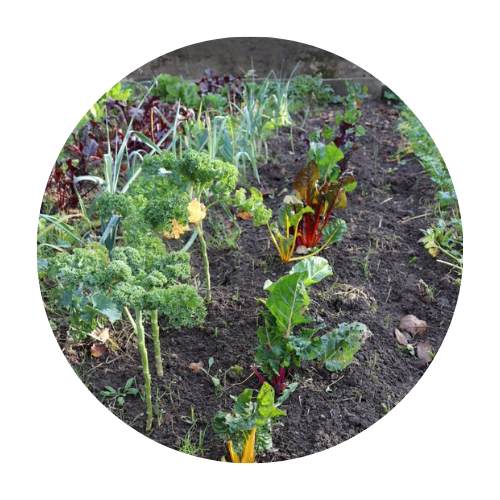
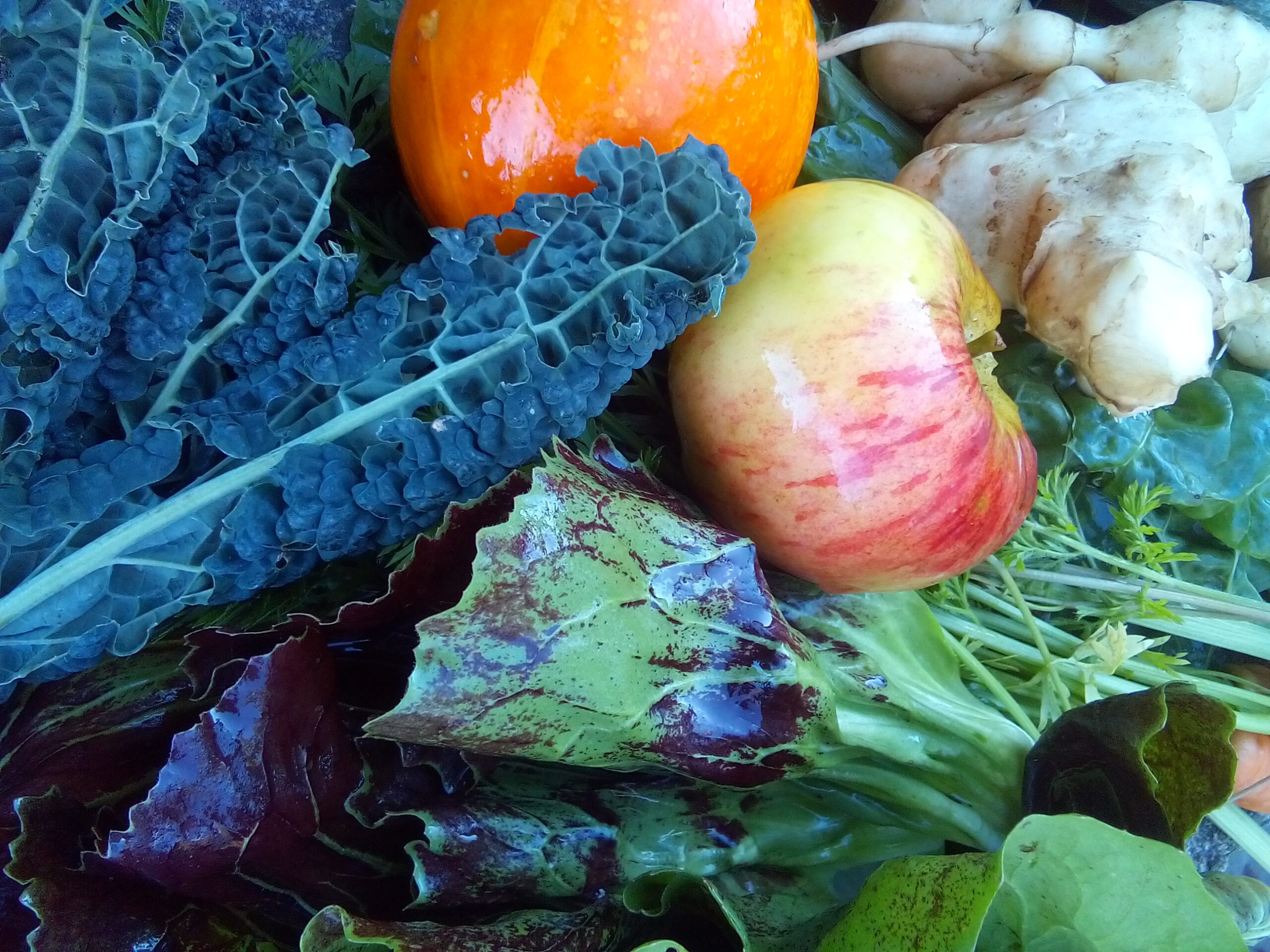
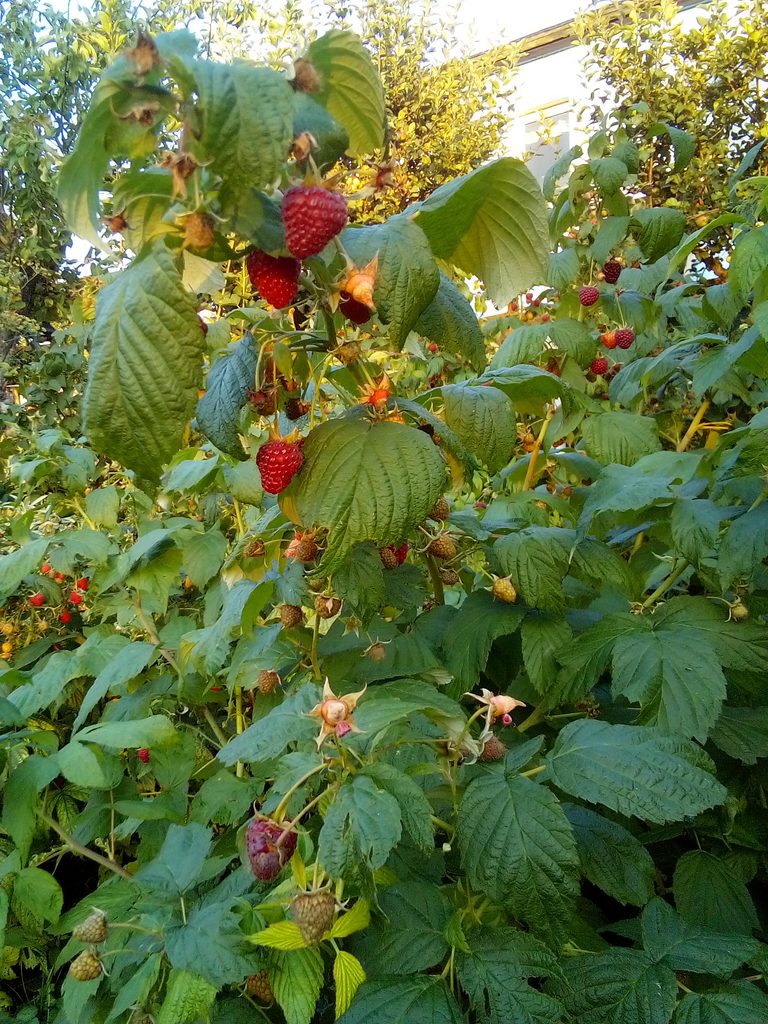
Some evenings, I come in from the garden with a bowl of tomatoes, a few herbs and maybe some berries I picked on my way back to the house.
The tomatoes still smell of summer. There is usually a bit of soil on the kitchen counter. And dinner is already running late.
I used to think that growing my own food was pretty much the healthiest thing I could do. Fresh vegetables, no unnecessary sprays, and knowing exactly where everything came from.
Then I read How to Eat Better by James Wong (Check the book on Amazon.com).
That book got me thinking about something I had mostly overlooked: how to make homegrown food healthier after we’ve harvested it.
Because growing good food is one thing. What we do with it afterwards is another.
Does chopping garlic really make a difference? Why are some wild berries so rich in plant compounds? And is raw broccoli actually better than cooked broccoli?
Somtimes I find myself reading about these things when I should probably be getting dinner ready.
But I find it fascinating.
As a scientist, I enjoy understanding why something works. As a mom with a full-time job, I need it to work in real life, too.
Over the years, I’ve picked up seven small kitchen habits that help me make better use of what I grow.
Not every habit is backed by the same level of evidence. And none of them will magically turn an ordinary vegetable into a superfood.
Still, a few small changes can make a difference to how we prepare and enjoy our harvest.
Here is what I’ve learned.
1. I Choose Berry Varieties for More Than Their Size
I have a soft spot for small berries.
Especially woodland strawberries.
They don’t give you the impressive handfuls you get from large garden strawberries. Sometimes you have to look carefully between the leaves to find them.
But the smell!
That little burst of strawberry flavor is worth bending down for.
For years, I chose plants mainly by asking whether they would grow well in my garden and give us a decent harvest. Now I’m also interested in their nutritional composition.
And it turns out there is alot more to berries than their size.
Wild blueberries vs cultivated blueberries: does variety matter?
European wild bilberries (Vaccinium myrtillus) and cultivated highbush blueberries (Vaccinium corymbosum) are different species.
And their chemical composition differs, too.
A 2024 study published in LWT compared wild bilberries with cultivated blueberries and found differences in their phenolic profiles, including anthocyanins and tannins.
Anthocyanins are natural pigments responsible for many of the red, purple and blue colors found in plants.
One thing I find particularly interesting is that European bilberries have dark-colored flesh, while many cultivated blueberries are pale inside.
That doesn’t tell us everything about their nutritional value, but it reflects differences in where pigments occur within the fruit.
There’s also an important distinction worth remembering: European bilberries are not the same as the North American wild blueberries commonly sold in supermarkets.
The word wild alone isn’t enough to tell us which plant we’re looking at.
Are woodland strawberries healthier than garden strawberries?
Woodland strawberries (Fragaria vesca) are another example.
A 2011 study in Food Research International compared several woodland strawberry cultivars and found considerable differences in their polyphenol content.
The researchers also reported higher concentrations of certain compounds than values previously published for common garden strawberries (Fragaria × ananassa).
Does that mean tiny strawberries are always healthier?
No.
Cultivar, growing conditions, ripeness and even the way compounds are measured can influence the results.
And having more polyphenols in a fruit doesn’t automatically mean greater health benefits in humans.
But it has changed the way I think about choosing plants.
What I do differently: I don’t select varieties only for yield or appearance anymore. Flavor, botanical diversity and nutritional research are part of my decision, too.
That’s also one of the reasons I pay attention to open-pollinated seeds and the plants I choose to grow.
A garden doesn’t have to produce the biggest possible vegetables to be valuable.
2. I Wash My Homegrown Vegetables Before Eating Them
I know. Washing vegetables isn’t exactly an exciting discovery.
But it’s something I think deserves more attention, especially when we’re growing our own food.
There is a certain temptation to pick a tomato, brush off the dust and eat it right there.
I understand it.
Fresh food from your own garden feels safe. You know the soil, the plants and what you’ve used to grow them.
But that doesn’t mean the harvest is free from potentially harmful microorganisms.
Soil, water, animals and even our hands can introduce bacteria or other pathogens.
And this can happen in organic gardens, too.
How to wash garden vegetables safely
The U.S. Food and Drug Administration recommends washing fresh produce under running water before preparing or eating it, including fruits and vegetables grown at home.
That means gently rubbing the produce while rinsing, using a clean brush for firm vegetables when needed, and avoiding soap or household detergents.
Even vegetables that will be peeled should be washed first, so contamination isn’t transferred from the skin by the knife.
Washing reduces contamination, but it doesn’t remove every possible pathogen.
I also try not to wash delicate berries or leafy greens long before I need them. If they’re going into storage, keeping them dry until preparation can help maintain their quality.
What I do differently: I wash produce before preparing or eating it, whether it came from the supermarket or from my own garden.
It’s a small food safety habit. Nothing complicated.
3. I Store Vegetables According to What They Actually Need
One summer, I learned again how quickly a beautiful harvest can become a disappointing one.
You pick fresh greens, leave them in a basket while dealing with other things, and suddenly those lovely crisp leaves look rather tired.
Harvesting doesn’t stop the biological processes happening inside a plant.
Vegetables continue to respire after picking. They lose moisture, and some nutrients and plant compounds change during storage.
The rate depends on the crop, temperature and other storage conditions.
How to preserve nutrients in vegetables after harvesting
Tender leafy vegetables generally benefit from being cooled and refrigerated promptly.
Cured onions and garlic need different conditions.
Tomatoes are another story. Chilling can affect some aspects of their flavor, so storage depends on ripeness and how soon we’ll eat them.
I try to think about these differences when I bring the harvest inside.
Not becuase I want a complicated storage system.
Mostly because I know what happens when I leave everything on the kitchen counter and tell myself I’ll deal with it later.
A scientific review on postharvest changes in vegetables discusses how storage conditions can influence quality and compounds such as vitamin C.
What I do differently: I sort my harvest when I bring it inside. Greens go into suitable cold storage, tomatoes are handled according to their ripeness, and onions and garlic are stored appropriately once cured.
It saves food. And, quite frankly, it saves me some frustration.
4. I Let Chopped Garlic Rest Before Cooking
This is probably the kitchen habit from James Wong’s book that has stayed with me the longest.
I used to chop garlic just before adding it to the pan.
Now I usually start with the garlic and prepare the other vegetables afterwards.
Why?
Because chopping garlic starts a fascinating chemical reaction.
Why let garlic sit for 10 minutes before cooking?
Garlic contains a sulfur compound called alliin and an enzyme called alliinase.
Inside an intact clove, they are largely kept apart.
But when we crush or chop garlic, we damage its cells. The enzyme and alliin can come into contact, leading to the formation of allicin.
Allicin is one of the compounds associated with the familiar aroma of freshly crushed garlic.
The interesting part is what happens when heat is introduced.
High temperatures can inactivate alliinase, interfering with the formation of allicin.
A 2001 study by Song and Milner investigated the effects of heating garlic.
In their animal experiments, letting crushed garlic stand for 10 minutes before microwave heating partially preserved a biological effect that was reduced when garlic was heated immediately.
That’s where much of the interest in the popular 10-minute garlic rule comes from.
However, the research doesn’t prove that waiting 10 minutes before cooking garlic prevents disease in humans.
And it doesn’t mean allicin becomes completely heat-resistant after resting.
My garlic preparation routine
It’s ridiculously simple.
- I chop or crush the garlic first.
- Then I get on with everything else.
By the time I’ve washed and cut the zucchini, tomatoes or whatever else we’re having, several minutes have usually passed.
Often around 10.
That’s it.
No extra work. Just a different order.
Does the same rule apply to onions, leeks and chives?
This is something I became curious about because I use all of them regularly.
Garlic, onions, leeks and chives belong to the Allium genus.
They contain related sulfur compounds, and cutting them can trigger enzymatic reactions.
But their chemistry isn’t identical.
That’s why we can’t automatically apply the same 10-minute rule to every member of the Allium family.
I sometimes chop onions and leeks early, too, but there isn’t sufficient evidence to claim that leaving all of them for exactly 20 minutes provides a proven health benefit.
For now, I’m happy to keep the garlic habit and remain curious about the others.
5. I Chop Broccoli Before Cooking It
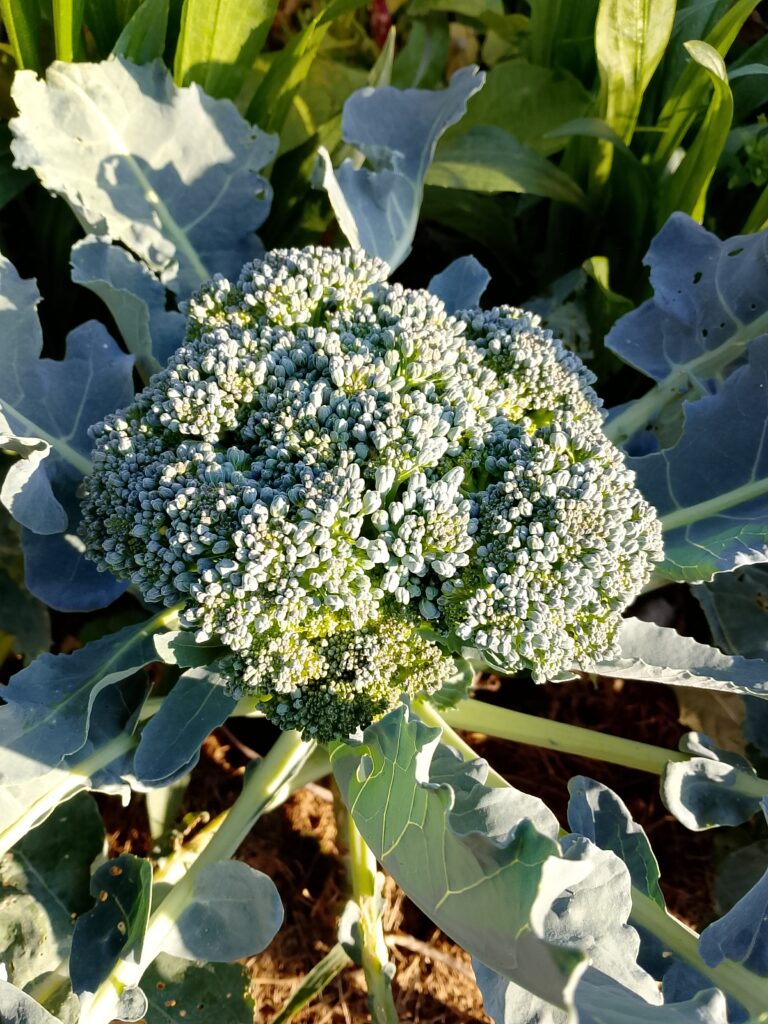
Broccoli was another little surprise.
I had always considered it one of those vegetables you simply cut into florets, cook and serve.
Then I learned about myrosinase.
It’s an enzyme naturally present in broccoli and other cruciferous vegetables.
And what happens to it during cooking is quite interesting.
Why does chopped broccoli need time before heating?
Broccoli contains a compound called glucoraphanin.
When plant cells are damaged by chopping or chewing, myrosinase can convert glucoraphanin into sulforaphane.
Sulforaphane is a sulfur-containing compound studied for its biological properties.
But myrosinase is sensitive to heat.
If broccoli is heated immediately after chopping, the enzyme may be inactivated before much of the conversion has occurred.
The broccoli waiting rule: what does science say?
A 2018 study published in the Journal of Agricultural and Food Chemistry investigated what happened when broccoli was chopped, allowed to rest and then stir-fried.
Researchers found that broccoli left for 90 minutes before stir-frying contained approximately 2.8 times as much sulforaphane as broccoli stir-fried immediately.
That’s a substantial difference in the measured compound.
But there’s something important to remember.
The experiment doesn’t establish that every home cook should wait exactly 90 minutes, or that the popular 40-minute rule is universally optimal.
The effect also depends on the cooking method and conditions.
How I prepare broccoli at home
I usually cut my broccoli earlier in the meal preparation.
Sometimes it sits for 20 minutes while I’m doing other things.
I know that this isn’t a scientifically proven optimal waiting time. It’s simply what fits into my routine.
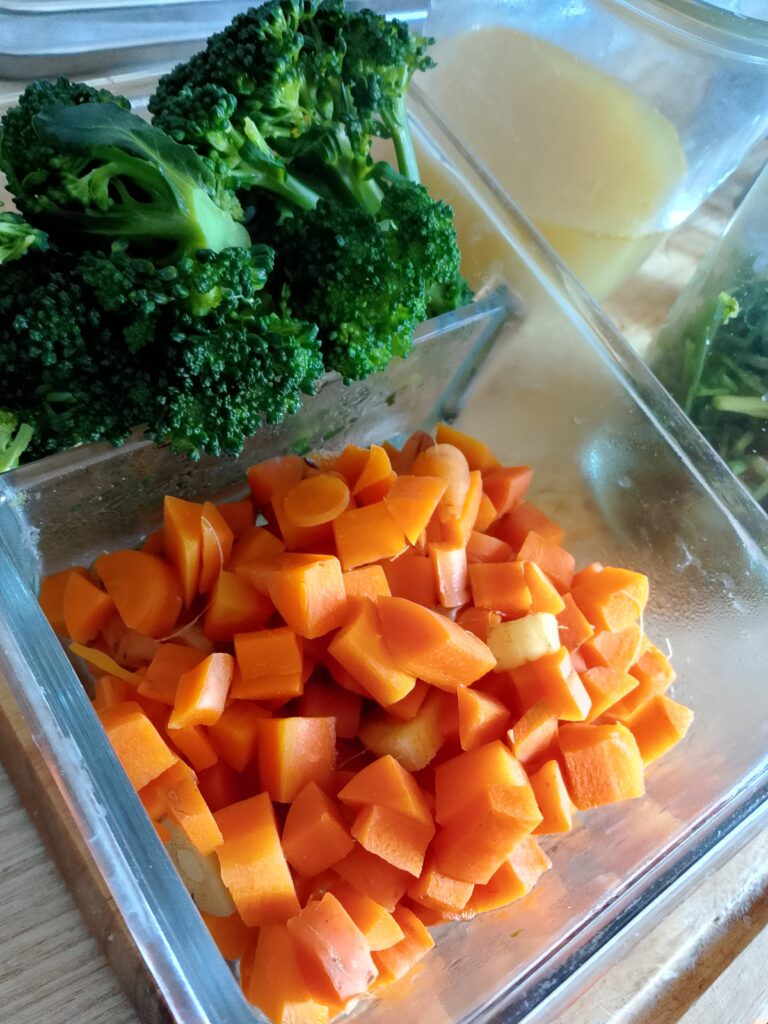
I also often steam broccoli instead of boiling it in a large amount of water.
A 2009 study comparing cooking methods found that steaming could help preserve several compounds in broccoli better than some other cooking methods tested.
Of course, the duration and temperature still matter.
What I do differently: I chop broccoli early when practical and try not to overcook it.
If I’m in a rush and it goes straight into the pan, that’s fine, too.
We’re making dinner, not conducting an experiment under perfectly controlled laboratory conditions.
What about my on budget quinoa recipe? Read more …

6. I Don’t Think Raw Vegetables Are Always the Healthiest Choice
I love eating vegetables raw.
Fresh tomatoes, crunchy carrots, lettuce and herbs from the garden.
There’s something about eating food straight after harvesting it that feels wonderfully simple.
But raw doesn’t always mean nutritionally superior.
Cooking changes foods in different ways.
Some heat-sensitive compounds decrease. Others become more accessible to our digestive system.
And tomatoes are a lovely example.
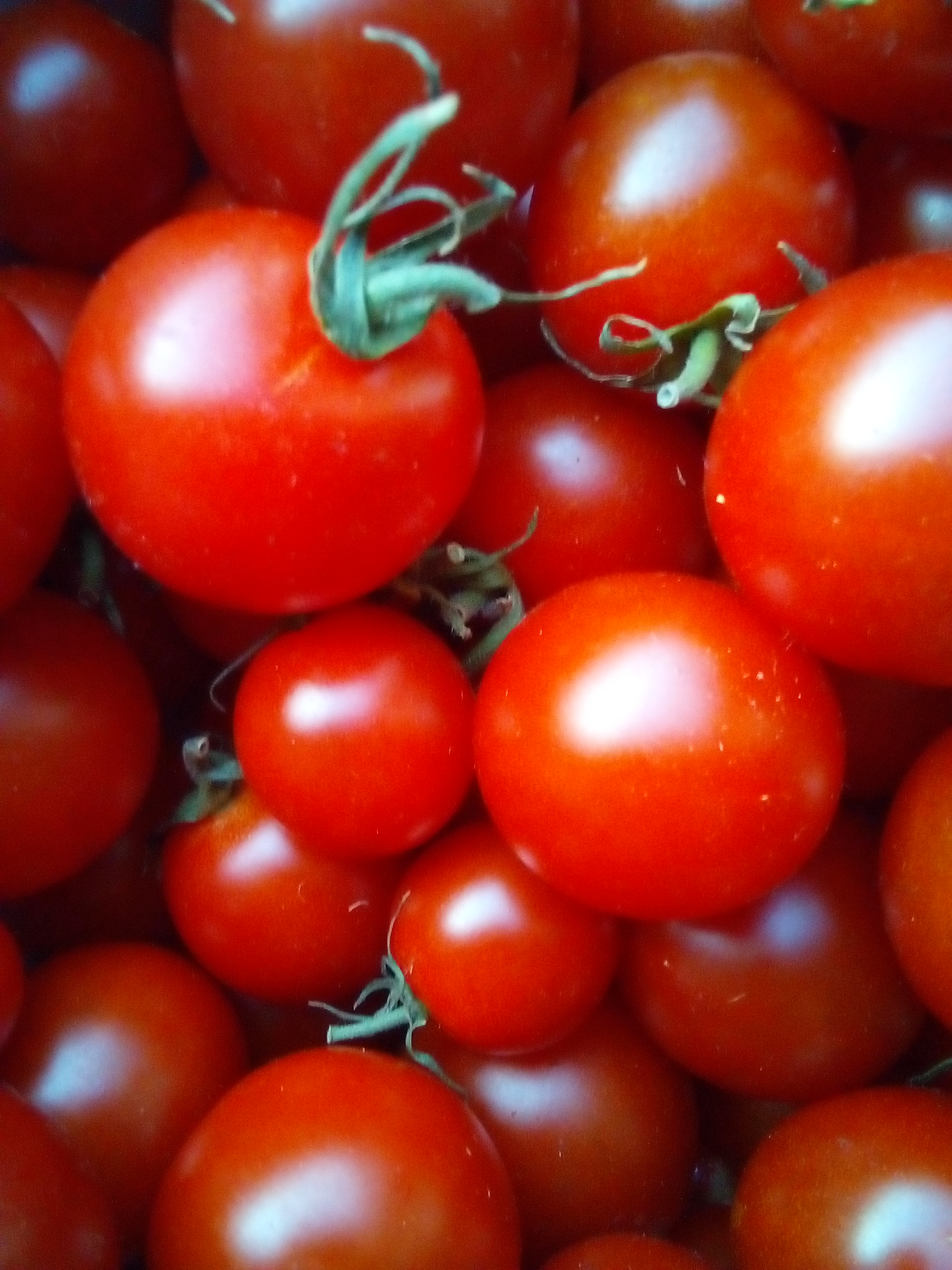
Are cooked tomatoes healthier than raw tomatoes?
Tomatoes contain lycopene, a carotenoid responsible for much of their red color.
Our bodies don’t absorb every bit of lycopene present in a raw tomato.
Processing and cooking can help release lycopene from the plant’s cellular structure.
And because lycopene is fat-soluble, eating tomatoes with some dietary fat can improve its absorption.
A 2005 human study published in the Asia Pacific Journal of Clinical Nutrition compared tomatoes cooked with and without olive oil.
Participants eating tomatoes cooked with olive oil showed a larger increase in blood lycopene concentrations.
- That doesn’t mean cooked tomatoes are automatically healthier in every respect.
- Raw tomatoes still provide valuable nutrients, including vitamin C.
- And cooking conditions can influence what is retained.
Why I enjoy tomatoes both ways
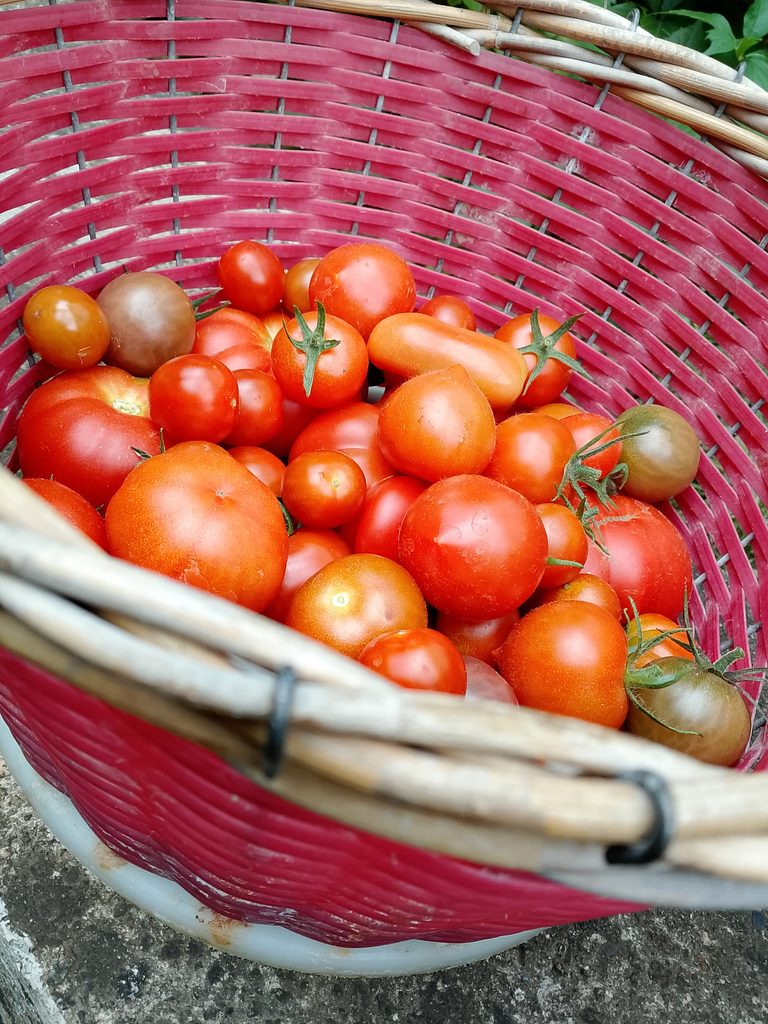
In summer, I eat tomatoes raw almost every day.
Sometimes they’re still warm when I slice them.
Other times, I cook them with zucchini, onions and a little olive oil for a quick lunch between meetings.
- I don’t worry about choosing the single most nutritious method every time.
- I simply like knowing that different preparation methods offer different nutritional advantages.
And I like the variety.
What I do differently: I enjoy a mix of raw and cooked vegetables rather than assuming one approach is always better.
For me, that’s a much more realistic way to eat well.


7. I Freeze My Garden Harvest Instead of Letting It Go to Waste
Every summer, there comes a point when the garden produces more than we can reasonably eat.
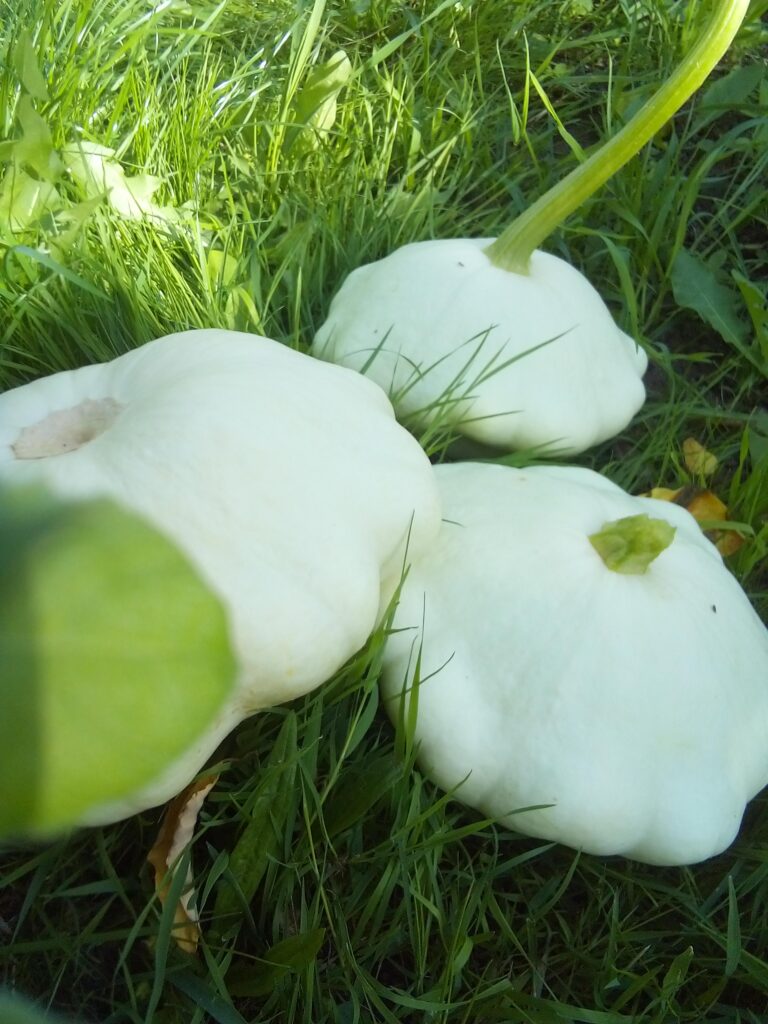
A few zucchini suddenly turn into several.
There are berries everywhere.
And the vegetables seem completely unaware that I still have a full-time job.
I love that abundance.
But I also know how quickly fresh produce can lose quality if it sits around too long.
So freezing has become an important part of my garden-to-kitchen routine.
Does freezing vegetables destroy nutrients?
Not necessarily.
A 2015 study published in the Journal of Agricultural and Food Chemistry compared vitamin retention in several refrigerated and frozen fruits and vegetables.
The researchers found that vitamin levels in frozen produce were often comparable to those in refrigerated produce, although results varied between crops and nutrients.
Freezing isn’t perfect.
Some vitamins can be lost during blanching, and storage conditions matter.
But it can be an effective way to preserve produce that we won’t eat immediately.
Should you blanch vegetables before freezing?
For many vegetables, yes.
Blanching briefly exposes vegetables to boiling water or steam before rapid cooling and freezing.
It helps inactivate enzymes that can otherwise affect flavor, color and texture during frozen storage.
The University of Minnesota Extension provides crop-specific guidance on blanching times.
Not every vegetable requires the same preparation, though.
Berries, for example, can generally be frozen without blanching.
And some vegetables, including chopped onions, may also be frozen without it.
My freezer habit
I try to freeze produce in portions that actually make sense for our family.
Enough for a quick dinner.
Enough for a soup.
Enough berries for breakfast.
I also seperate different vegetables into smaller portions so I don’t have to thaw more than I need.
There’s something deeply satisfying about opening the freezer in winter and finding food that grew in our garden months earlier.
If you’re looking for more ways to use your harvest, I’ve shared some of my ideas in Homestead Recipes – Preserving What Nourishes Us.
What I do differently: I no longer feel that everything must be eaten fresh to be worthwhile.
Sometimes freezing part of the harvest is the most practical choice.
How to Make Homegrown Food Healthier on a Busy Weeknight
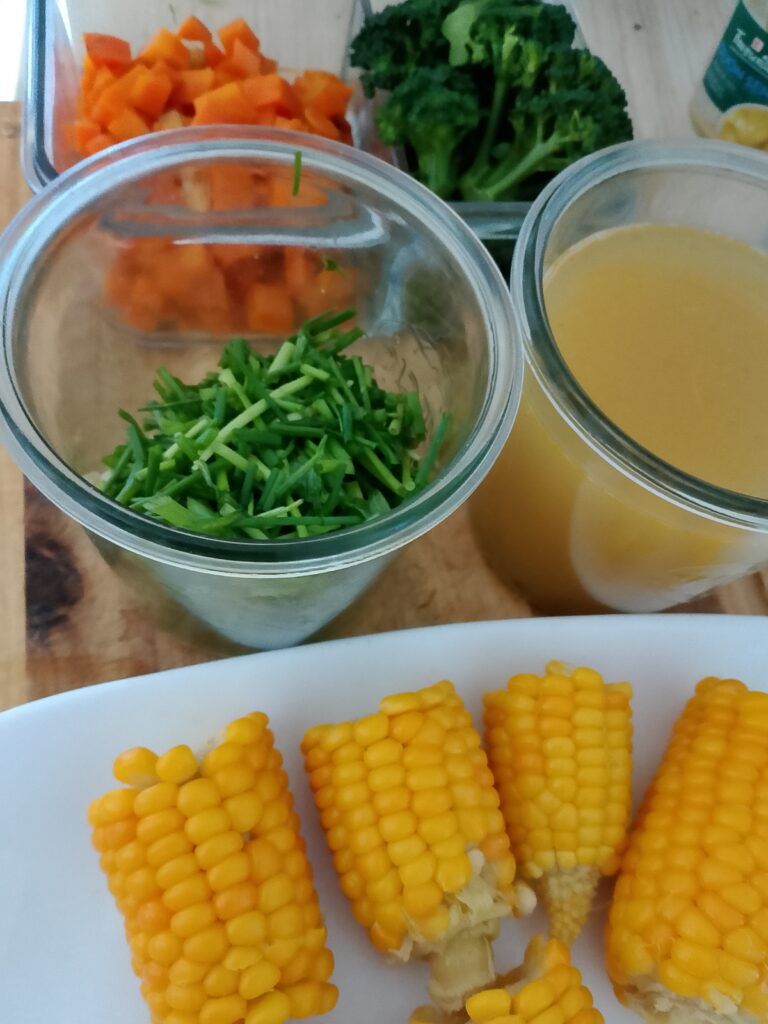
So what does all of this actually look like in my kitchen?
Nothing spectacular.
I come home, check what’s available and decide what we’re eating.
If I’m using garlic, I chop it first. If there’s broccoli, I try to prepare that early as well.
Then I wash and cut the other vegetables.
Some end up raw on our plates. Others go into a skillet with olive oil.
Whatever we don’t use gets stored properly or prepared for freezing when there’s time.
And on busy evenings, I don’t always follow every habit.
That’s important to me.
Because science-based healthy cooking should make everyday life easier to understand, not harder to manage.
I don’t want to spend dinner worrying about whether a vegetable has lost a few percent of a particular compound.
I want to enjoy it.

What Science Can – and Cannot – Tell Us About Healthy Food
One thing I’ve learned from reading nutrition research is to be careful with conclusions.
A laboratory study might show that one berry contains more anthocyanins than another.
But that doesn’t automatically tell us what happens when someone eats those berries regularly.
A study might show that letting garlic rest changes the biological activity measured in an animal model.
That doesn’t prove the habit prevents disease in humans.
And finding more sulforaphane in broccoli after a particular preparation method doesn’t mean we’ve discovered the perfect way to cook every head of broccoli.
Nutrition science is complicated.
There are chemical experiments, cell studies, animal studies and human trials.
Each answers different questions.
Some findings are very useful for understanding food preparation. Others need more research before we can draw conclusions about human health.
I find that distinction important.
Especially online, where almost every week there’s another food we’re apparently supposed to eat differently.
I prefer to understand the evidence and then decide whether a small change is worth making.
That’s what I’ve tried to do with these seven habits.
Frequently Asked Questions About Homegrown Food and Nutrients
How can I make homegrown vegetables healthier?
Start with a varied selection of vegetables and fruit, wash produce safely, store it according to the crop, and use cooking methods suited to the nutrients you want to retain or make more available. Small preparation changes, such as chopping garlic before heating, can influence specific plant compounds.
Should I let all vegetables sit for 20 minutes after chopping?
No. Waiting after chopping has been studied for specific foods, particularly garlic and broccoli. There is no scientific basis for applying a universal 20-minute rule to all vegetables.
Are wild berries healthier than cultivated berries?
Some wild berry species contain higher concentrations of certain polyphenols than the cultivated varieties used for comparison. However, the results depend on botanical species, cultivar and growing conditions. Higher concentrations of particular compounds don’t automatically mean better health outcomes.
Is it better to eat vegetables raw or cooked?
Both have advantages. Raw vegetables retain certain heat-sensitive compounds, while cooking can improve the availability of others. A varied diet that includes raw and cooked vegetables is a practical approach.
Is frozen homegrown food still nutritious?
Yes. Properly frozen fruits and vegetables can retain substantial amounts of vitamins and other nutrients. How well they retain nutrients depends on the crop, any preparation before freezing, and storage conditions.
Does homegrown food automatically contain more nutrients?
Not necessarily. Nutritional composition depends on the species, variety, soil and growing conditions, maturity, storage and preparation. Homegrown food gives you greater control over some of these factors, but it isn’t automatically superior in every nutrient.
A Little More Than Just Healthy Food
Sometimes I wonder what Frida would have thought about all of this.
The enzymes. The chemical reactions. The scientific papers about garlic and broccoli.
She probably would have smiled and carried on preparing dinner.
Because in her kitchen, food was never just about nutrients.
It was about what the garden had given us, what was in season, and what we could make with our own hands.
I still feel that way.
My garden is where I go after a long day of work. Not to be productive. Not to optimize everything.
Just to be outside for a while.
To pull a few weeds, watch the plants grow, or pick something delicious for dinner.
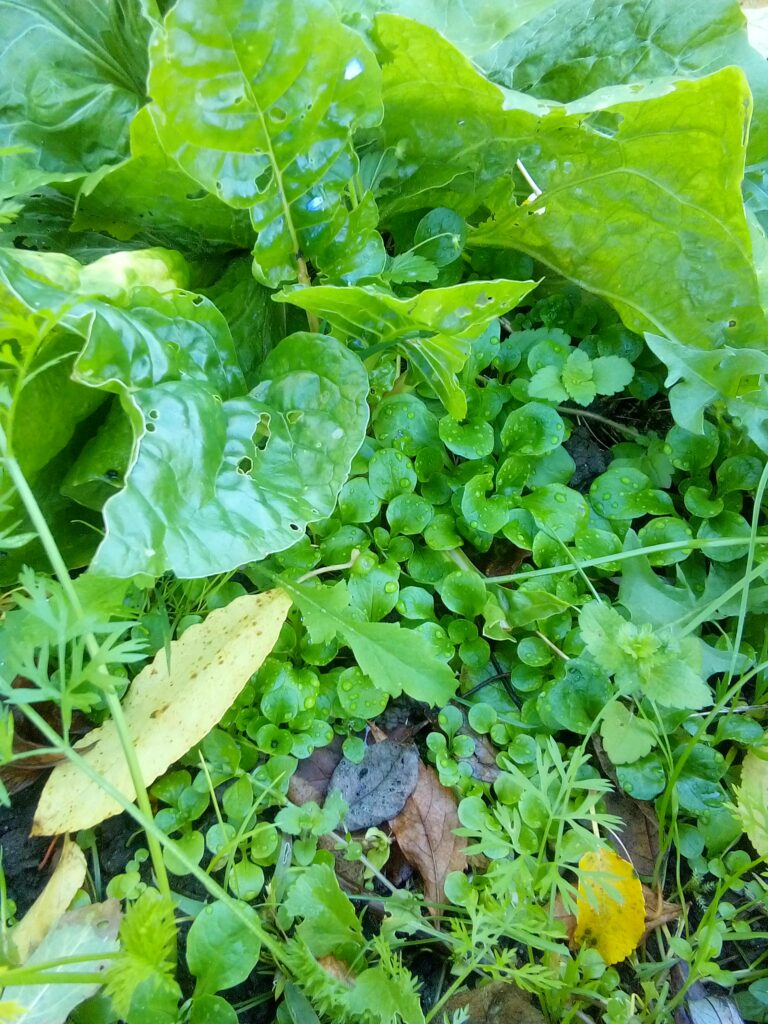


Science has simply added another layer to that experience.
Now I look at a small woodland strawberry and think about the compounds that give it its color and flavor.
I crush garlic and know that something is happening inside those tiny plant cells.
And when I cook tomatoes with olive oil, I appreciate that the way we prepare food matters, too.
None of this means every meal has to be perfect.
Some evenings we have time to cook slowly.
Other evenings we throw something together and hope everyone likes it.
That’s life.
And maybe that’s what I enjoy most about these small discoveries.
They don’t ask us to change everything.
Just to notice a little more.
To be curious about what we’re growing.
And to enjoy the food we bring into our kitchens.
Scientific References & Further Reading
The following studies and scientific resources informed the kitchen habits described in this article. James Wong’s book inspired my interest in the subject, while these publications provide independent evidence for the specific scientific claims.
Berry varieties and phytochemicals
Hellström, J., et al. (2024). Phenolic profiles differentiate wild bilberry and cultivated blueberry fruit. LWT, 199, 116080.
Doumett, S., et al. (2011). Comparison of nutritional and nutraceutical properties in cultivated fruits of Fragaria vesca L. produced in Italy. Food Research International, 44(5), 1209–1216.
Garlic and broccoli preparation
Song, K., & Milner, J. A. (2001). The Influence of Heating on the Anticancer Properties of Garlic. The Journal of Nutrition, 131(3), 1054S–1057S.
Wu, Y., et al. (2018). Hydrolysis before Stir-Frying Increases the Isothiocyanate Content of Broccoli. Journal of Agricultural and Food Chemistry, 66(6), 1509–1515.
Yuan, G. F., et al. (2009). Effects of different cooking methods on health-promoting compounds of broccoli. Journal of Zhejiang University SCIENCE B.
Tomatoes and nutrient absorption
Fielding, J. M., et al. (2005). Increases in plasma lycopene concentration after consumption of tomatoes cooked with olive oil. Asia Pacific Journal of Clinical Nutrition, 14(2), 131–136.
Freezing, storage and food safety
Bouzari, A., Holstege, D. M., & Barrett, D. M. (2015). Vitamin Retention in Eight Fruits and Vegetables: A Comparison of Refrigerated and Frozen Storage. Journal of Agricultural and Food Chemistry, 63(3), 957–962.
U.S. Food and Drug Administration. Selecting and Serving Produce Safely.
University of Minnesota Extension. Preserving Food at Home: Blanching Vegetables.
Book Inspiration
Wong, James (2017). How to Eat Better: How to Shop, Store & Cook to Make Any Food a Superfood. Mitchell Beazley.