How to make apple juice with a juicer? For me, it always starts with an apple harvest that is simply too big to eat. My apple trees seem to have their own rhythm.
About every two years, the harvest is so big that I hardly know what to do with all those apples.
And that’s when my old juicer comes out again.
It’s more than 10 years old now. Nothing fancy, nothing new. But it still does a great job, especially when the apple baskets are overflowing (apparently, my juicer hasn’t heard about retirement yet – but there are newer versions on Amazon.com).
So I decided to make fresh apple juice. And honestly, it was easier as I expected.
Just apples, my old juicer and a little time in the kitchen.
How to Make Apple Juice With a Juicer – Step by Step
I don’t use any special recipe. I simply take what my garden gives me.
Here is my little routine:
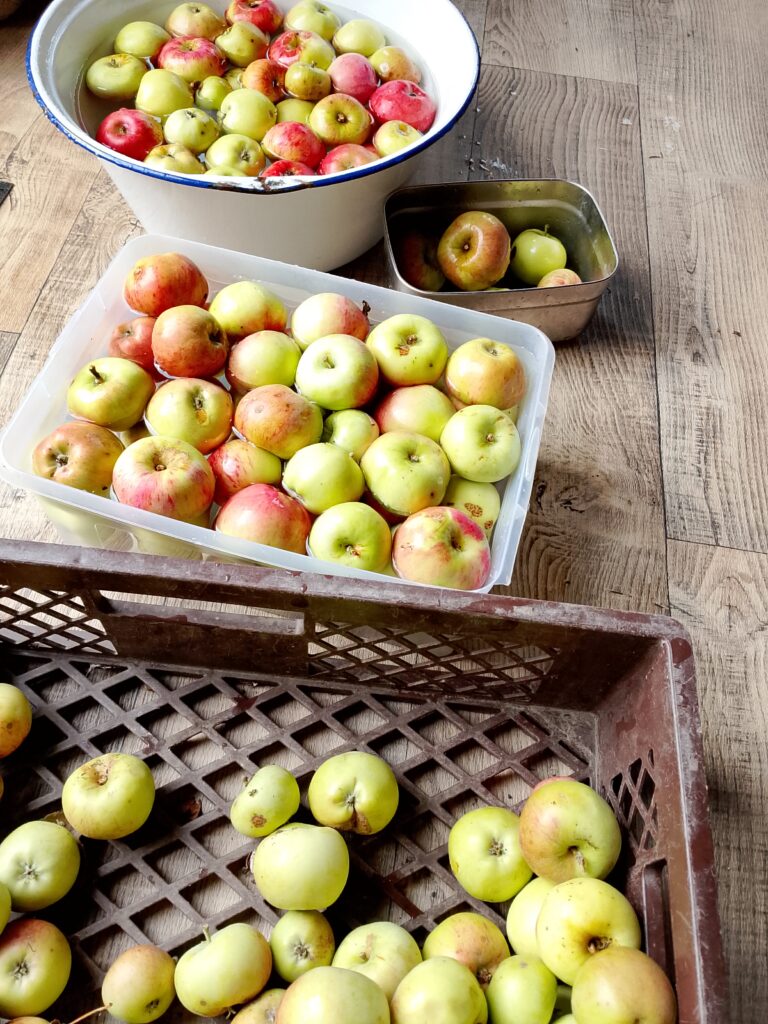
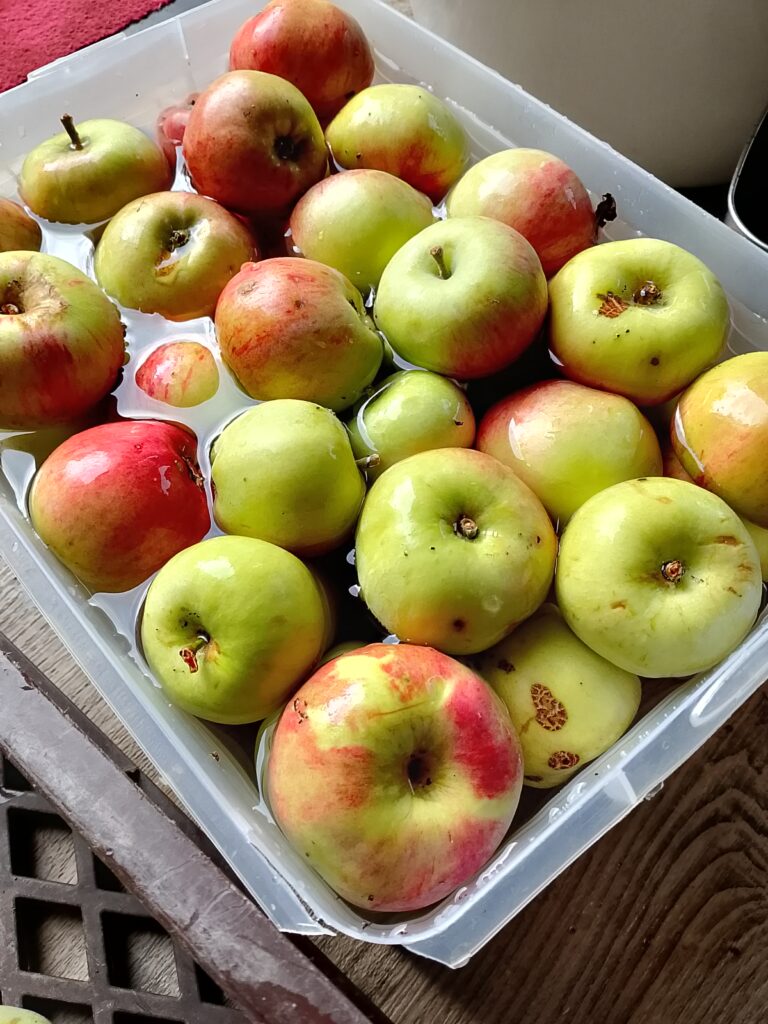
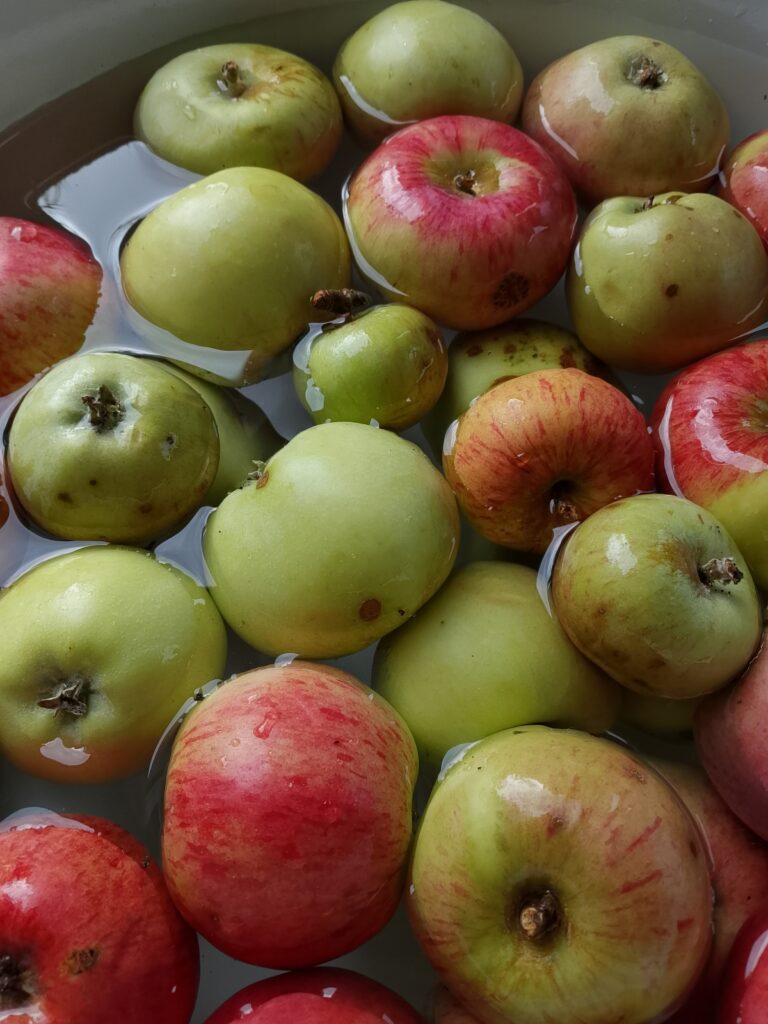
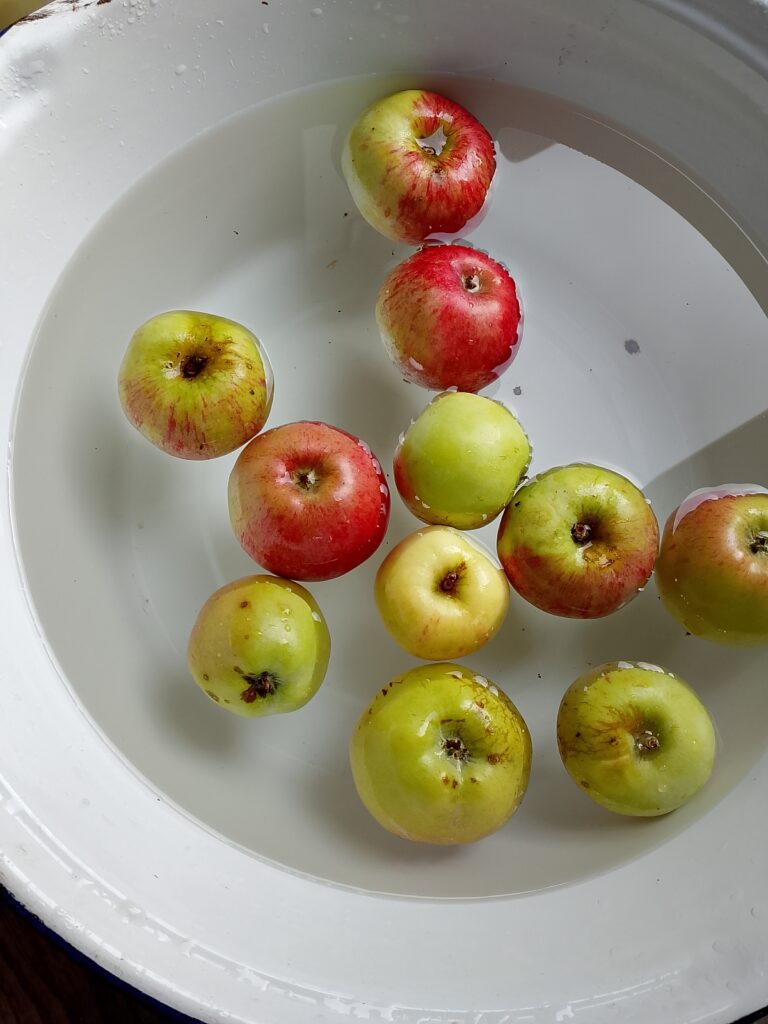
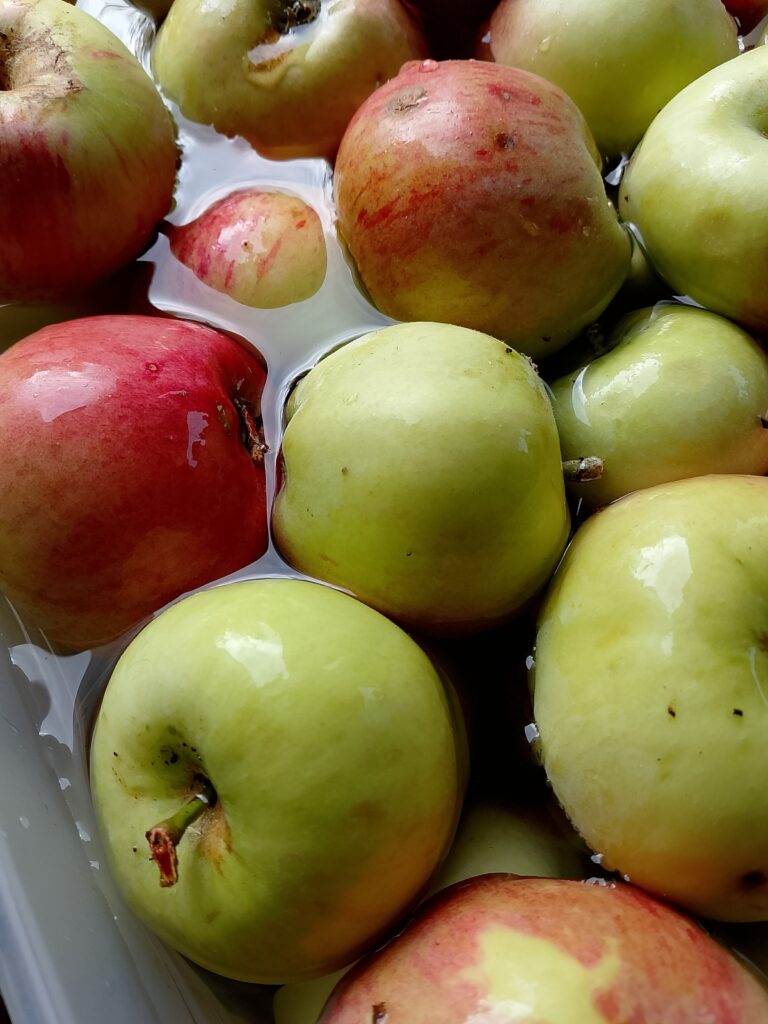
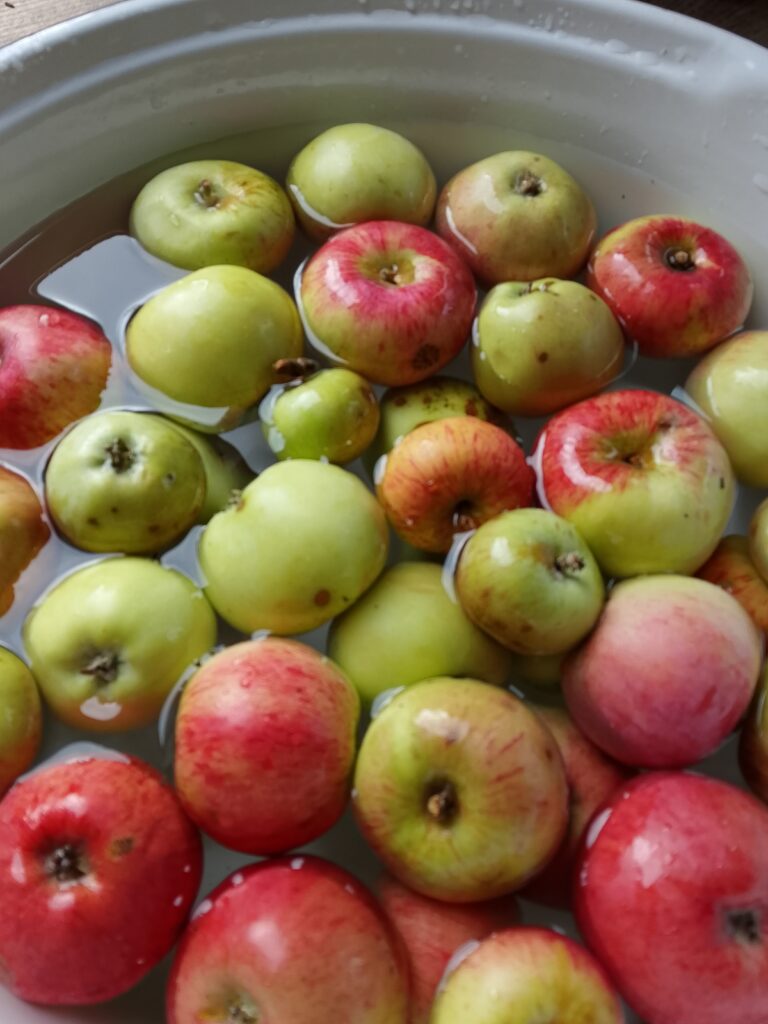
- Wash the apples. I wash them good under running water and sort out any rotten or moldy ones.
- Cut them into pieces. I usually leave the peel on. Whether the core needs removing depends on the juicer.
- Start juicing. I feed the apple pieces slowly into my juicer, following the instructions for my machine.
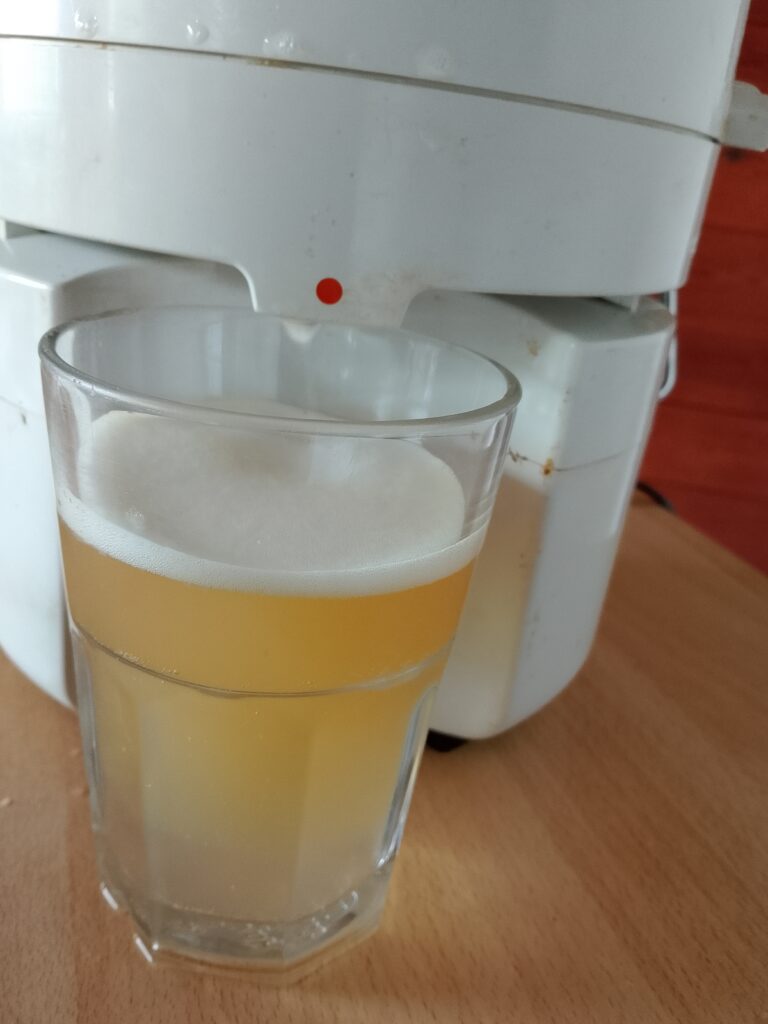
- Collect the fresh juice. The first glass taste different every autumn, depending on the apples.
- Enjoy it fresh. I don’t add sugar. The apples already bring their own sweetness.
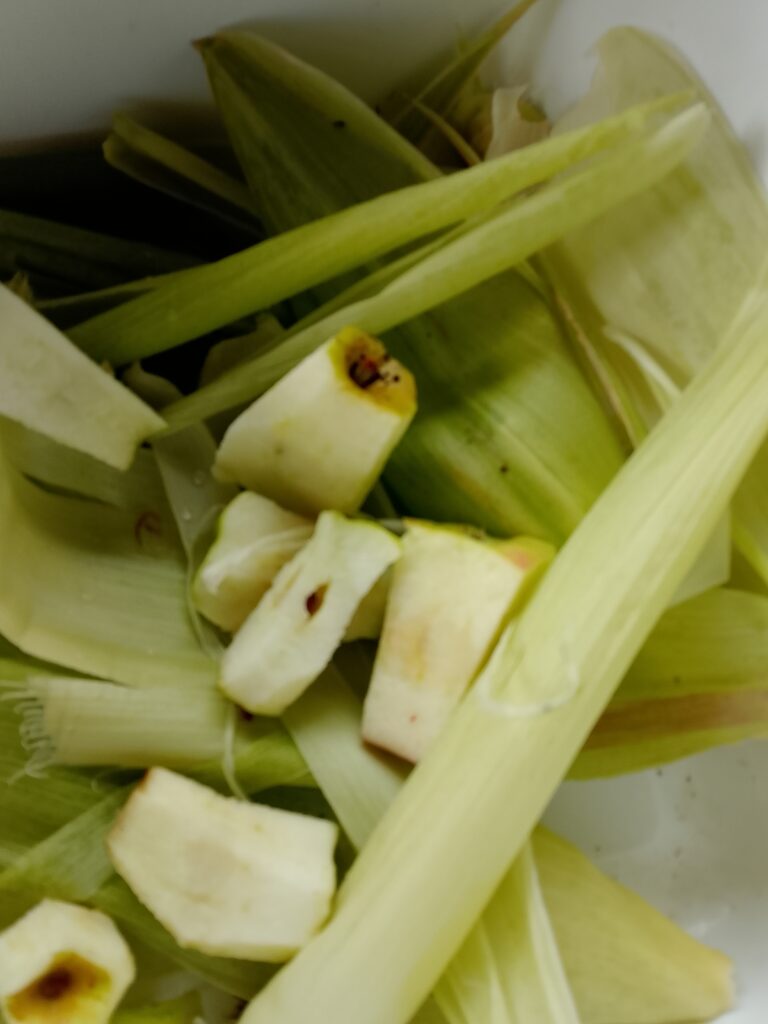
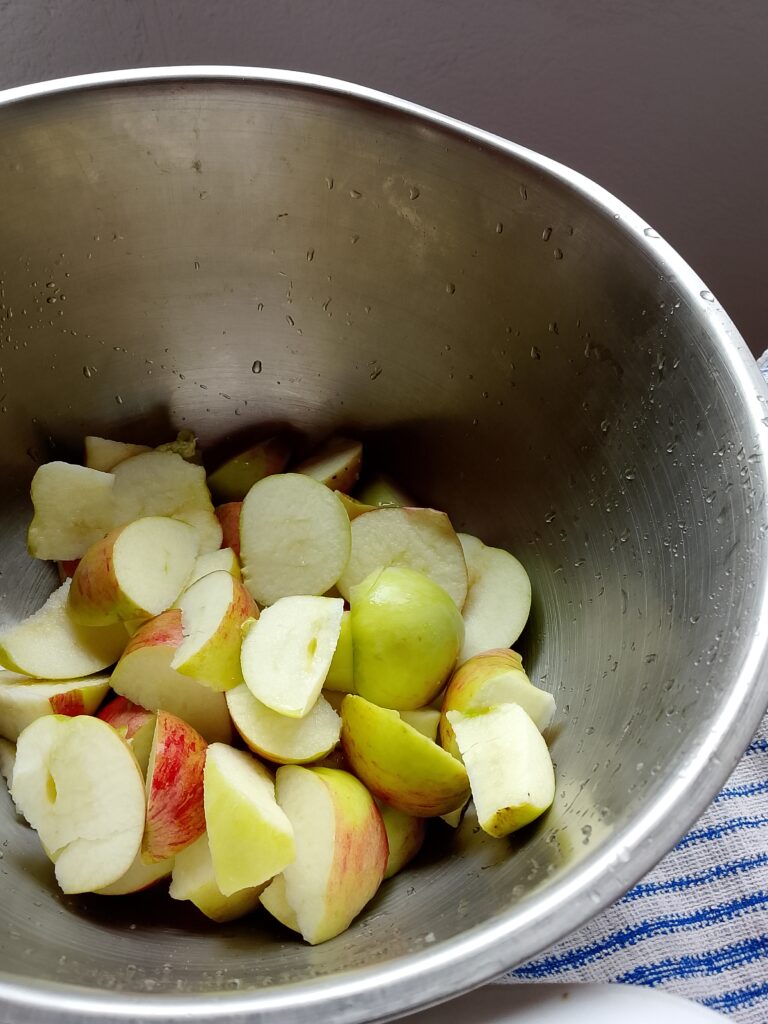
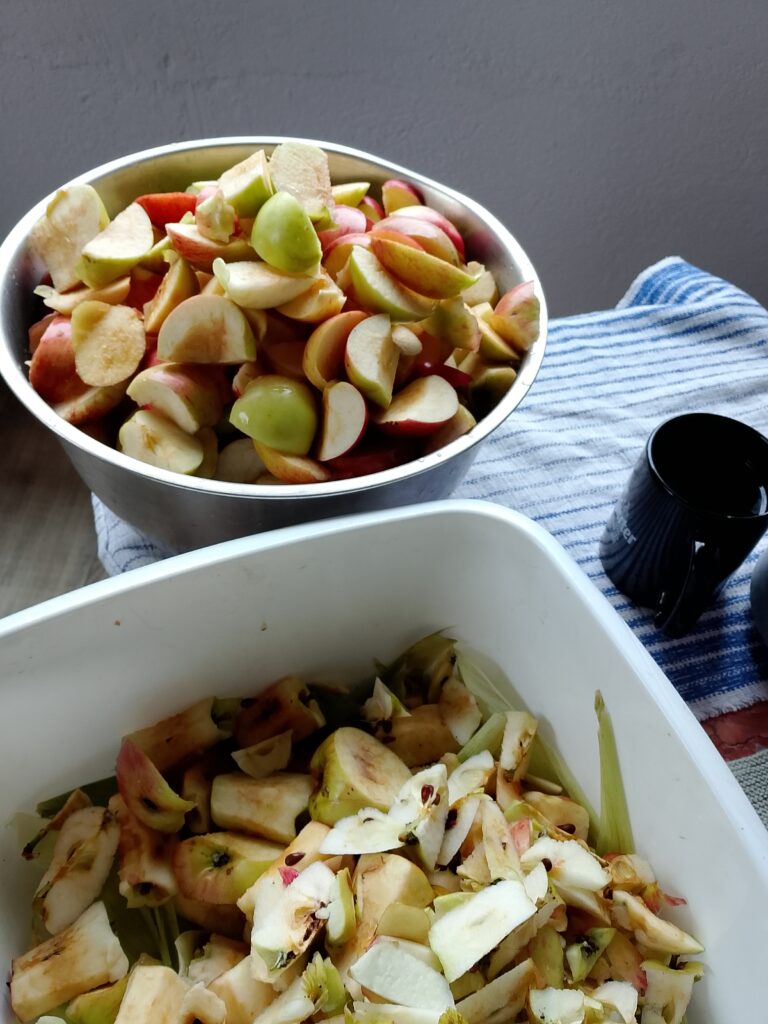
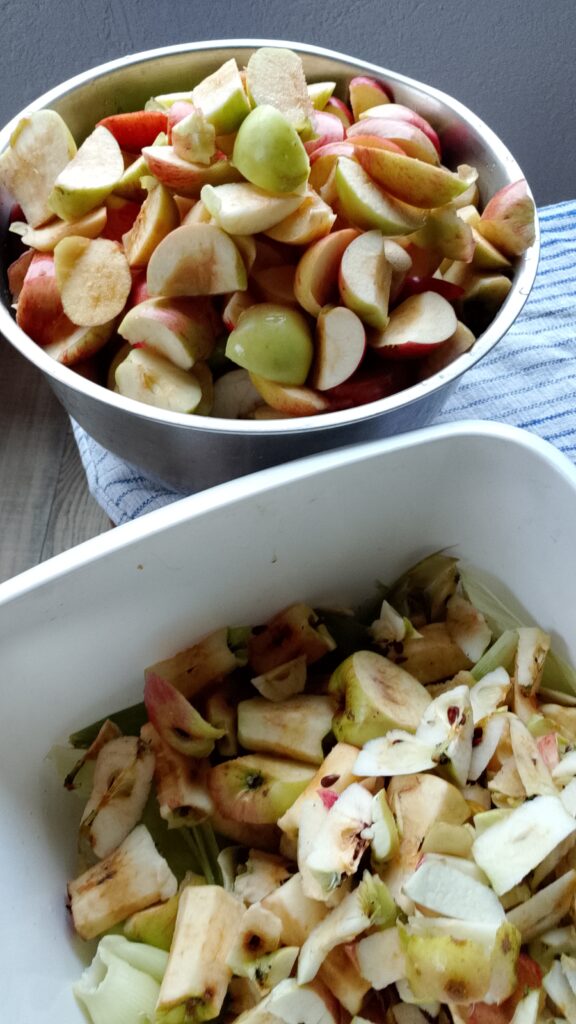
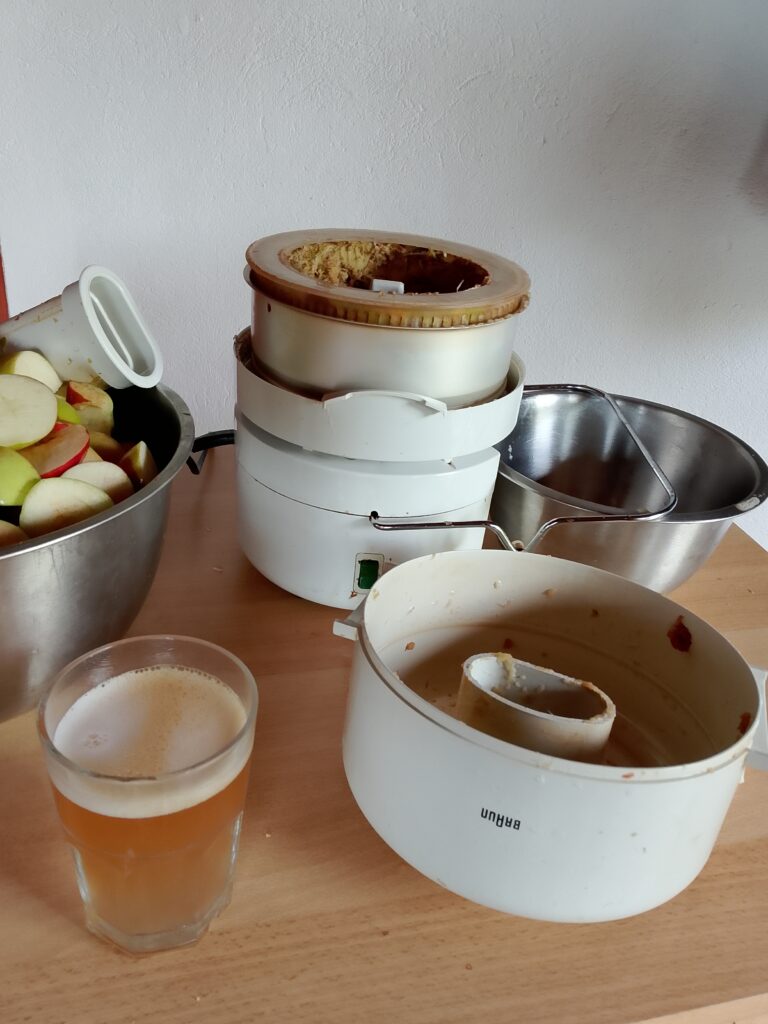
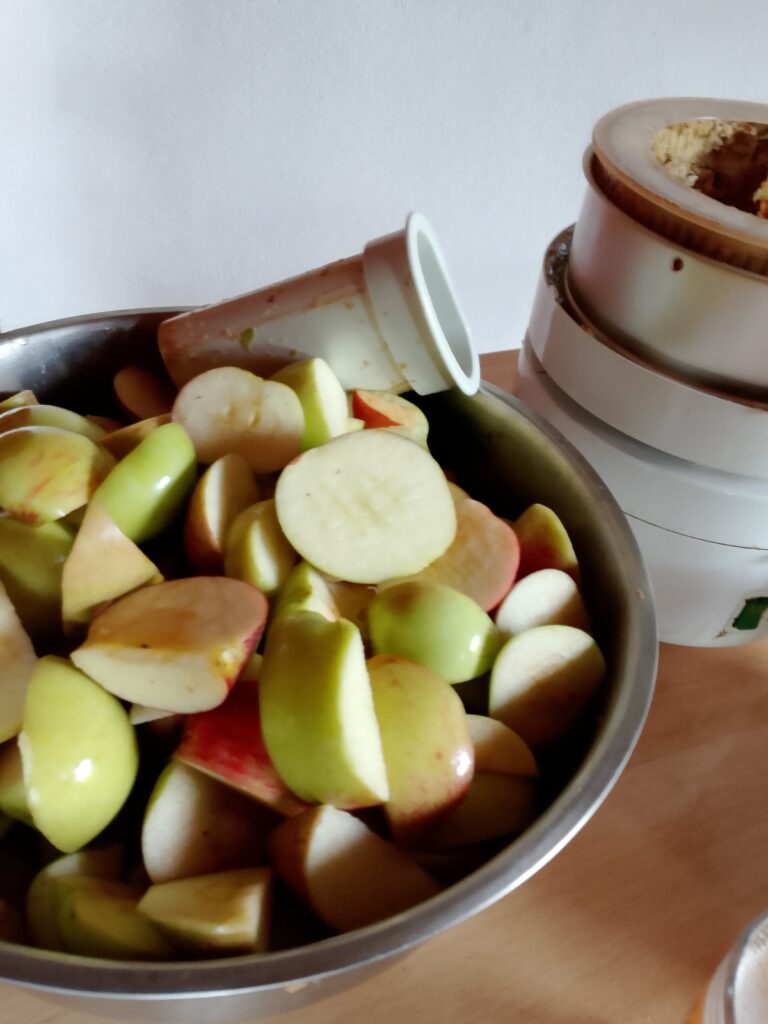
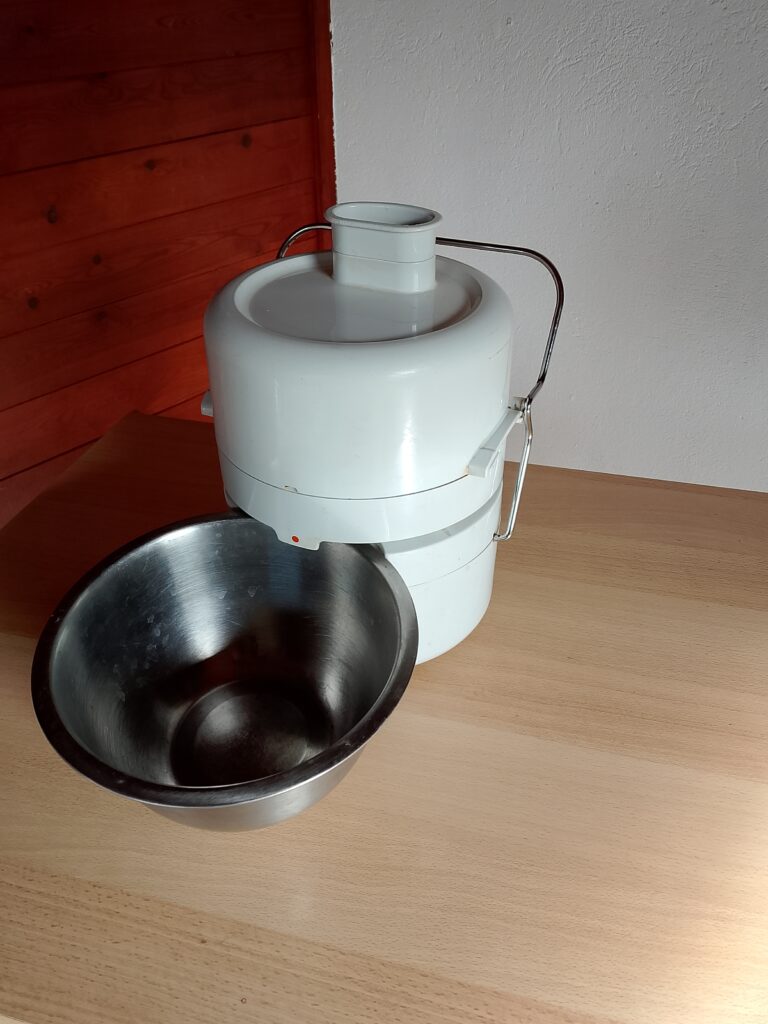
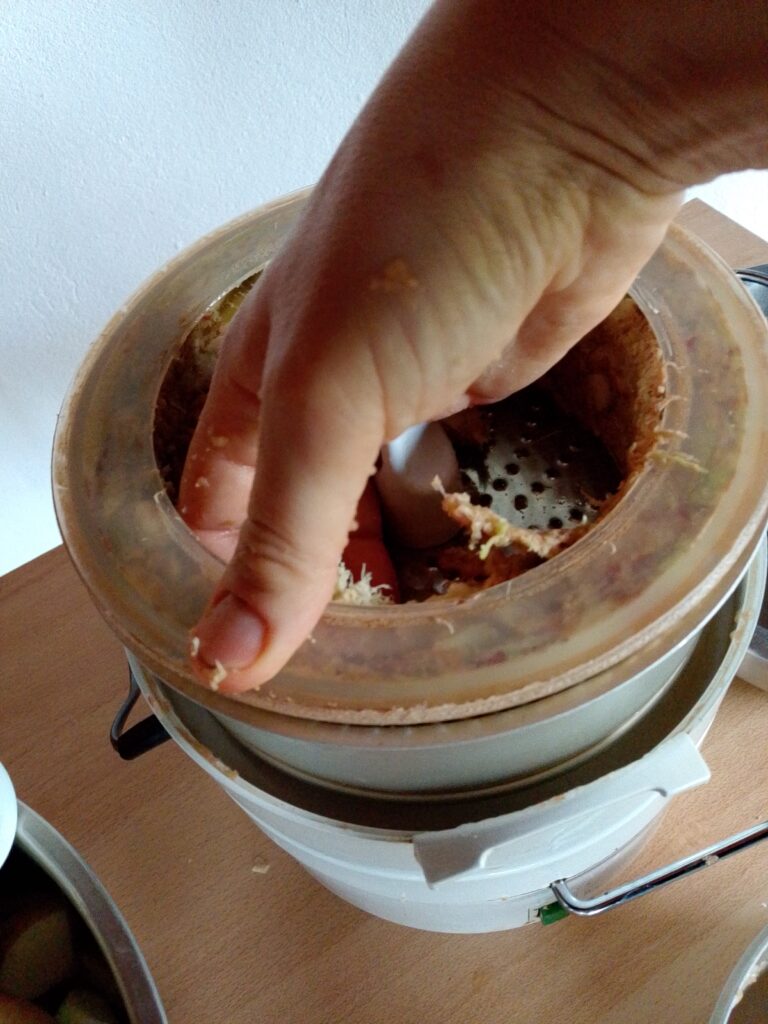
Watch How I Make Fresh Apple Juice
Here you can see how I turn my garden apples into fresh homemade juice.
Don’t Forget the Last Drops
When I use an apple press, I always give the juice a little moment to finish dripping into the container after pressing.
It seems like such a small detail.
But watching these little moment in the kitchen makes me slow down for a second.
Why Does Fresh Apple Juice Look Different?
One thing surprised me when I first made homemade apple juice.
It wasn’t perfectly clear.
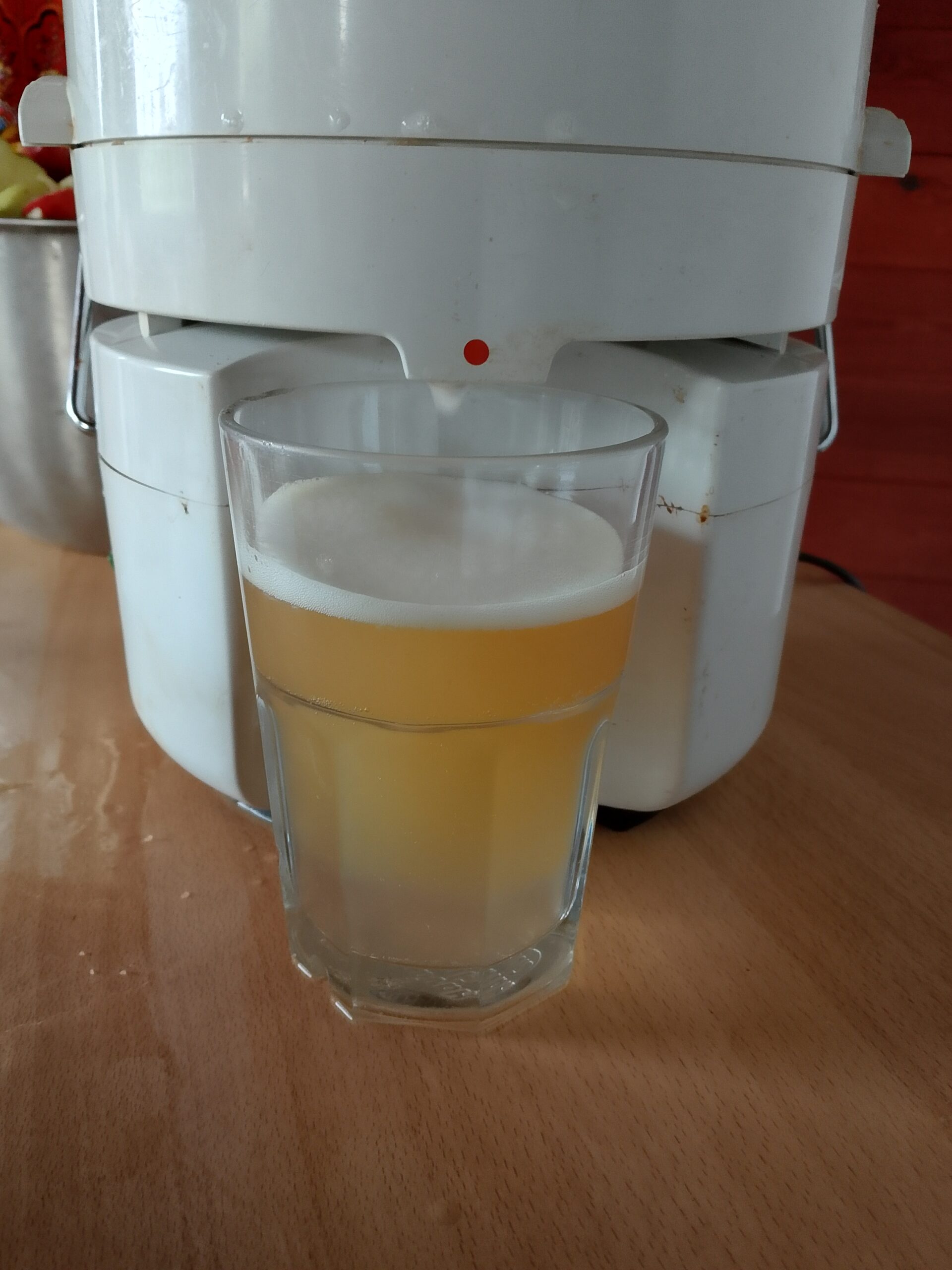
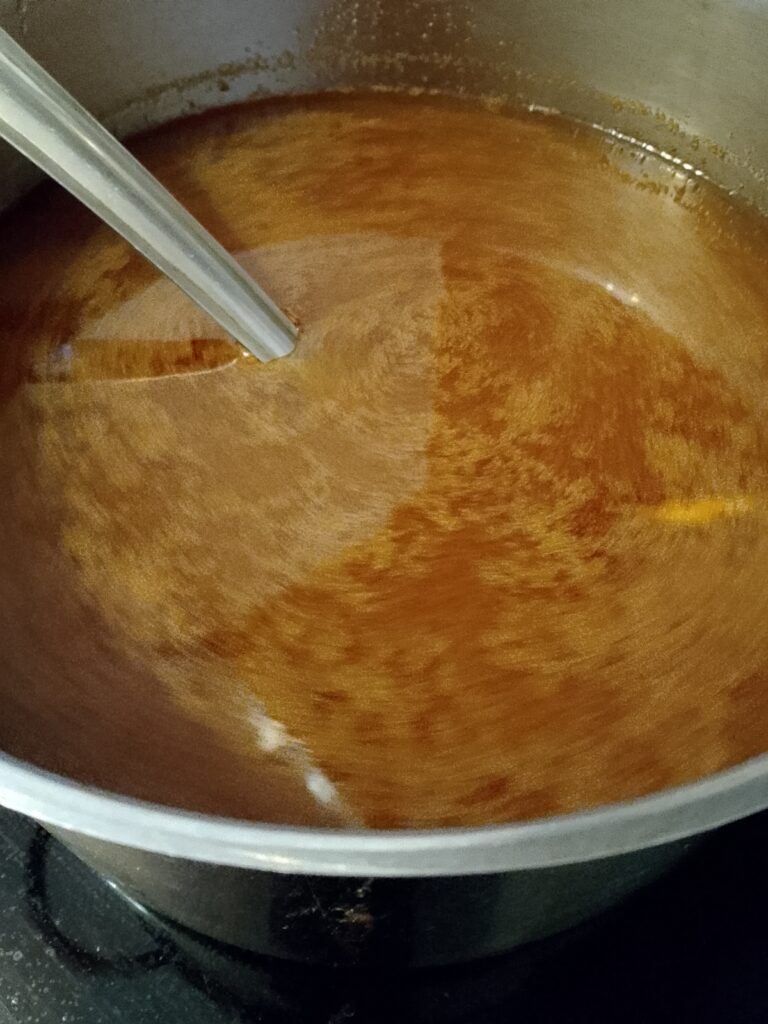
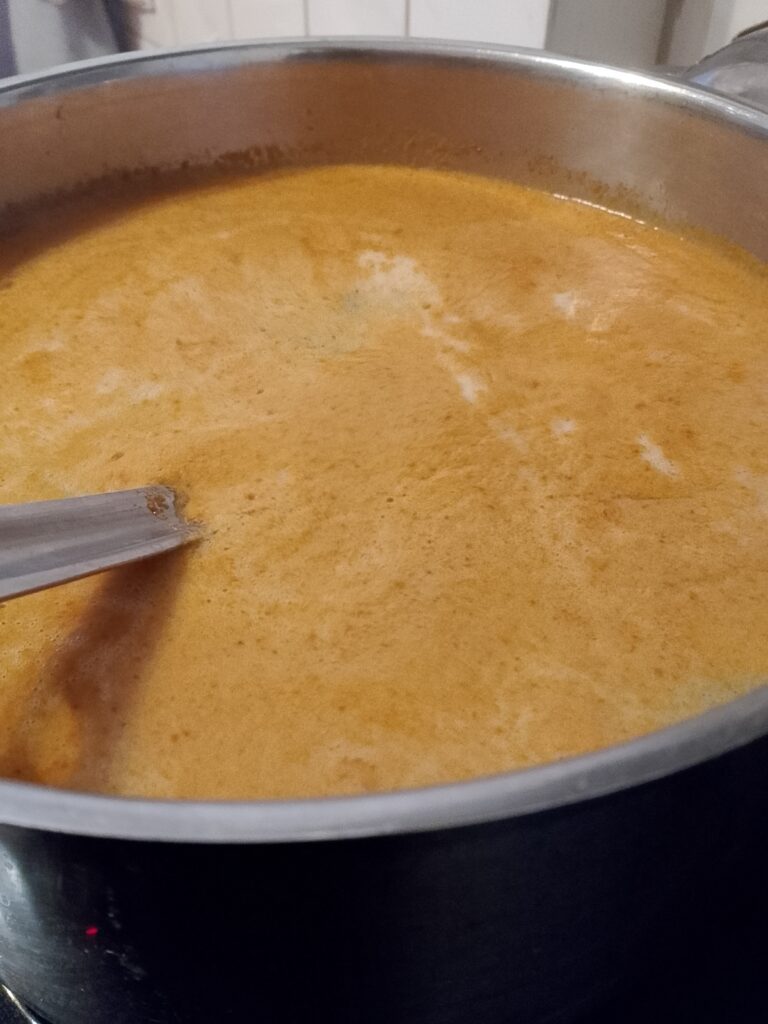
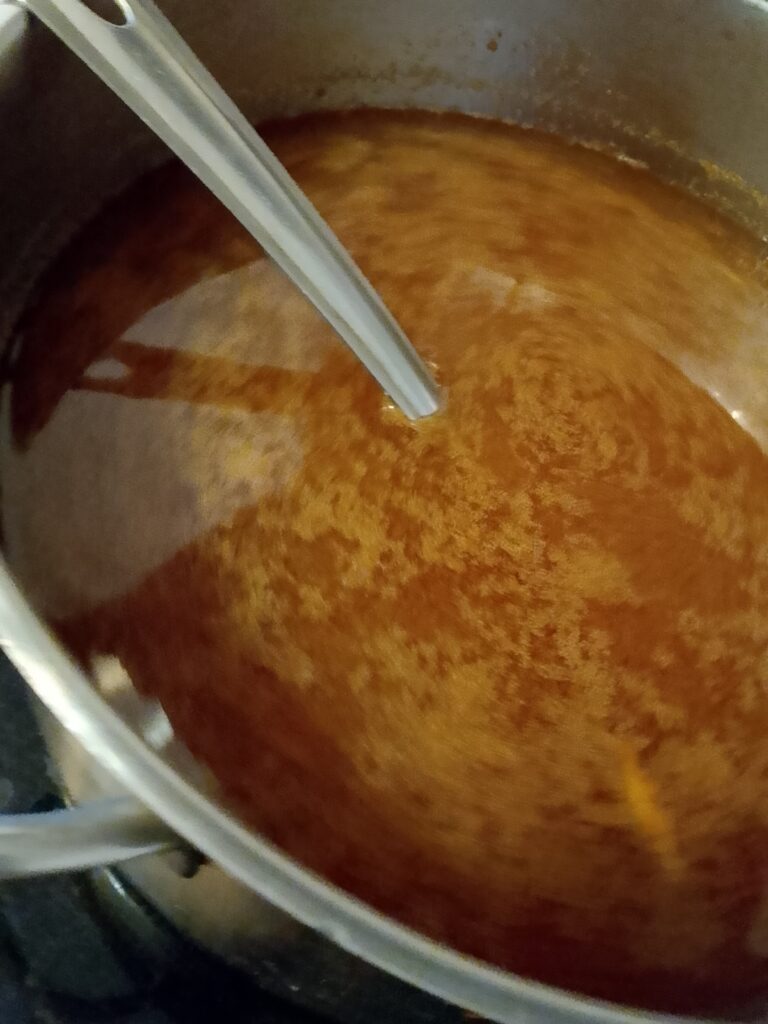
Sometimes there was foam on top, sometimes the juice started turning brown.
That’s normal. When apple cells are broken during juicing, enzymes and oxygen can interact, causing enzymatic browning. Fine apple particles can also make the juice look cloudy.
Of course, fresh unpasteurized juice can contain harmful microorganisms, so I wash the fruit carefully and refrigerate any juice we don’t drink immediately.
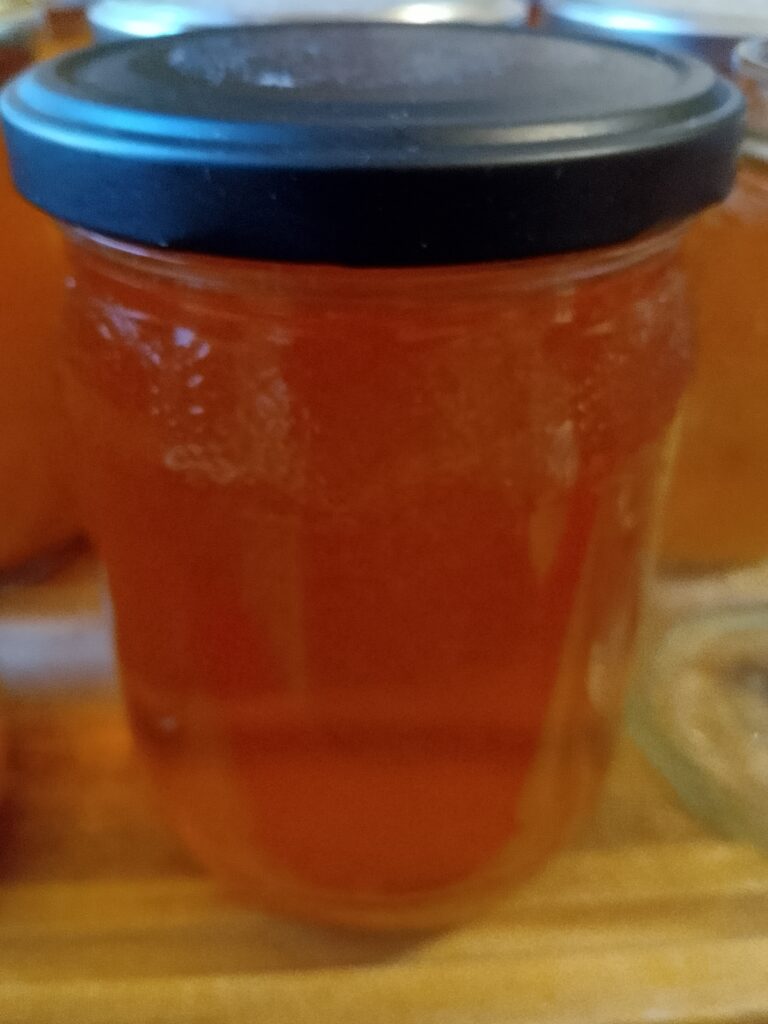
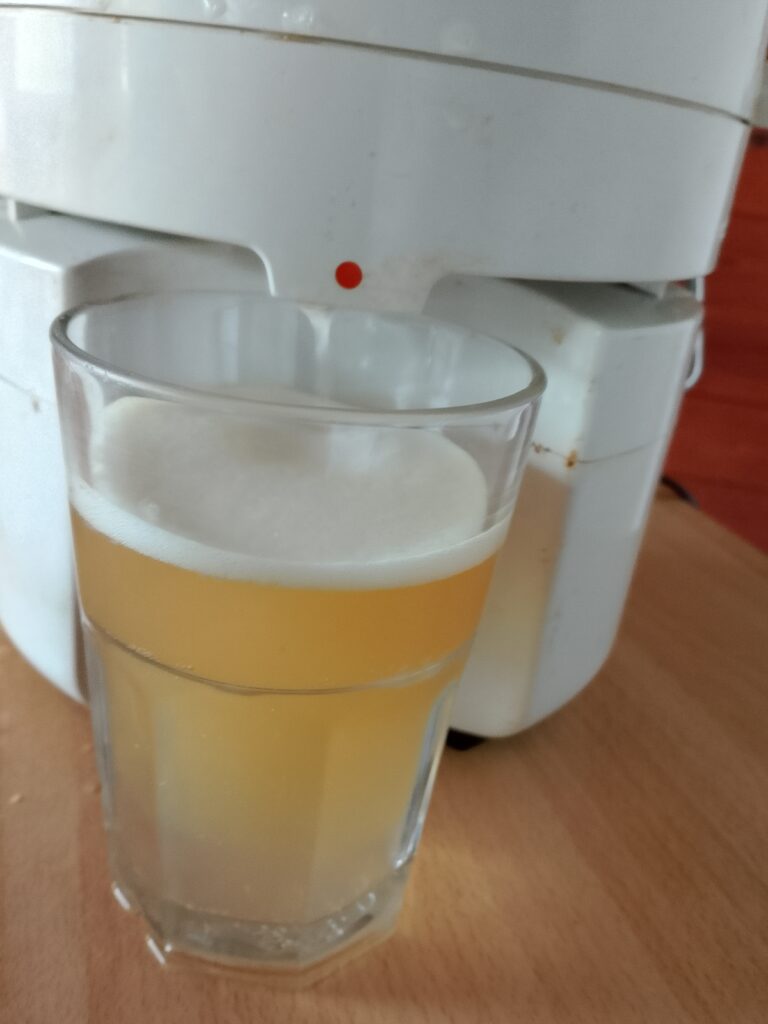
From Garden to Glass
For me, making apple juice is one of those simple autumn pleasures.
The smell of fresh apples, the sound of the juicer and that first sip.
Even the leftover apple pulp finds its way into my compost or sometimes into a baking recipe.
Homemade apple juice don’t need to be complicated.
And perhaps that’s what I love most about it.
Just another little harvest turned into something good.
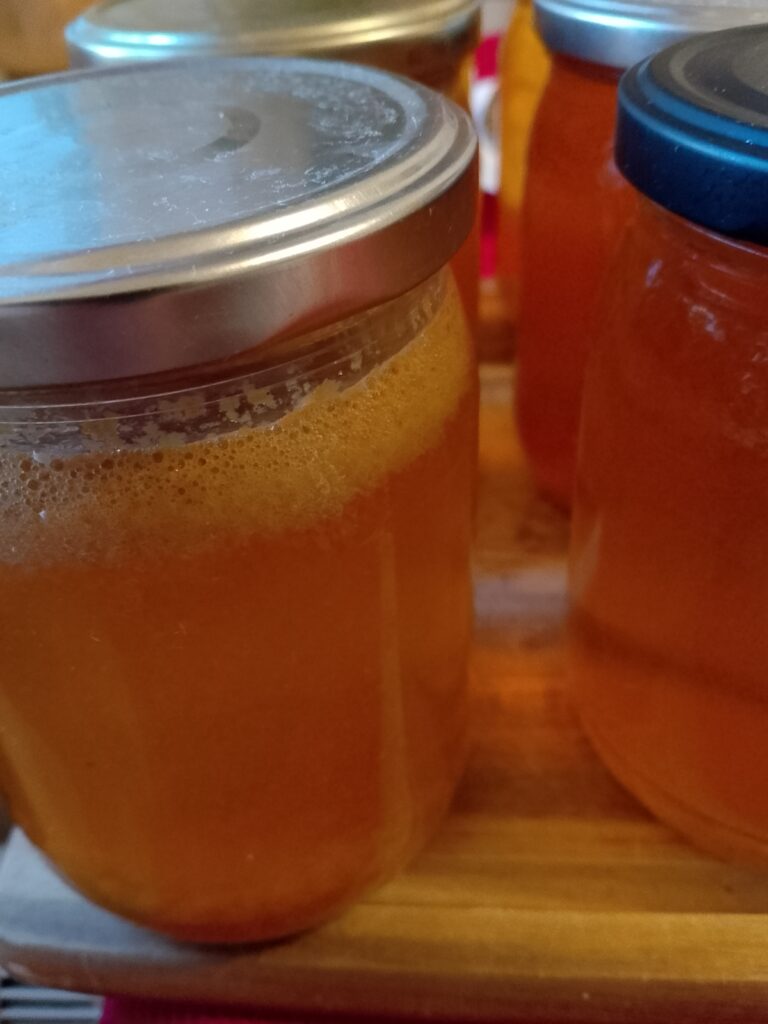
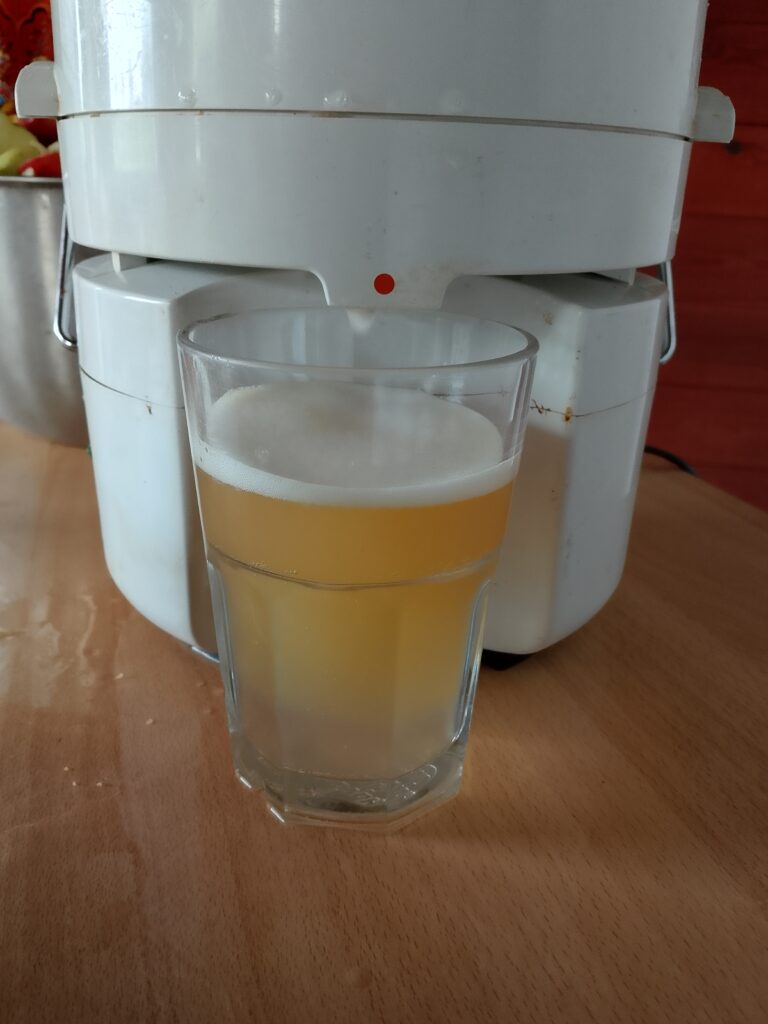
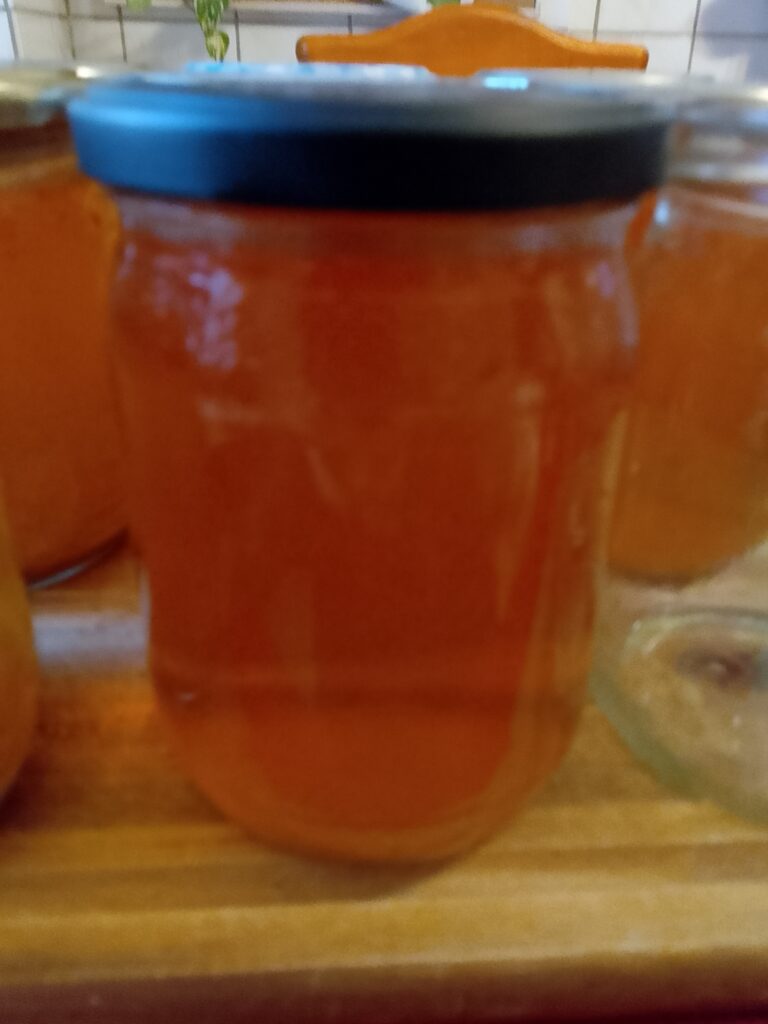
How I Transport Homemade Apple Juice Home by Bike
Since I usually travel to my garden by bicycle, transporting all that fresh apple juice home is always a little adventure.
I prefer juicing the apples directly at the garden, so I can leave the leftover apple pulp there for composting. But the juice still needs to come home with me, where I preserve it for winter.
And fitting several liters of apple juice into bicycle bags requires some creativity.
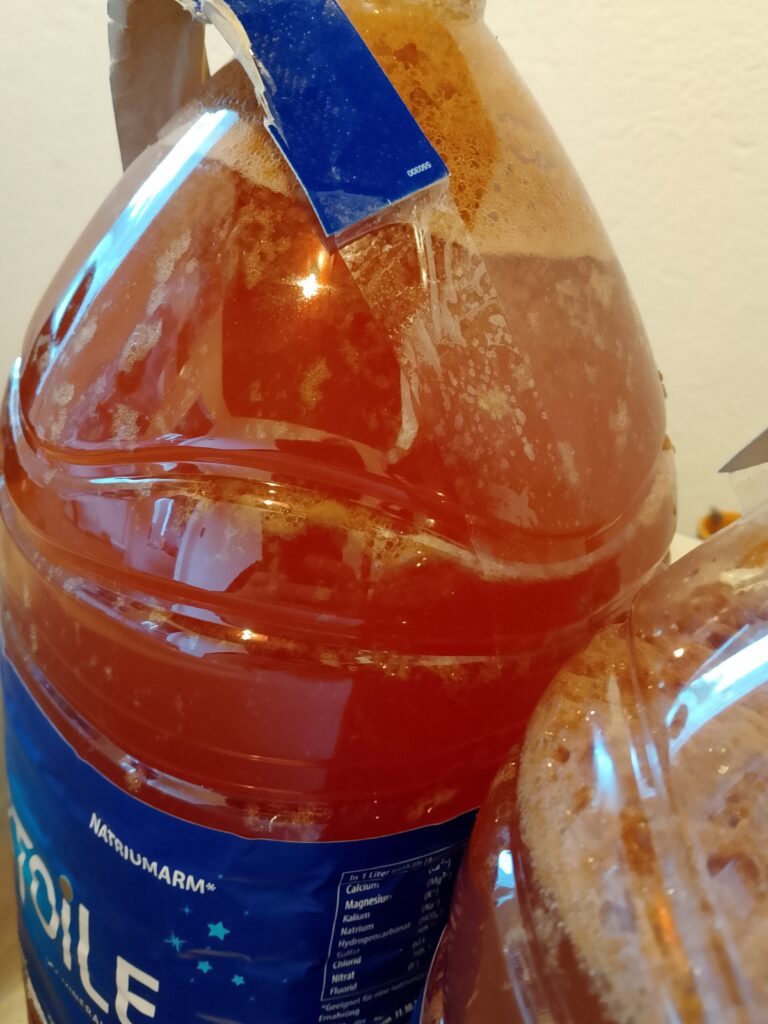
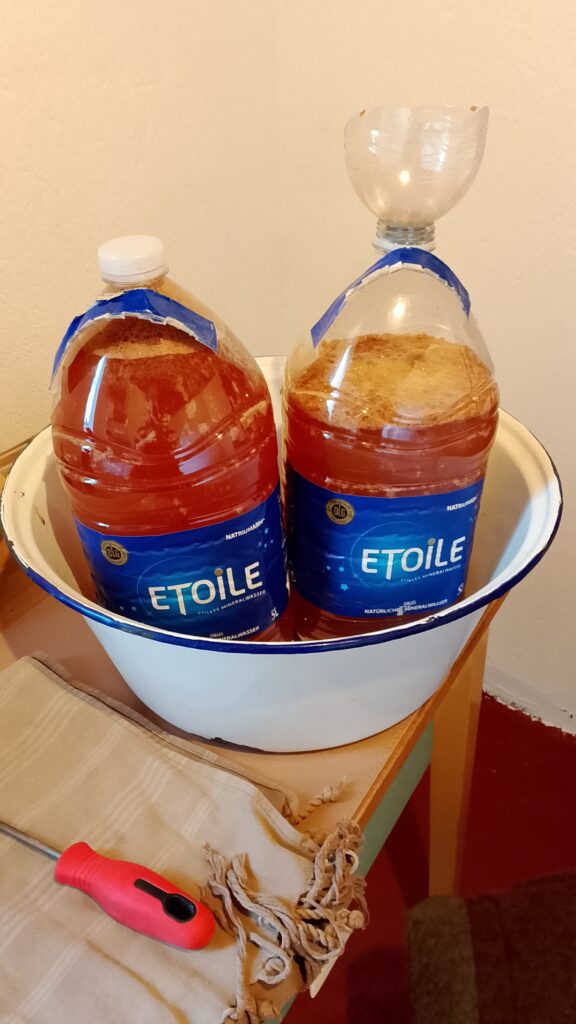
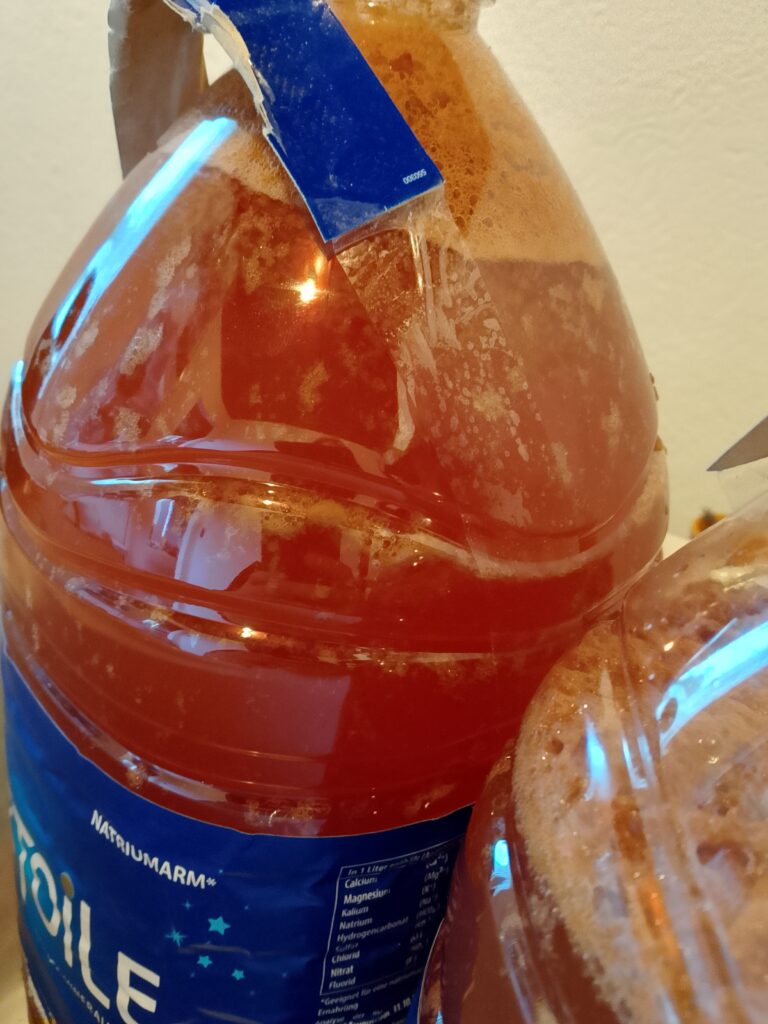
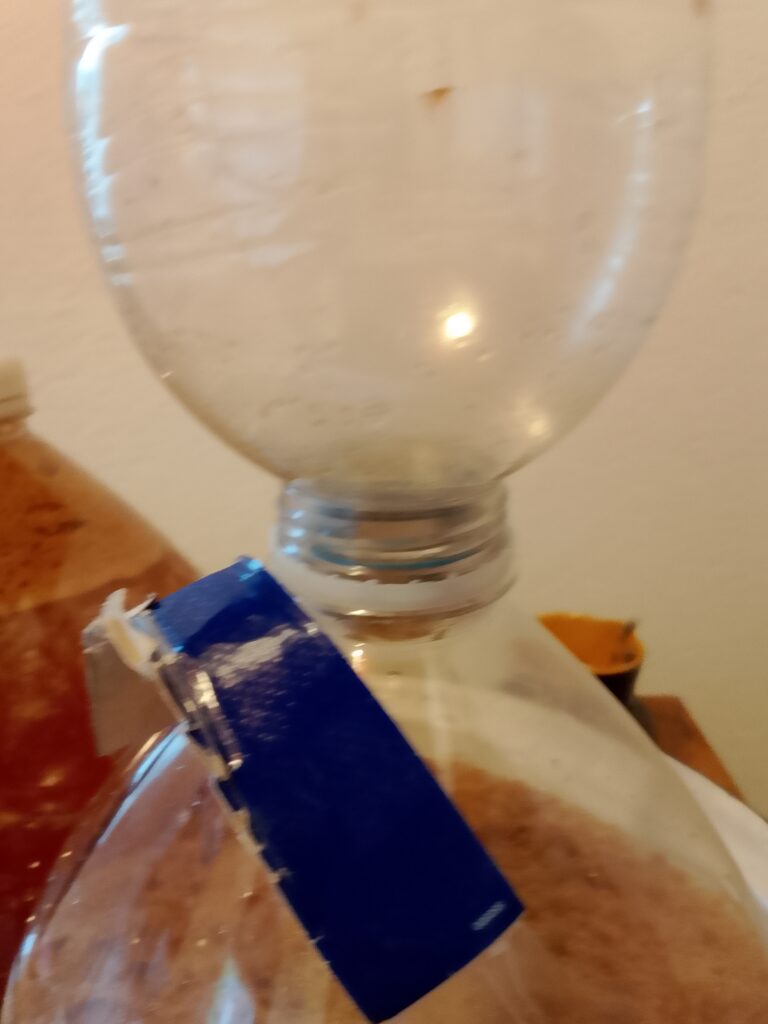
We buy drinking water in bottles for our time at the garden anyway. So this year, we decided to buy 5-liter bottles.
Turns out, they are perfect for transporting homemade apple juice in my bicycle bags.
Not very elegant, maybe. But practical. And I don’t need to buy extra containers just for the ride home.
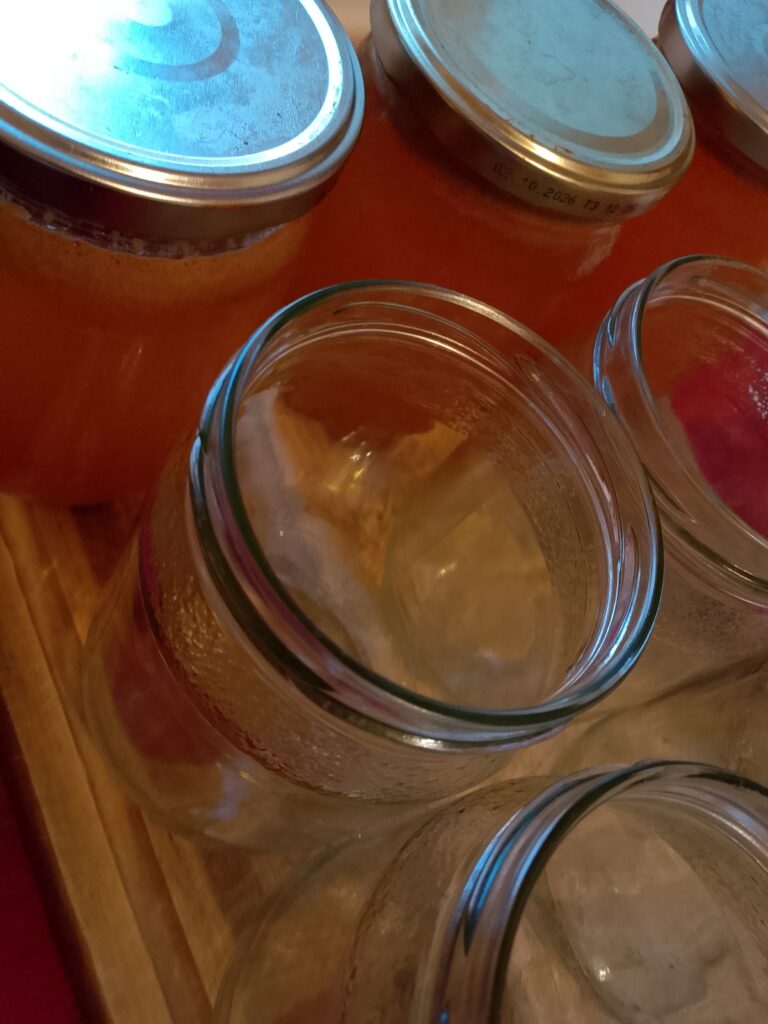
Saving Bottles and Jars for Apple Juice Preservation
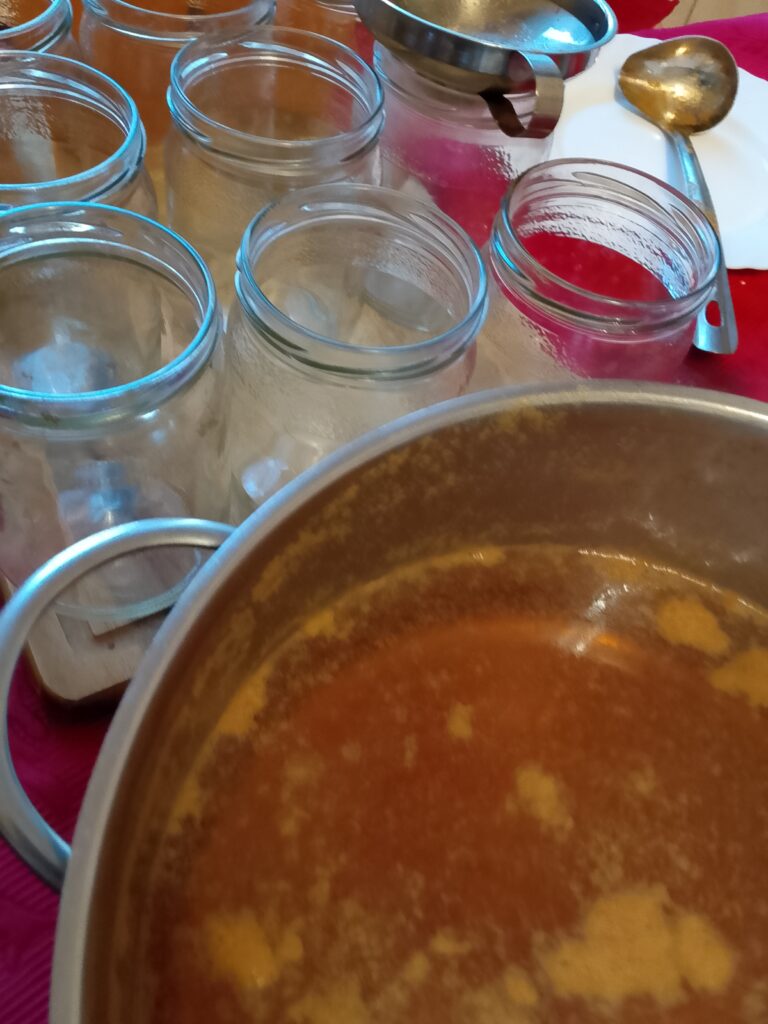
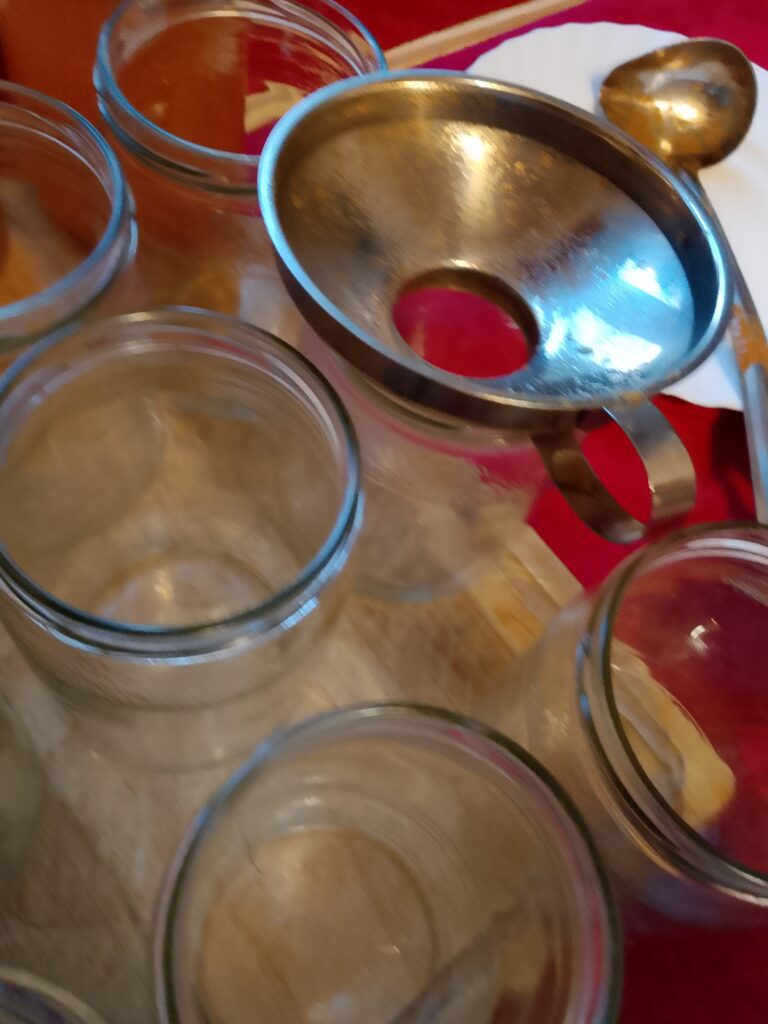
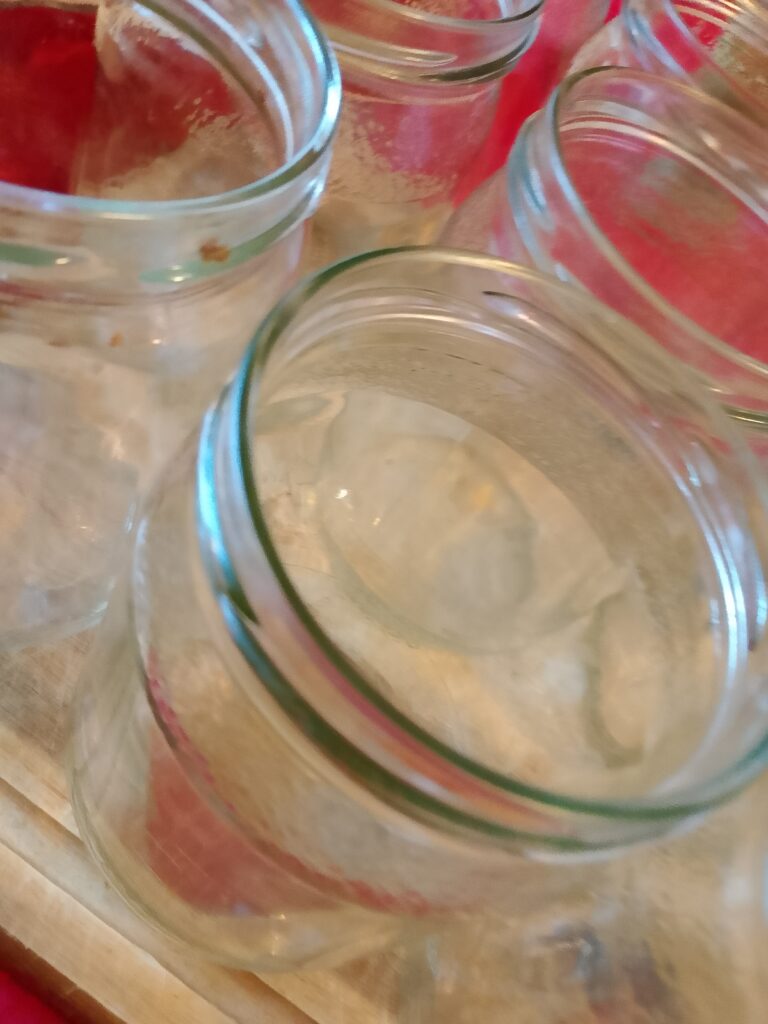
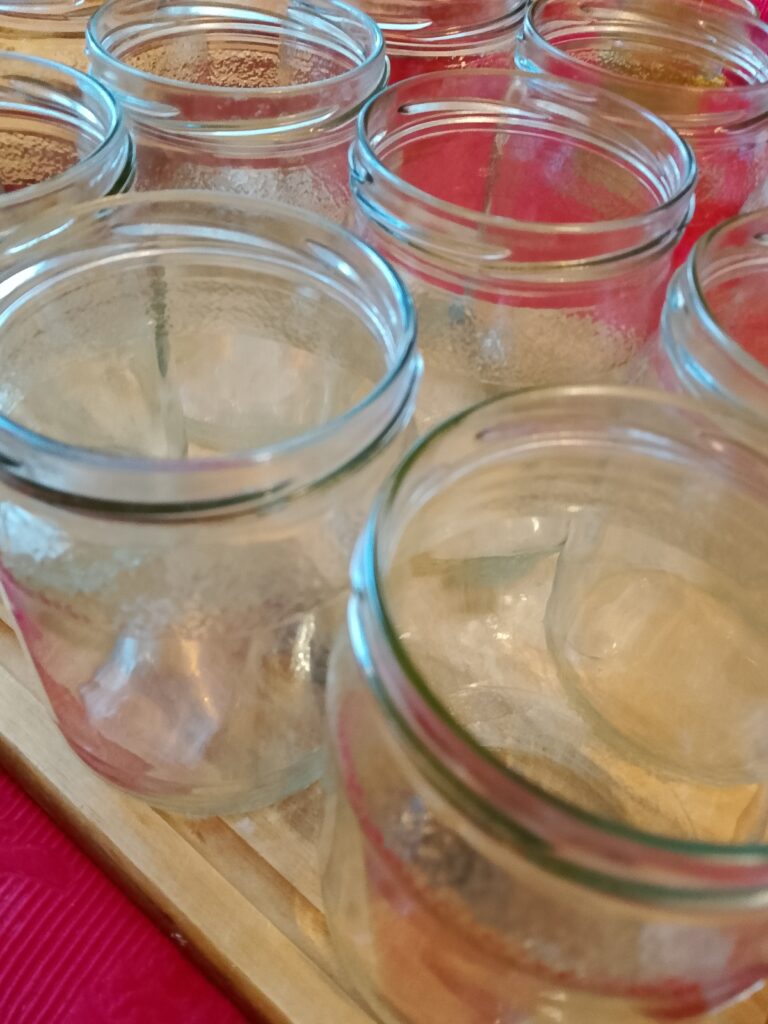
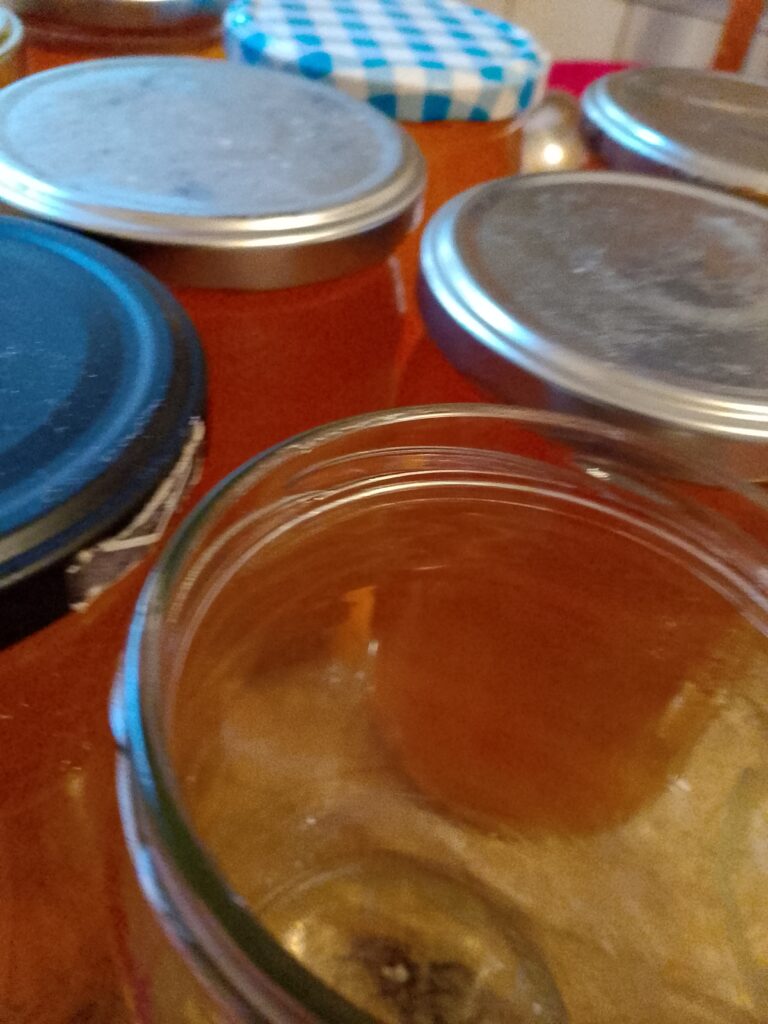
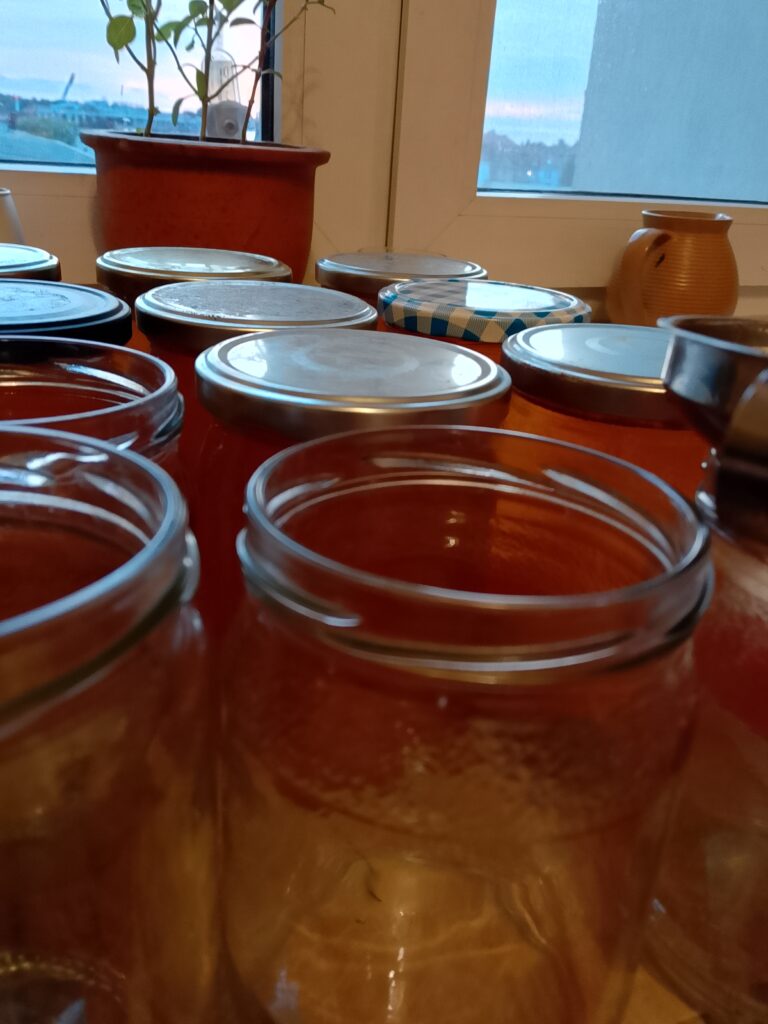
As soon as harvest season gets closer, I start collecting bottles and jars. And I need quite a lot of them.
Some I buy new, but most are reused bottles and glass jars from food we already bought.
Actually, I start collecting them during the summer holidays. By the time the apples are ready, I try to have enough containers for around 20 to 30 liters of homemade juice.
For us, bottles and jars holding 500 to 750 ml work best. They are easy to store, and they also make lovely little gifts. A bottle of homemade apple juice is something I always like to bring when visiting friends.
Preparing all these containers takes a bit of planning, but it saves me a lot of stress when the big harvest finally arrives.
FAQs about homemade Apple Juice
Do you need to peel apples before juicing?
No, usually not. I leave the peel on because it saves time. Just wash the apples thoroughly and check whether your juicer can handle the peel.
Do you need to core apples before juicing?
That depends on your juicer. Some machines require removing the core and seeds first. I always recommend checking the manufacturer’s instructions.
What are the best apples for homemade apple juice?
I like mixing sweet and tart apples from my garden. Every harvest tastes a little different, and I actually enjoy that. You don’t need one perfect apple variety. Also stored apple harvest can be used. For more information how to store apples check my post.
Can you make apple juice without adding sugar?
Absolutely. I never add sugar to my homemade apple juice. Apples already contain natural sugars, so I prefer tasting the juice first.
Why does homemade apple juice turn brown?
Fresh apple juice can turn brown because of enzymatic oxidation. When apple cells are broken during juicing, enzymes react with oxygen and naturally occurring compounds. The color can change surprisingly quickly.
Should homemade apple juice be strained?
Not necessarily. I like my juice naturally cloudy. Small apple particles can remain in freshly pressed juice, but you can strain it if you prefer a clearer drink.