How to boil corn on the cob is probably the easiest part of growing corn.
Because before those ten minutes in the kitchen, there are quite a few months in the garden.
I grow different kinds of corn — Bantam sweet corn, popcorn corn and also tortilla corn. They all have their place here, but Bantam has really proven itself for us when we want corn to eat fresh.
The whole family likes it.
Which probably explains why I went a little overboard this year and planted around 100 Bantam corn plants.
Yes. About 100.
They have one of the sunniest places in my garden. And once the corn really starts growing, this whole part of the garden changes completely.
And after all that growing and waiting?
Preparing it is almost ridiculously easy.
Growing My Bantam Corn
Corn gets one of the sunniest spots in my garden.
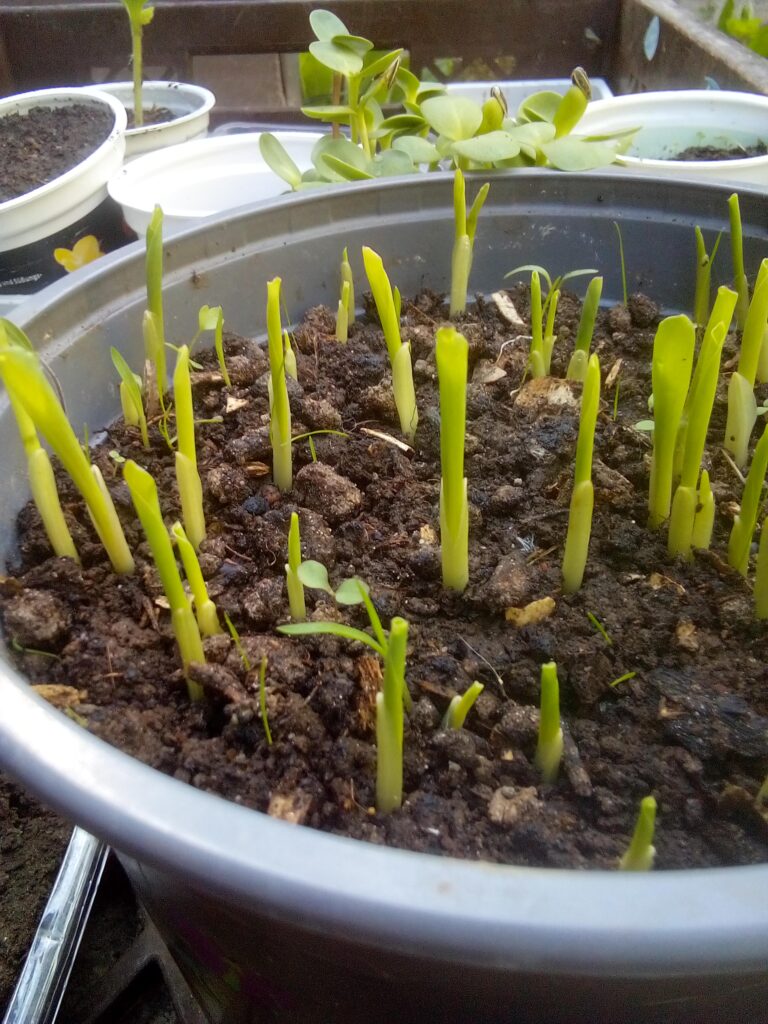
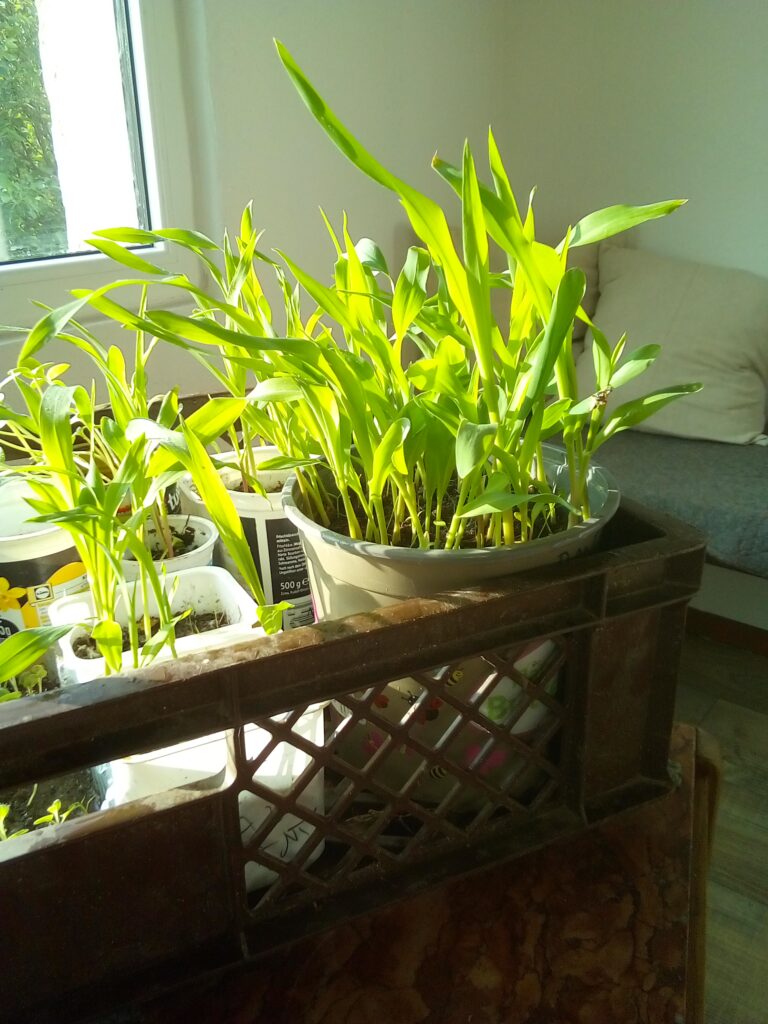
As with all the garden treasures I grow, I only use open-pollinated seeds. With corn, however, I don’t sow them directly into the bed. I start the little plants in my garden house first and plant them outside a little later. If you’re wondering why open-pollinated seeds matter so much to me, I wrote more about it in my guide to choosing open-pollinated seeds.
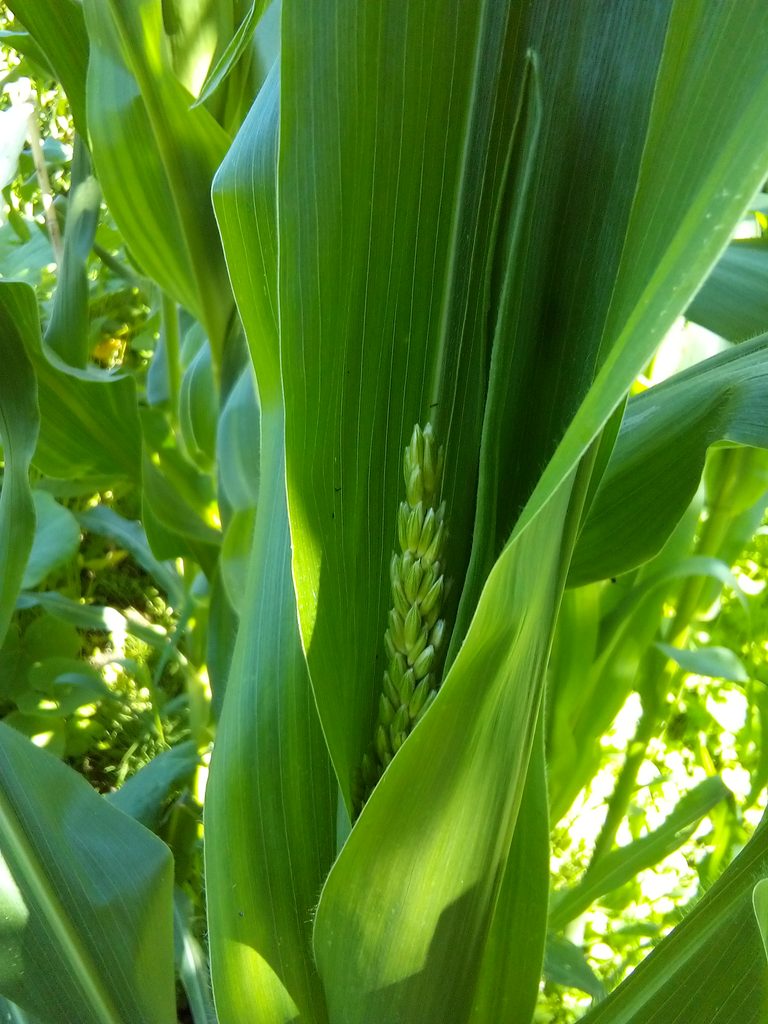
At the beginning there isn’t that much to see. Just rows of rather small green plants.
Then summer comes.
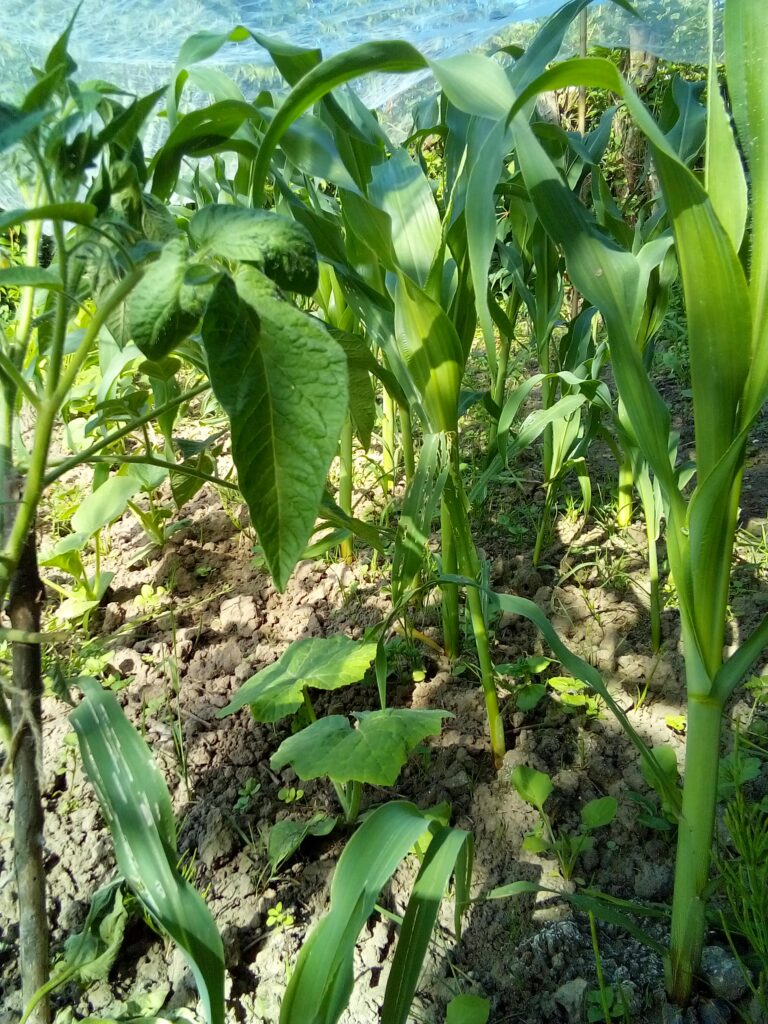
The plants get taller, the bed gets denser and at some point I can almost disappear between them.
That’s one reason I like taking photos throughout the season. When I look back at those first little plants, it’s hard to believe they turned into this huge bed of corn.
For me, the basic process is pretty simple:
- start the young corn plants
- plant them into a sunny bed
- give them enough space
- wait… quite a while
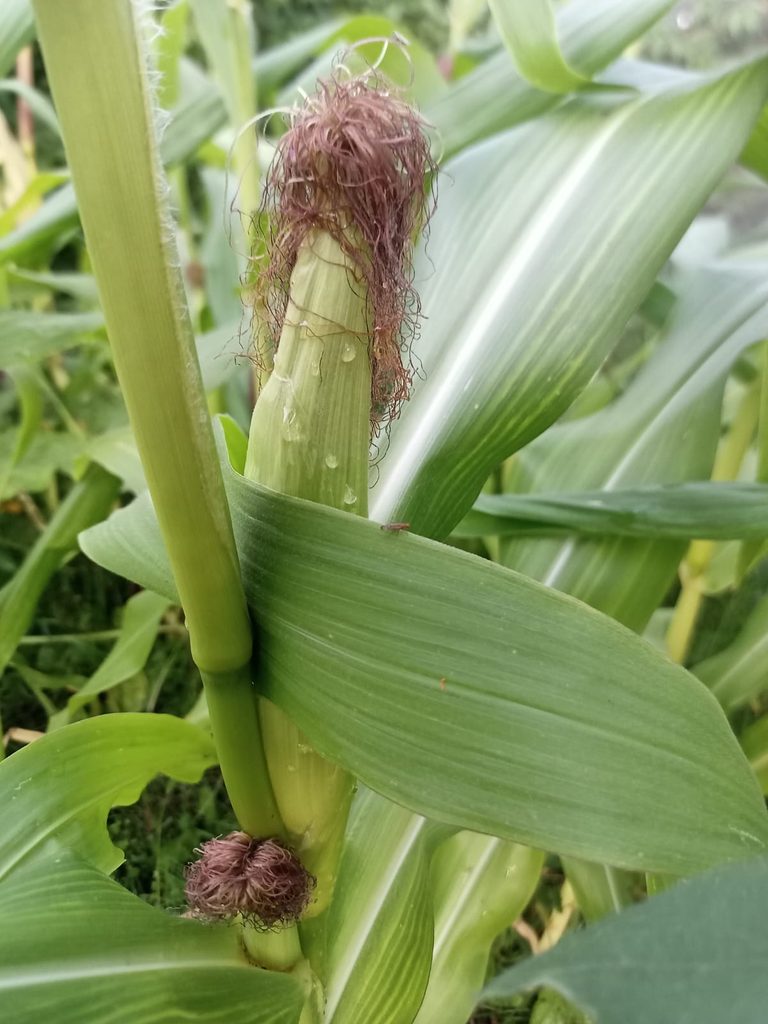
- watch for the cobs developing
- harvest when they’re ready
With around 100 Bantam plants this year, there’s quite a bit to harvest.
Luckily, we really eat it.
Why Bantam?
I also grow popcorn corn and tortilla corn.
But Bantam has simply proven itself for us as the corn we like to eat straight from the cob.
Everyone in the family eats it. Even the kids.
And honestly, that’s already a very good reason for me to grow something again.
I like experimenting with other varieties somewhere else in the garden. But when I know something will actually be harvested, carried into the kitchen and happily eaten, I’m quite happy to give it one of my best sunny places.
Apparently enough space for 100 plants.
Harvest, Peel and Cook
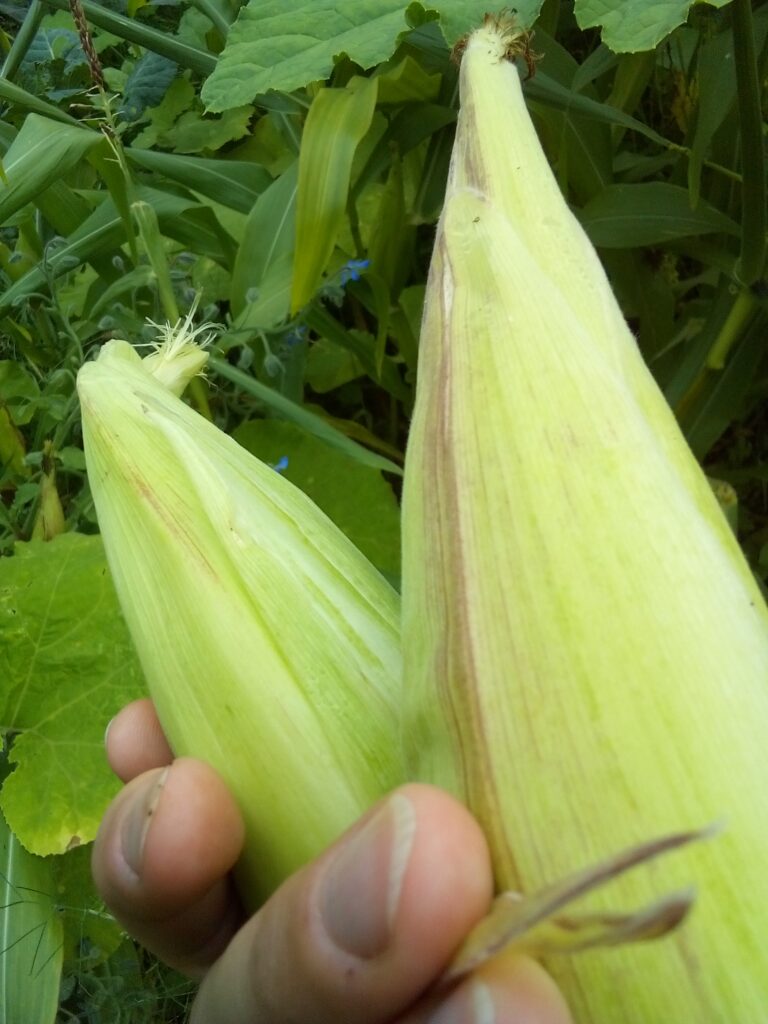
Once the cobs are ready, there isn’t much preparation involved.
- harvest the cobs
- remove the green husks
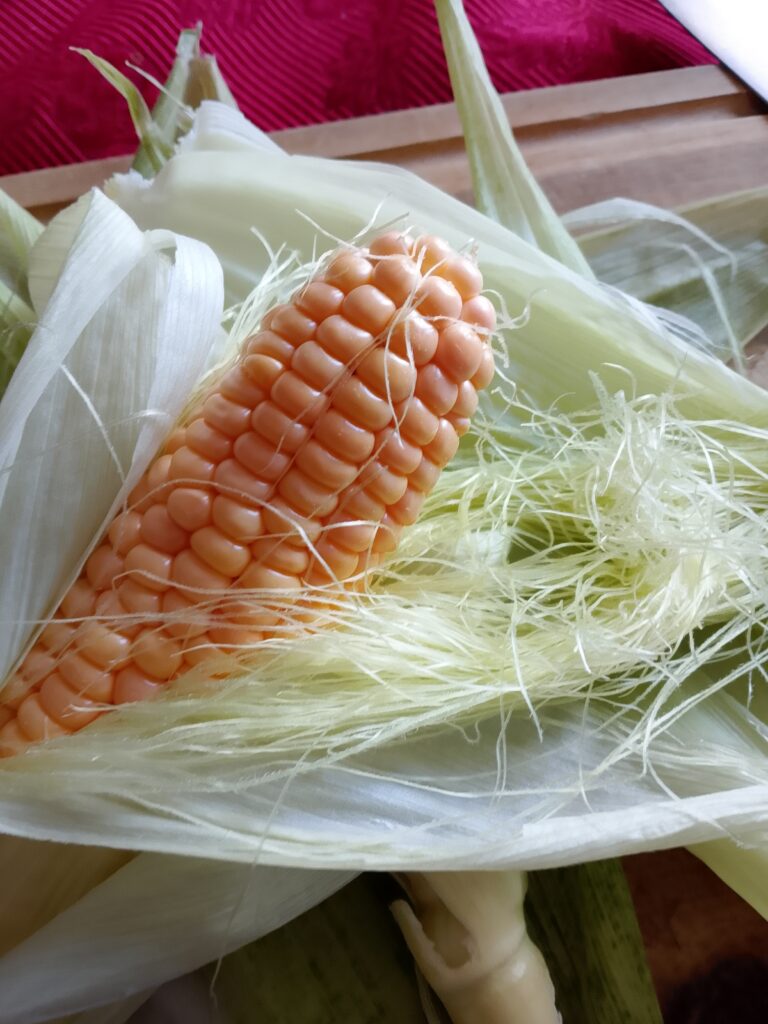
- pull away the fine corn silk
- give them a quick clean
- leave them whole or cut them into smaller pieces
And then they go into the pot.
No long ingredient list. No special corn recipe.
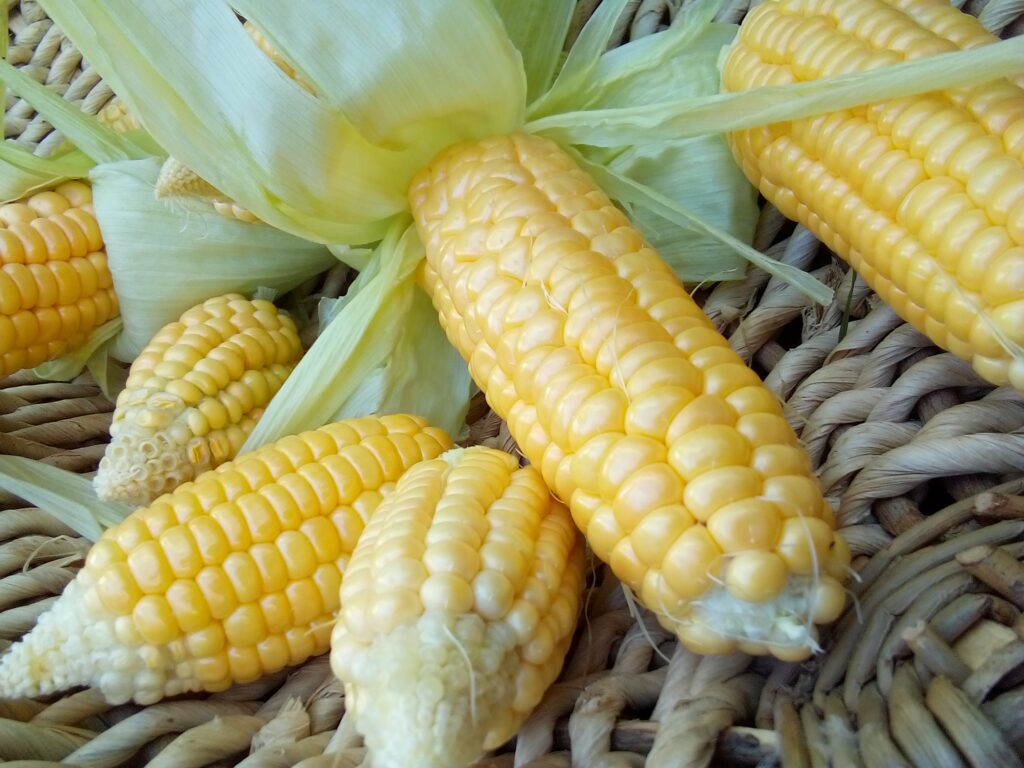
How to Boil Corn on the Cob in 10 Minutes
So, how to boil corn on the cob the way I do it?
Very simple.
You need:
- fresh corn on the cob
- a large enough pot
- water
Then:
- Bring the water to a boil.
- Add the cleaned corn cobs.
- I cook my Bantam corn for about 10 minutes.
- Take the cobs out of the water.
- Let them cool just enough that nobody burns their fingers.
- Eat.
That’s really it.
Corn can of course be different depending on size and how young it is. So I’m not saying every corn cob in every garden needs exactly ten minutes.
For our Bantam, 10 minutes in the water works very good.
And after spending months growing the plants, I quite enjoy that the kitchen part is so easy.
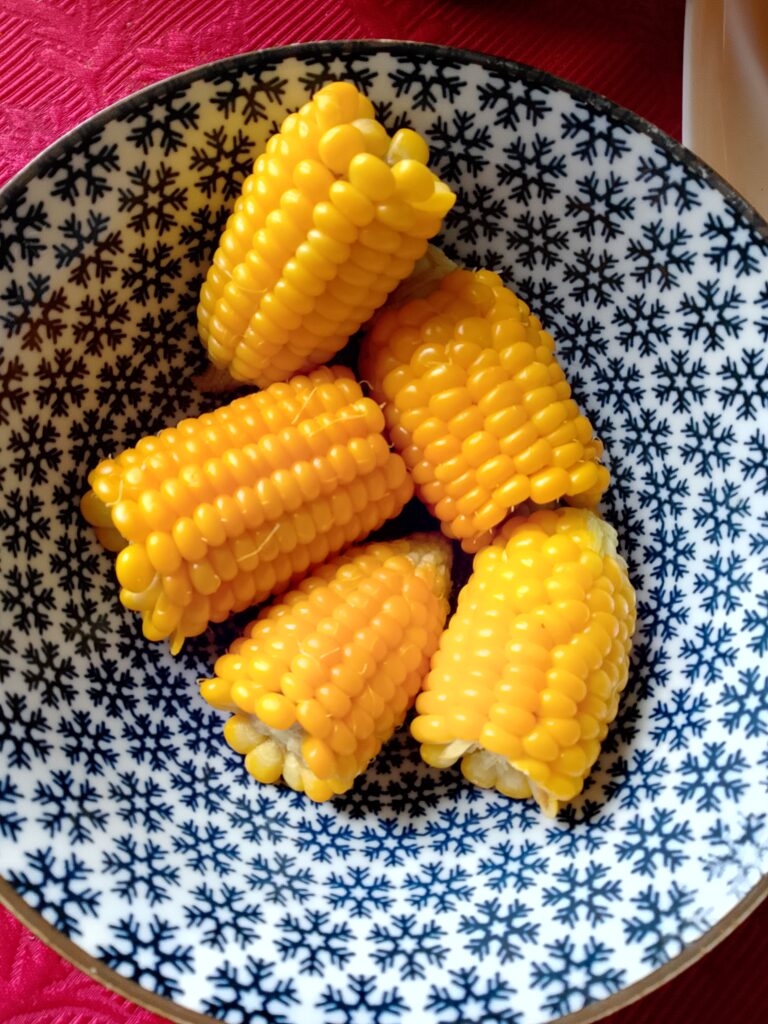
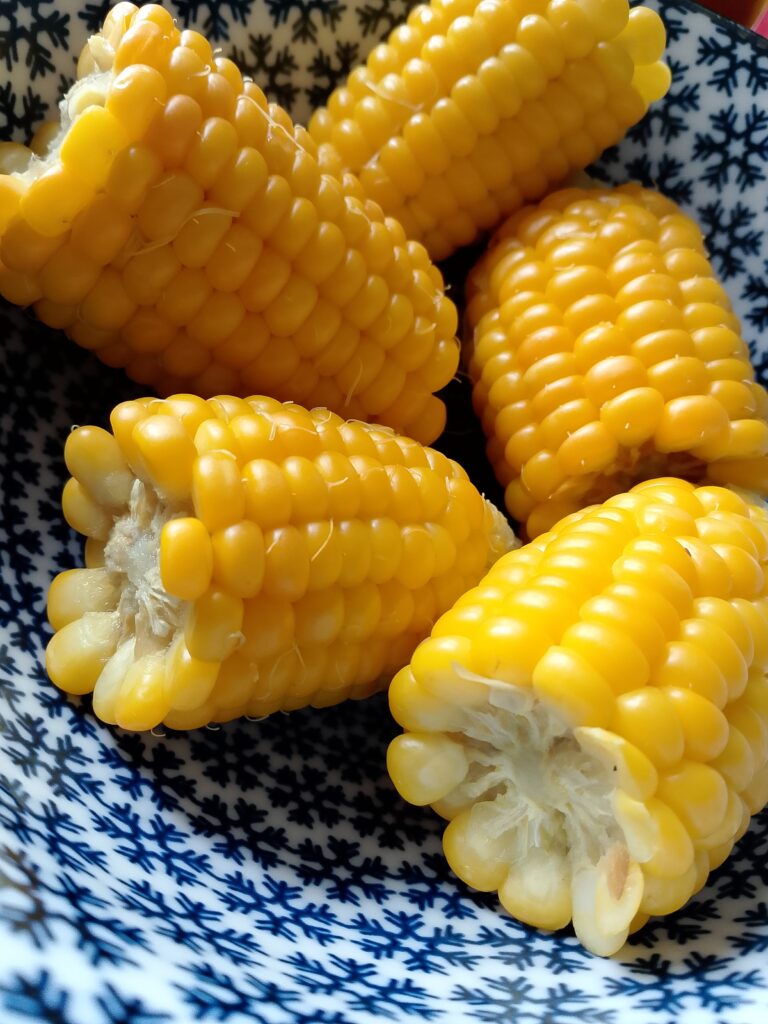
But We Don’t Eat 100 Plants Worth of Corn in Summer
This is probably the other reason I grow so much Bantam.
We can freeze it.
I don’t need to decide in August or September what winter recipe every single cob will eventually end up in.
I peel the corn, clean it and freeze what we don’t eat.
Depending on how I want to use it later, I freeze the cobs:
- whole
- cut in half
- or in smaller pieces that fit easily into a pot
And that’s it.
They wait in the freezer until we need them.
For us this works really well, because those 100 plants aren’t only food for a few weeks in summer.
A good part of them becomes winter food too.
How I Cook Frozen Corn on the Cob in Winter
How to boil corn on the cob doesn’t really become more complicated just because the corn came from my freezer.
In winter, one of my favourite ways is to put pieces of corn into beef broth and let them cook together with whatever else we’re having.
Especially with winter vegetables, this is such an easy combination.
But I don’t always need a real recipe.
Sometimes I simply cook the corn in water and put it on the table.
We eat it as:
- a warm snack
- an easy vegetable side
- part of a little vegetable plate for the kids
- an addition to beef broth
- a side for hearty winter meals
The kids like it, which makes everything much easier.
And I really love opening the freezer somewhere in the middle of winter and finding our own corn in there.
A few months before, it was standing outside in one of the sunniest places in my garden.
Now I can take out exactly what we need and put it into a pot.
I like food like this.
Nothing complicated happened to it in between.
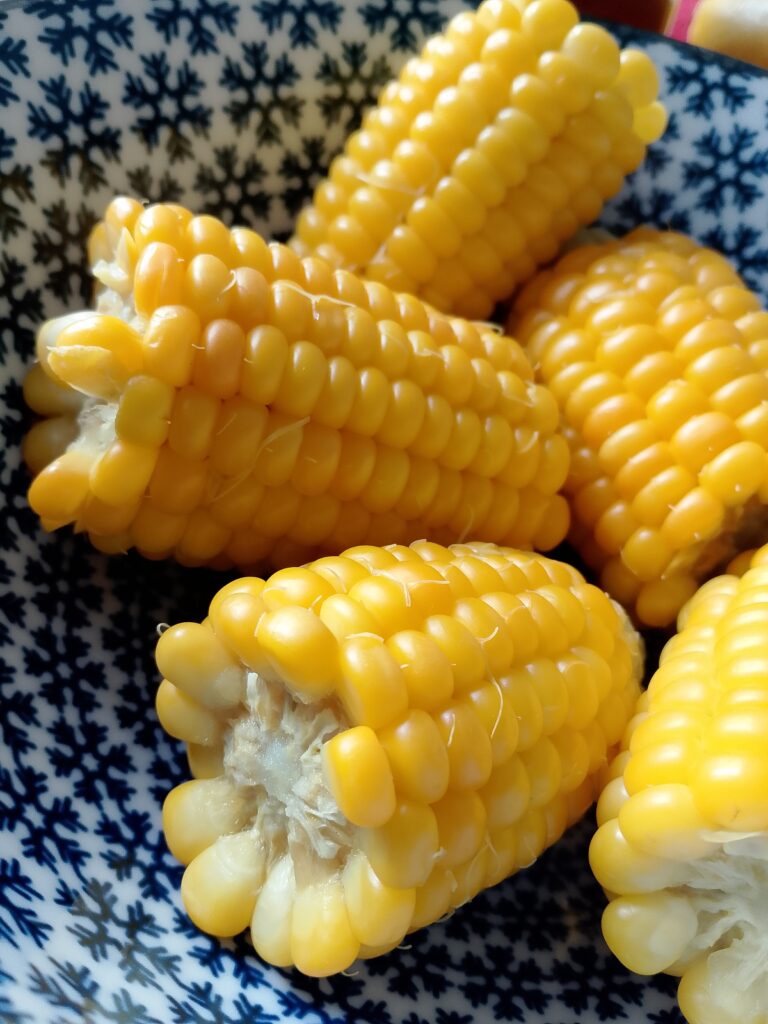
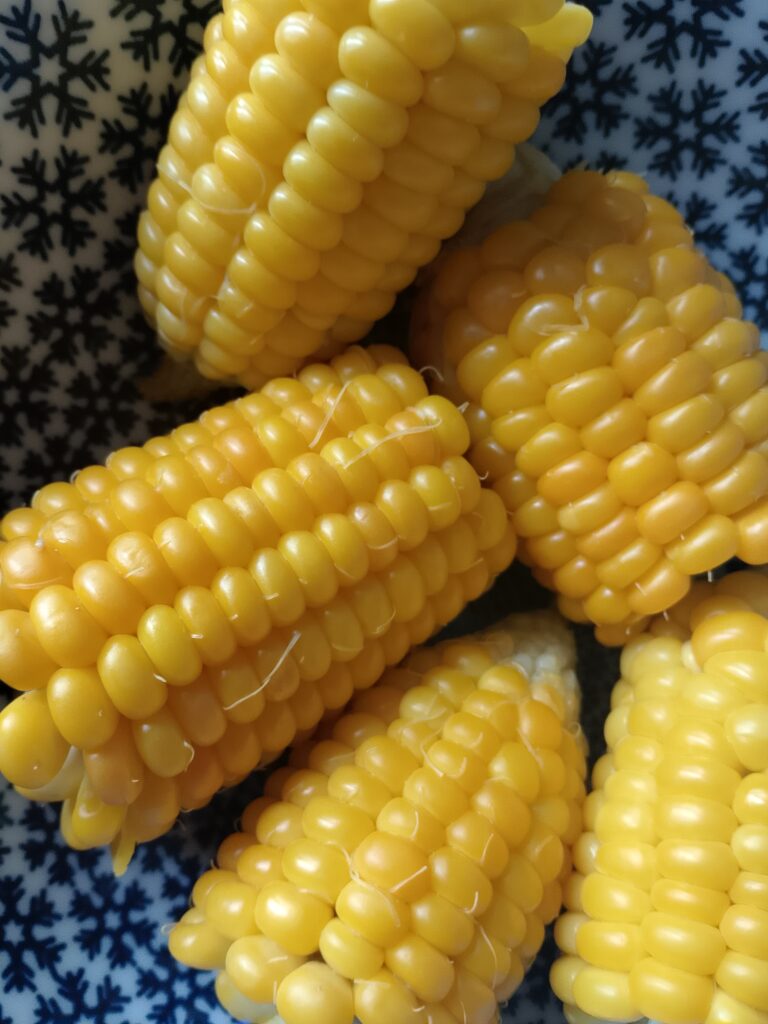
From My Garden to the Pot
Maybe that’s why Bantam keeps earning its place here.
Actually, quite a big place.
We eat it fresh during summer. I freeze the extra cobs. And during winter I can just take them out again when we want some.
So after all those months of growing, how to boil corn on the cob is the easy part:
Harvest. Peel. Cook for about 10 minutes. Eat.
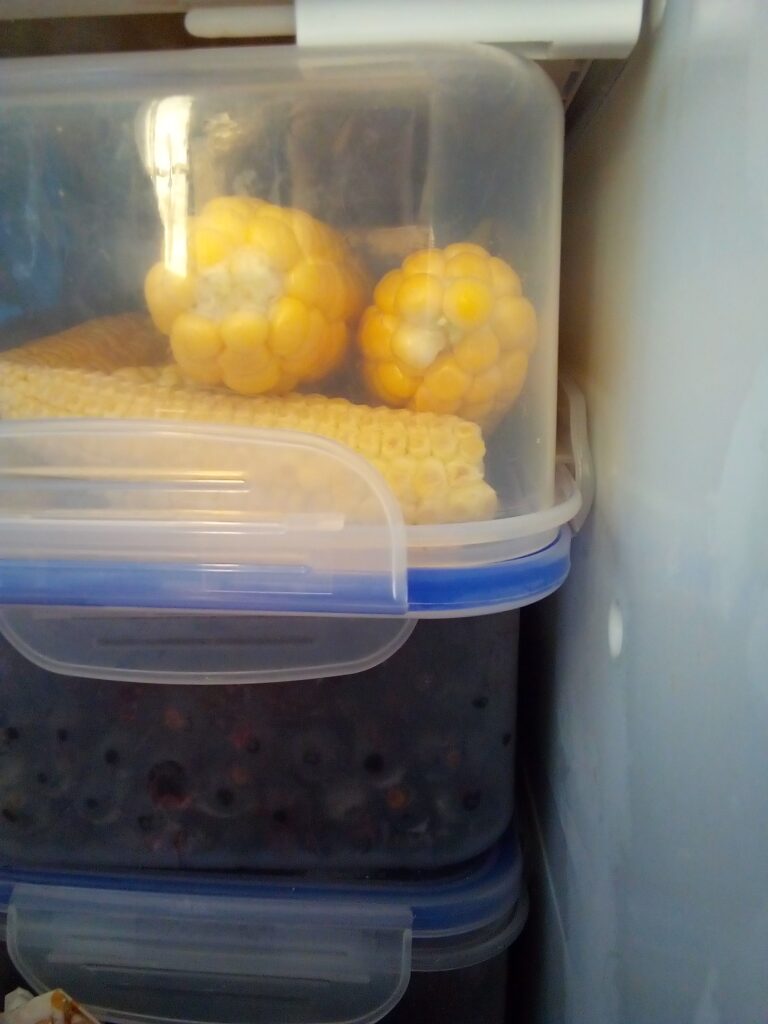
Or peel it, freeze it and save a little bit of summer for winter. I like to divide the cobs between several smaller freezer containers instead of putting the whole harvest into one big box. A multi-piece food storage set (I discovered this set on Amazon) works really well for this, because I can take out only what we actually need.
For something that takes months to grow, I really can’t complain about that.
FAQs About How to Boil Corn on the Cob
How long do I boil corn on the cob?
I boil my homegrown Bantam corn for about 10 minutes. That’s what works well for us. Very young or tender corn may be ready a little sooner, so I simply check it rather than treating ten minutes as a strict rule.
How do I boil fresh corn on the cob?
I remove the husks and corn silk, give the cob a quick clean and put it into boiling water. When I boil corn on the cob, I usually leave my Bantam corn in the water for around 10 minutes. Then it’s ready to eat.
Do I need to add anything to the water when boiling corn?
No. I usually just use water. Fresh Bantam corn already has plenty of flavour for us, so I don’t make it more complicated than it needs to be.
Can I freeze fresh corn on the cob?
Yes, this is actually one of the reasons I grow so much of it. I peel the corn and freeze the cobs whole or cut them into smaller pieces, depending on how I want to use them later.
What can I do with frozen corn on the cob?
In winter I often cook pieces of our frozen corn in beef broth or simply in water. We eat it as a warm snack, an easy vegetable side or together with other vegetables in a winter meal.
Why do I grow Bantam corn?
I also grow popcorn corn and tortilla corn, but Bantam has really proven itself in our garden. The whole family enjoys eating it fresh, it’s very easy to prepare, and I can freeze our extra harvest for winter. That’s why Bantam gets one of the sunniest spots in my garden — and around 100 plants this year.