When to start gardening after winter is a question many gardeners ask every year. Many guides say the same thing: once the soil is not frozen anymore, it is time to start gardening.
But if you worked a few seasons with real garden soil, you notice quite fast it is not so simple.
Just because the ground is not frozen anymore doesn’t mean the garden is ready. Often the soil is still full of water from winter rain or snow melt. And if you start digging too early, you can actually damage the soil structure.
In permaculture we usually watch the garden a bit longer before we start the real work.
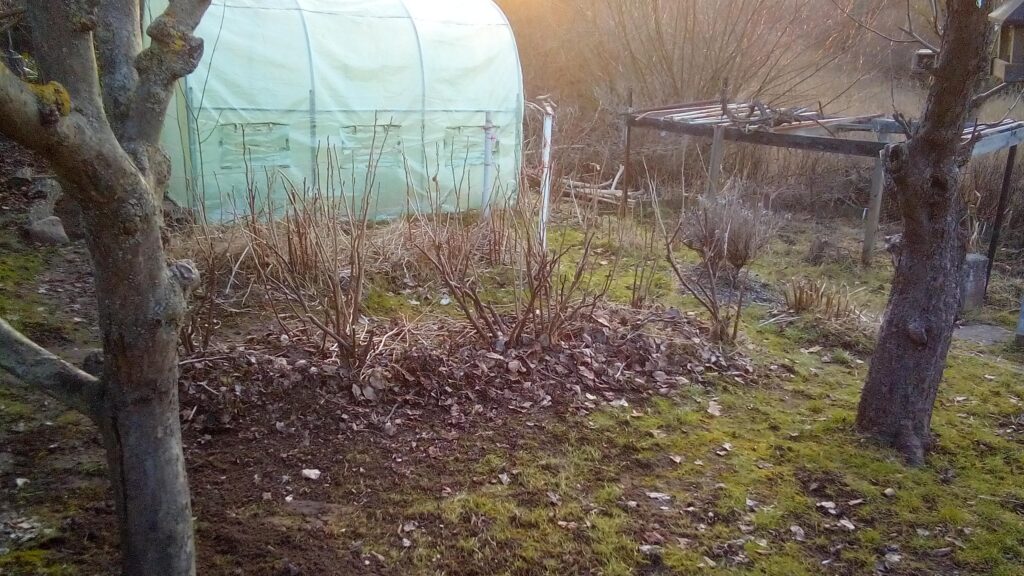
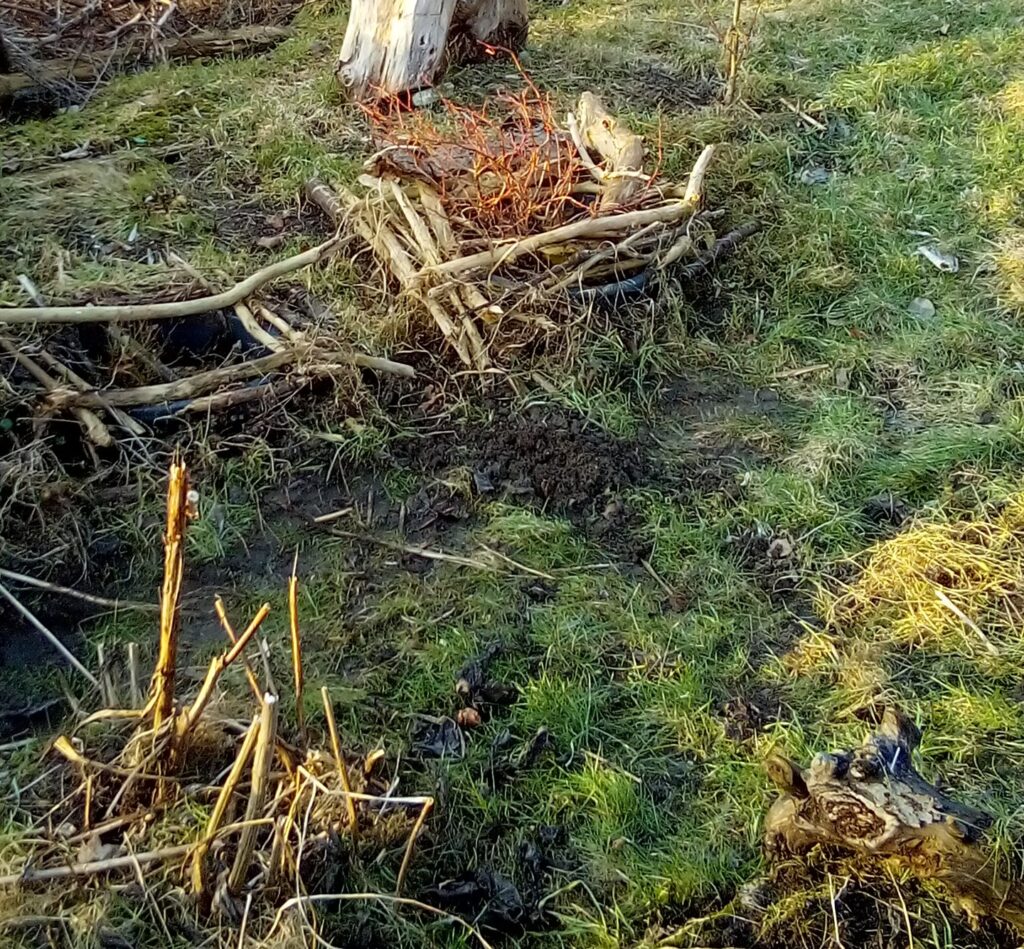
1. The Soil Crumbles Instead of Sticking
The first thing to check is always the soil.
Take a handful and press it a little in your hand. If it stays like a wet lump, the soil is still too wet. Working it now will compress the soil and the roots later will not like it so much.
You can also try another small test: drop the soil from your hand. If it falls apart easily, the structure is usually ready again for garden work.
But if the soil falls apart again and looks crumbly, that is usually a good sign. Air is coming back into the soil and the soil life slowly wakes up again.
Then you can start with small garden tasks.
2. The First Indicator Plants Show Up
Nature usually starts before we do.
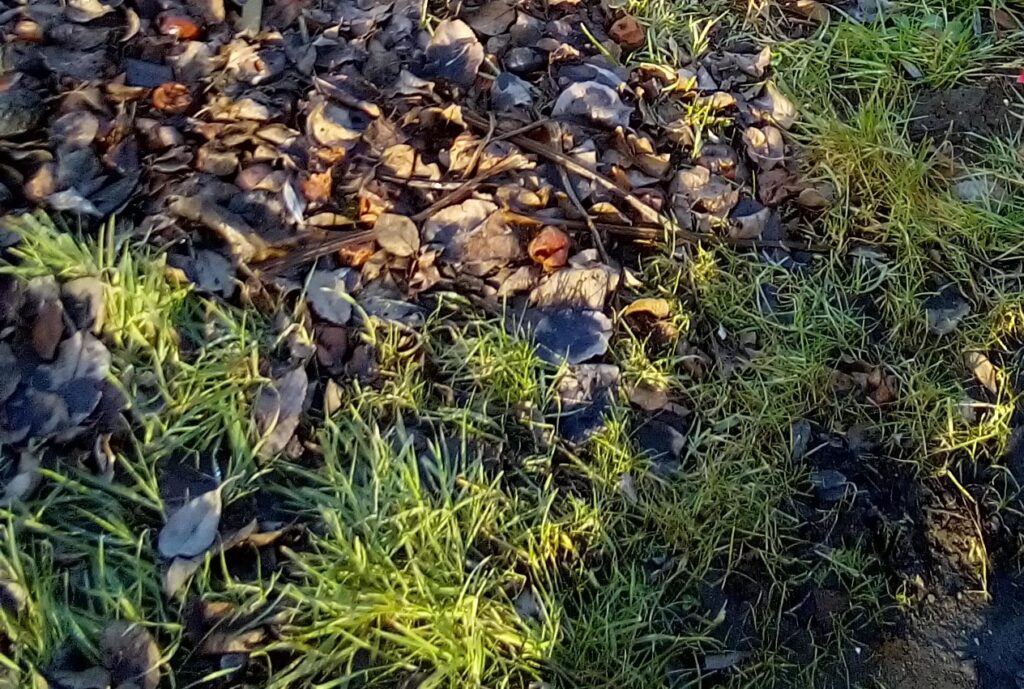
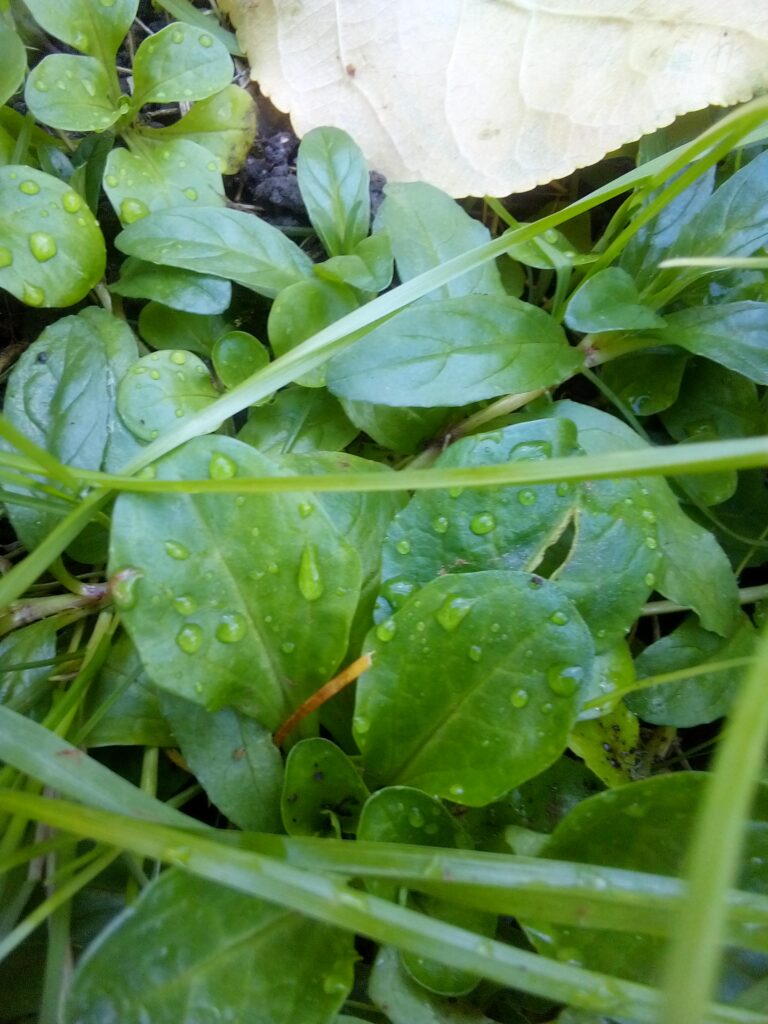
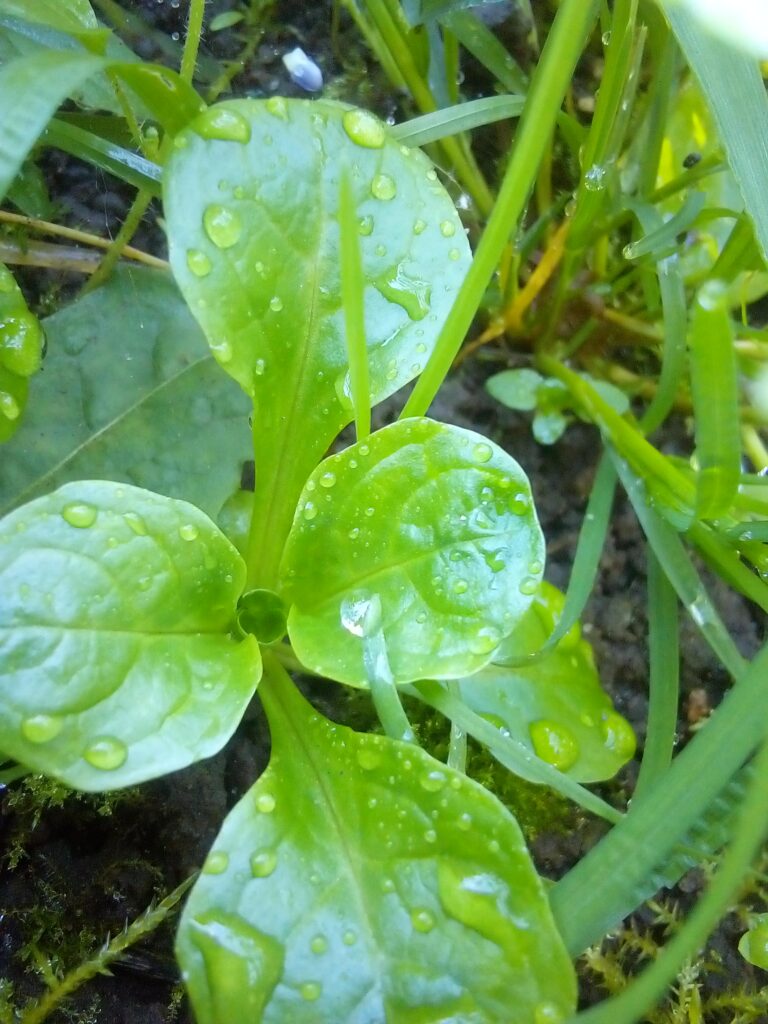
When the first plants like chickweed, nettles or dandelions appear again, it means the soil temperature is slowly rising. Many experienced gardeners actually trust these plants more than the calendar.
They are kind of a natural planting signal.
3. Water Starts Moving Through the Soil
Another thing many gardeners notice in early spring is how water behaves in the garden.
After winter the ground often holds water everywhere. Small puddles stay for days. But when the soil warms up a bit, the water slowly disappears faster again.
The soil starts breathing again, you could say.
That is often the moment when adding compost, preparing beds or planting the first cool season crops starts to make sense.
Spring Gardening Usually Starts Quiet
The garden season rarely begins with planting everything in one day.
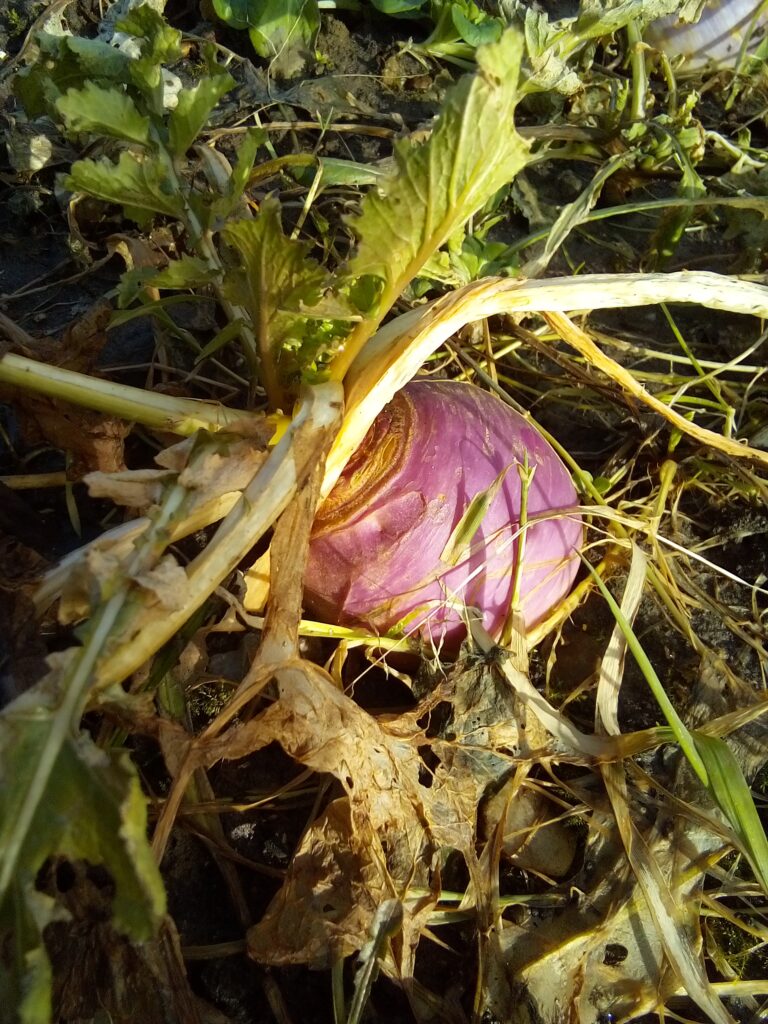
More often it begins with small things. Cleaning beds, spreading compost, watching worms appear again in the soil.
And sometimes the signs are even a bit funny.
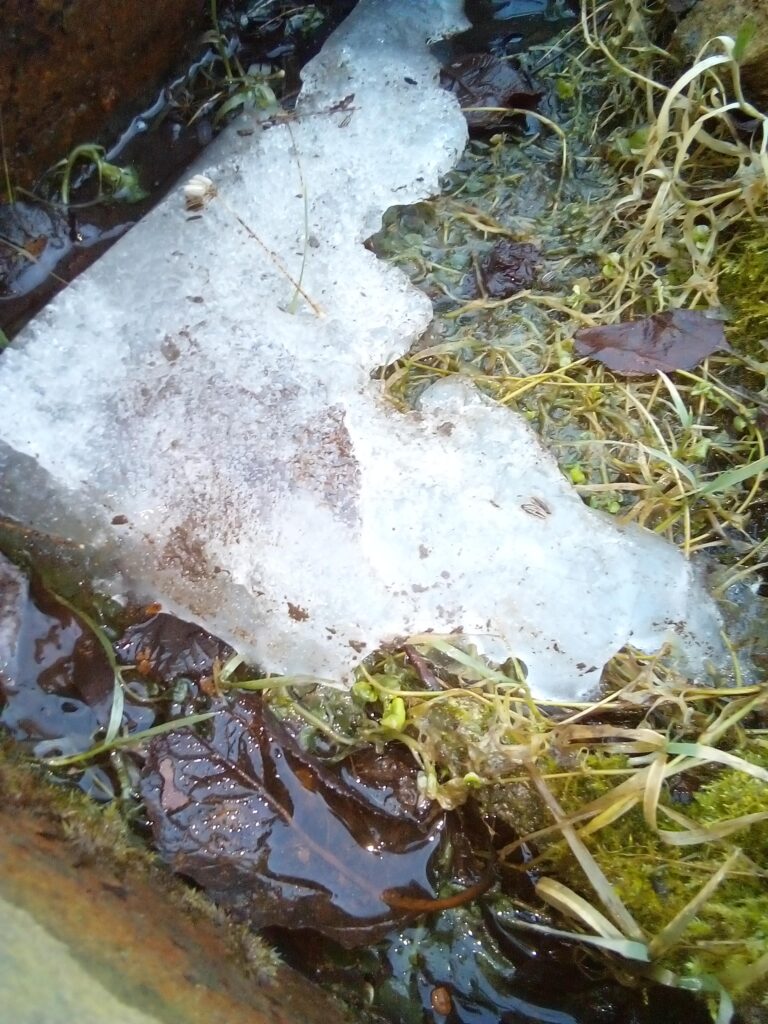
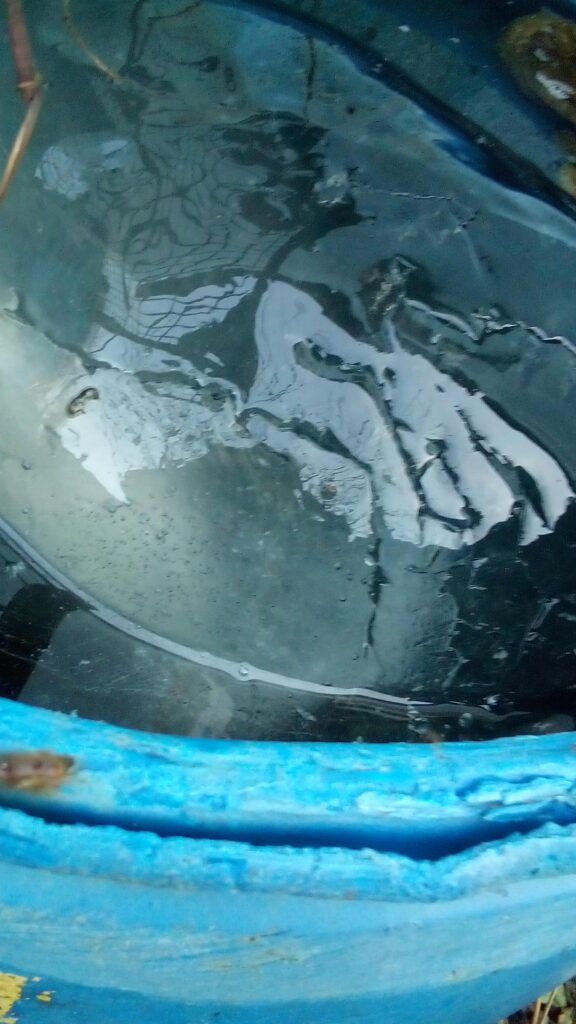
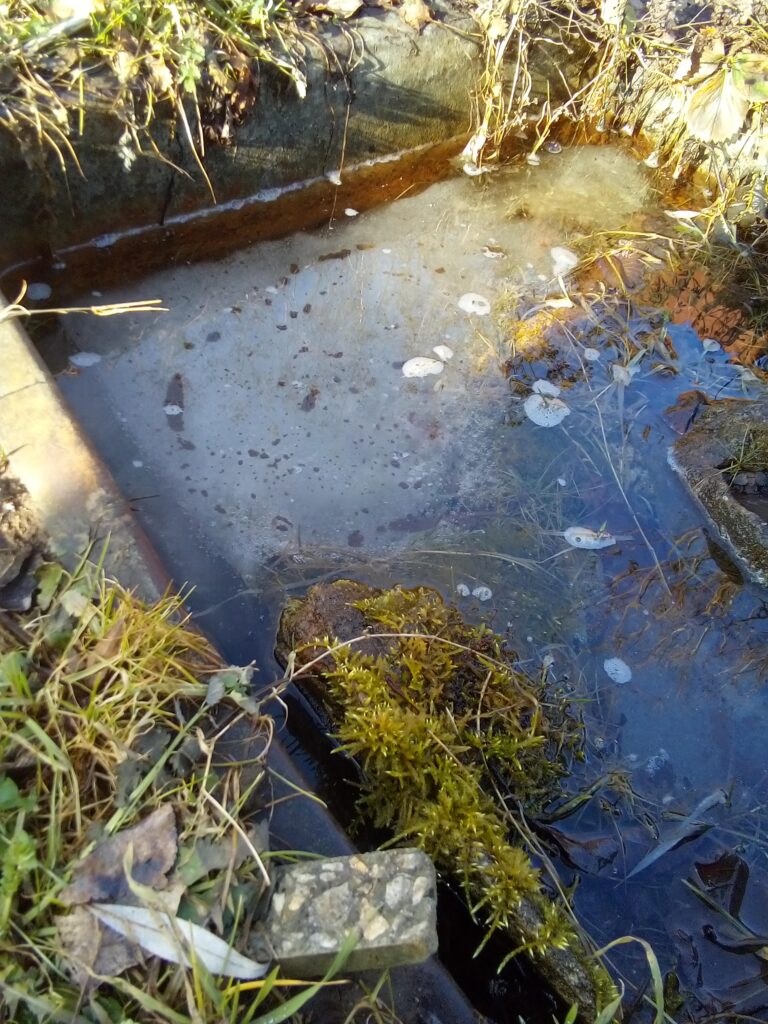
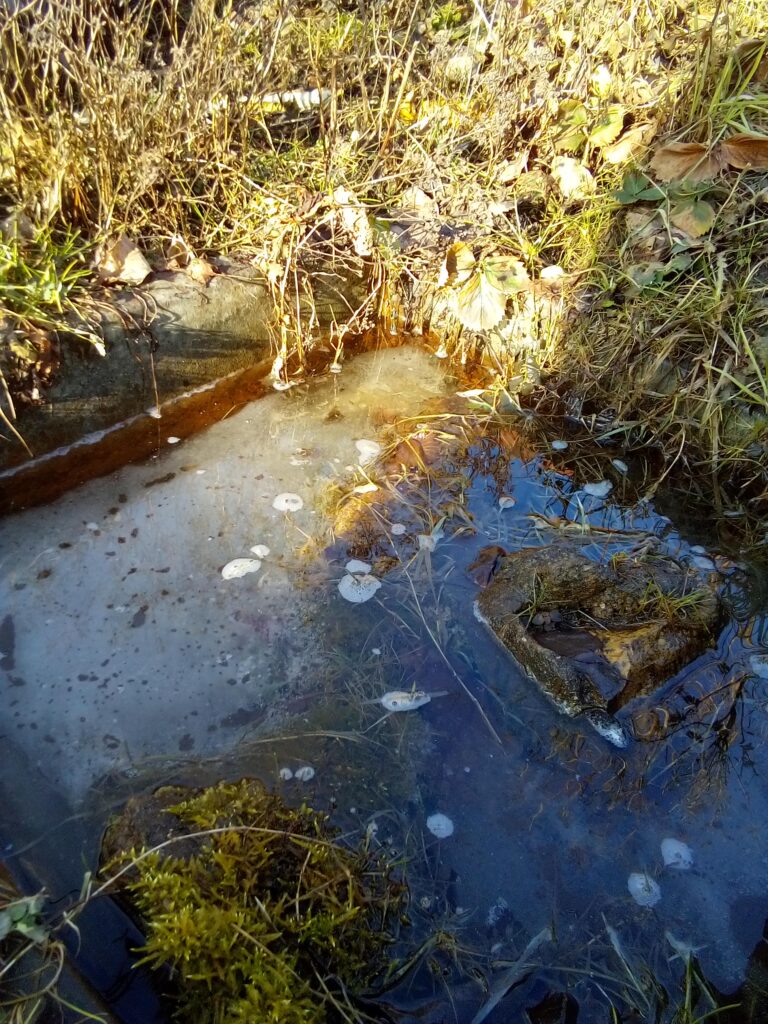
Like the moment when the ice block in the rain barrel suddenly starts floating around and dancing Cumbia in the water.
You can see that little moment from my garden in the short video below.
The First Thing I Do After Winter: Start the Compost
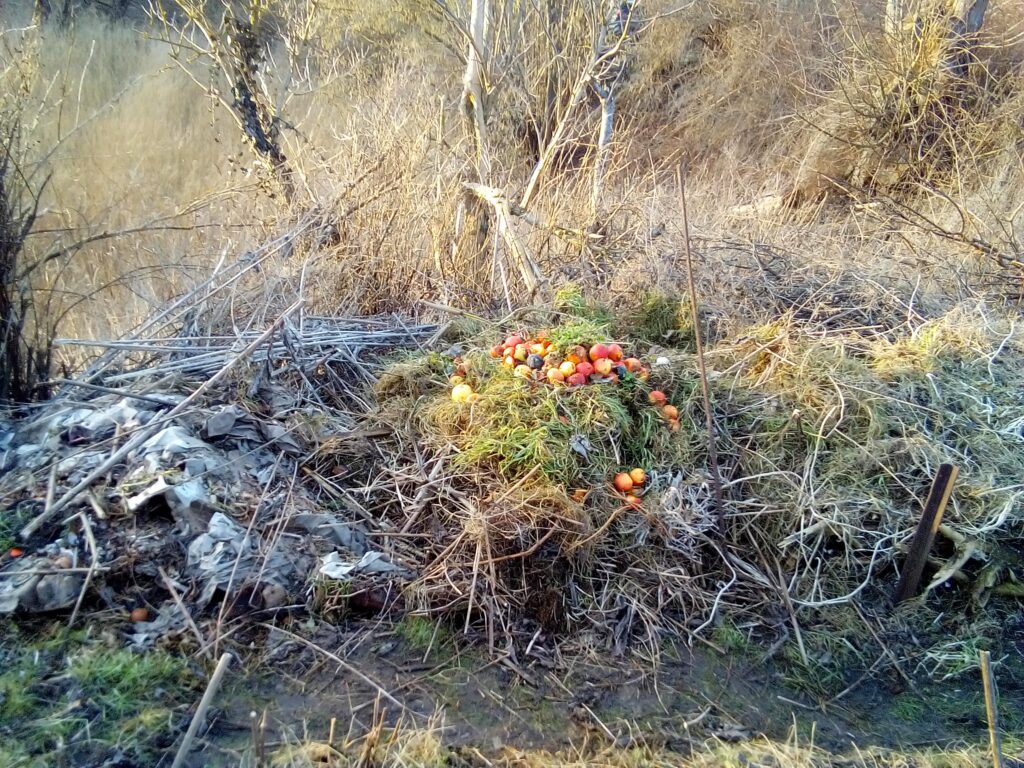
Before I plant anything, I usually start with the compost pile.
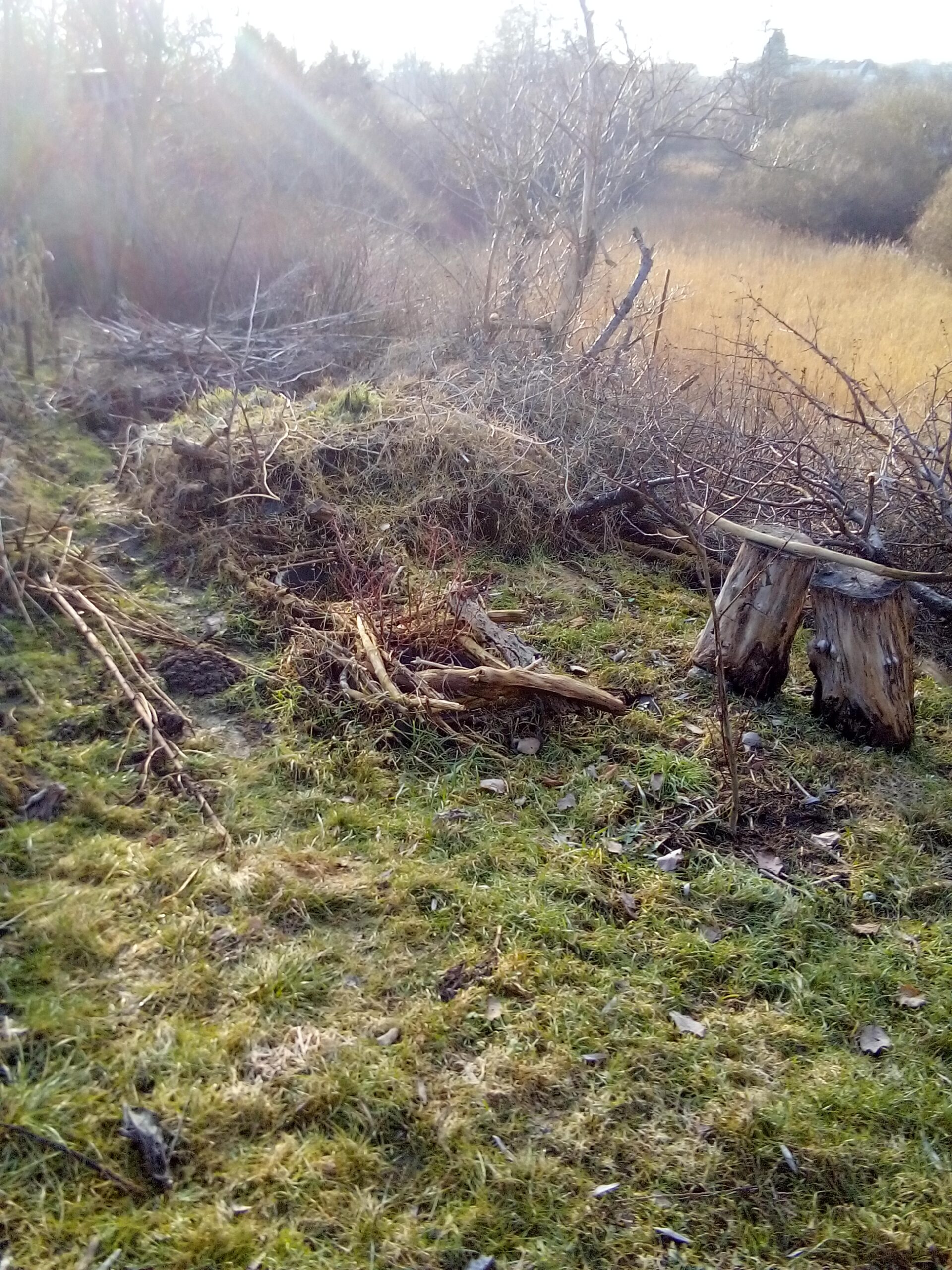
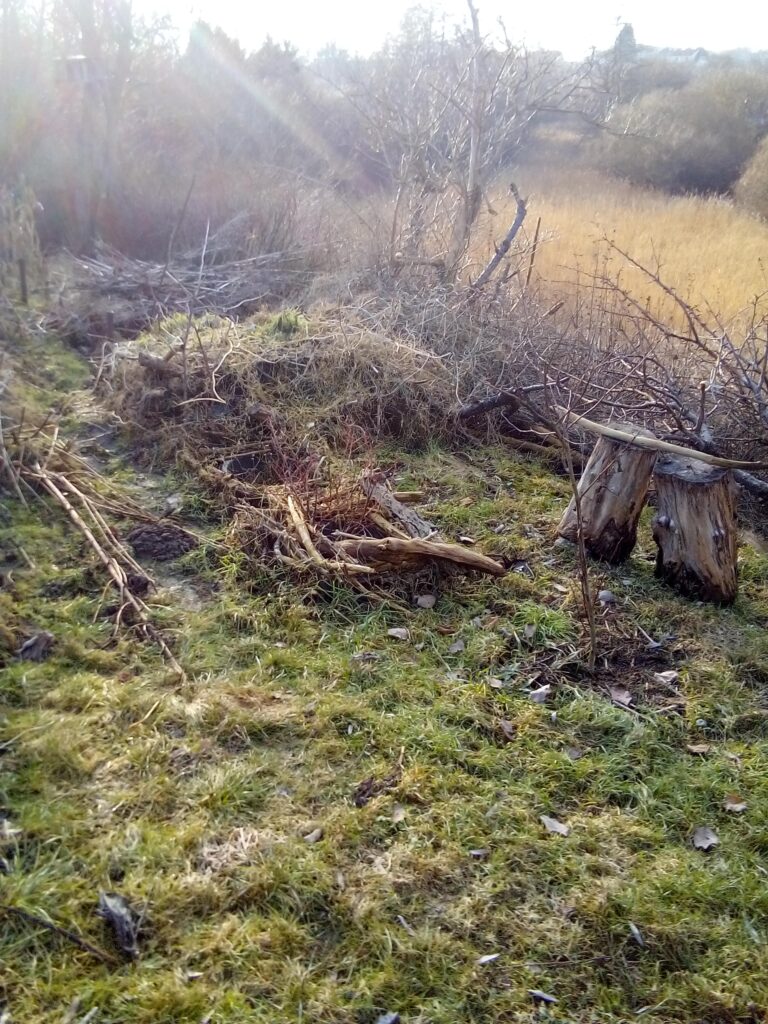
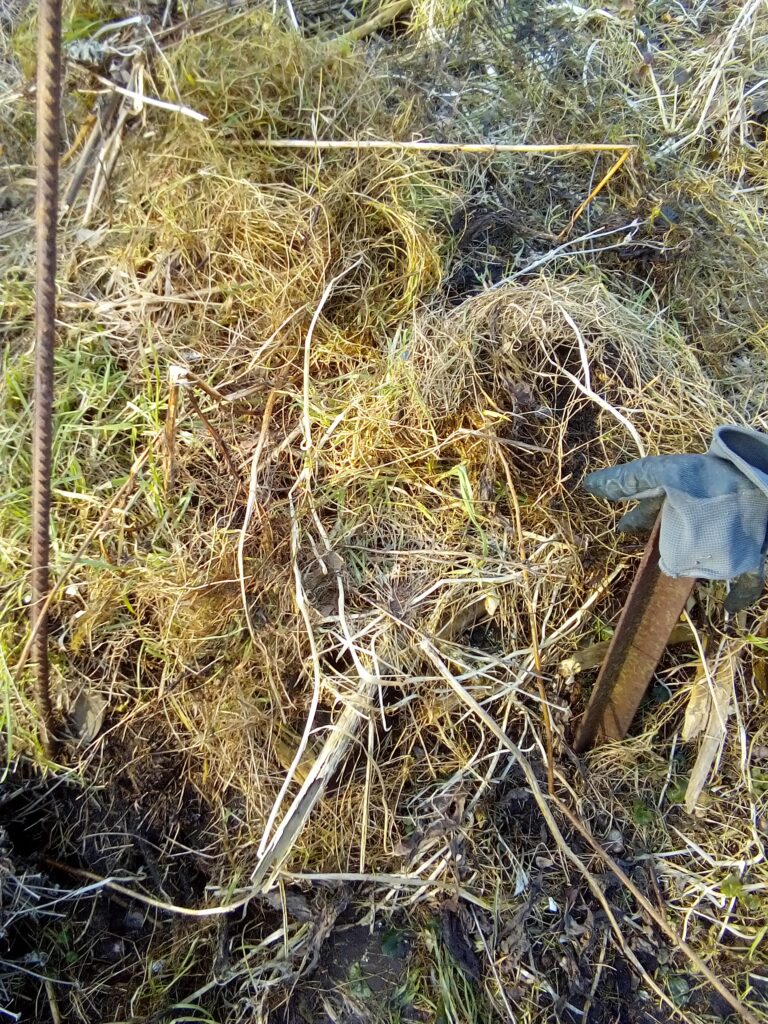
After winter there are always dry stems, little branches, old leaves, and seed heads the birds didn’t finish eating. So anyway I have to clean the beds a bit. Instead of throwing it away, it just goes straight on the compost.
It makes sense to start there. You clear the garden and at the same time you make new soil for the season.
If you want to see how I start a compost pile step by step, I wrote it here: How to Start a Compost Pile step by step
Most years the garden season begins not with seeds, but with the compost. And when it finally comes to planting, I also prefer to work with open-pollinated seeds, which I wrote about here: Why I Choos open-pollinated Seeds.
FAQs
When is the best time to start gardening after winter?
The best time to start gardening after winter is when the soil is no longer frozen and begins to crumble instead of sticking together. Many gardeners also watch natural signs like early plants growing again and water draining properly through the soil.
Can I start gardening as soon as the frost is gone?
Not always. Even if the frost is gone, the soil may still be too wet from snow melt or winter rain. Working the garden too early can damage the soil structure and compress the ground.
What plants show that spring gardening can begin?
Early indicator plants like chickweed, nettles, and dandelions often appear when soil temperatures slowly start rising. Many experienced gardeners use these plants as natural signals that the garden season is beginning.
Why is wet soil a problem in early spring?
Wet soil can easily become compacted when you dig or walk on it. Compacted soil makes it harder for roots to grow and reduces air in the soil, which plants and microorganisms both need.
What garden tasks can I start first in spring?
Early spring gardening often starts with simple tasks like cleaning garden beds, adding compost, preparing soil, and planting cool-season crops such as spinach, peas, or lettuce. If you’re not sure how to start a compost pile or what materials work well together, I wrote a small step-by-step guide here: How to Start a Compost Pile step by step
How do permaculture gardeners decide when to start gardening?
In permaculture, gardeners often watch natural signals instead of the calendar. Soil structure, indicator plants, water movement, insects, and worms returning to the soil can all show that the garden is waking up again.