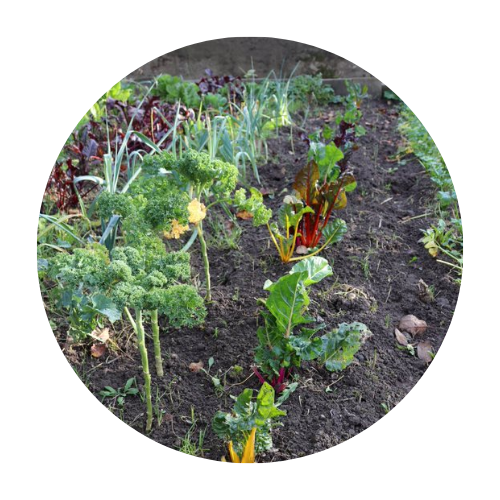
What to Seed First in Early Spring (Even When the Garden Is Still Messy)
The first real garden days after winter always feel a bit chaotic.
There are beds to clean. Compost to turn. Old stems to remove. Tools hiding somewhere under leaves. Most of the work isn’t glamorous at all — it’s preparation.
But I learned something important over the years:
I always try to do at least one beautiful thing in the garden.
Even on those messy early days.
Sometimes it’s harvesting the first herbs that survived winter.
Sometimes it’s planting just a few seeds.
It reminds me why I’m doing all this work in the first place.
My grandma Frida used to smile when I rushed into big garden projects.
“Emma, never start the season with only chores. Plant something. The garden needs hope.”
So while I was preparing the compost beds this week — and tidying things up after winter — I also sowed four simple crops that love cool spring soil.
(And yes, English isn’t my first language — so sometimes my sentences may sound a little “German”. But the seeds still grow just fine.)
Spinach
Spinach is one of the first vegetables I sow each year.
It loves cool temperatures and germinates surprisingly well in early spring.
I make shallow rows, about 1 cm deep, sprinkle the seeds, and gently press the soil.
Sometimes I almost write:
“Today I seeded spinach.”
But the correct English would be:
Today I sowed spinach.
Gardening teaches patience — and apparently also grammar.
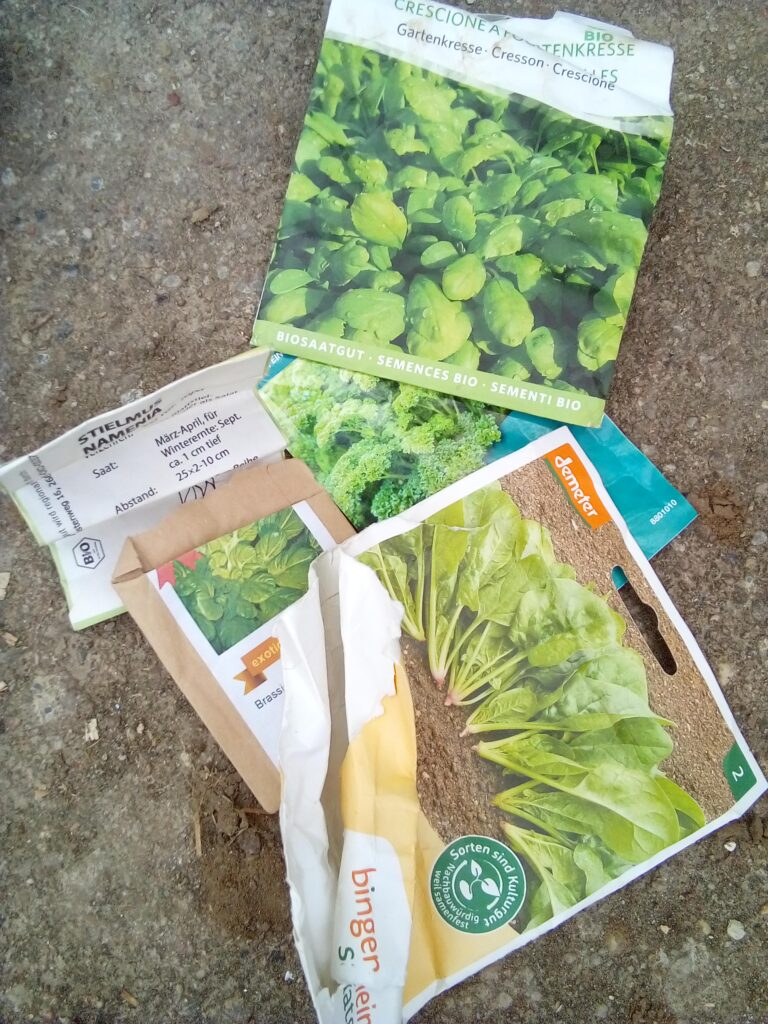
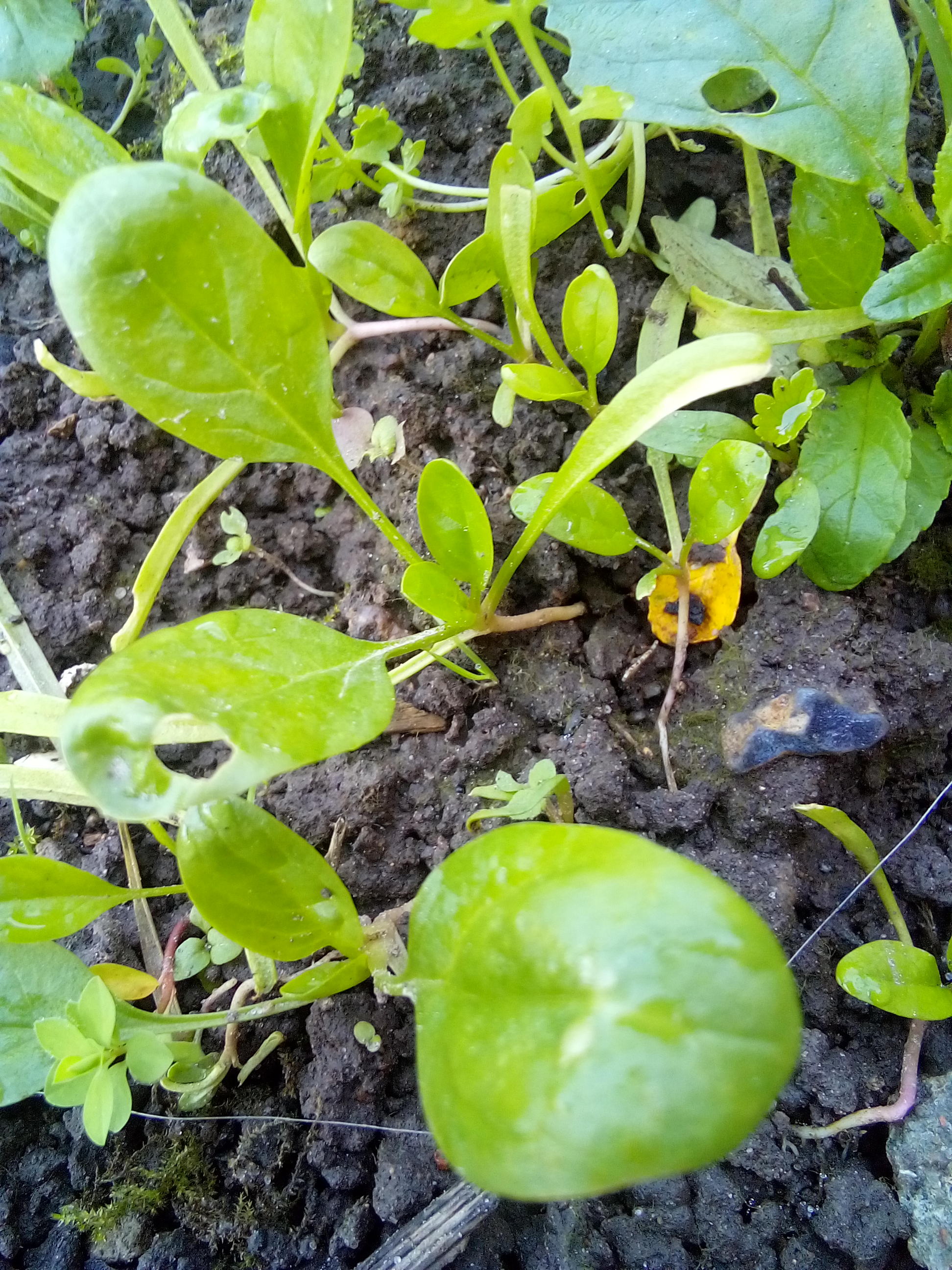
Turnip Greens (Stielmus)
Turnip greens grow incredibly fast. Within just a few weeks, you can already harvest the young leaves.
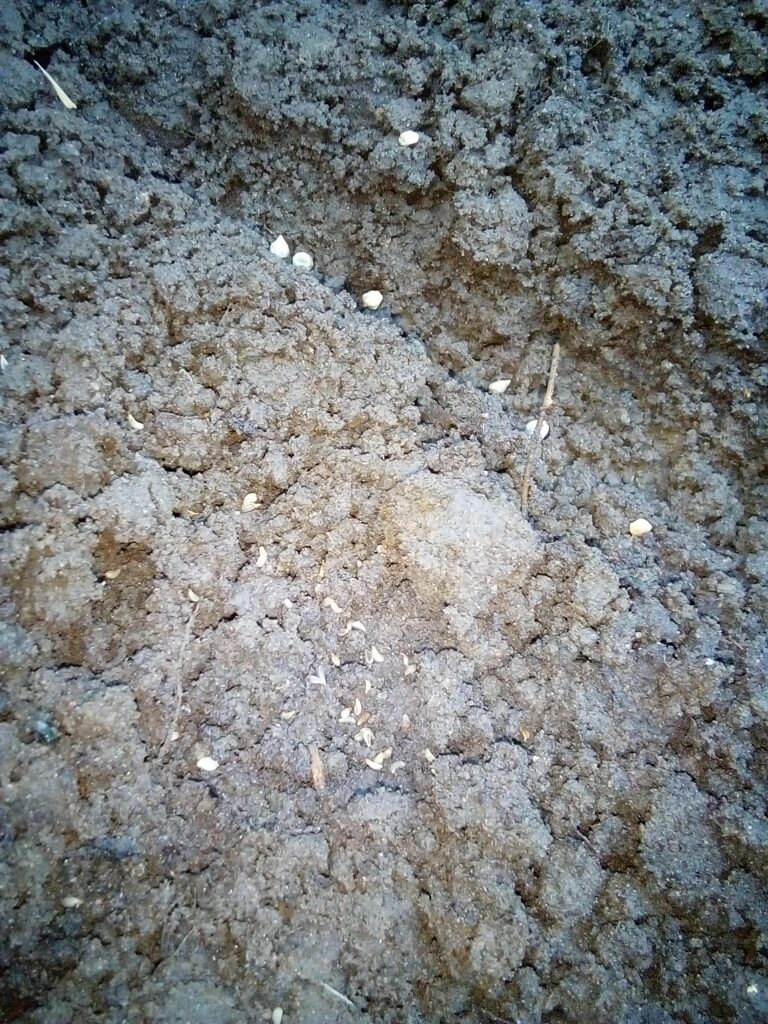
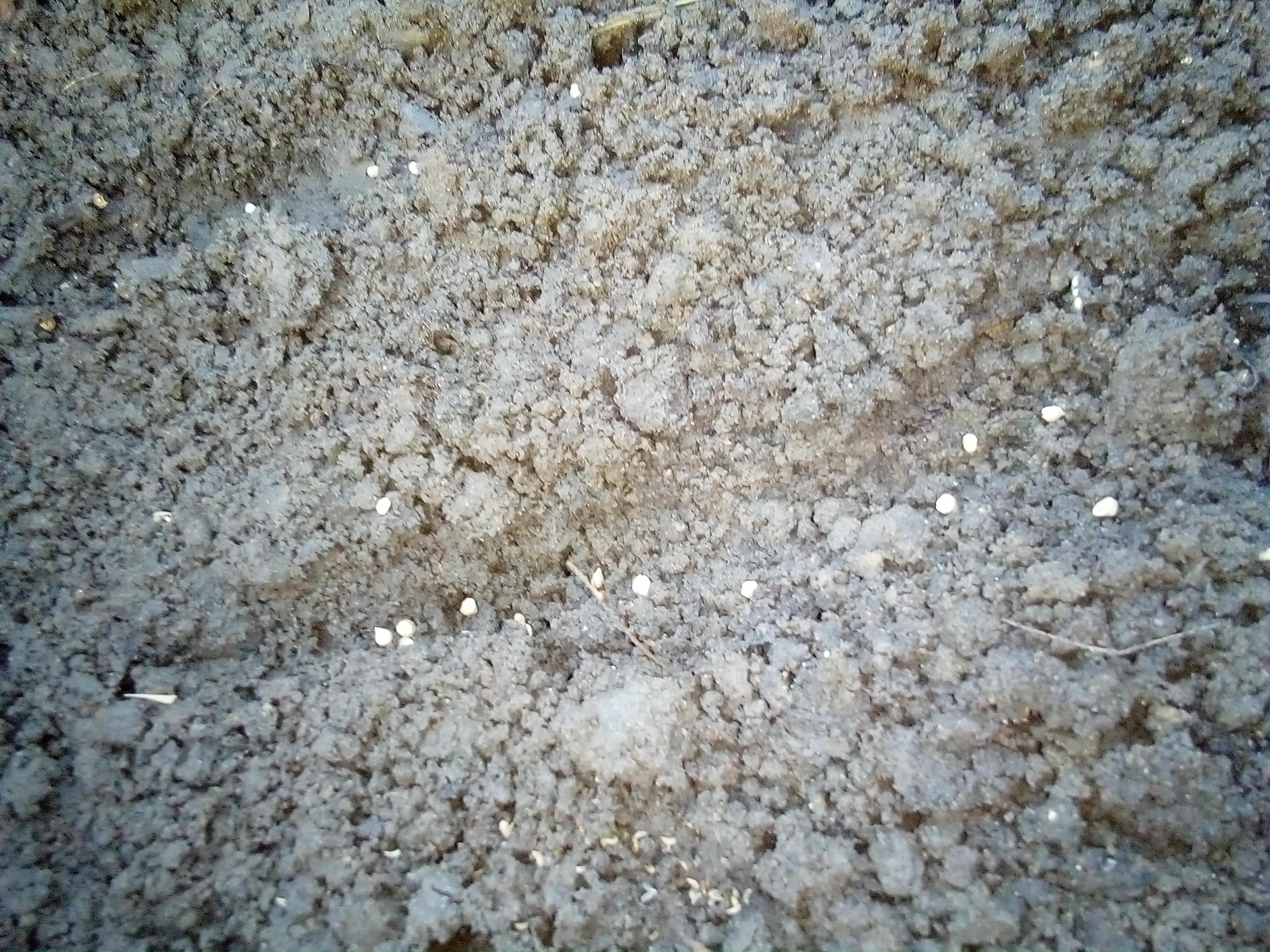
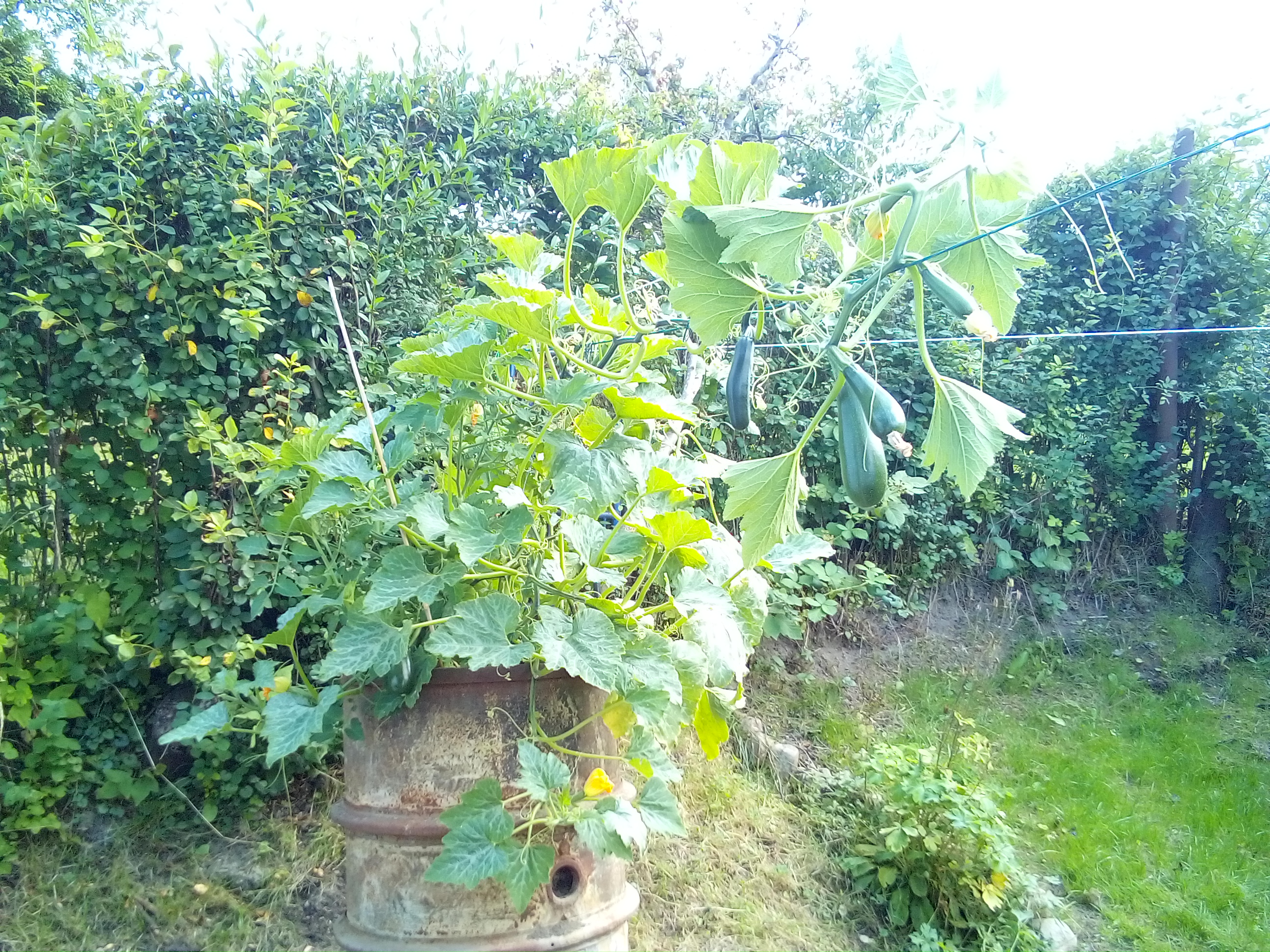
I sow them in small rows on the sunnier side of my raised bed. This little raised bed is actually made from an old barrel and sits in the midday sun — one of the warmest spots in my garden in early spring.
The soil warms up a bit faster there, which makes it a perfect place for early greens like turnip tops.
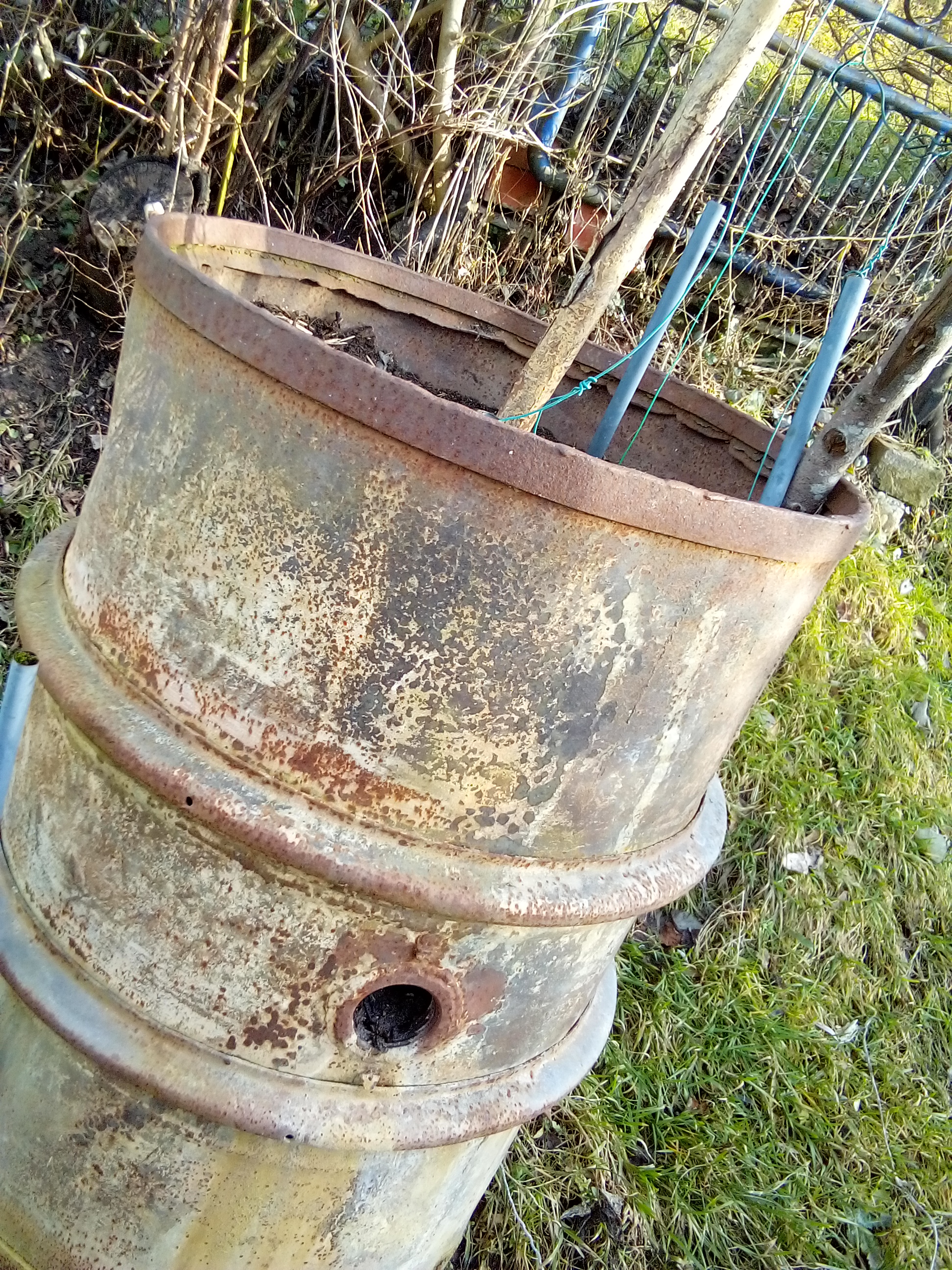
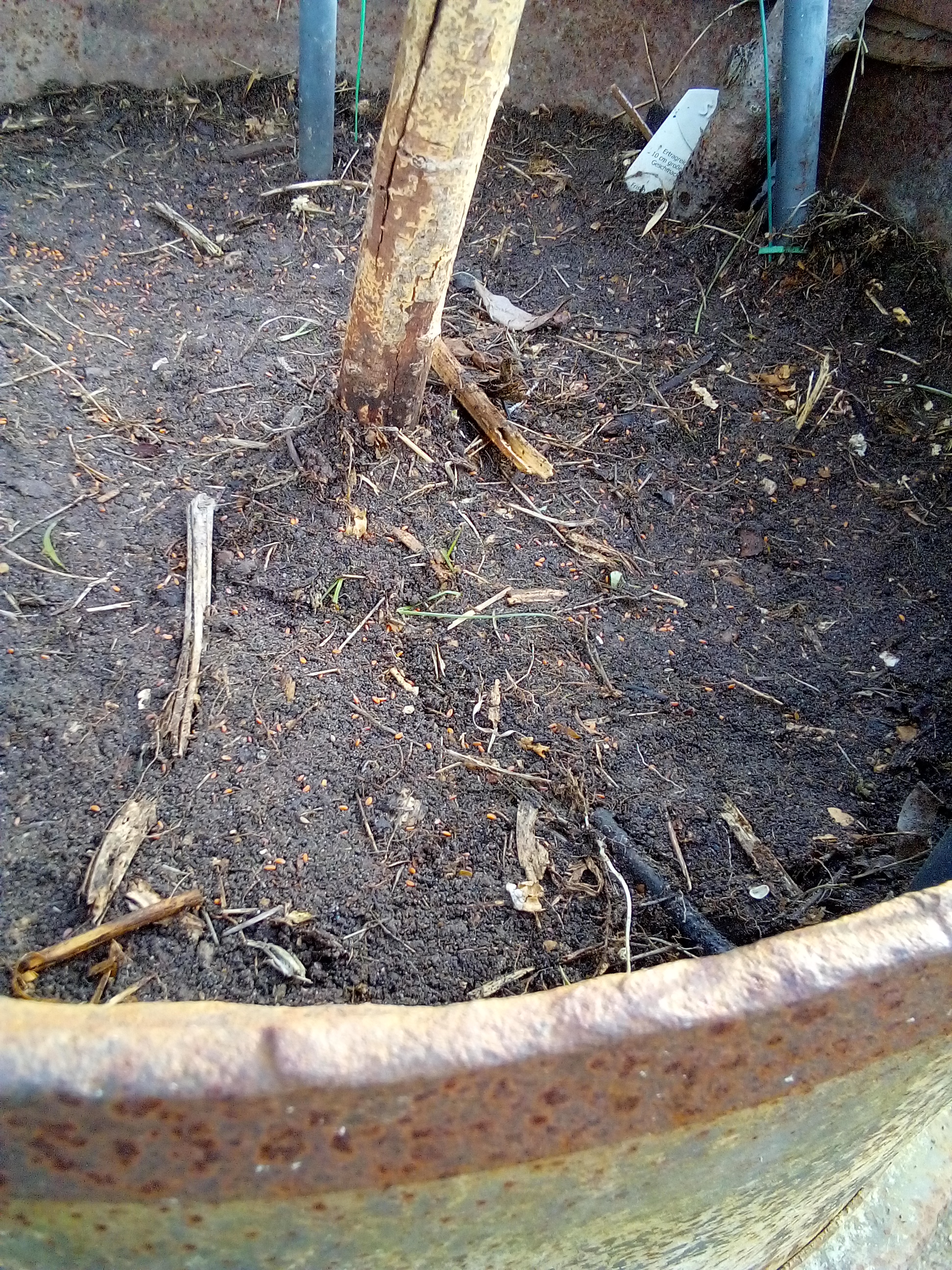
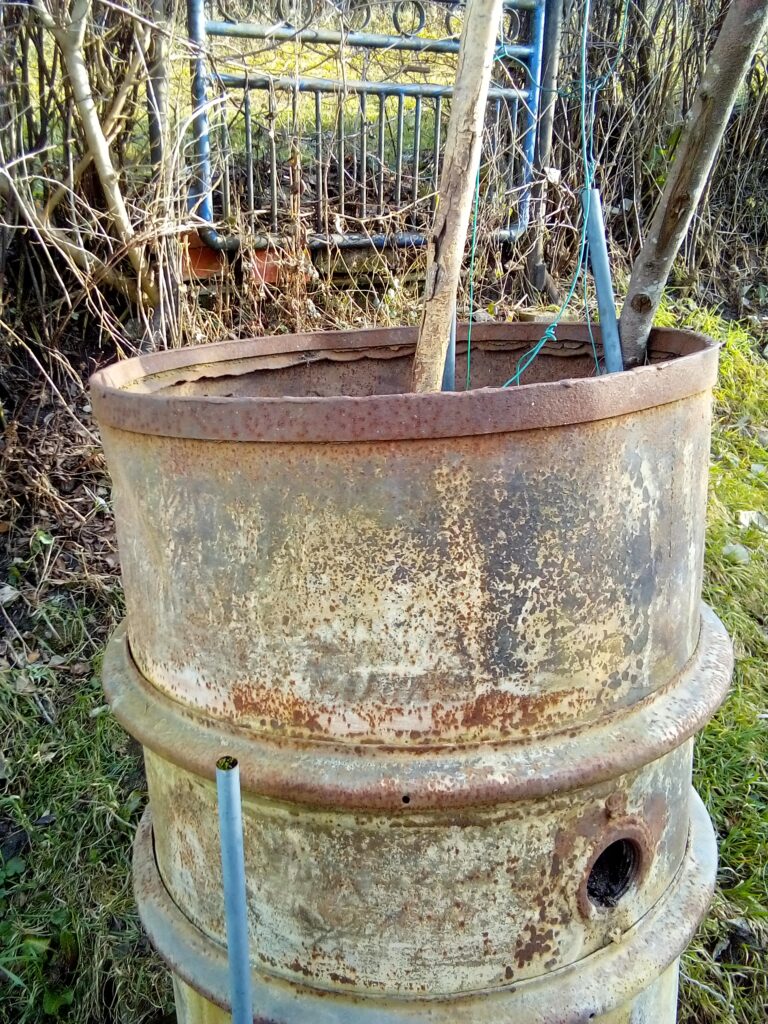
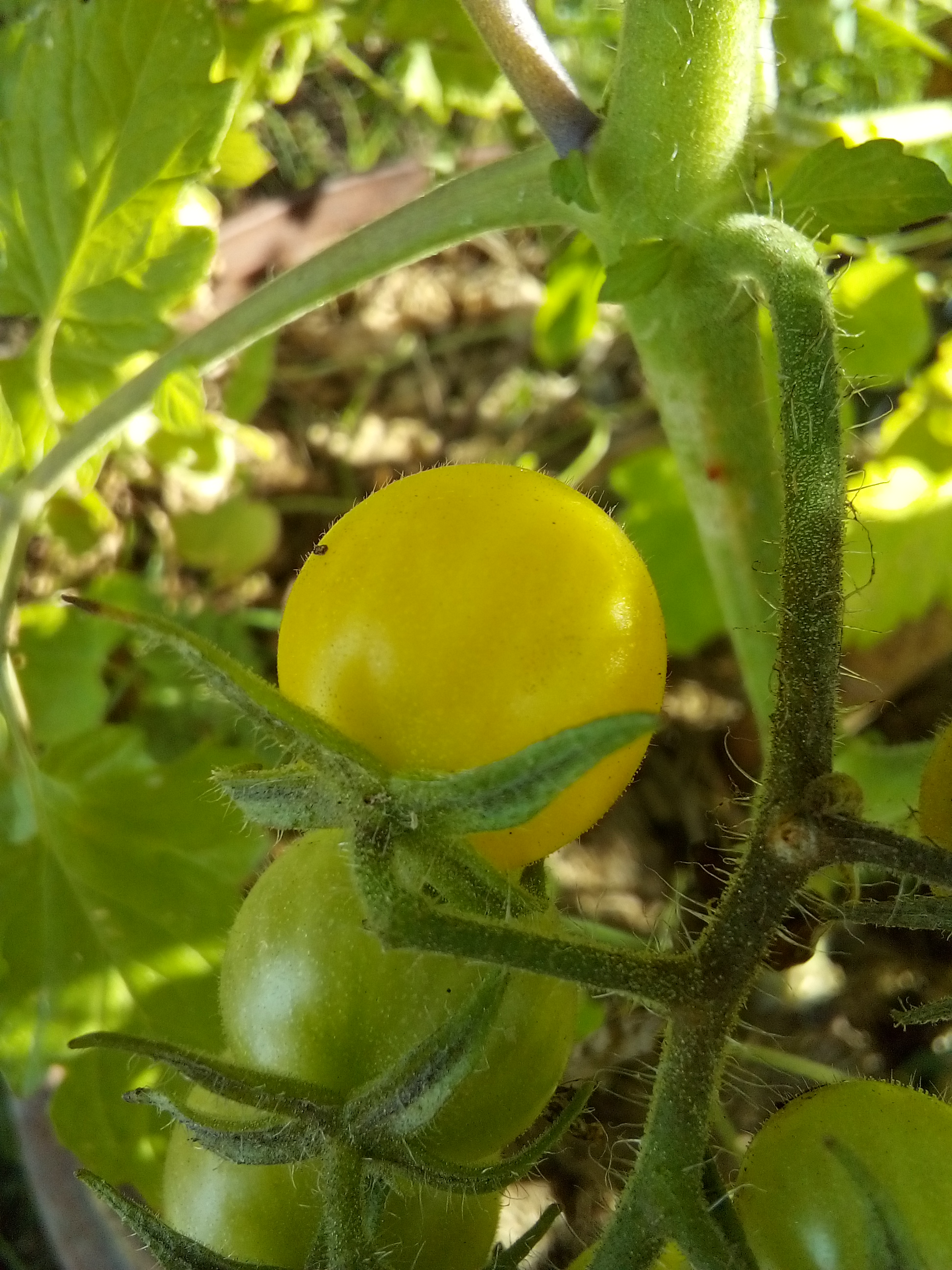
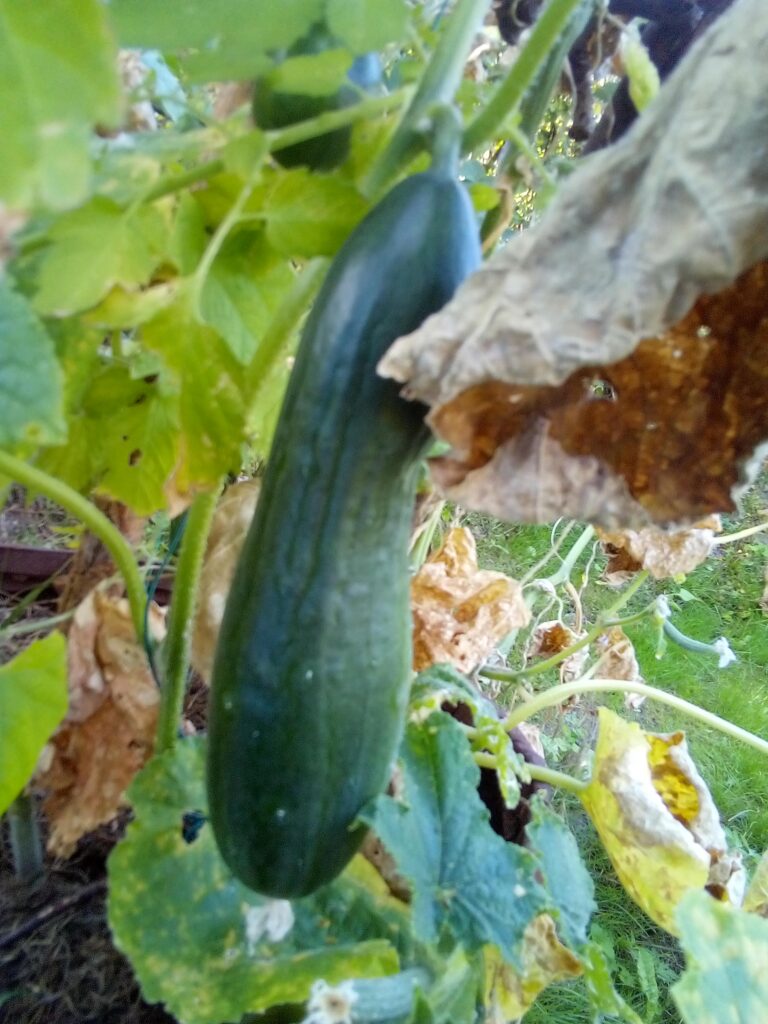
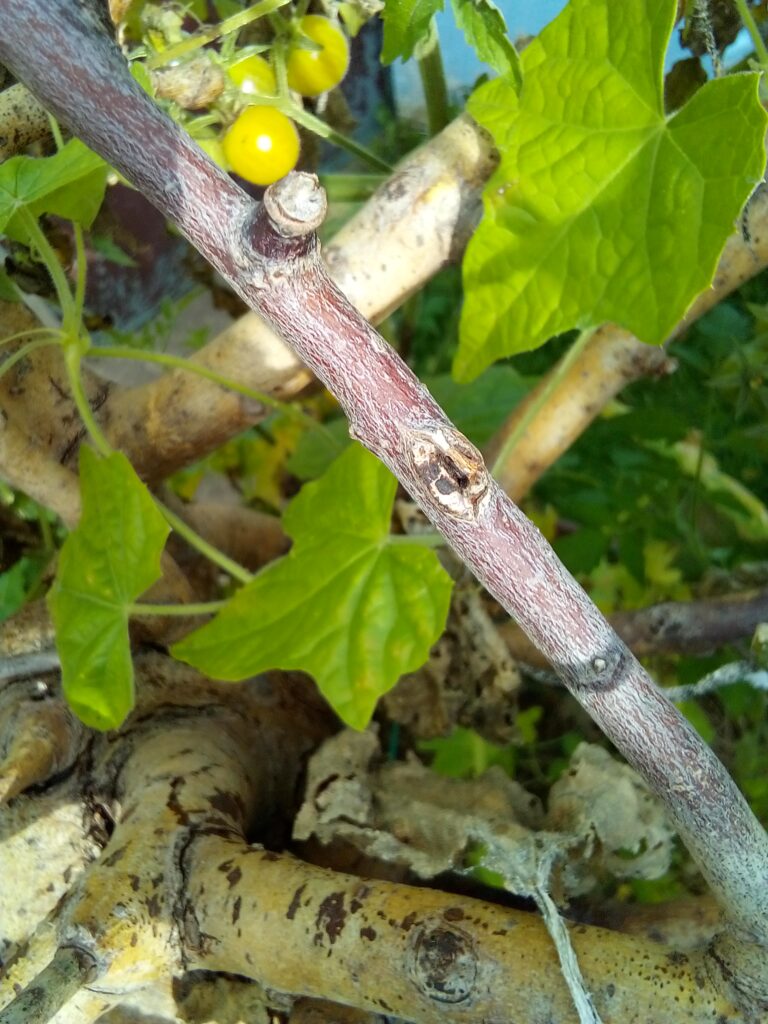
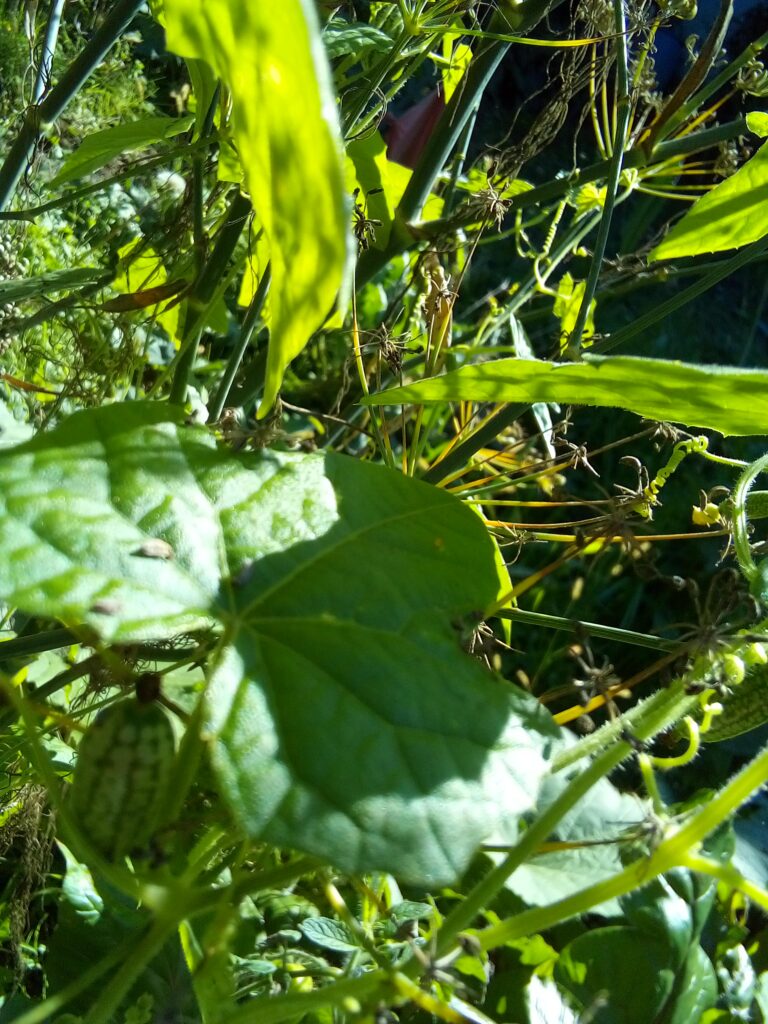
P.S. If you’re wondering about the stick in the middle of the barrel — it’s actually a small dried tree branch I decided to leave there. Later in summer it becomes a simple climbing support for snake cucumbers, Mexican sour gherkins, climbing zucchini, or even a small yellow wild tomato, which all seem to love this sunny spot.
So the little barrel bed slowly changes through the season — from spinach and turnip greens in early spring to climbing vegetables reaching for the sun in summer.
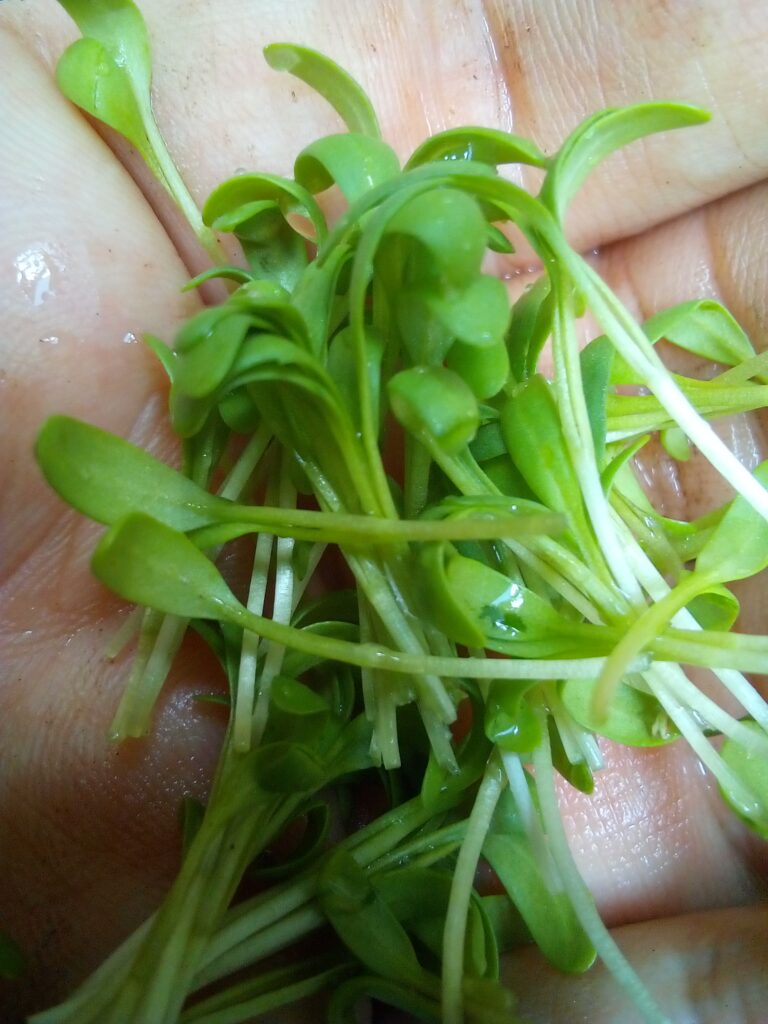
Large-Leaf Garden Cress
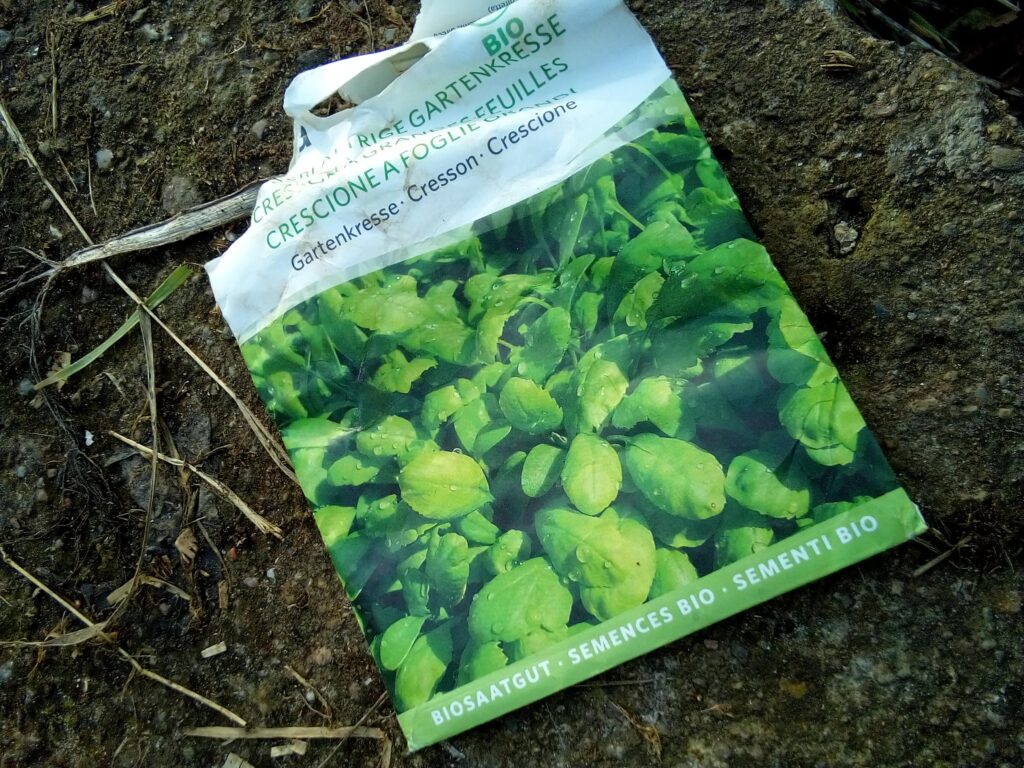
Garden cress is one of the easiest crops in the whole garden.
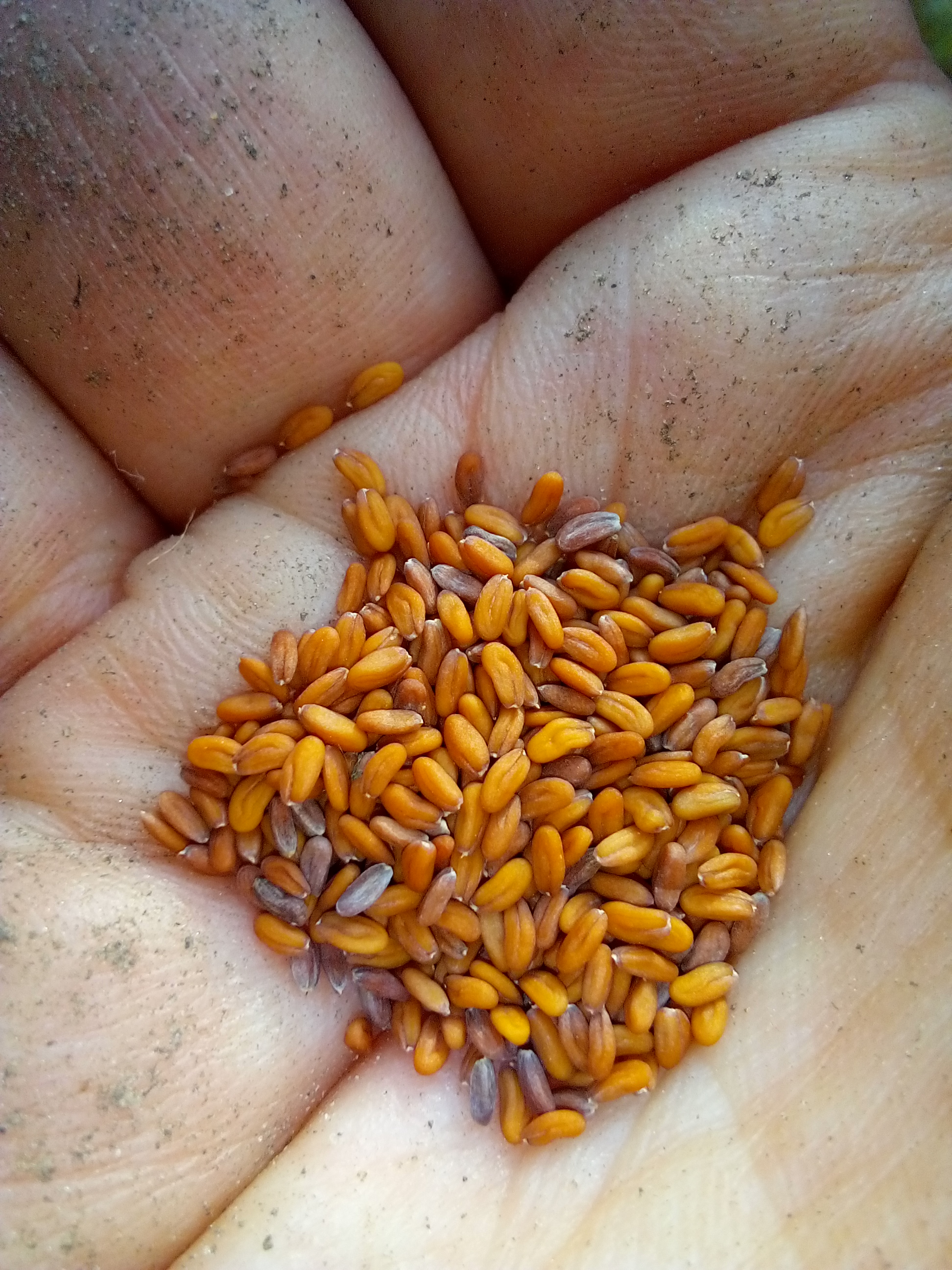
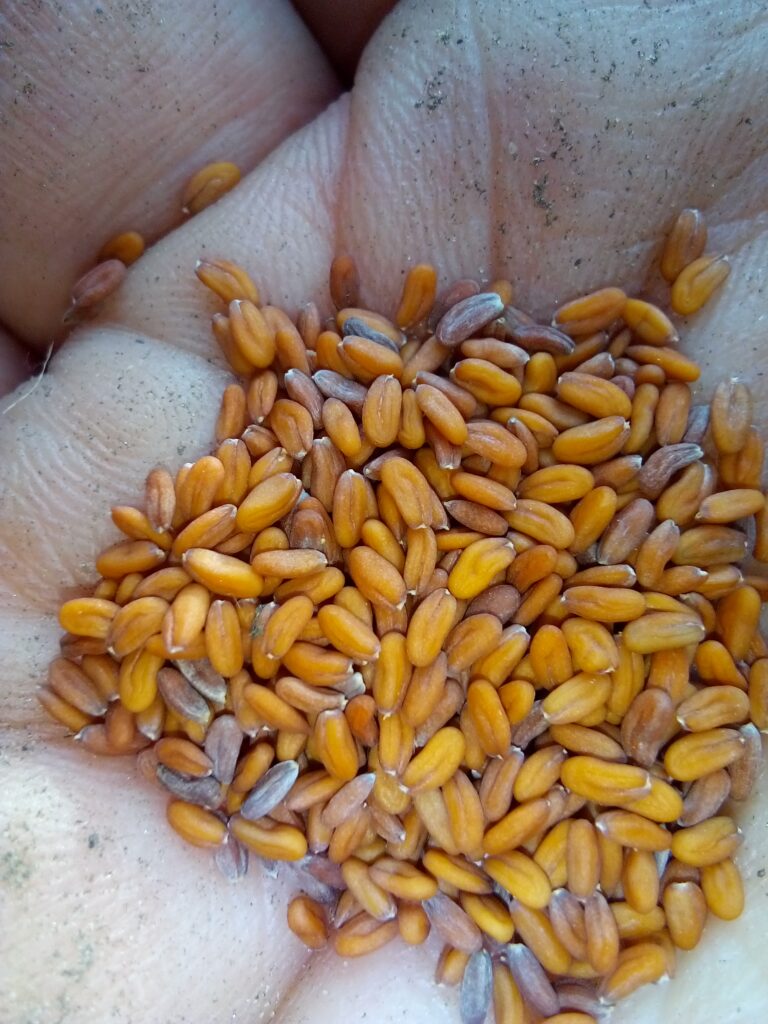
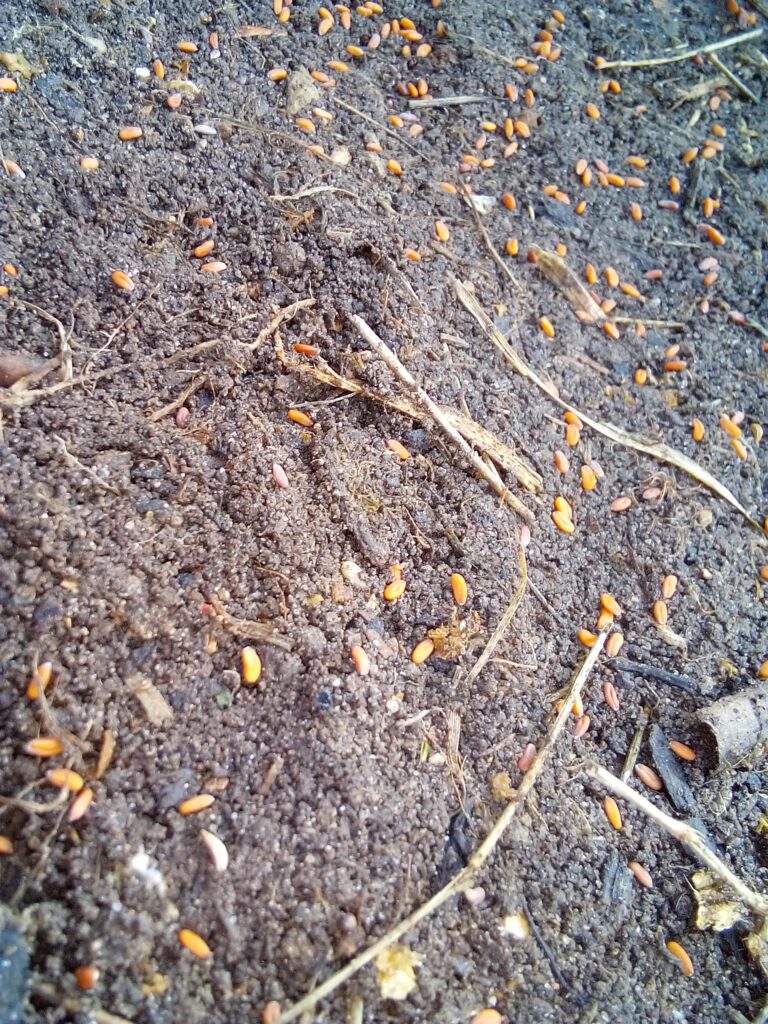
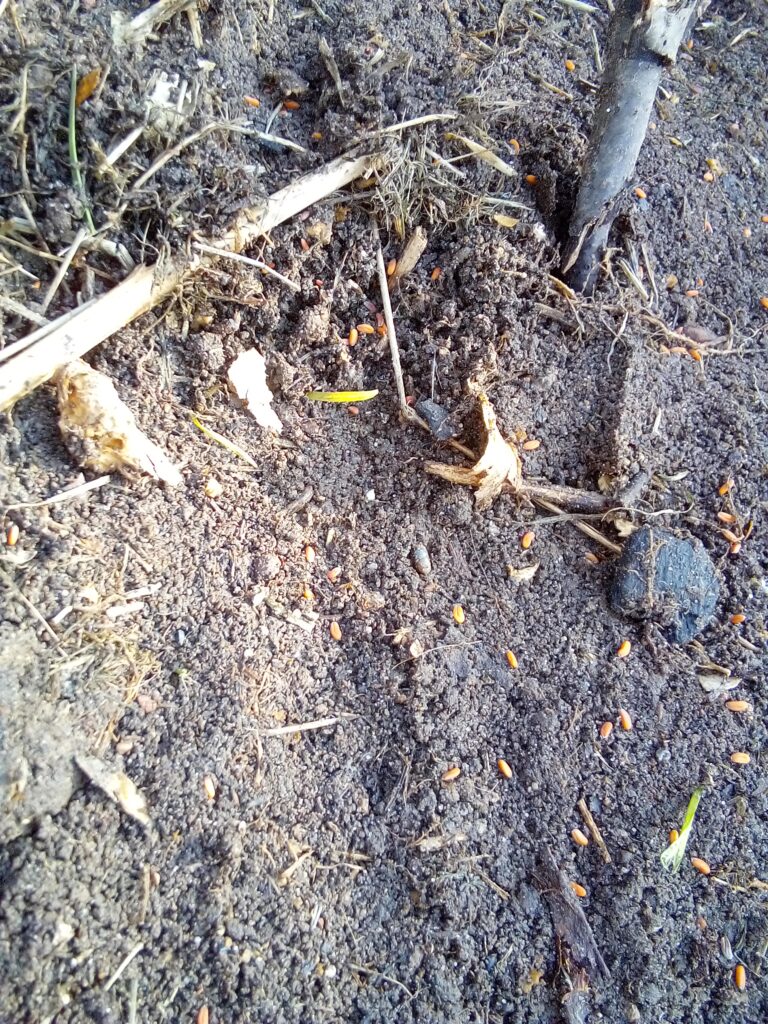
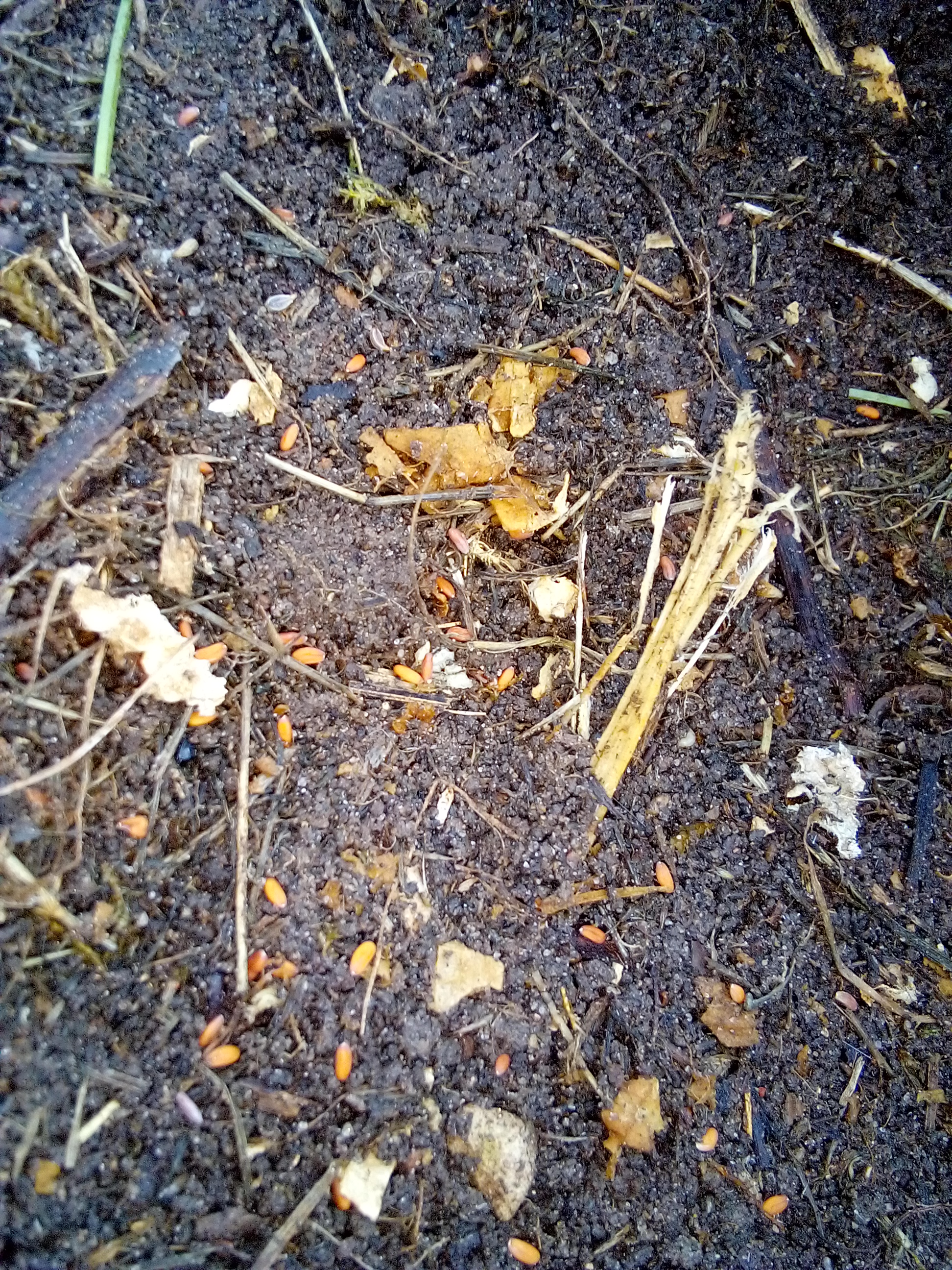
These seeds are light germinators, which means they shouldn’t be covered with soil. I simply scatter them on the surface and gently press them down.
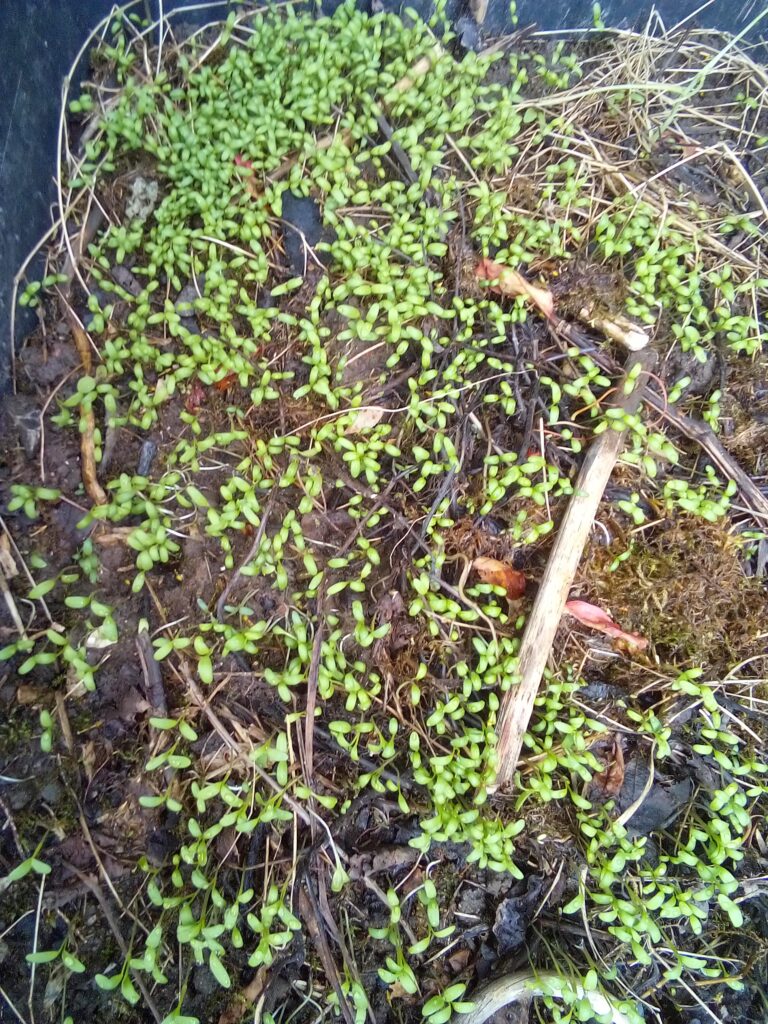
A few days later, tiny green leaves appear almost like magic.
Parsley
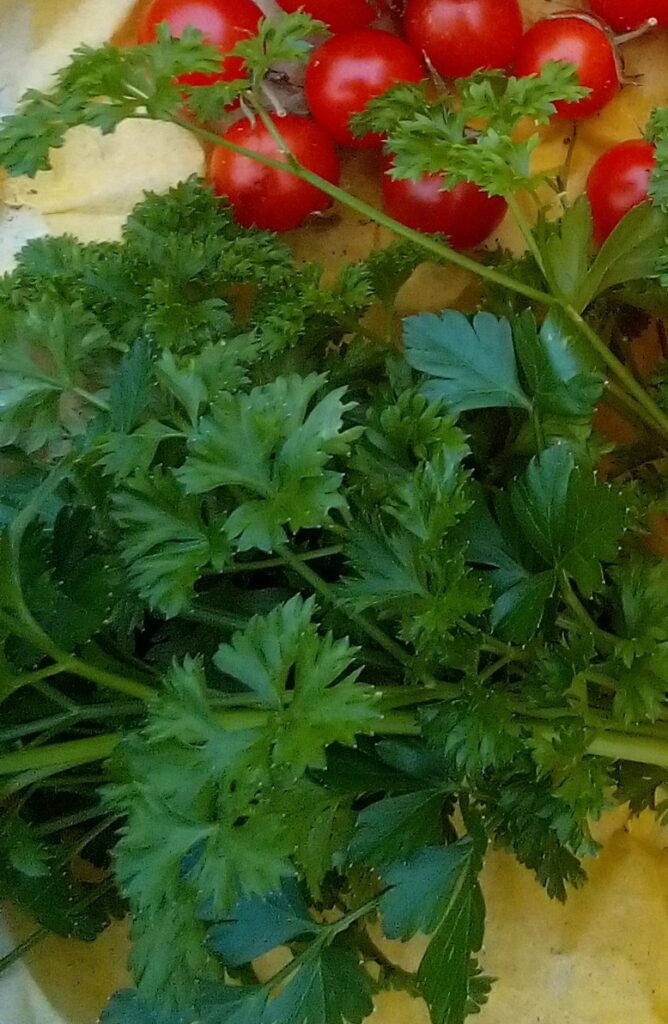
Parsley is a little slower and asks for patience.
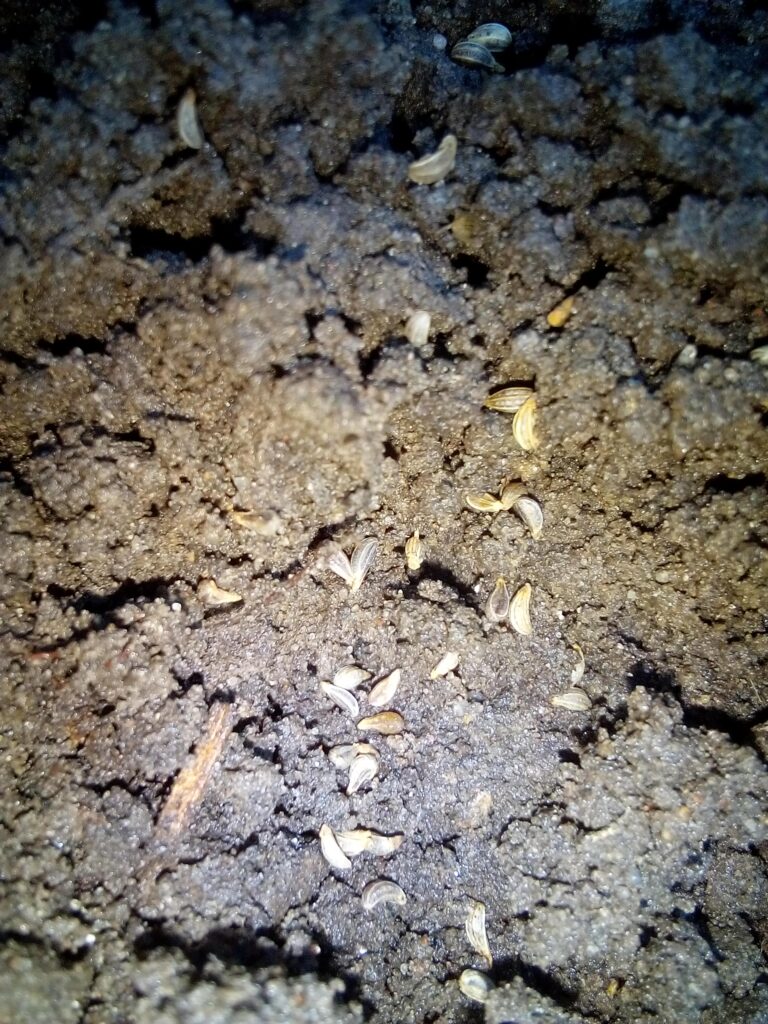
The seeds can take two to four weeks to germinate, so I sow them early in the season. I keep the soil evenly moist and mark the row carefully so I don’t accidentally disturb it later.
Parsley is the plant that reminds me most of Frida’s advice:
“Some plants grow quickly. Others ask you to trust the soil.”
What to Seed First
If you’re wondering what to seed first when the garden season begins, look for crops that enjoy cool temperatures and germinate in early spring.
Spinach, turnip greens, cress, and parsley are perfect starters.
They don’t mind chilly nights, and they reward you quickly.
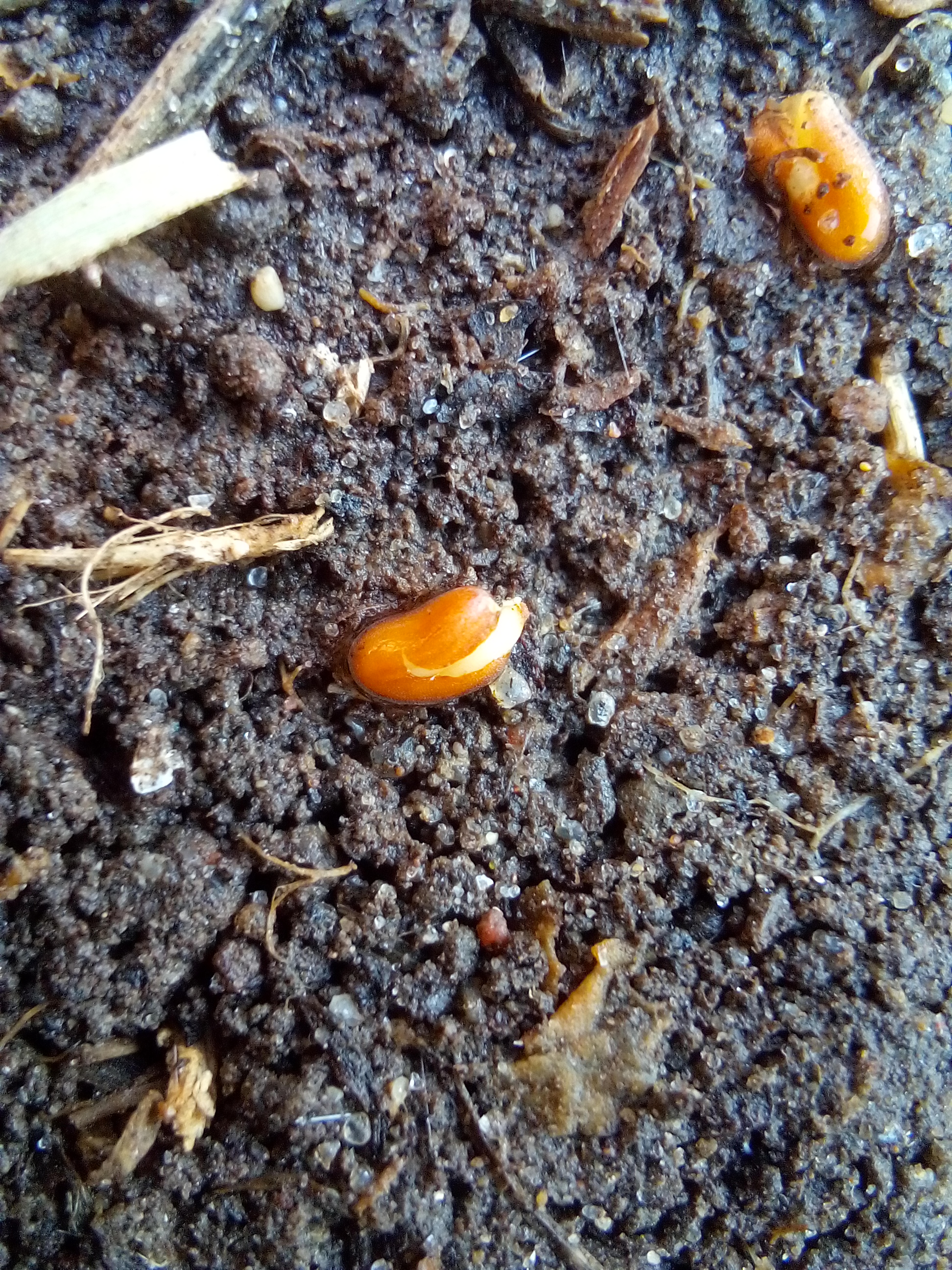
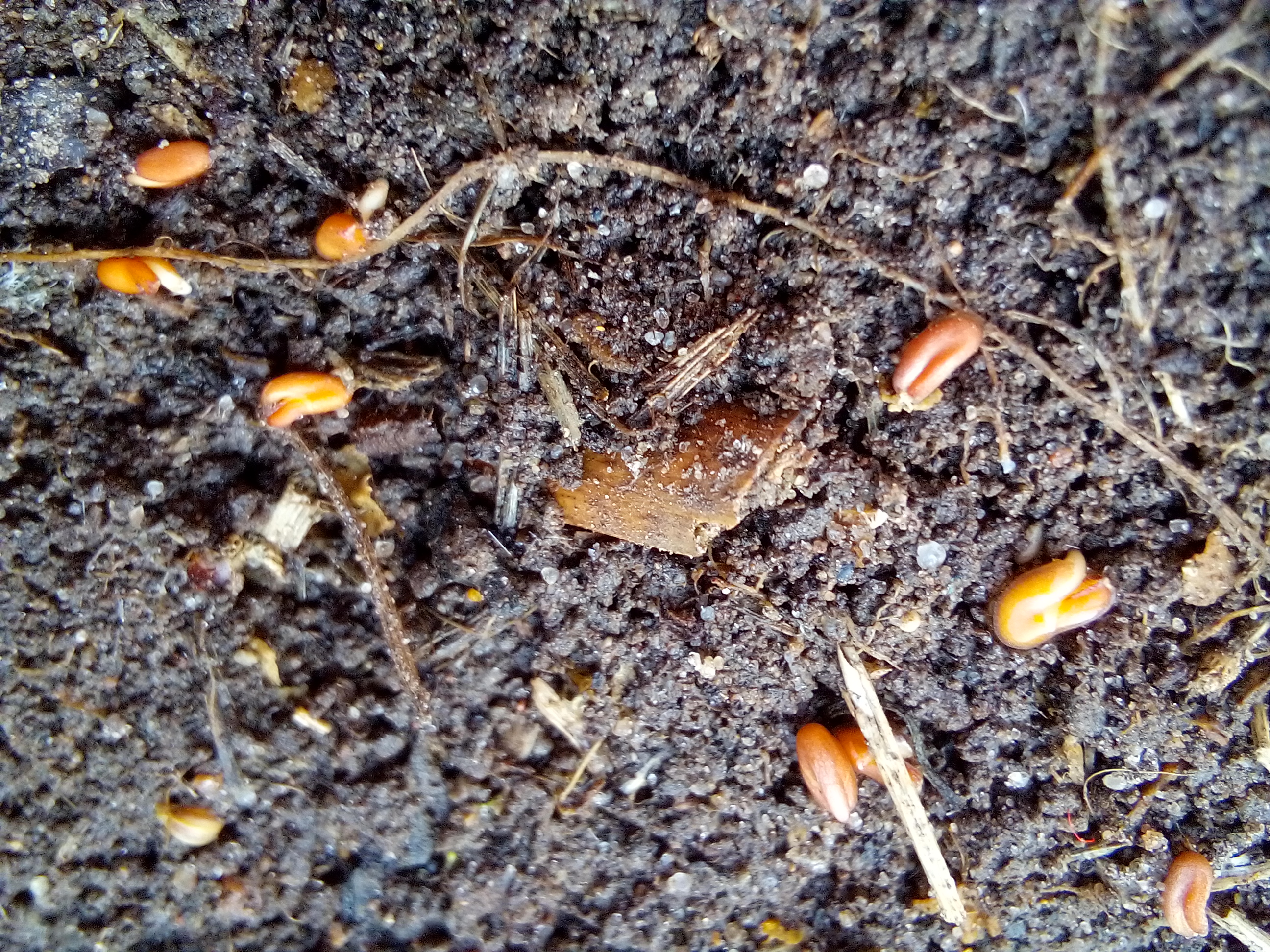
Seven days later, the first tiny cress seedlings are already visible. In the photos below you can see how quickly this little crop wakes up.
My Quiet Garden System
During these early days, I also start doing two small habits that help me all season:
- I write down simple garden notes — what I planted, where, and when.
- I begin refreshing my compost pile, adding fresh garden material and turning it so it wakes up after winter.
If you’re starting your garden after the cold season, these guides may help you:
And one more thing that matters deeply to me:
I almost always choose open-pollinated seeds. They allow me to save seeds later and keep the cycle of the garden alive.
I wrote more about that here:
Why I choose open-pollinated seeds.
Watch the Sowing Tutorial
I also filmed a short garden video where you can watch me sow these four crops step by step.
In the video you’ll see:
- how deep I sow spinach
- why turnip greens grow so fast
- why garden cress should not be covered with soil
- and why parsley needs patience
I also added a few fun quiz questions in the video — so you can test your garden knowledge while watching.
Sometimes the first garden days look messy.
But once a few seeds are in the soil, the garden already feels alive again.
And that’s the real beginning.
FAQs
What can I seed first in early spring?
Cool-season crops are the best choice for the first sowing of the year. Spinach, turnip greens, garden cress and parsley germinate in cooler soil and tolerate light spring frosts, making them ideal for the first garden days.
Is it too early to sow spinach in spring?
Spinach is actually one of the earliest vegetables you can sow. Many gardeners plant it 4–6 weeks before the last frost date, as soon as the soil can be worked.
Why are my spinach seeds not germinating?
This is one of the most common questions gardeners ask online. Spinach germinates best in cool soil and consistent moisture. Too much heat, dry soil or old seeds can slow or stop germination.
Do garden cress seeds need to be covered with soil?
No. Garden cress is a light germinator. The seeds should be placed on the soil surface and gently pressed down, but not covered with soil.
How long does parsley take to germinate?
Parsley seeds are slow and usually take 2–4 weeks to sprout. Keeping the soil evenly moist and marking the row helps avoid disturbing the seeds while waiting.