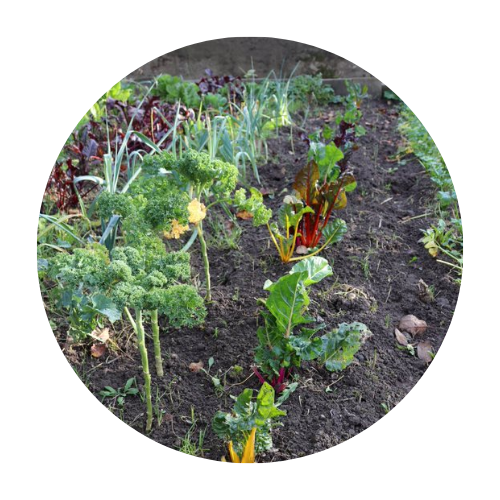
Free Interactive Companion Planting Planner
Choose what you want to grow, tell me how much space you have, and turn it into a simple row-by-row planting plan.
Companion gardening can feel surprisingly complicated when you are just starting out. Which plants belong together? How many rows fit into a raised bed? What works in containers? I wanted something simpler, so I created an interactive companion planting planner for real gardens, raised beds, and balconies.
Select your crops and growing space, and the planner creates a clear planting layout with rows and practical spacing guidance you can use while planting. Whether you need companion planting for raised beds, a traditional garden, or companion planting for balcony gardens, the tool adapts the plan to the space you actually have. You can also create a printable companion planting plan to take outside with you.
No account. No spreadsheet. No complicated garden math.
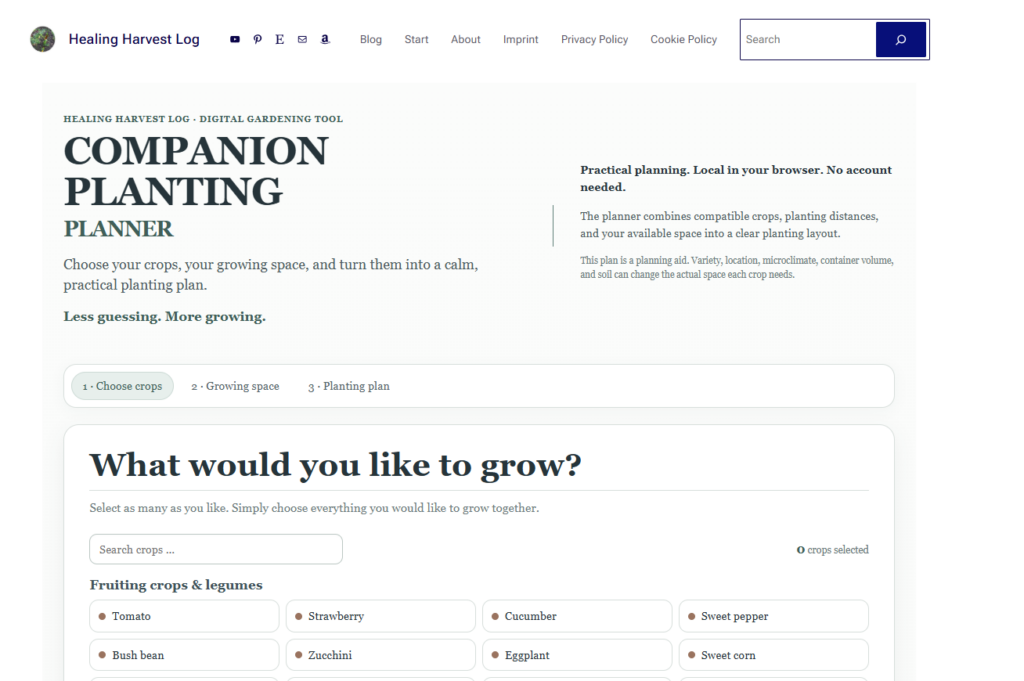
Get Your Free Interactive Companion Planting Planner
Choose what you want to grow and turn your space into a simple row-by-row planting plan. Enter your email below, confirm it once, and you will be taken straight to the interactive planner.
Get My Free Interactive Planner
What the Planner Helps You Do
- Choose several crops at once instead of looking up every pairing separately.
- Plan for your actual growing space — garden, raised bed, or balcony containers.
- Turn your choices into a row-by-row planting plan with practical spacing guidance.
- See useful companion combinations without having to memorize long companion planting charts.
- Print your plan and take it outside with you.
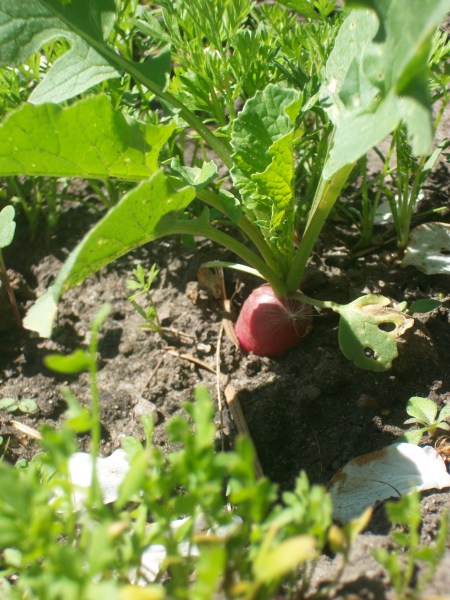
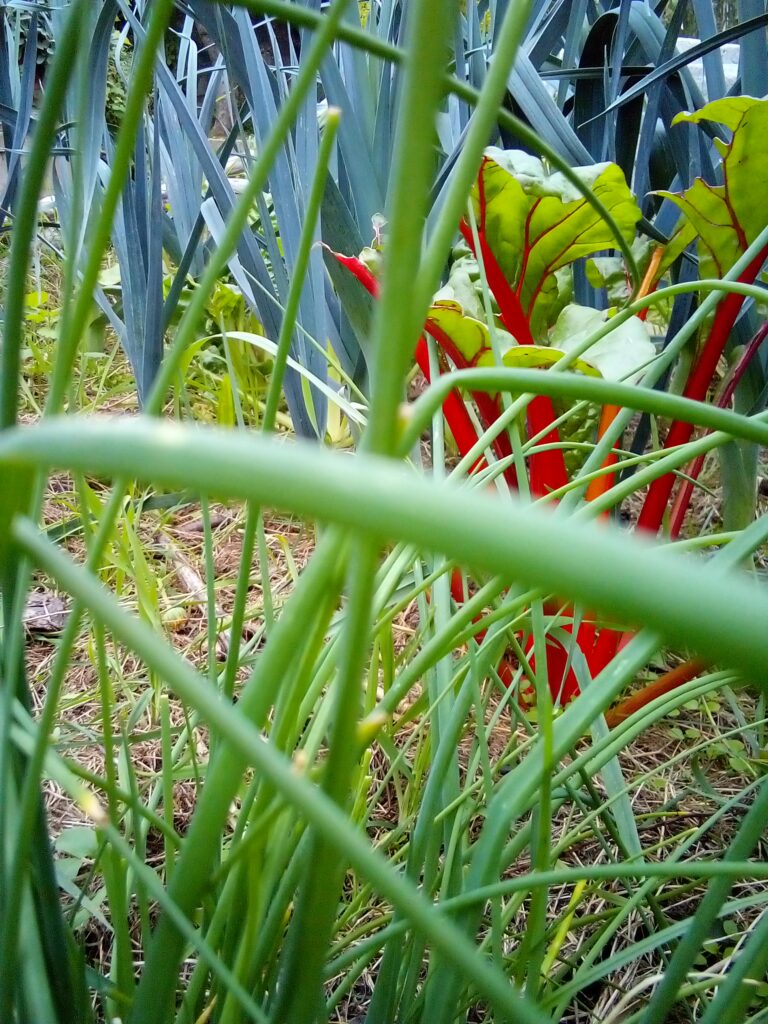

Companion Gardening for Beginners — Without the Overwhelm
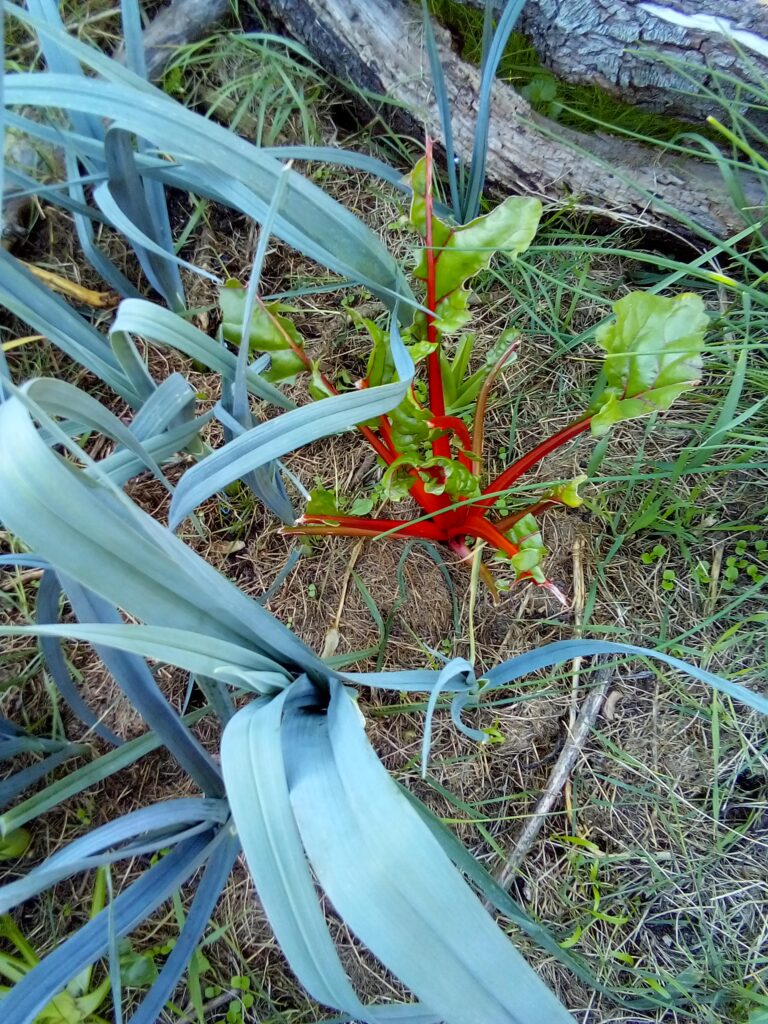
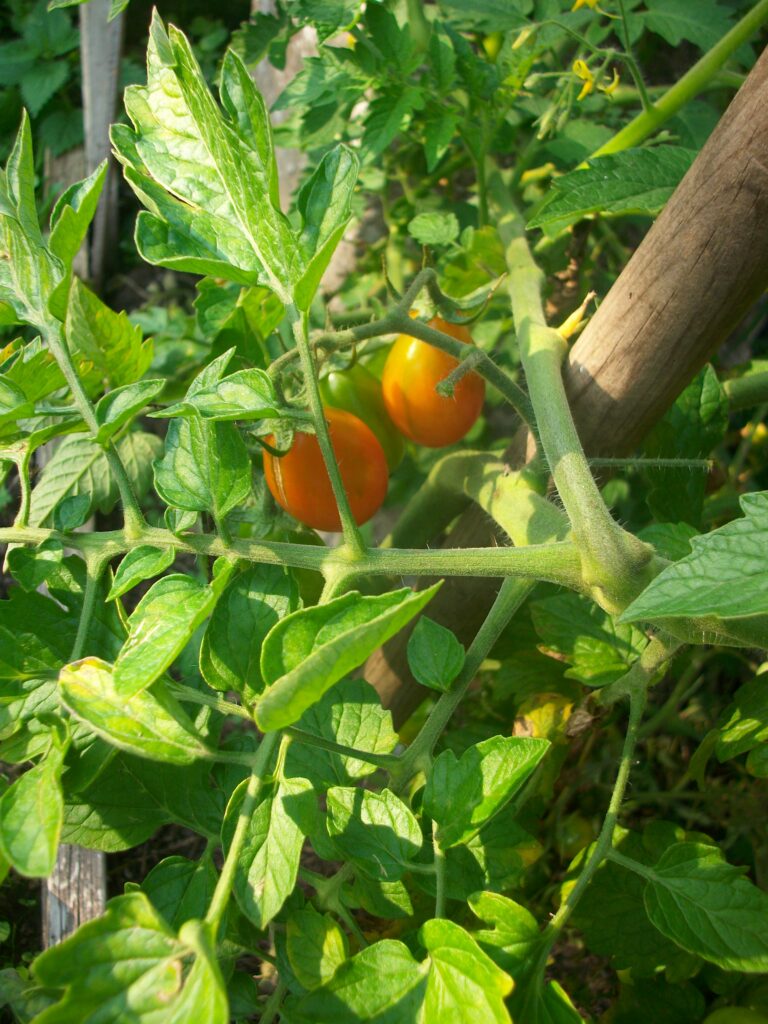
Companion gardening simply means growing different crops close to each other in a thoughtful way. Some combinations make practical sense because they use space differently, flower at different times, attract pollinators, or fit well around larger plants. Others may compete for the same light, water, or room.
As a beginner, you do not need to build the “perfect” companion garden. Start with a few crops you genuinely want to eat, give the larger plants enough room, and use herbs, flowers, salads, or root vegetables to make better use of the spaces between them.
That is exactly where the interactive planner helps: instead of asking you to learn every possible pairing first, it turns your crop choices into a simple layout you can actually use.
How the Interactive Companion Planting Planner Works
1. Choose Your Crops
Select several vegetables, herbs, or flowers you would like to grow.
2. Add Your Space
Choose garden, raised bed, or balcony gardening and enter the space or containers you have available.
3. Get Your Planting Plan
The tool creates a simple row-by-row layout with one crop per row and practical spacing guidance.
A Free Companion Planting Planner for Real Growing Spaces
I built this free companion planting planner for the way many of us actually garden: a few raised beds, a small backyard, several containers, or a balcony that has to work hard for every bit of space.
The goal is not to create a “perfect” garden on a screen. It is to make the planning part simpler, so you can spend less time comparing charts and more time with your hands in the soil.
- For raised beds: organize compatible crops into clear neighboring rows.
- For small gardens: make better use of limited growing space without crowding plants together.
- For balconies: plan flower pots, window boxes, and larger containers more intentionally.
- For beginners: start with a simple visual plan instead of memorizing dozens of plant combinations.

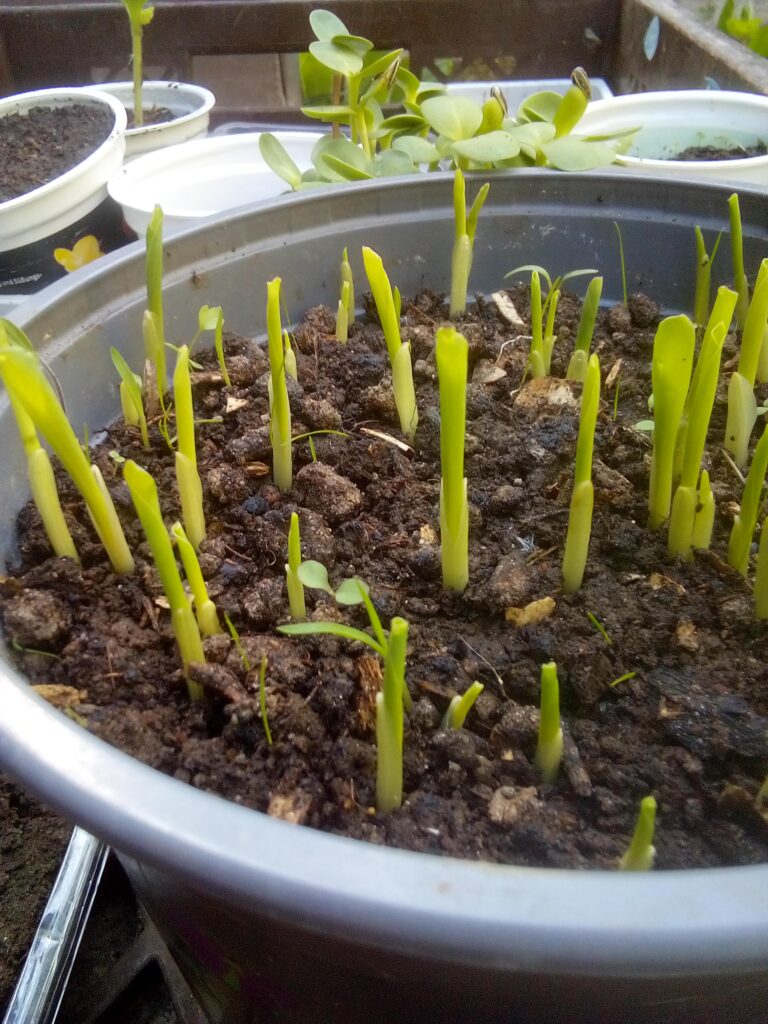
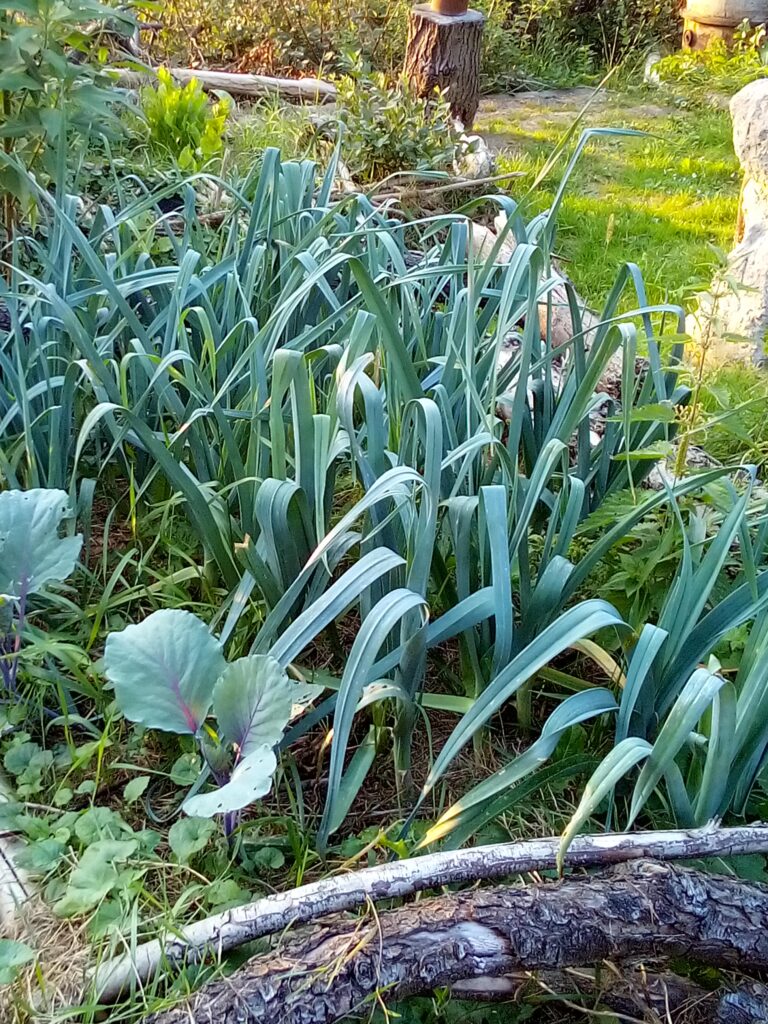

My grandma used to say, “Don’t fight the weeds. Ask them why they’re here.” I didn’t understand it then. Now I think gardening is often less about controlling everything and more about paying attention.
Ready to Create Your Companion Planting Plan?
Get free access to the Interactive Companion Planting Planner, choose your crops, and create a simple planting plan for your garden, raised bed, or balcony.
Get My Free Interactive Planner
Companion Planting FAQ for Beginners
What is companion gardening?
Companion gardening means growing different crops close together in a planned way. The goal is to combine plants that can share space well and, depending on the crops, may differ in height, rooting depth, flowering time, or growth habit. You do not need a complicated companion planting chart to get started.
Do companion plants have to be planted right next to each other?
No. Companion gardening does not mean squeezing plants together. Each crop still needs enough light, water, airflow, and root space. In many gardens, placing compatible crops in neighboring rows is simpler and easier to manage than mixing individual plants.
How many crops should a beginner combine in one bed?
Start small. Two or three main crops plus a herb, flower, salad, or quick-growing crop is often easier to manage than trying to combine everything at once. The best plan is one you can still understand when you are standing in the garden.
Can I use companion planting in a raised bed or on a balcony?
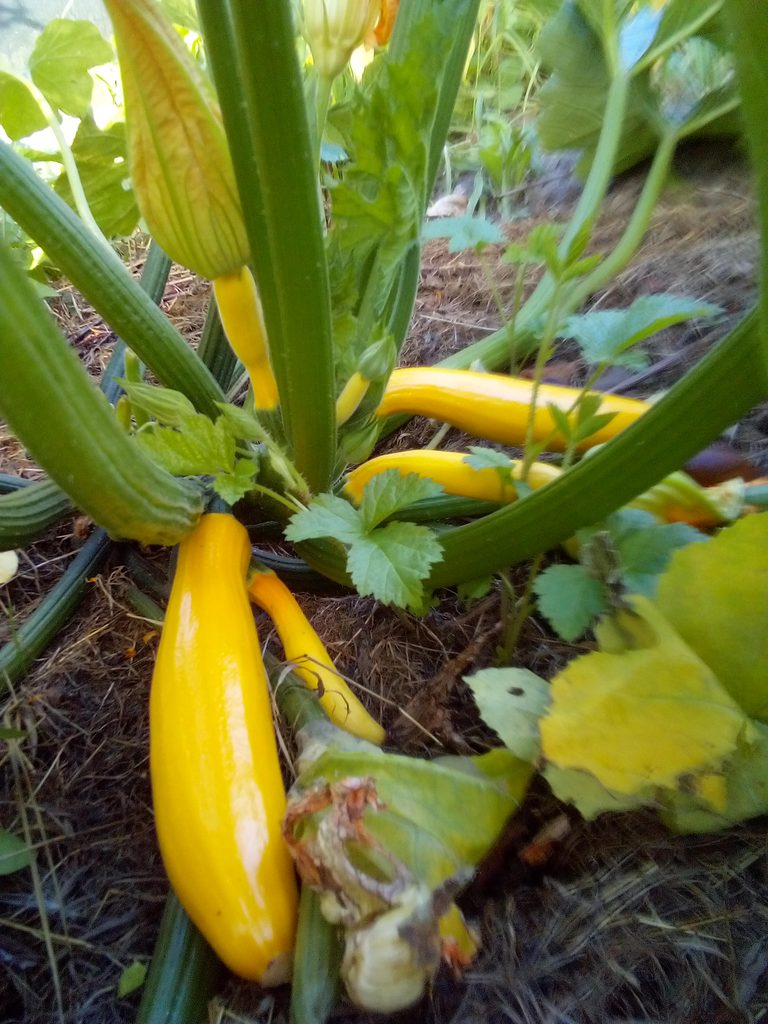
Yes. Companion gardening can work in raised beds and containers too. The main limitation is space: large crops such as tomatoes, zucchini, or cucumbers need much more root room than herbs, salads, radishes, or spring onions. Container size and sunlight still matter.
Should every row contain a different crop?
It can be a very beginner-friendly way to plan. One crop per row makes spacing, watering, harvesting, and crop identification easier while still allowing neighboring rows to form a mixed planting. That is also the row-based approach used in the interactive planner.
How does the Interactive Companion Planting Planner work?
You select the crops you want to grow, choose whether you are planning a garden, raised bed, or balcony, and enter the available space or containers. The tool then creates a simple row-by-row planting layout with practical spacing guidance.
Does the planner tell me exactly how many plants I need?
The planner is a practical planning aid rather than a fixed planting prescription. It gives you a schematic layout and spacing guidance. Variety, mature plant size, sunlight, soil, climate, container volume, and your own growing style can all change the final number of plants that fit comfortably.
Can I print my companion planting plan?
Yes. The interactive planner includes a print option designed so you can save the plan as a PDF or print it and take it into the garden with you.