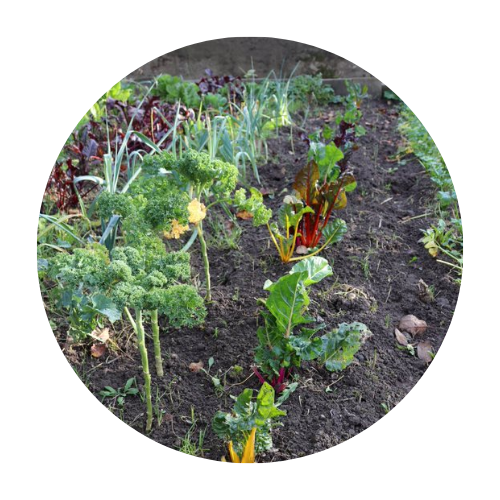
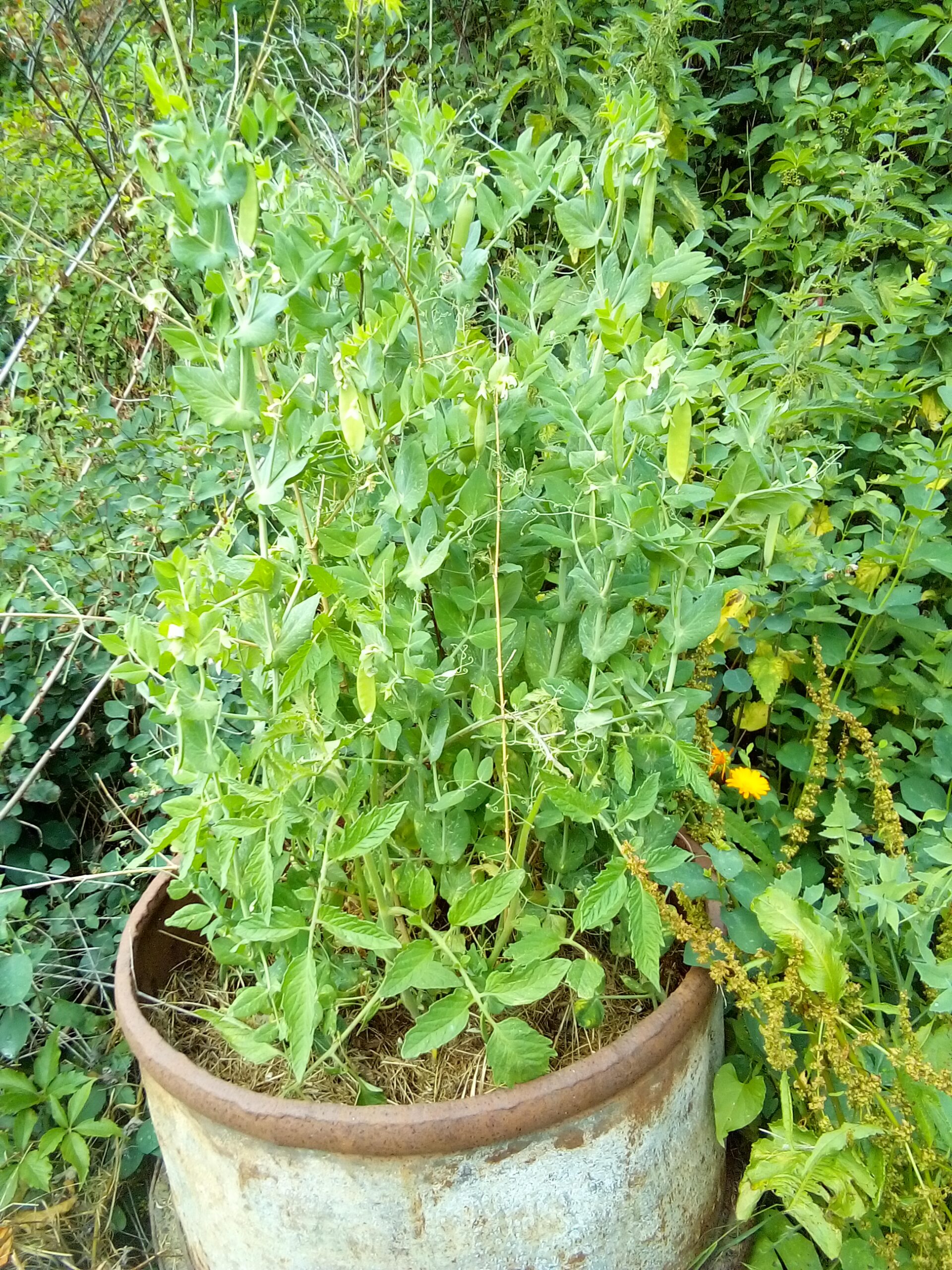
How to fill a raised garden bed cheap is a common question for gardeners starting a new raised bed. Raised beds need a lot of soil, and buying many bags from the garden center can quickly become expensive.
A simple solution is using natural garden layers instead of filling the whole bed with new soil. This method comes from permaculture gardening and works very well over time.
Instead of buying everything, you use materials that already exist in the garden.
Why This Method Works
Organic materials slowly break down and turn into fertile soil. At the same time they improve water storage and bring life into the bed.
Branches, leaves and garden waste create a natural compost process inside the raised bed.
After some months the soil structure become much better.

Layer 1: Branches and Garden Wood
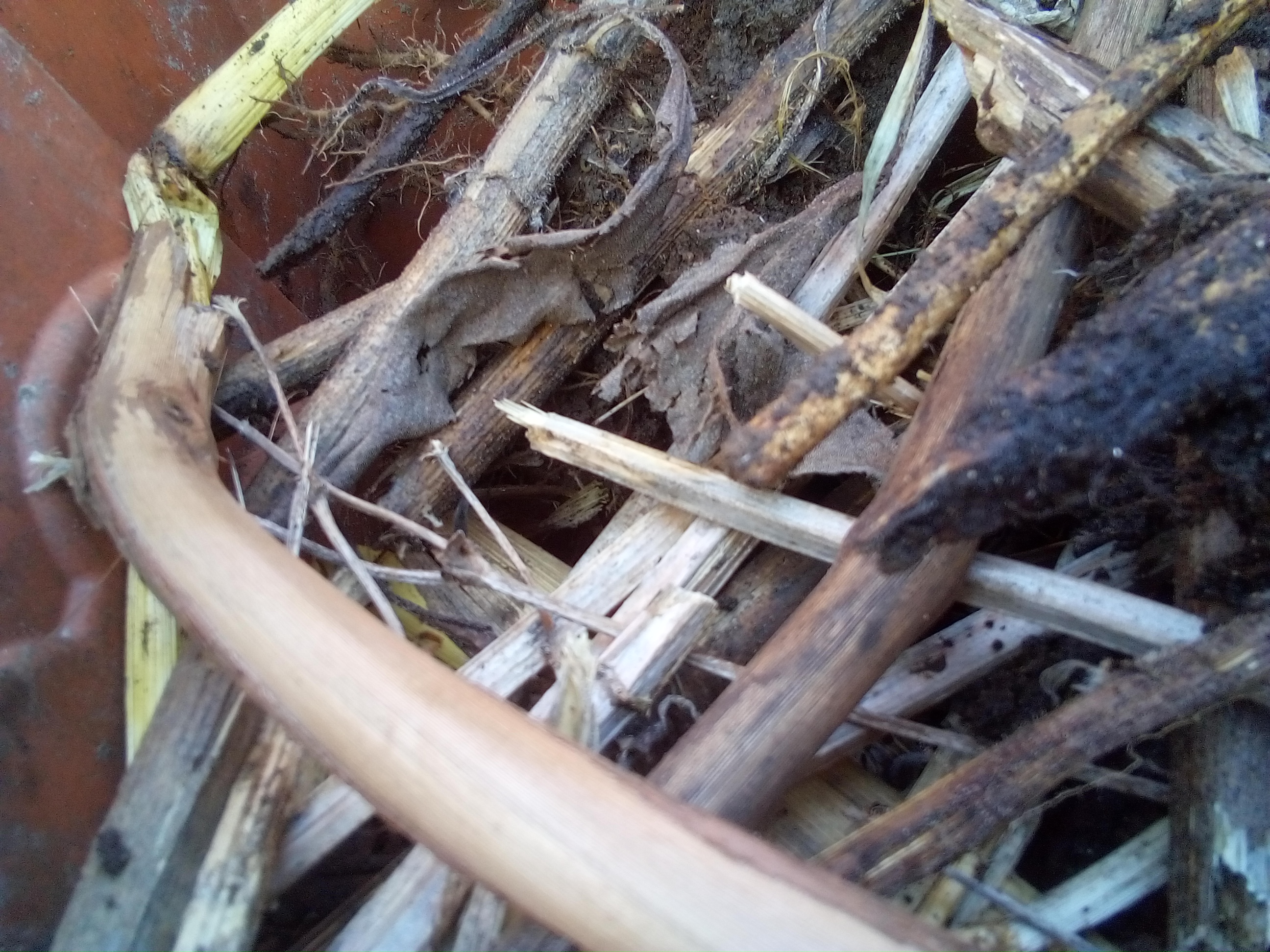
Start by placing rough material at the bottom of the raised bed.
You can use:
- branches from pruning
- small sticks
- woody garden cuttings
- small logs
This layer improves drainage and creates air pockets inside the soil.
Wood also stores moisture and slowly breaks down over time.

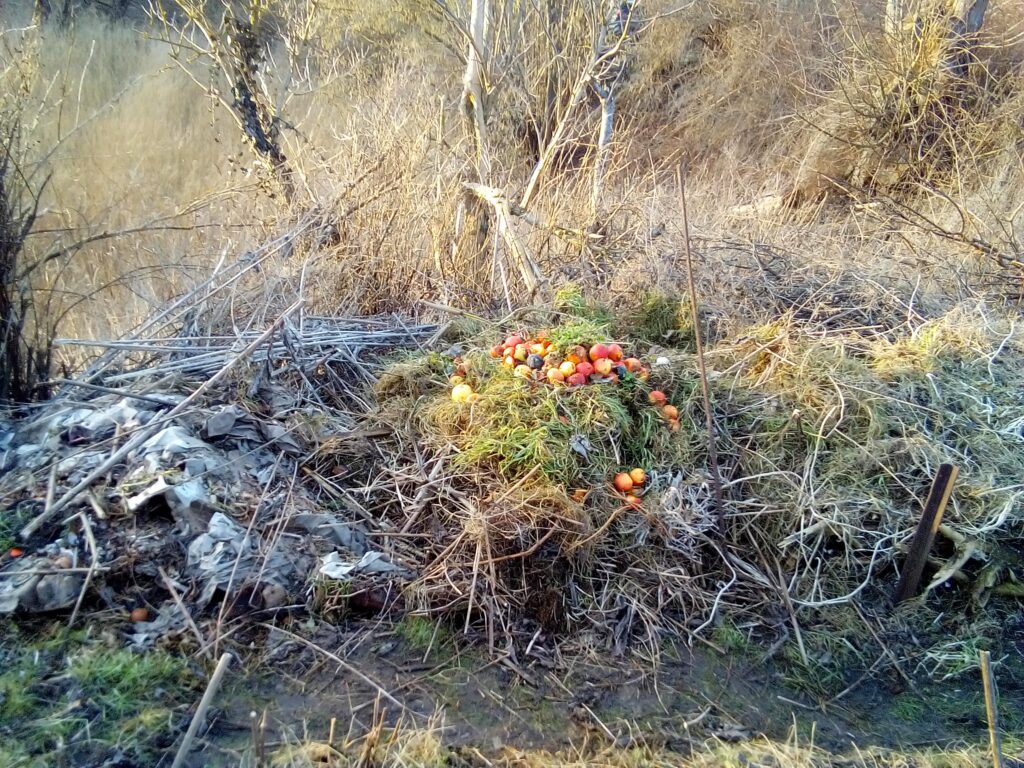
Layer 2: Leaves and Organic Garden Waste
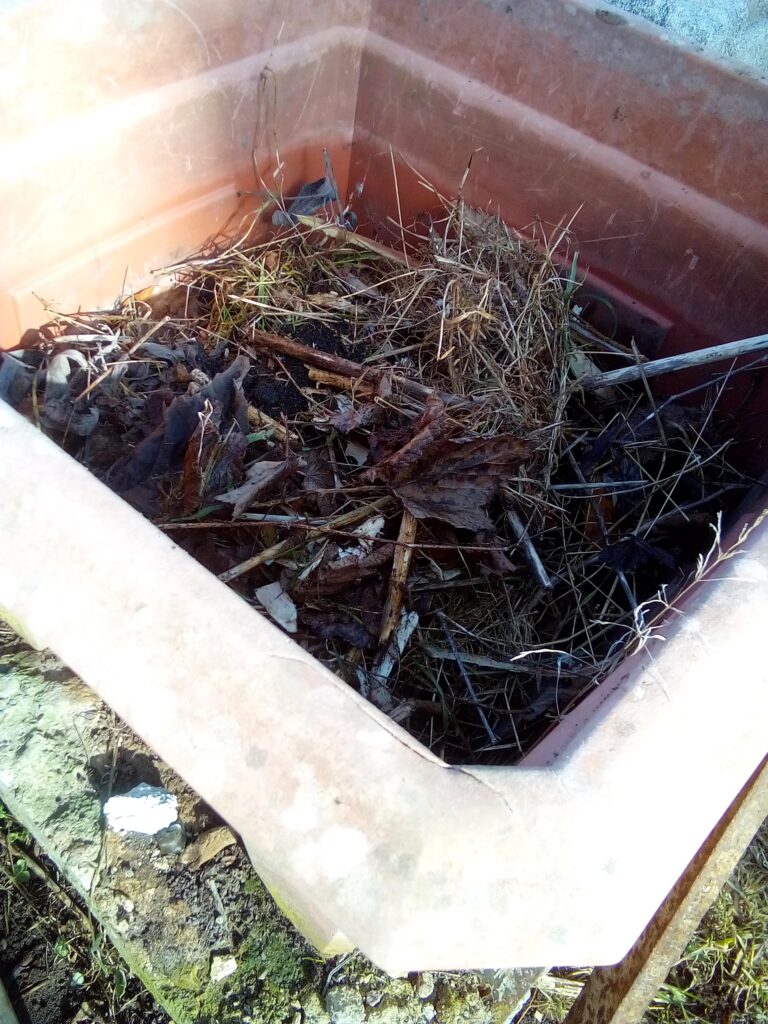
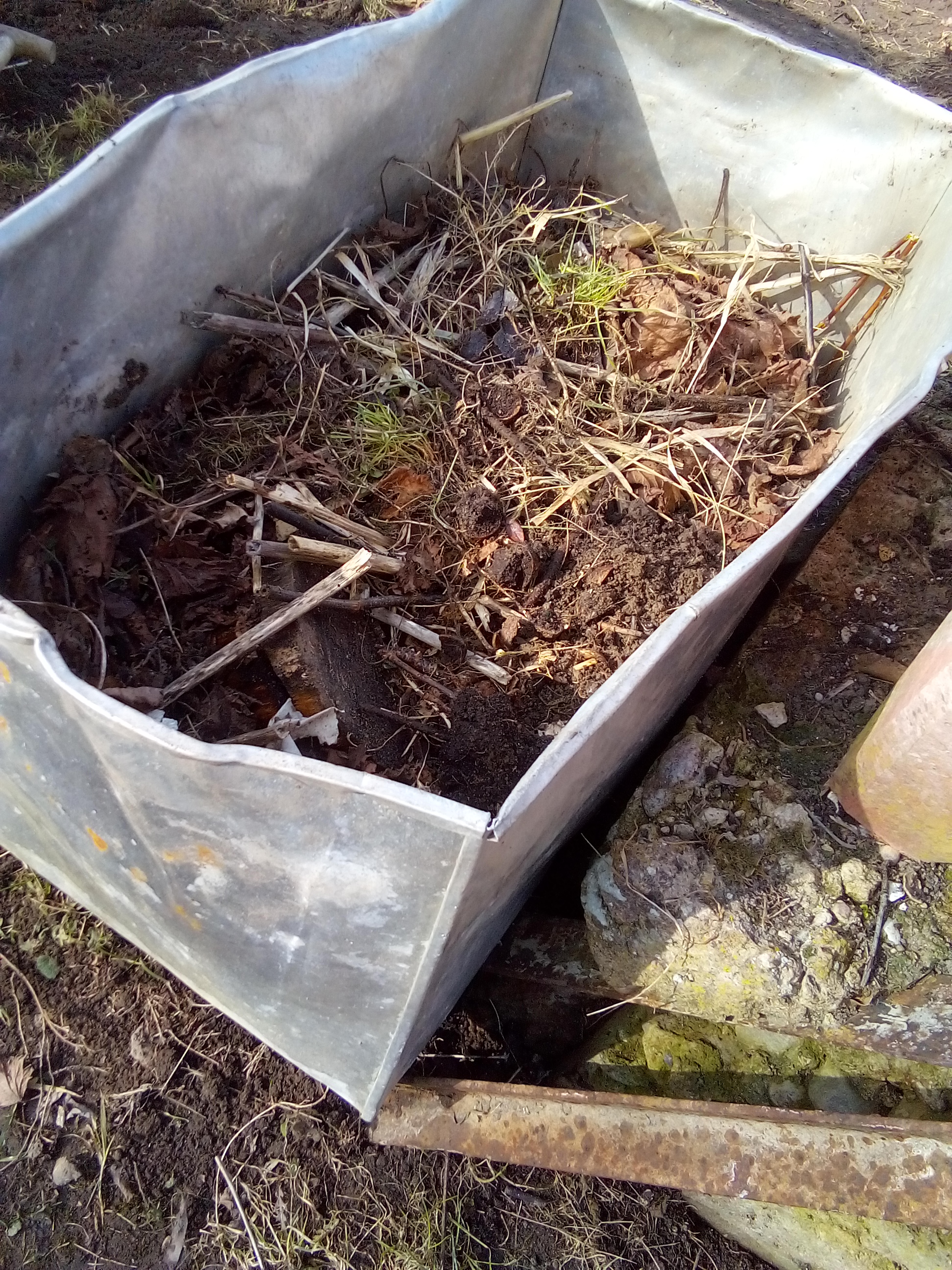
The next layer is softer organic material.
You can add:
- leaves
- grass clippings
- plant leftovers
- garden weeds
These materials start to decompose and feed microorganisms in the soil.
Many gardeners throw these things away, but they are perfect material for raised beds.
Layer 3: Compost
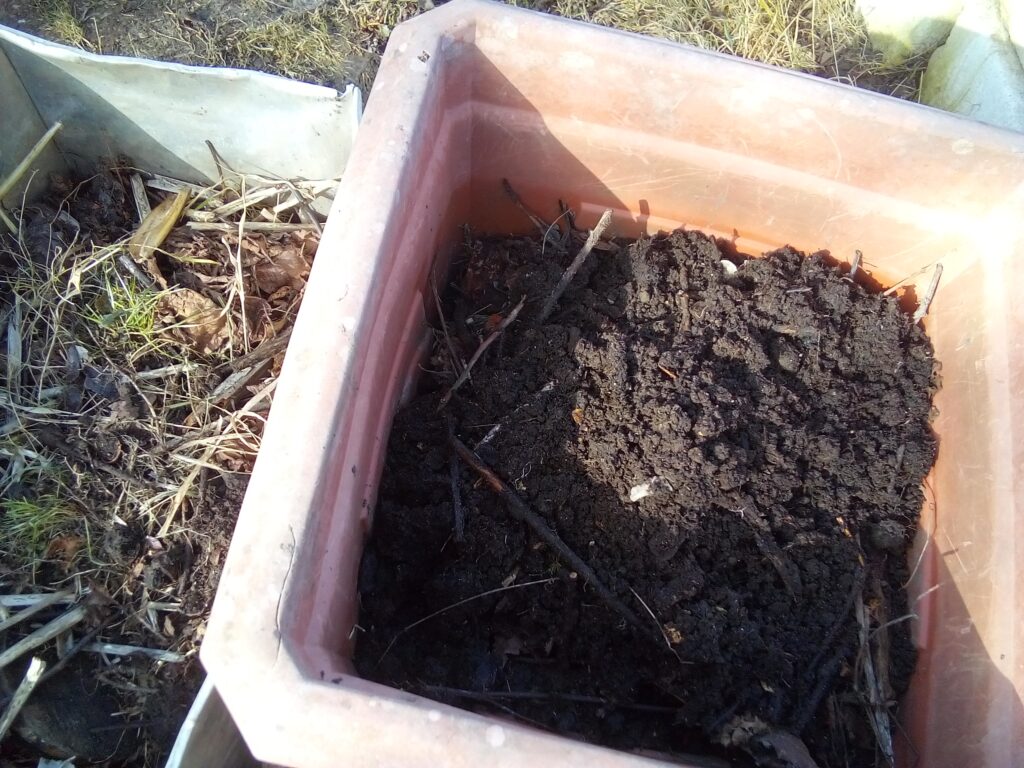
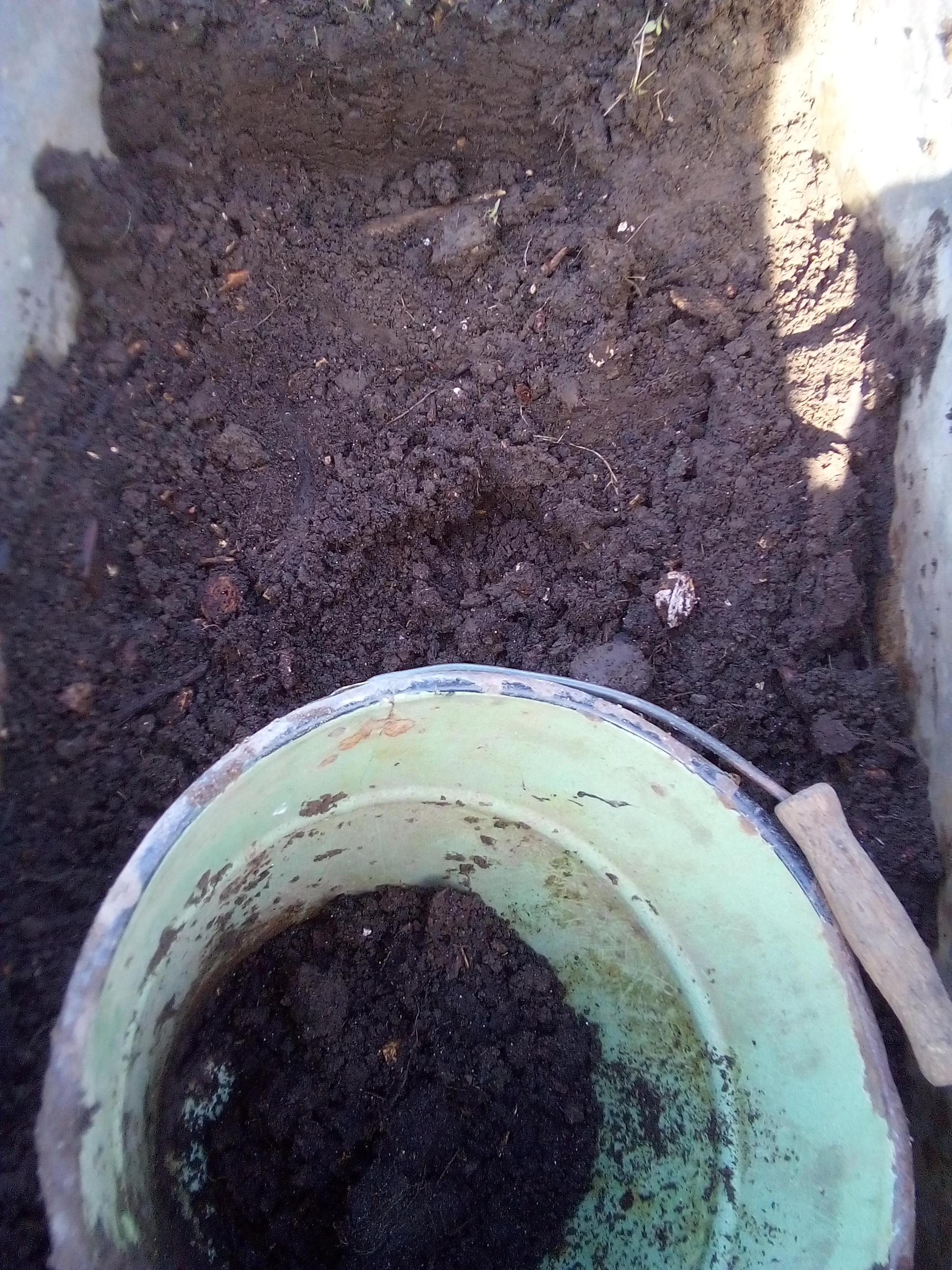
Add compost or half-finished compost on top of the organic layers.
Compost adds nutrients and beneficial organisms to the soil.
If there is not enough compost, old potting soil or soil from other garden beds also works well.
Over time the lower layers slowly transform into rich soil.
Layer 4: Top Soil for Planting
The final layer should be planting soil.
Usually about 20–30 cm (8–12 inches) of soil is enough for most vegetables.
You can use:
- garden soil
- compost mixed with soil
- raised bed soil mix (like this example on Amazon)
Now the raised bed is ready for planting.
Vegetables That Grow Well in a New Raised Bed
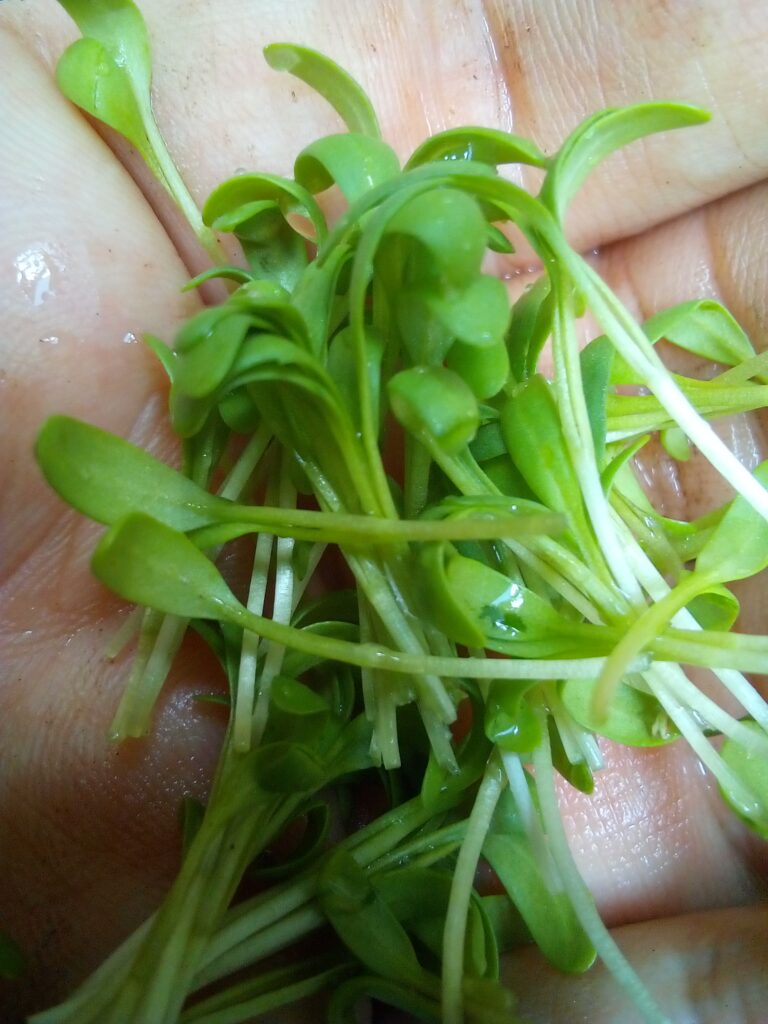
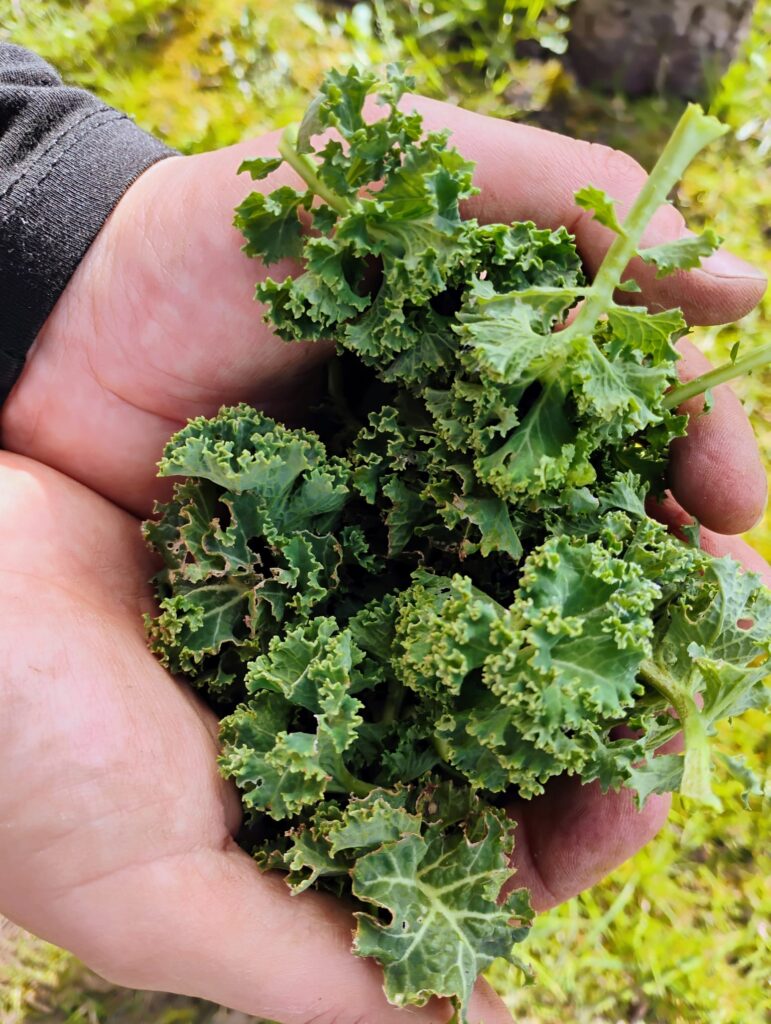
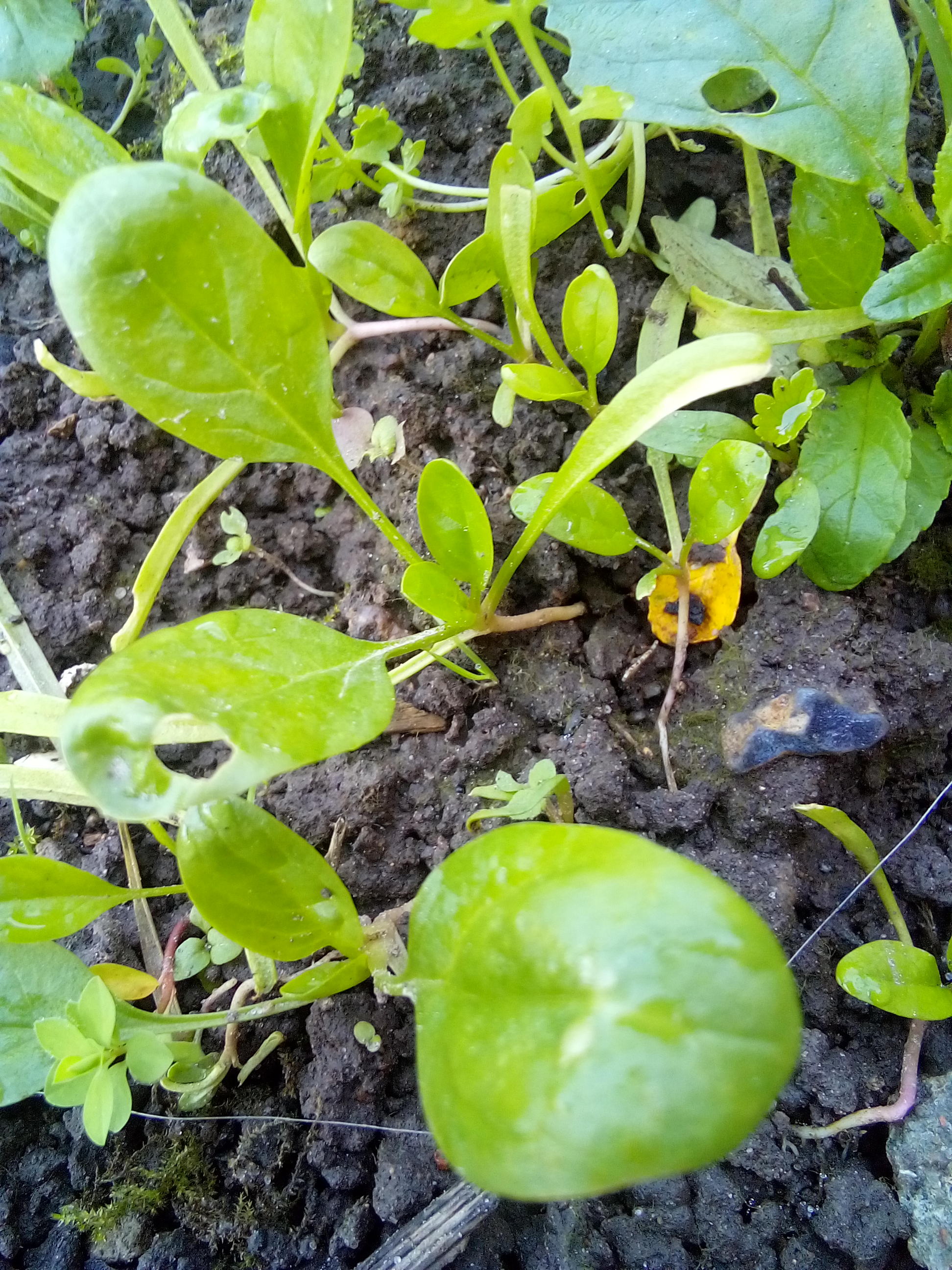
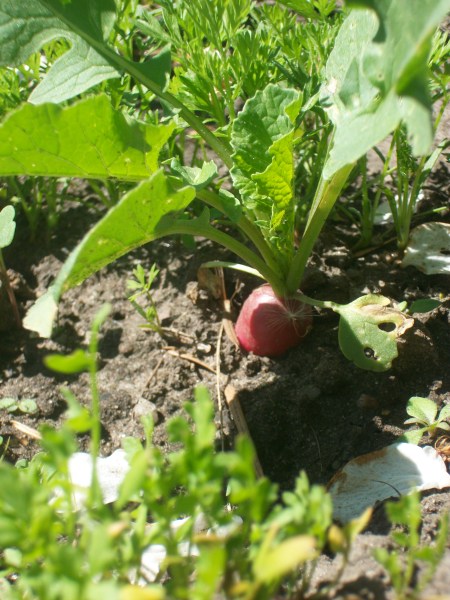
Many vegetables grow very well in freshly filled raised beds.
Good choices are:
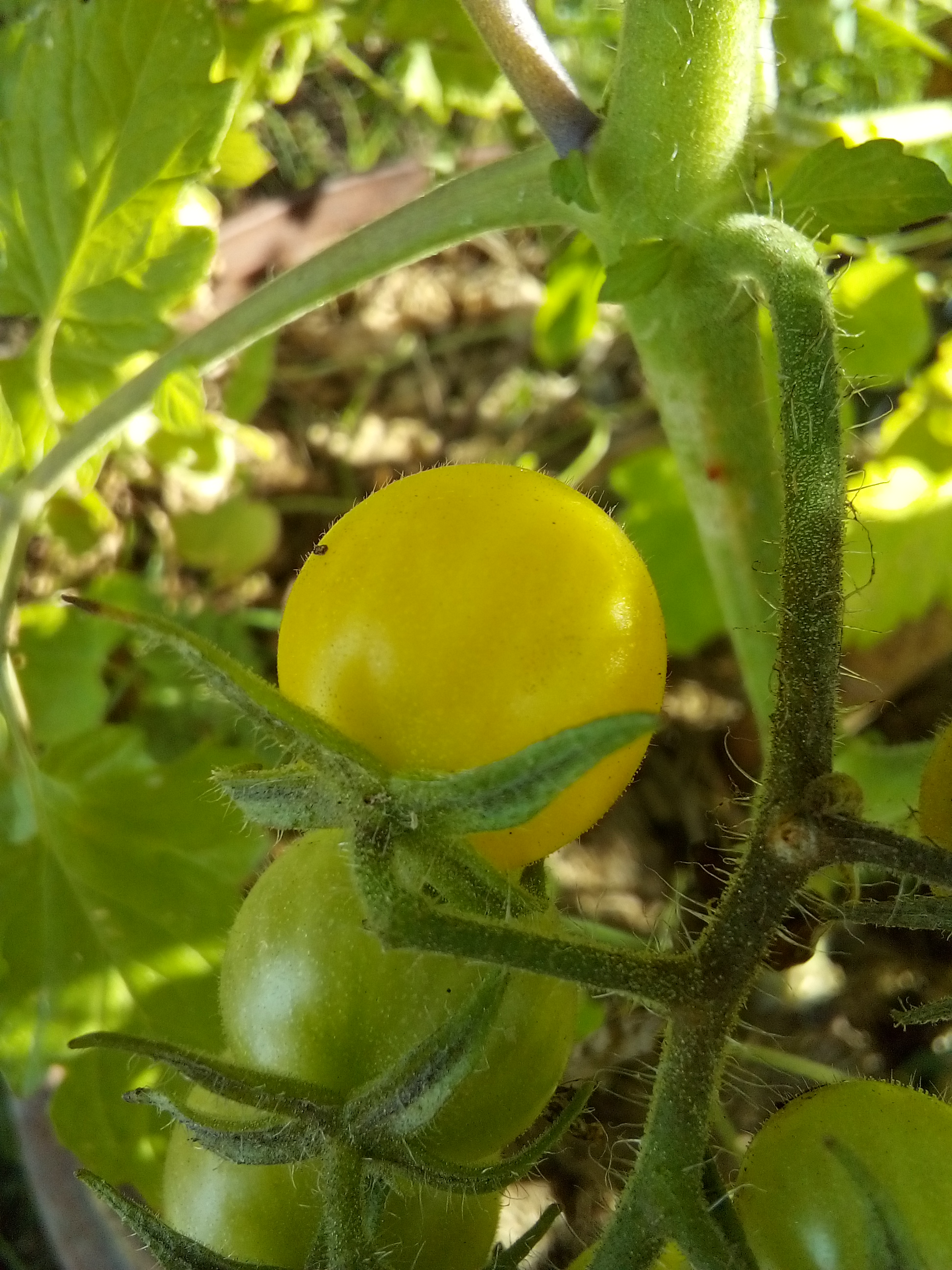
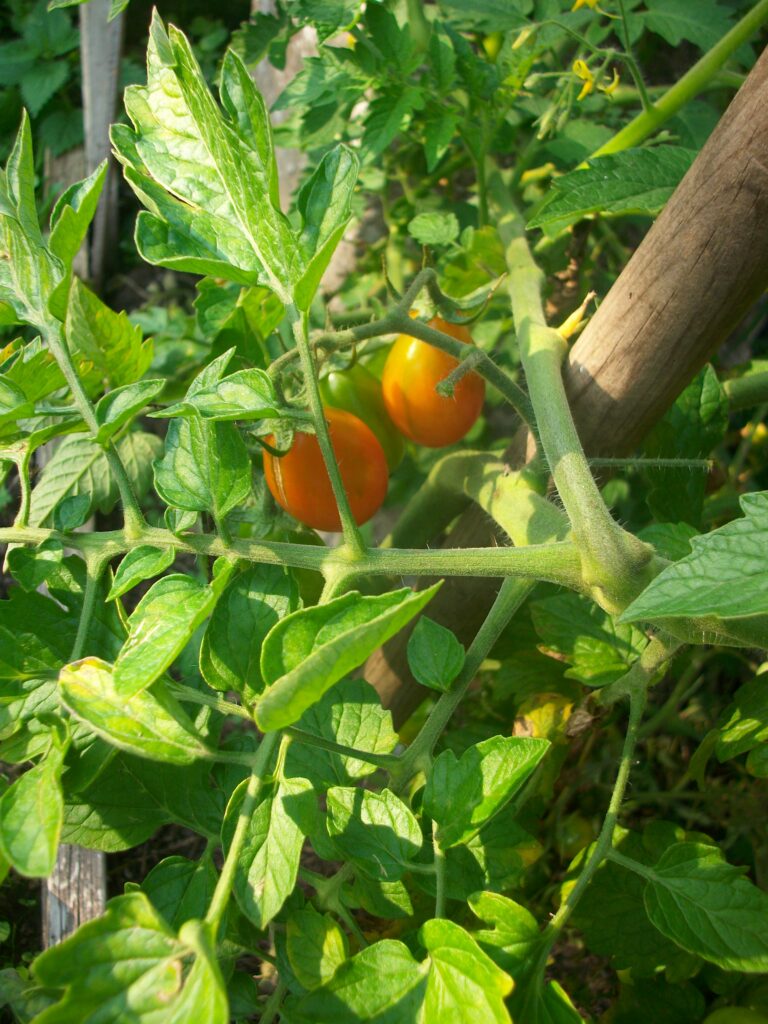
- tomatoes
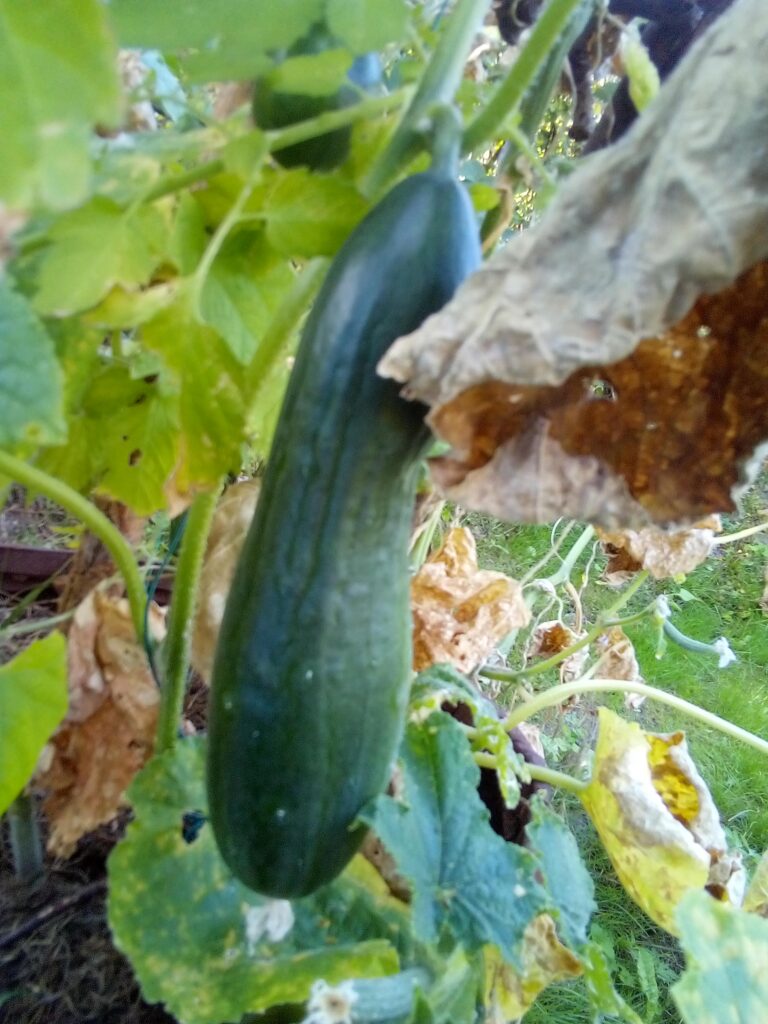
- cucumbers
- zucchini
- kale
- lettuce
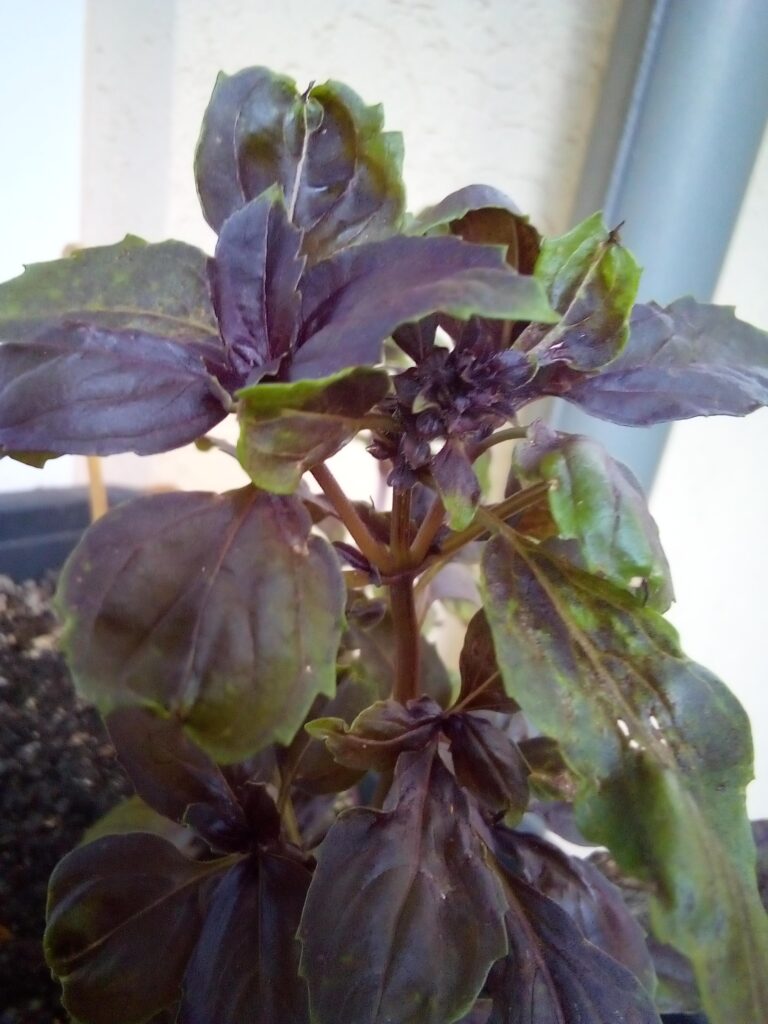
- herbs like basil and dill
These plants grow strong in nutrient-rich soil and benefit from the warm structure of raised beds.
A Simple Permaculture Idea
The idea behind this method is simple: the garden already produces the materials needed to build soil.
Branches become organic matter.
Leaves become nutrients.
Garden waste slowly turns into fertile soil.
With time the raised bed become more productive each season.
FAQs
What is the cheapest way to fill a raised garden bed?
The cheapest way is using natural garden materials instead of buying large amounts of soil. Many gardeners fill the bottom with branches, leaves, grass clippings and other organic waste, then add compost and soil on top. Over time these materials break down and create rich soil.
Can you fill a raised garden bed with branches and leaves?
Yes, many gardeners use branches, leaves and garden waste to fill the lower layers of a raised bed. This method improves drainage, saves money on soil and slowly creates organic matter as the materials decompose.
How deep should soil be in a raised garden bed?
Most vegetables grow well with about 20–30 cm (8–12 inches) of good planting soil on the top layer. The lower part of the bed can contain branches, leaves or compost that will break down over time.
Do raised garden beds need drainage at the bottom?
Yes, drainage is important so water does not stay in the soil. Many gardeners add branches, wood pieces or stones at the bottom of the bed to improve water movement and keep the soil healthy.