Companion gardening for mindful gardening beginners is often described as a method you need to learn first. Charts, plant lists, good neighbours, bad neighbours. For many people, this already feels like too much information.
In reality, companion gardening usually starts much earlier, often in winter, when there are no seeds in your hand and no pressure to act. This is the moment when people begin to notice how their garden behaved last year, even if they did not call it companion gardening back then.
This article explains what companion gardening is and how it works in a practical way. Not as a system to master, but as a way to reduce stress in the garden and in planning.

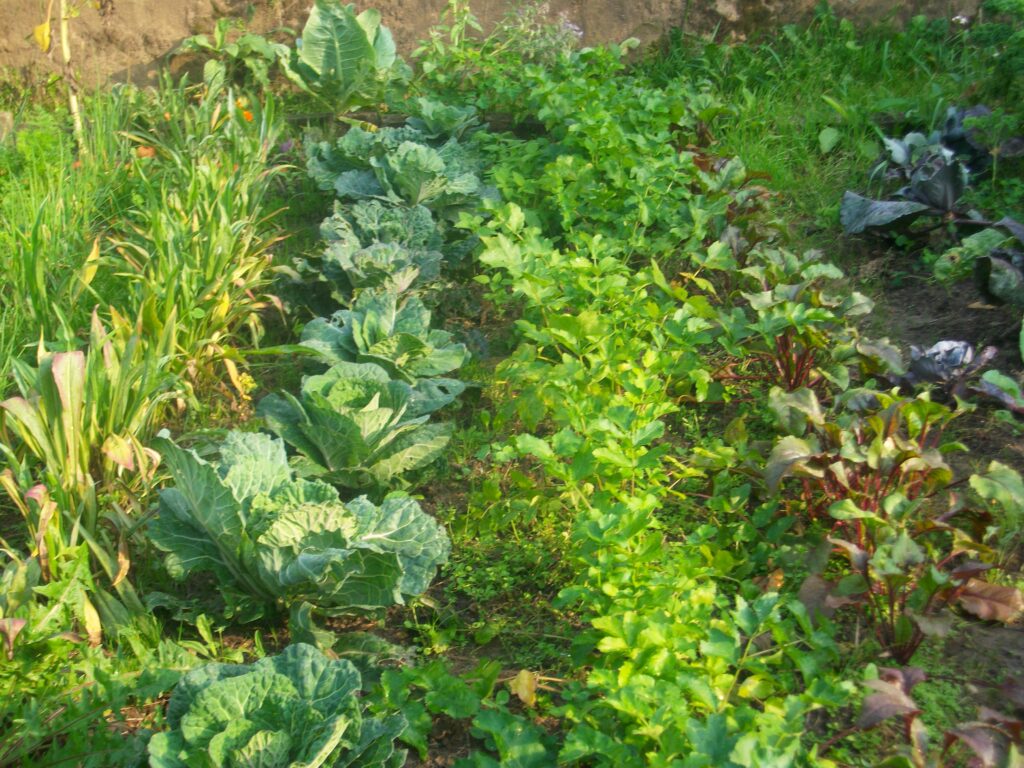
Winter Is Where Companion Gardening Begins
Companion gardening begins before planting decisions are made. Winter is often the only time when there is space to think without urgency.
January and February are useful months to look back at the last growing season:
- Which vegetables struggled even though they were planted “correctly”?
- Where did plants grow well with little attention?
- Which beds felt crowded or tired by late summer?
For companion gardening beginners, this kind of reflection is often skipped. Many people jump straight into planning combinations. But companion gardening works better when you first understand what already happened in your space.
Winter is not inactive time. It is quiet working time, even if it does not feel productive.
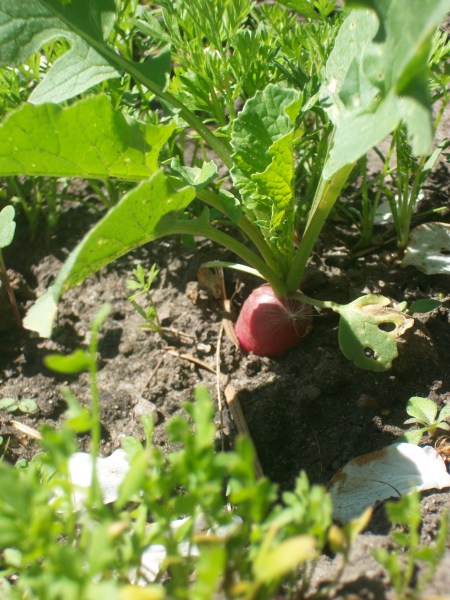
What Is Companion Gardening and How It Works
What companion gardening is and how it works can sound complicated, but the principle itself is simple.
Companion gardening means placing plants together so their needs do not directly compete. Some plants need more light, others tolerate shade. Some use shallow roots, others grow deeper. When these differences are respected, plants interfere with each other less.
Plants influence each other through light, scent, root systems and soil use. This happens whether we plan for it or not.
Companion gardening does not mean every combination will work. Some pairings fail, even when they look good on paper. That is part of the process and not necessarily a mistake.
Companion Gardening Relationship Between Plants
The companion gardening relationship between plants is often misunderstood as something harmonious. In reality, it is mostly about avoiding conflict.
Plants grow better together when:
- They do not compete for the same nutrients
- Their growth speed is different
- One plant offers shade or protection the other benefits from
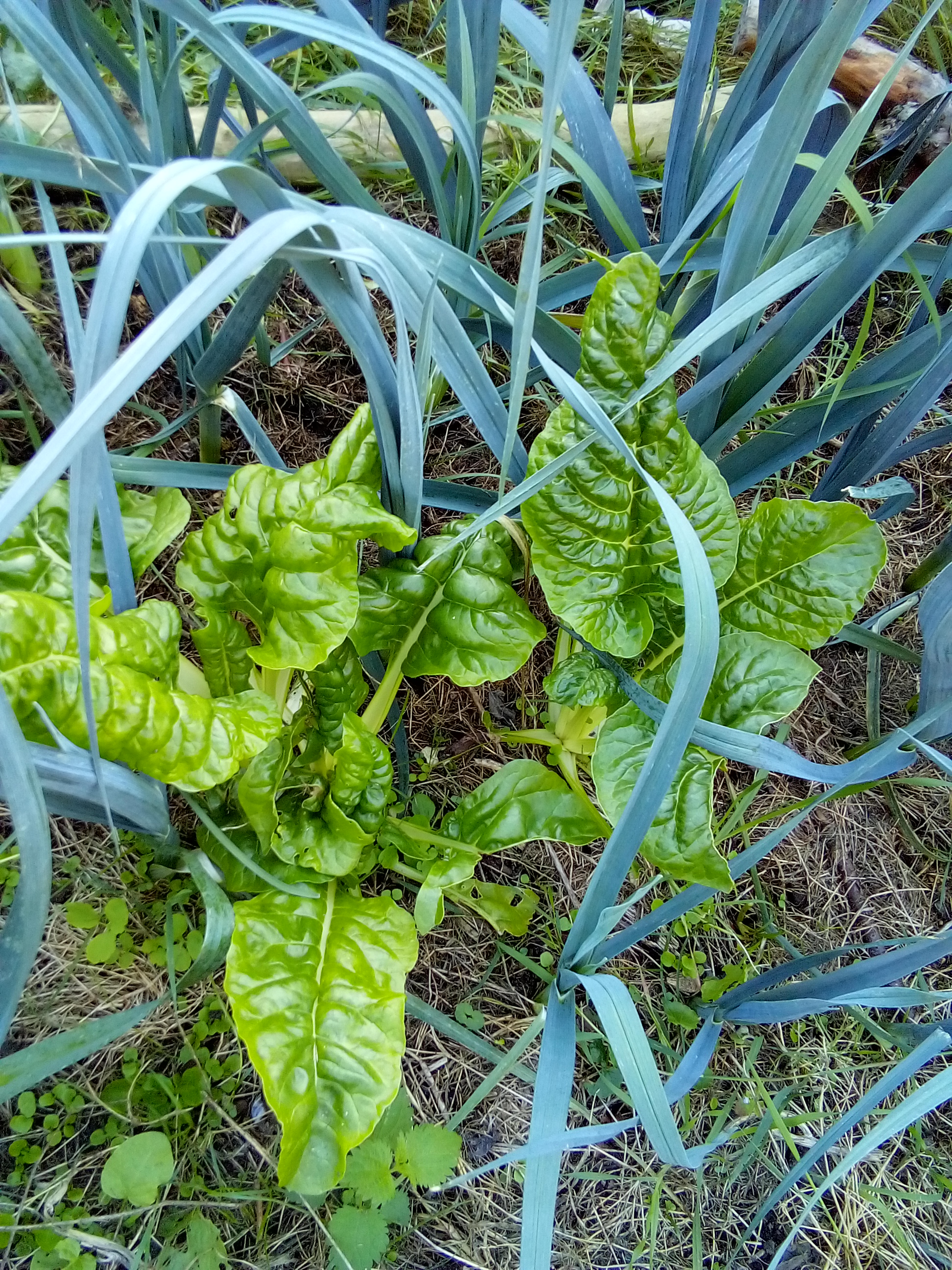
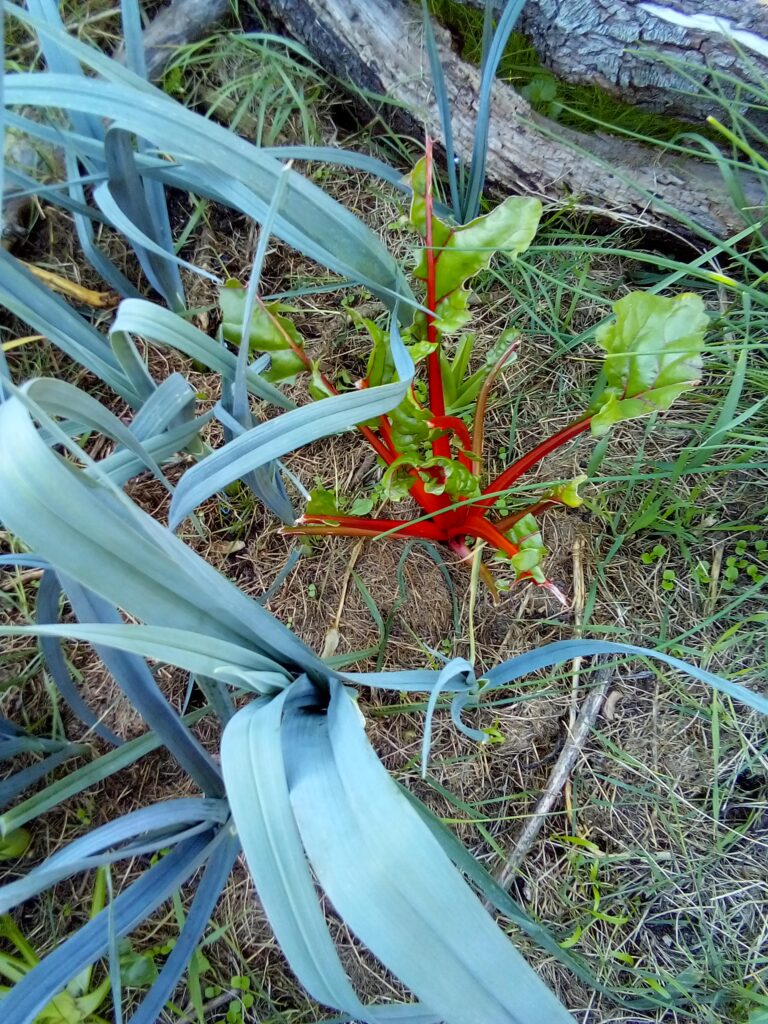
In vegetable gardens, planting large areas of the same crop often leads to problems. Pests find their food quickly, and soil nutrients are used unevenly. Mixed planting does not solve everything, but it changes the dynamic.
Not all plants need companions. Some do fine on their own. This is often forgotten when companion gardening is explained online.

Benefits of Companion Gardening for Vegetable Gardens
The benefits of companion gardening for vegetable gardens usually appear slowly. They are not always visible in the first season.
Common benefits include:
- Fewer pest outbreaks over time
- Better soil structure due to mixed root systems
- Improved moisture retention in planted beds
- More stable growth, even in difficult weather
Companion gardening does not replace basic care. Watering, soil preparation and timing still matter. But it can reduce the number of problems that need fixing later.
For people with limited time, this is often the main advantage.
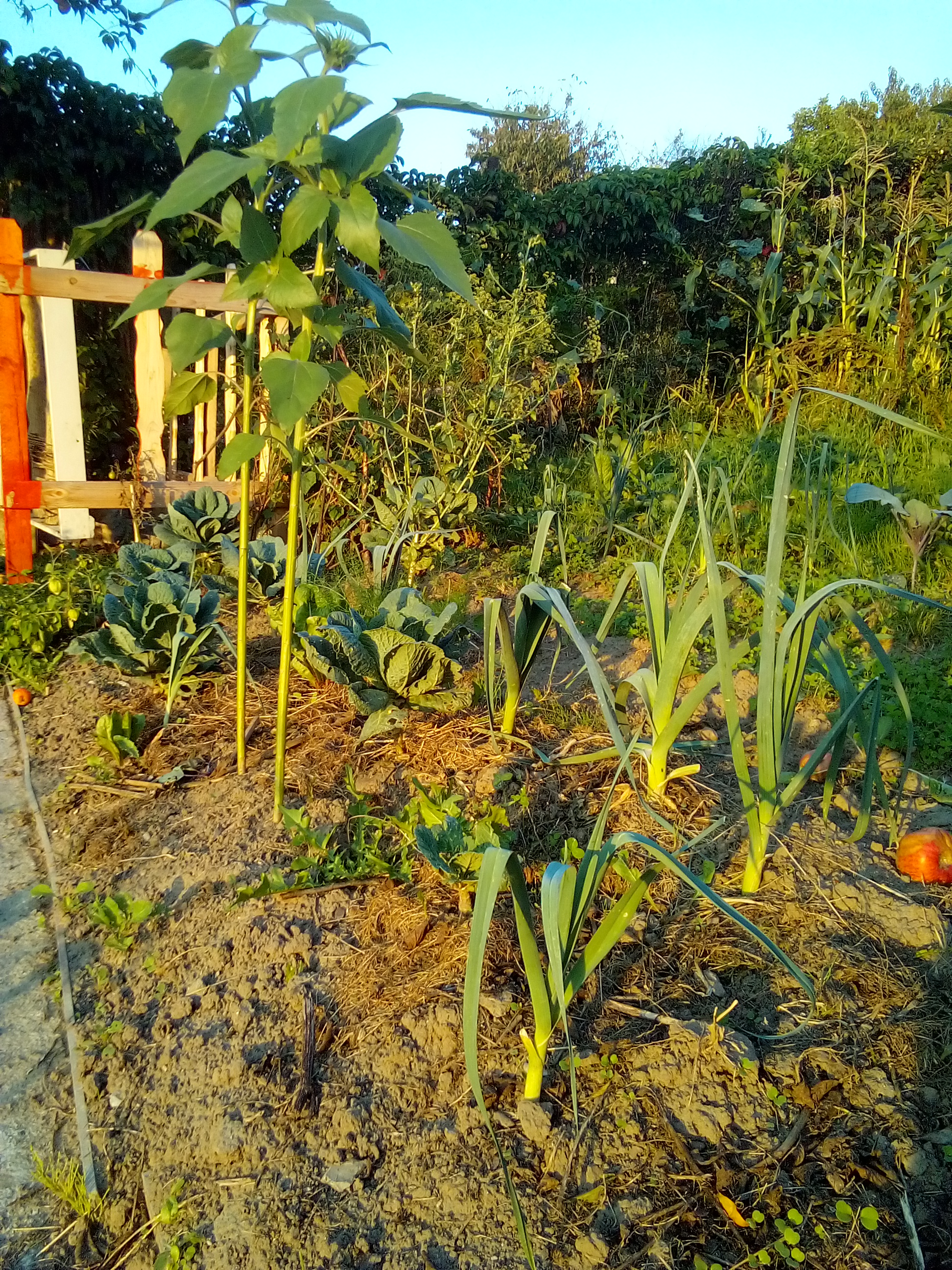

Mindful Gardening Tips for Companion Planting: Five Core Principles
These mindful gardening tips for companion planting are not rules. They are starting points.
Observation
Spend time watching how plants grow before changing combinations. This sounds obvious, but it is often skipped.
Space
Companion plants still need room. Crowding plants together rarely improves relationships.
Timing
Plants that grow well together often peak at different times, which reduces competition.
Support
Support can be active, like pest reduction, or passive, like providing shade without intervention.
Letting Go
If a pairing does not work, it does not need to be repeated. Adjusting next season is enough.
Not every principle applies equally in every garden. That is normal.
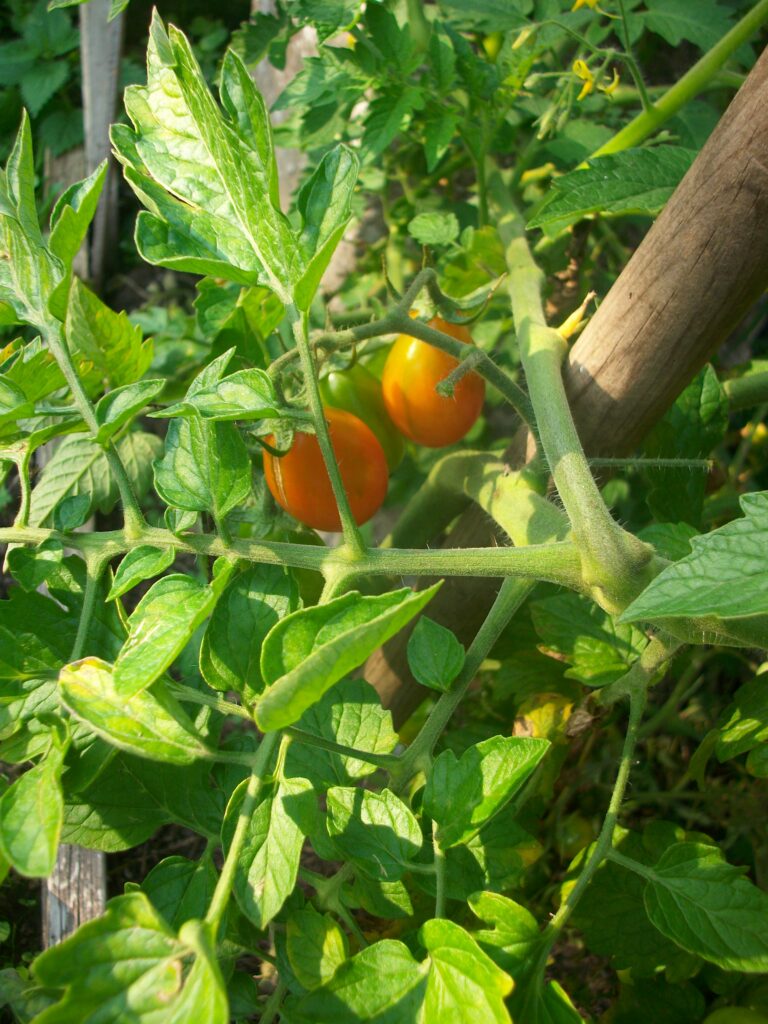
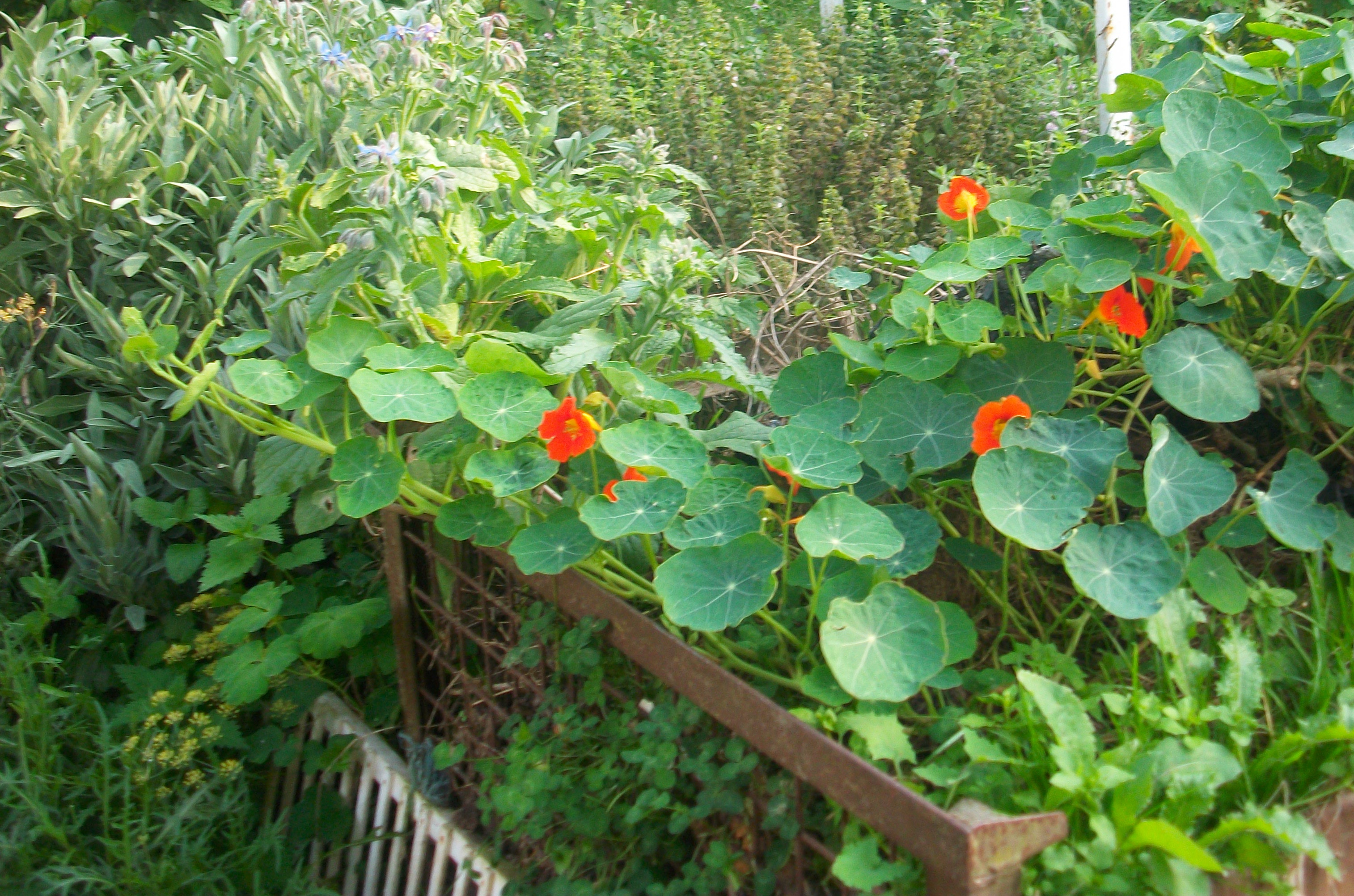
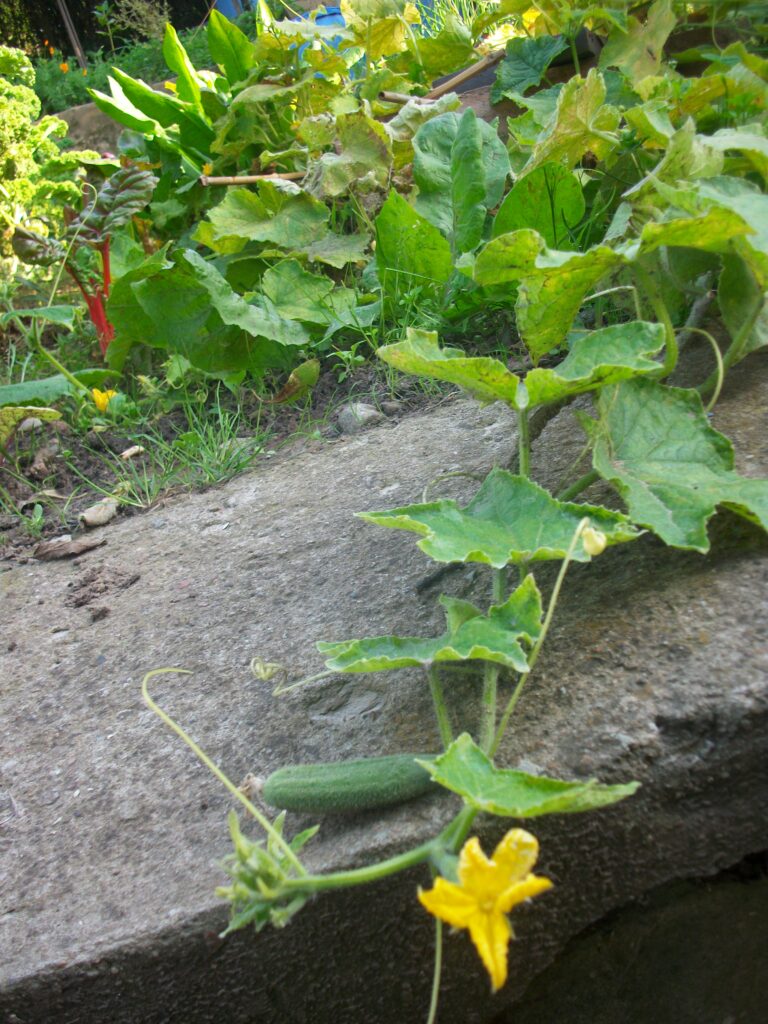
How This Companion Gardening Series Supports Beginners
This series is written for people who want to understand companion gardening without turning it into a complex project.
In the next articles, we will look at:
- Simple companion planting examples and why they often work
- Situations where classic companion pairs fail
- How to plan companion gardening with limited time and energy
Companion gardening is not about doing more.
It is about removing unnecessary effort.
Winter is where that process usually starts.
A simple example of this approach can be seen in my garden here—maize (Batama maize), pumpkin, and borage flowers growing side by side in this short.
Frequently Asked Questions – Companion Gardening
What is companion gardening and how does it work?
Companion gardening is a way of placing plants together so they support each other instead of competing. It works through differences in root depth, growth speed, scent, and space use. Some plants protect others from pests, some improve soil conditions, and some simply coexist without stress. The goal is not perfect combinations, but fewer problems over time.
Is companion gardening suitable for beginners?
Yes, companion gardening is especially suitable for beginners because it focuses on observation rather than strict rules. You do not need to memorise charts to start. Paying attention to which plants grow well together in your space is often more effective than following generic combinations.
What are the main benefits of companion gardening for vegetable gardens?
The main benefits of companion gardening for vegetable gardens include reduced pest pressure, better soil health, improved moisture retention, and more stable plant growth. These benefits usually appear gradually and help reduce the amount of corrective work needed during the season.
Do companion planting charts always work?
Companion planting charts can be helpful as a reference, but they do not always work in every garden. Soil type, climate, spacing, and timing all influence results. Companion gardening works best when charts are used as suggestions rather than fixed rules.
When should you start planning companion gardening?
Planning companion gardening ideally starts in winter. This is the best time to review what worked and what struggled in the previous season. Observing patterns before planting allows you to make better companion planting decisions in spring without rushing.