Companion gardening doesn’t need big beds or neat rows. Even a tiny setup—a balcony, a patio, a few steps, or one small raised bed—can support really good plant relationships. You just have to stop trying to do too much at once.
If you’re looking for the calm “why” behind this way of gardening (not just lists of plant combos), you can start here: How to Companion Gardening – Growing Together, Not Alone. It’s the kind of intro I wish I had back when I was following charts that never quite worked.
This post is about companion gardening tips for small urban gardens—containers, grow bags, planters, and compact raised beds. The kind of spaces where every decision shows up pretty fast.
Winter Planning for Small Spaces
Small gardens don’t hide mistakes very well. In a tight space, one crowded pot can turn into months of wondering why everything looks stressed.
That’s why companion gardening starts in winter for me. Not with planting. Just with looking back. Which plants seemed fine together last year? Where did things start competing? Which spots dried out too fast, stayed soggy, or just felt worn out?
Winter planning isn’t about fixing anything yet. It’s slower than that. You’re not rushing. You’re just paying attention so spring doesn’t feel chaotic.
Fewer Plants, Stronger Relationships
One of the easiest companion gardening tips for small urban gardens is planting less. I know it sounds boring. But fewer plants usually means healthier growth, fewer problems, and honestly, way less work.
In small spaces, overplanting creates fake companion gardening. Plants are technically together, but underneath they’re fighting for water, air, and space. And you feel that later.
A small garden works better when each plant has room to exist. That’s when things look calm instead of constantly on edge.
Companion Planting in Containers
Containers are where a lot of real-life gardening happens. Buckets, grow bags, railing planters, self-watering pots. So this balcony companion gardening guide keeps things practical and realistic.
In containers, good companions usually aren’t about tradition. They’re about getting along. Look for plants that share similar needs instead of forcing classic pairings.
- Water rhythm – some plants hate drying out, others need it
- Growth speed – fast growers can easily overpower slow ones
- Root space – pots don’t negotiate, space is limited
- Light – balconies and patios change fast over the day
The best companion plants for containers and small spaces are usually the ones that don’t pull in opposite directions.
Raised Beds Without Crowding
Small raised beds look so tidy that it’s tempting to fill every gap. I’ve done that. It never ends well.
Companion gardening for tiny raised beds works best when you leave visible space. Not because soil is being wasted, but because plants need room to adjust.
- better airflow and fewer disease issues
- less competition underground
- watering that actually reaches the soil
- beds that don’t feel exhausted halfway through the season
If you want urban gardening companion combinations that last, choose plants that behave like good neighbors. Calm ones. Not the ones that take over everything.
Small-Space Companion Combos (Realistic Examples)
These combinations work well in patios, balconies, and compact raised beds. Nothing fancy. Just pairings that usually make life easier instead of harder.
| Small-space setup | Companion combo | Why it works | Notes |
|---|---|---|---|
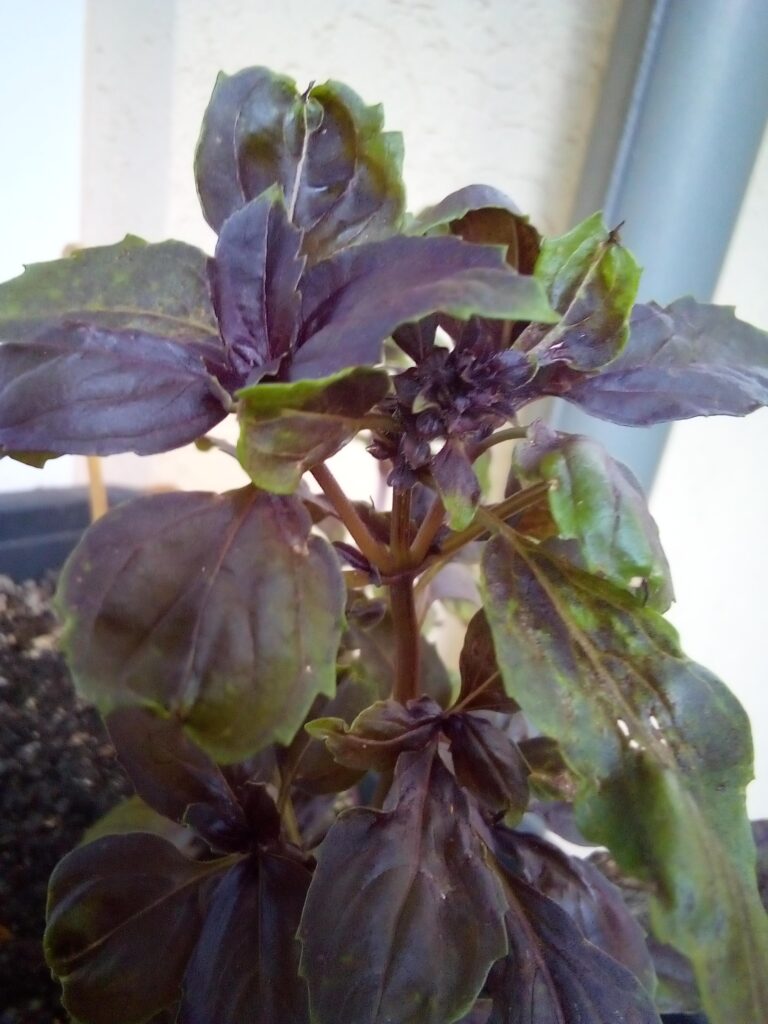
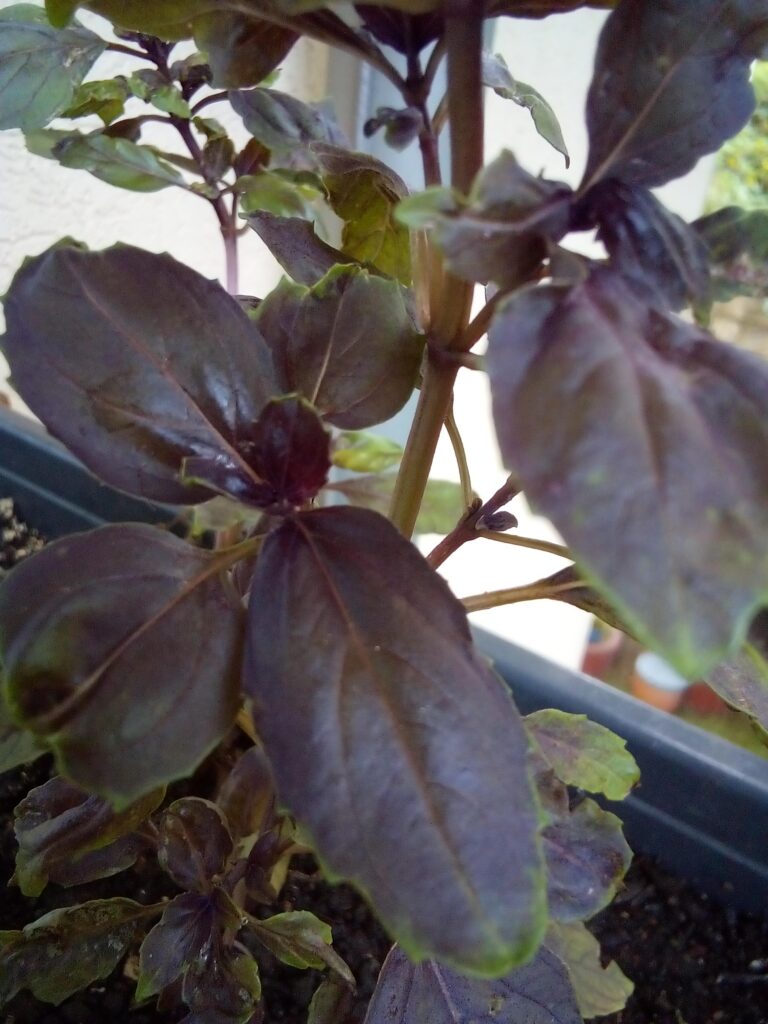
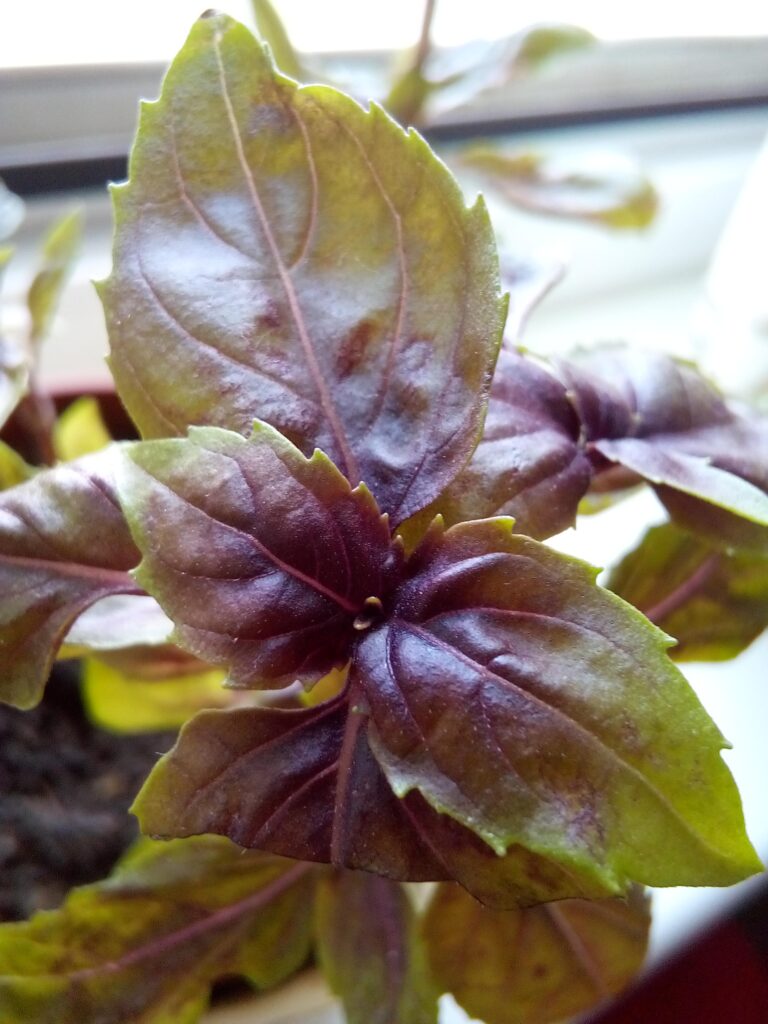
| Large container (ca. 40–60 L) | Tomato + basil + marigold | Shared warmth, manageable growth, a bit of diversity | Use support early. Don’t add extra plants just because there’s space. |
| Grow bag or pot (ca. 25–30 L) | Pepper + basil or chives | Similar needs, easy harvest | One main plant per container works best. |
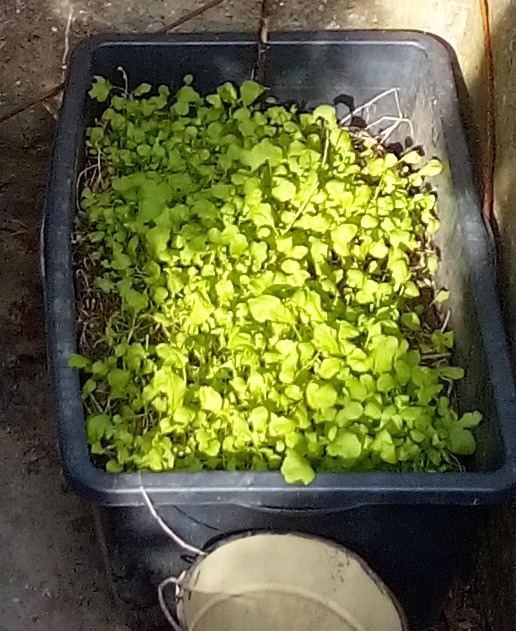
| Window box or balcony planter (min. 15–20 L) | Lettuce + radishes | Fast harvest meets slow growth | Harvest radishes early to avoid crowding. |
| Small raised bed (ca. 1–1.2 m²) | Carrots + green onions | Different root habits, low conflict | Thin carrots well. They need more space than you think. |
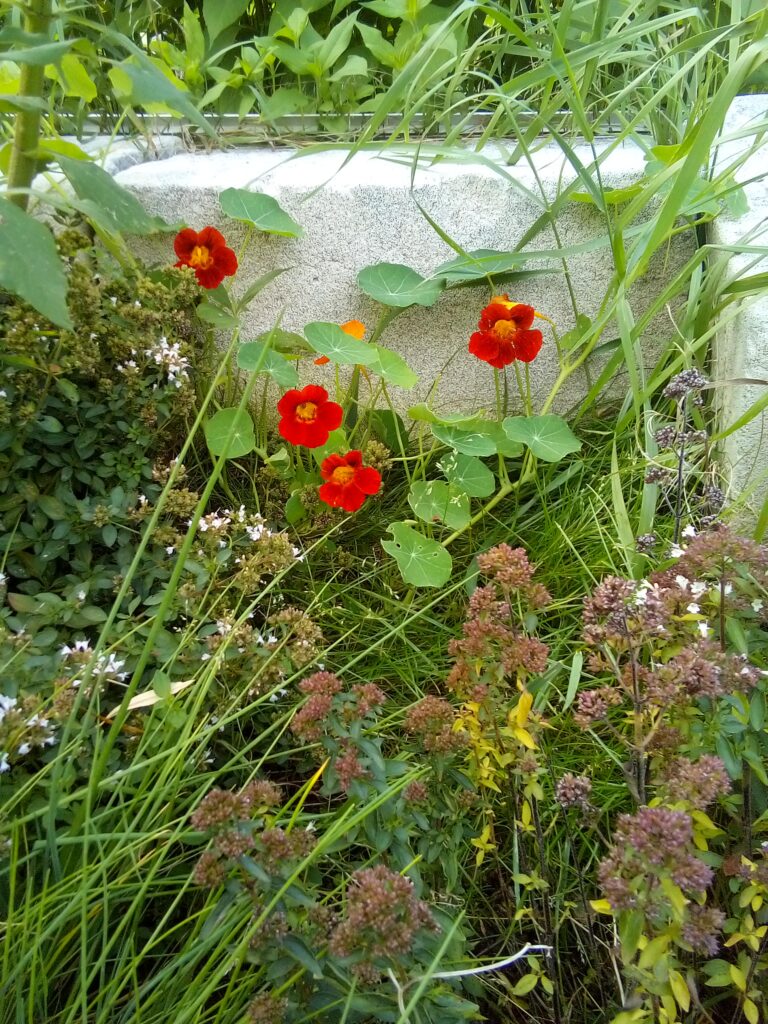
| Large pot with trellis (min. 50–60 L) | Cucumber + nasturtium | Vertical growth saves space | One cucumber per pot. No exceptions. |
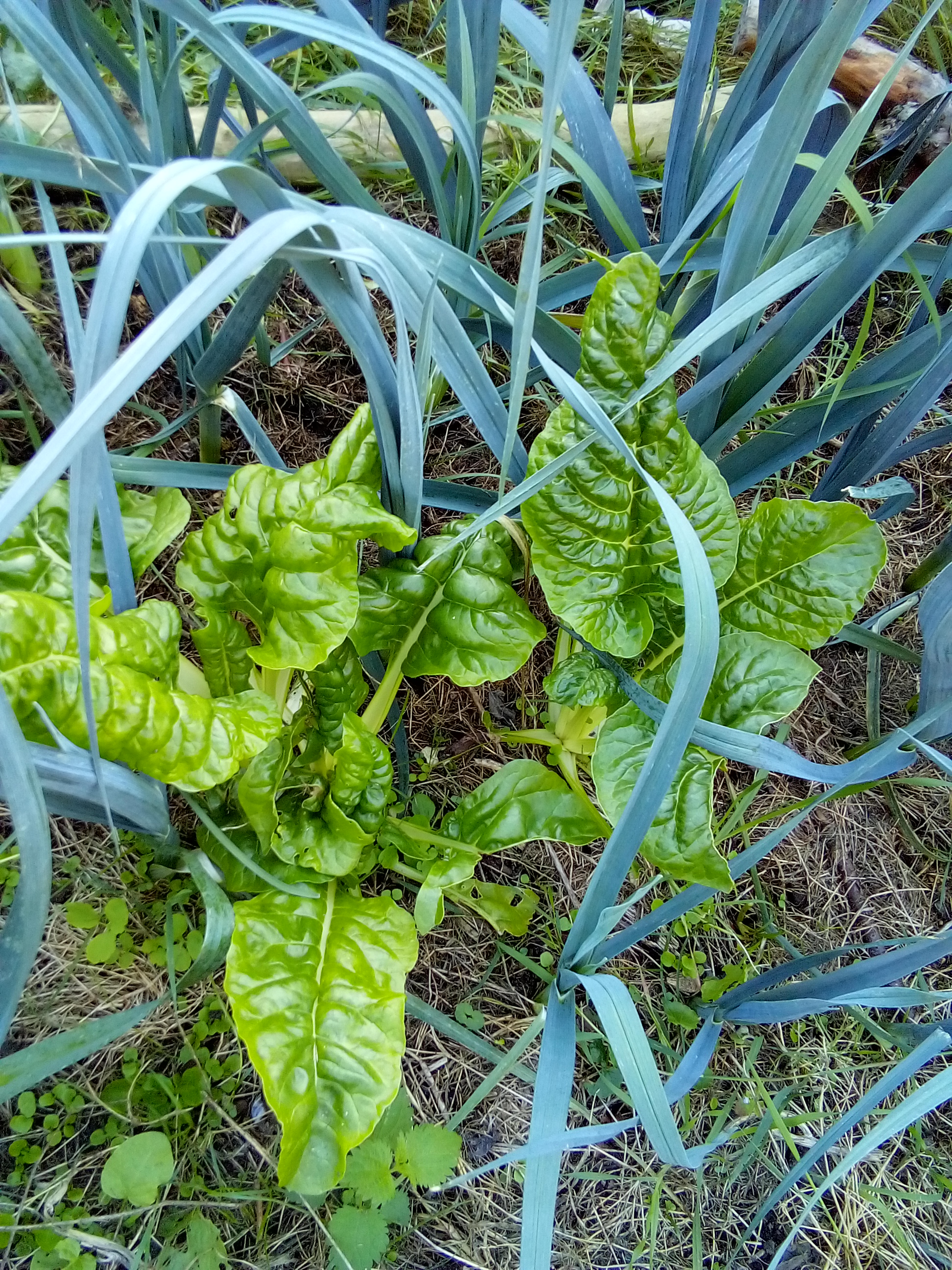
| Raised bed or deep container (min. 30–40 L) | Lacinto Kale/ Kale + chives | Steady growers, low drama | Lacinto Kale and Kale get big. Give it room. |
| Herb container (wide, ca. 15–25 L) | Parsley + cilantro + chives | Easy harvest, similar care | Cilantro won’t last forever. That’s normal. |
Letting Go of “More”
Small gardens teach this pretty fast: more plants don’t automatically mean more food. Most of the time it just means tired soil and you constantly adjusting things.
Once you let go of “more,” companion gardening gets easier. The garden starts supporting you instead of demanding attention all the time.
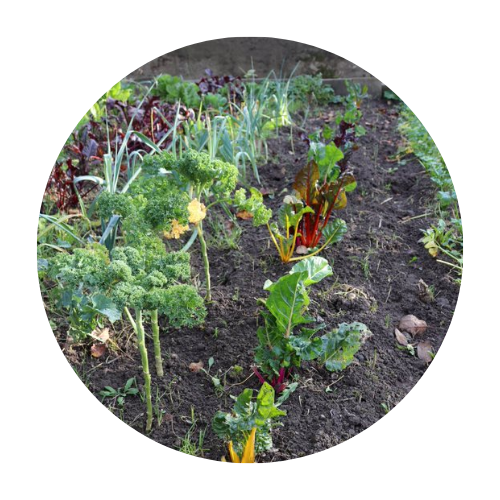
You can see what that looks like in practice in the examples linked below—an autumn bed with radicchio, carrots, radishes, and lamb’s lettuce growing side by side, and preserved coriander, zucchini, and corn turning the harvest into simple homesteading food.
If you’re working with limited space, aim for combinations you can repeat without stress. A few plants that get along will feed you better than a crowded setup that needs fixing every week.
If there’s one thing to remember, it’s this: start in winter, notice what happened, then plant less on purpose.
Frequently Asked Questions
Does companion gardening really work in small or urban gardens?
Yes, it does—but it looks different than in large beds. In small spaces, it’s less about classic rules and more about reducing stress between plants. If you want the mindset behind this approach, How to Companion Gardening – Growing Together, Not Alone explains it in detail.
What’s the biggest mistake in companion gardening for containers?
Planting too much. Containers hit their limits fast. Even good combinations fail when roots and water have nowhere to go. I write openly about this in Companion Gardening Mistakes I Made (So You Don’t Have To).
Do classic companion planting combinations still matter in small spaces?
They can help as a starting point, but they aren’t guarantees. Some work well, others fall apart when space is tight. If you want examples that usually hold up, see Classic Companion Planting Combos (That Actually Work).
How do I know if plants are competing instead of helping each other?
Slow growth, constant wilting, yellowing leaves, or soil drying out too fast are common signs. Plants show stress long before they fail. The Language of Plants – Why Some Grow Better Together looks at what’s happening underneath.
Does soil matter more than plant combinations?
Often, yes. Especially in containers and raised beds, tired soil causes problems fast. Even good companions can’t fix exhausted soil. This guide explains how to rebuild it over time: Learn How to Start a Compost Pile Step by Step.
If You Want to Go One Step Deeper: Seeds That Keep Going
If companion gardening helped you slow down and notice patterns, seed saving is the next quiet step. It’s not about doing more. It’s about keeping what already worked.
Here are three posts to explore next:
- Why I Always Choose Open-Pollinated Seeds – what they changed in my garden, and why I trust them more over time: read more …
- Where to Buy Certified Open-Pollinated Seeds in Germany – a practical guide if you want good sources without guessing: read more …
- DIY Tomato Seeds: Save & Ferment – the simple method that makes seed saving feel doable (not like a science project): read more …