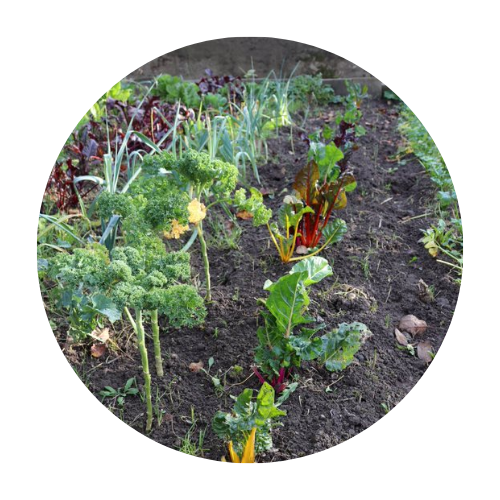
I used to think companion gardening was about choosing the right combinations. Tomatoes with basil. Carrots with onions. Things that “work.”
What companion gardening teaches about life and healing didn’t arrive as a lesson for me. It showed up slowly, season after season. A quiet practice of noticing. Of learning when to step closer, and when to leave space.
Winter as the Quiet Teacher
Winter doesn’t explain itself. It doesn’t hurry. It doesn’t correct. It just waits.
In the garden, winter taught me that reflection comes before action. Nothing is growing fast enough to distract you. Patterns are easier to see when nothing is demanding attention.
That’s where companion gardening and mindful living begin to overlap. You stop asking what to do next. You start asking what already happened.
Frida used to say, “If you listen long enough, the garden tells you what it needs.” I didn’t understand that at first. I do now.



Plants and Boundaries
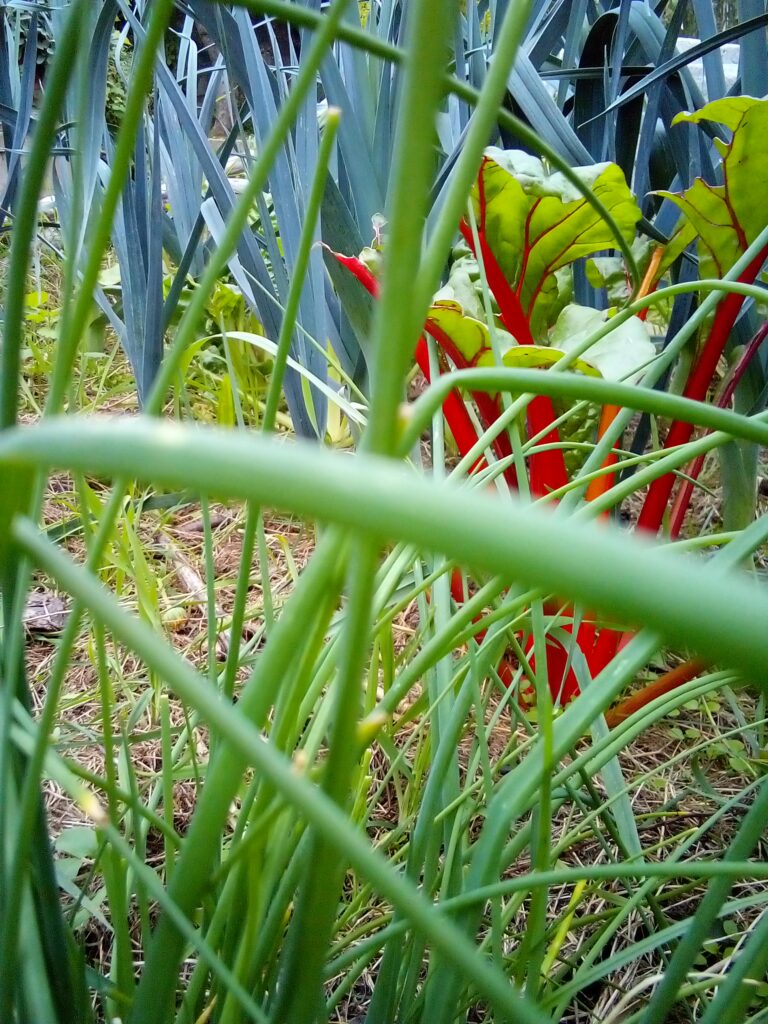
One of the clearest gardening lessons about patience and boundaries came from planting too close. Not out of carelessness, but hope. Wanting more growth, more harvest, more proof that things were working.
Plants don’t respond well to crowded kindness. They don’t need constant closeness. They need room.
Companion gardening showed me that healthy relationships depend on boundaries. Not walls. Just enough space to grow without pressure.
Support Without Control
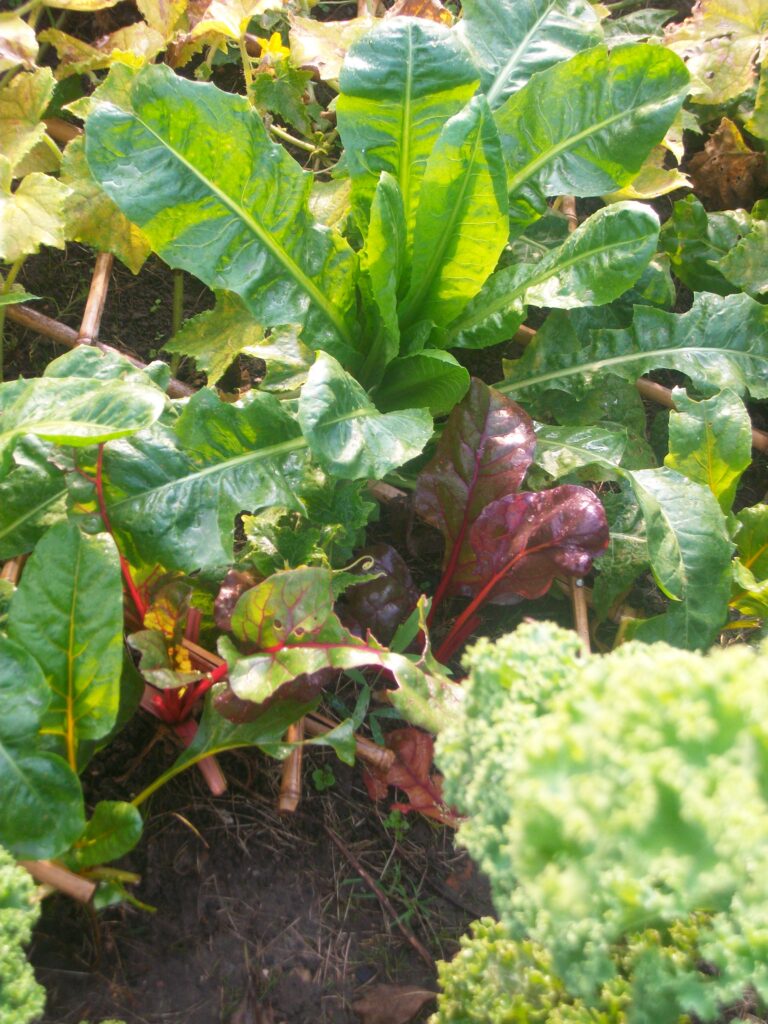
There is a big difference between support and control. I learned that the hard way.
Trying to fix every yellow leaf. Adjusting soil that didn’t ask for it. Moving plants that were already adapting.
The deeper meaning of companion planting isn’t about making plants behave. It’s about creating conditions where they can respond on their own.
When I stopped interfering so much, growth didn’t become perfect. It became steadier. Calmer. More honest.
Gardening and the Nervous System
I didn’t set out to learn how gardening heals the nervous system. It happened quietly.
Hands in soil. Slow movements. Repetition without urgency. The garden doesn’t reward panic. It responds to rhythm.
Companion gardening, especially, asks you to pause before reacting. To notice before fixing. That shift changes more than the bed you’re standing in.
Over time, my body learned that not everything needs immediate correction. Some things need space. Some need time.
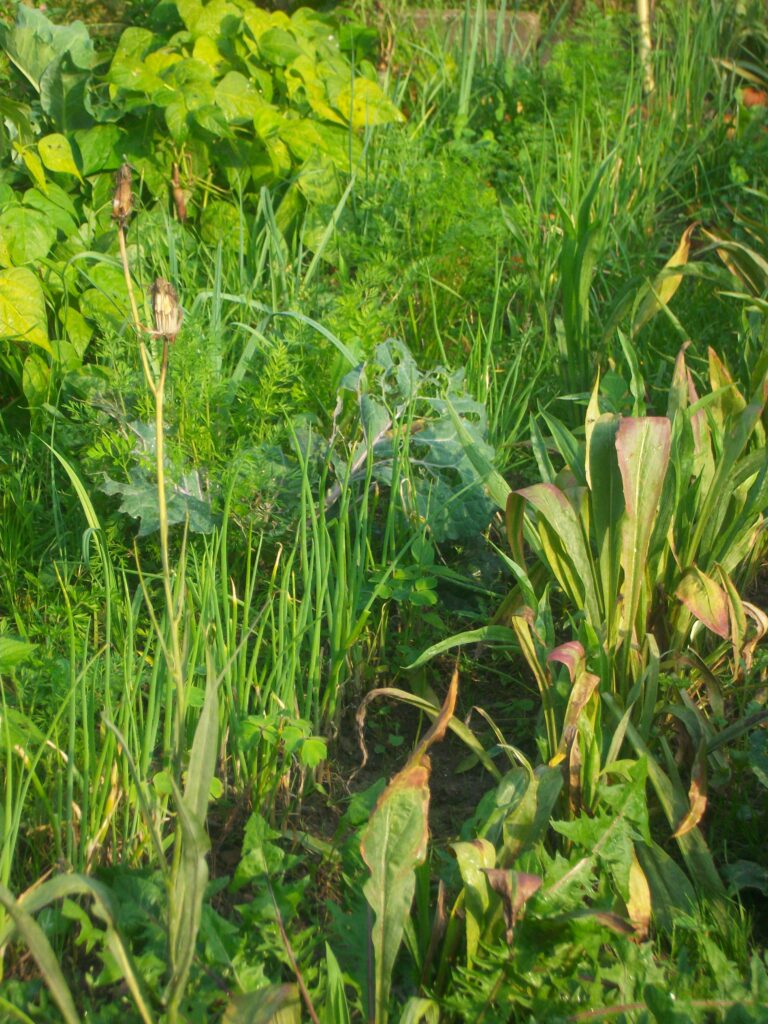
An Invitation to Grow Differently
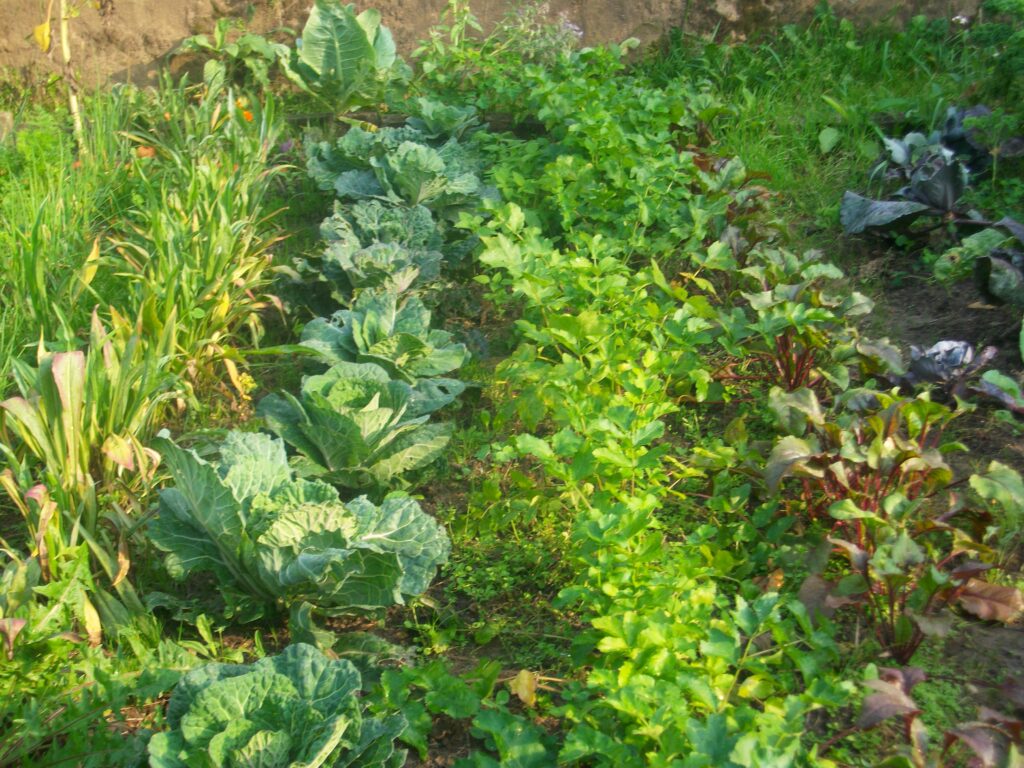
What companion gardening teaches about life and healing isn’t a method. It’s an invitation.
In winter, that invitation feels especially clear. The garden is quiet. There’s nothing to fix. You remember how things grew, and you start dreaming again—sometimes with a jar of preserved vegetables from your own harvest on the table. That, too, is part of the relationship. Gardening doesn’t stop when the beds are empty.
It invites you to slow down. To trust small adjustments. To accept that support doesn’t mean control, and care doesn’t mean closeness.
If you want to stay with that feeling a little longer, you might enjoy exploring my homestead recipes—simple ways the garden continues to nourish daily life, long after the season has passed.
And if you want to return to the practical side of companion gardening, you can always go back to How to Companion Gardening – Growing Together, Not Alone. The techniques matter.
But the relationship comes first.
FAQs – How to homestead
What companion gardening teaches about life and healing?
Companion gardening teaches about life and healing by showing how growth depends on balance, timing, and respect for boundaries. Plants thrive when they are supported, not controlled, which often mirrors what we need for our own well-being.
How is companion gardening connected to mindful living and homesteading?
Companion gardening and mindful living share the same rhythm: observing before acting and working with natural limits. In homesteading, this approach reduces waste, supports soil health, and creates food systems that feel calmer and more sustainable over time.
Can gardening help regulate the nervous system?
Yes, gardening can help calm the nervous system through slow movement, sensory input, and repetition. Companion gardening in particular encourages pausing and observing, which supports relaxation and reduces constant stress responses. Read more on my blog post.
What gardening lessons help with patience and boundaries in daily life?
Gardening lessons about patience and boundaries often come from spacing plants correctly and resisting overplanting. Learning to give plants room teaches that care doesn’t mean closeness and that healthy growth needs space.
Why does companion planting matter in long-term homesteading health?
The deeper meaning of companion planting in homesteading lies in resilience. Healthy plant relationships support soil life, reduce interventions, and create food systems that nourish both the land and the people living from it. Learn more about why I use open-pollinated seeds and why I love green asparragus for gut health.