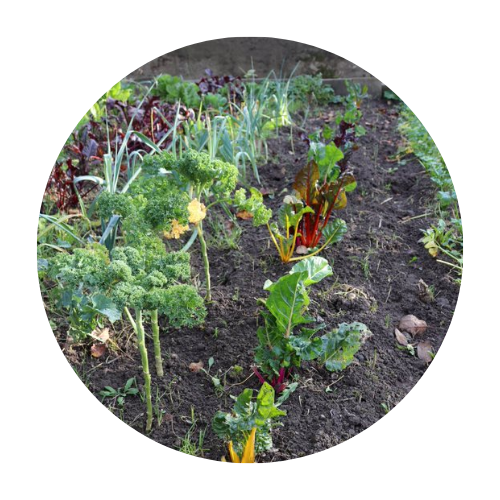
Classic companion planting combinations are often shared as confident lists. Plant this with that. Avoid this completely. Follow the chart and everything should work.
For beginners, that promise feels reassuring. For busy people, it usually turns into pressure.
Most gardens don’t struggle because of one wrong pairing. They struggle because too many decisions are made at the same time. This article focuses on a small set of classic companion planting combinations that tend to work in real gardens. They are forgiving, flexible, and practical enough to survive busy weeks and changing weather.
If you want the broader thinking behind this approach, it helps to start with How to Companion Gardening – Growing Together, Not Alone, where the foundations of companion gardening are explained more slowly.
Why We Plan Classic Companion Planting Combinations in Winter
Winter is the easiest time to plan combinations. Nothing is growing fast enough to demand action.
Planning classic companion planting combinations in winter gives distance. You can remember which beds felt calm and which felt demanding. That memory matters more than any planting chart.
Decisions made calmly in winter usually hold better in spring. You are less likely to overcrowd beds or choose combinations that look impressive but require constant correction. I still get this wrong some years and plant too much anyway, but winter planning usually helps me reset. This way of planning grows out of learning to read plant relationships more closely, which I explore in The Language of Plants – Why Some Grow Better Together.
Classic Companion Planting Combination: Tomatoes and Basil
Tomatoes and basil are one of the most familiar companion planting combinations.
They work well together because their timing and needs overlap. Basil stays lower, tomatoes grow upward, and both prefer similar watering. Basil’s scent can make it slightly harder for pests to focus on tomatoes, though it is never a guarantee.
What makes this combination beginner-friendly is rhythm. They are planted around the same time, cared for in similar ways, and harvested alongside each other. It feels manageable, which matters more than perfect yields.
Classic Companion Planting Combination: Carrots and Dill
Carrots and dill cooperate mostly below the surface.
Carrots grow downward, dill stays light and open above ground. This creates space in both directions. Dill also attracts insects that help balance the bed, but the effect builds slowly and is easy to miss.
This is a quiet combination. You might forget it was planned at all. I have harvested carrots before and only then noticed how much dill had been growing around them the whole time.
Classic Companion Planting Combination: Carrots and Onions
Carrots and onions are another reliable classic.
They share space well because they grow in different layers, and their scents interfere with pests that would otherwise focus on one crop. This does not eliminate problems, but it often reduces them.
This pairing rarely looks tidy while growing. It can appear uneven or slightly chaotic. But at harvest, the balance usually becomes obvious. Fewer damaged roots. Fewer unpleasant surprises.
I have planted them together many times without much planning. Usually, that is when they work best.
Classic Companion Planting Combination: Kale and Calendula
Kale and calendula combine strength and softness in one bed.
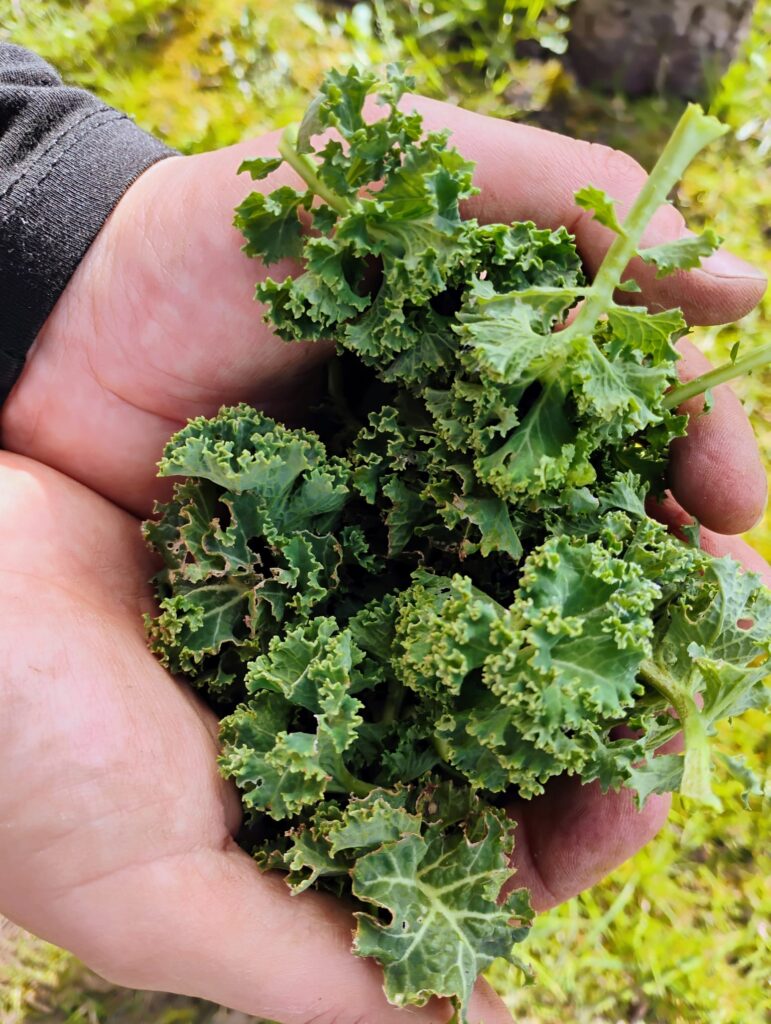
Kale is sturdy and visually dominant. Calendula fills gaps, stays flexible, and attracts insects that benefit the whole area. The flowers don’t protect kale in any dramatic way, but their presence changes the overall dynamic.
This combination works well in low-maintenance gardens. Calendula reseeds easily, kale can be harvested over a long period, and neither needs constant adjustment. It is not always neat, but it holds together.

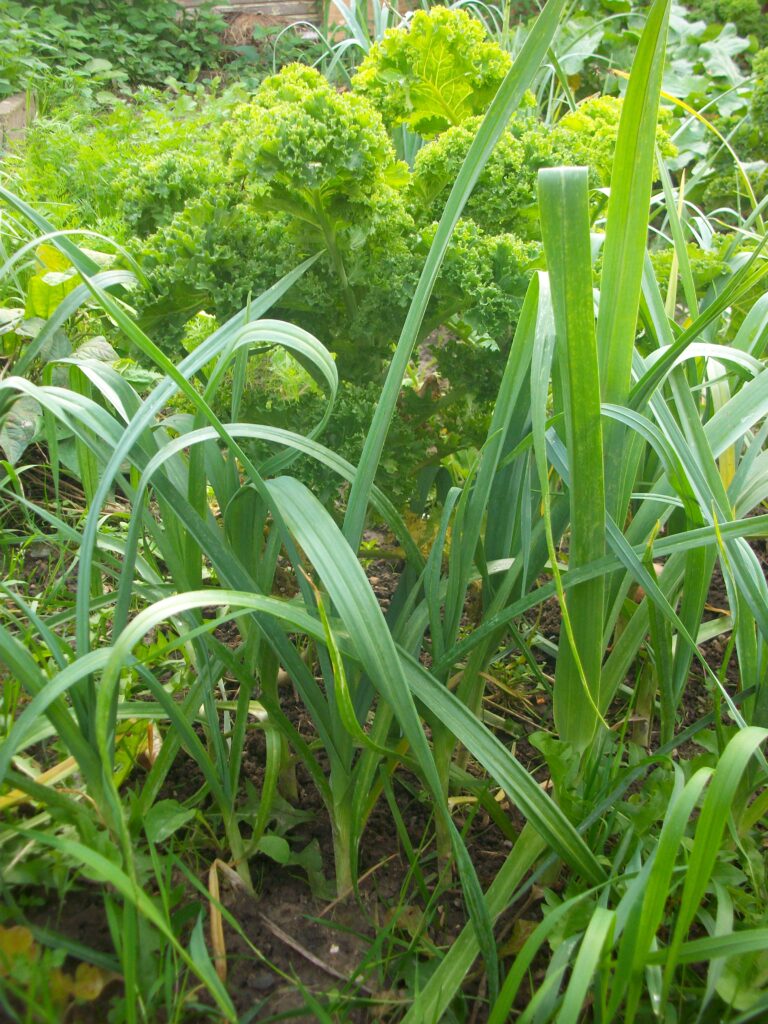
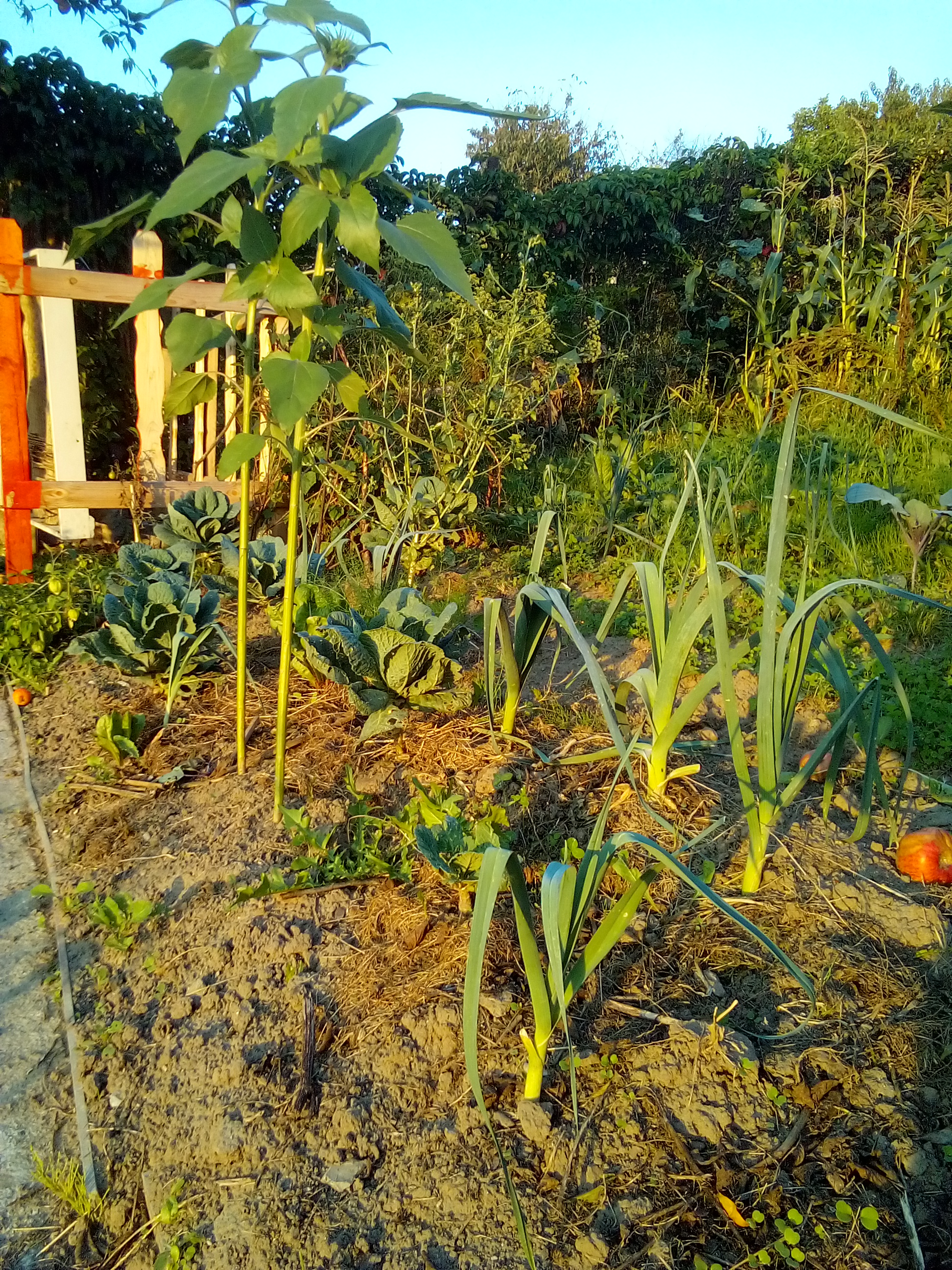
Classic Companion Planting Combinations: Leeks with Chard and Leeks with Cabbage
These are my personal favourites, mostly because they fit real life.
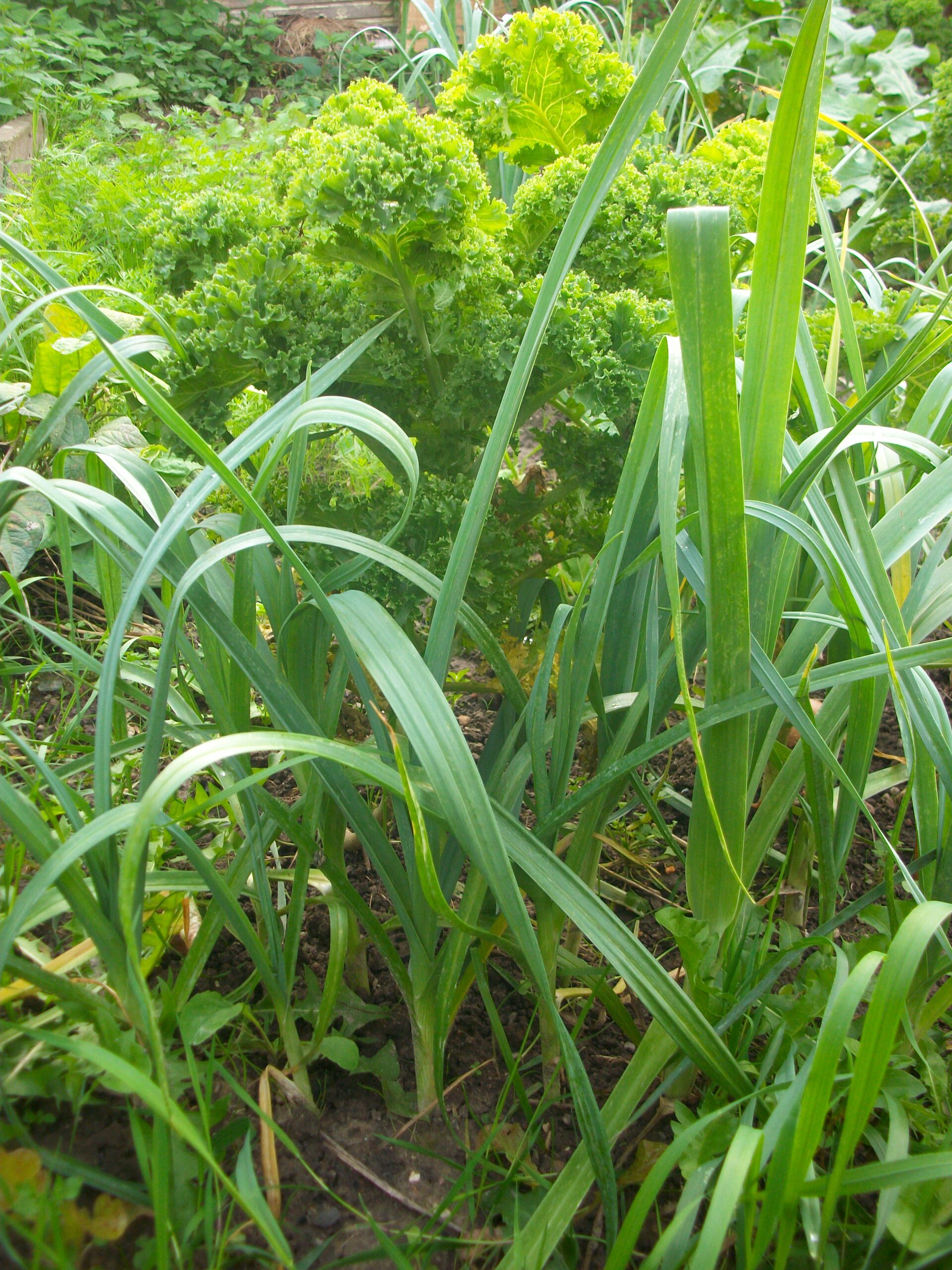
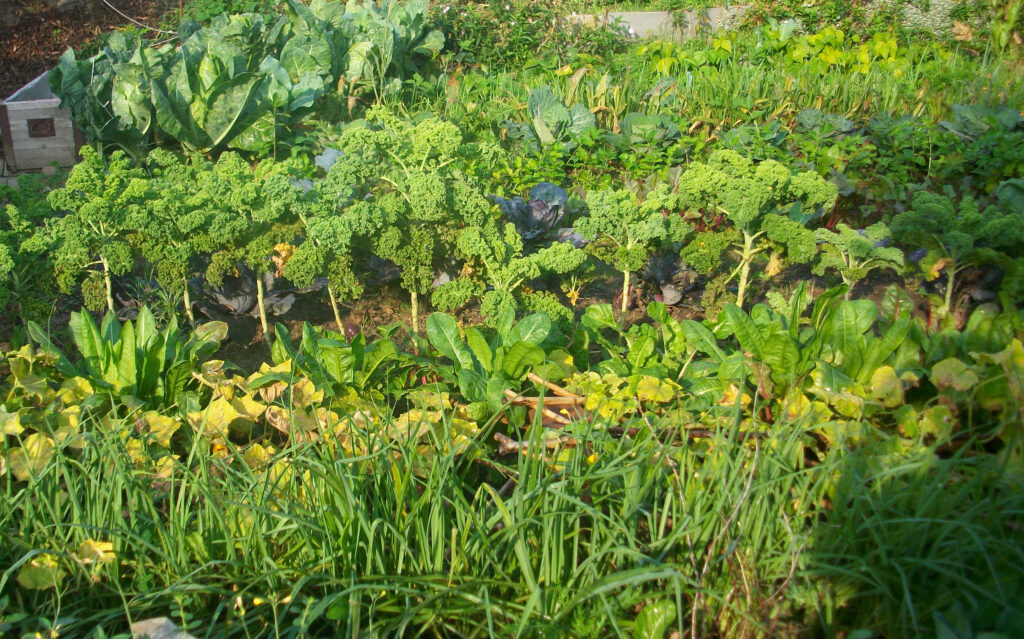
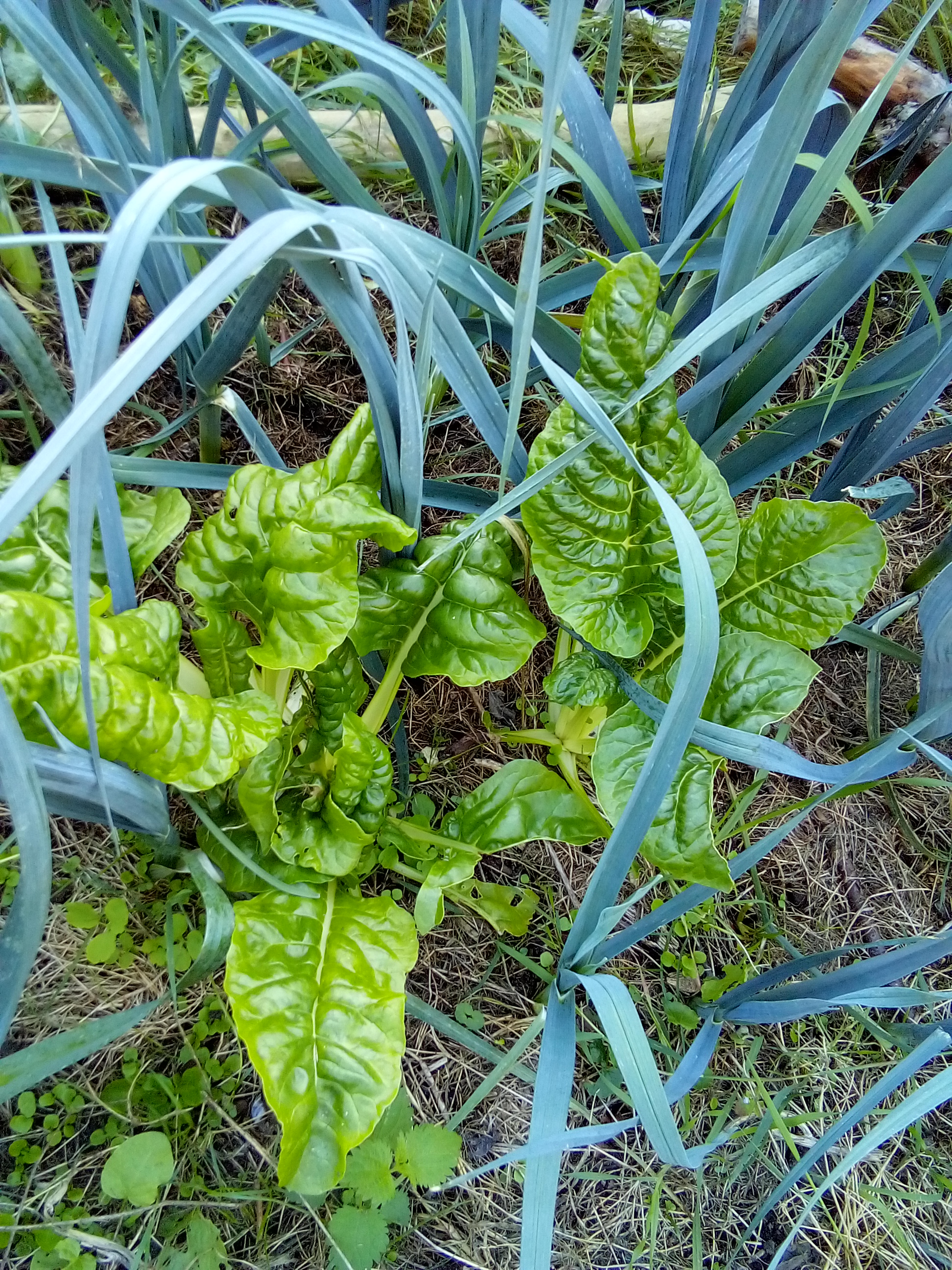
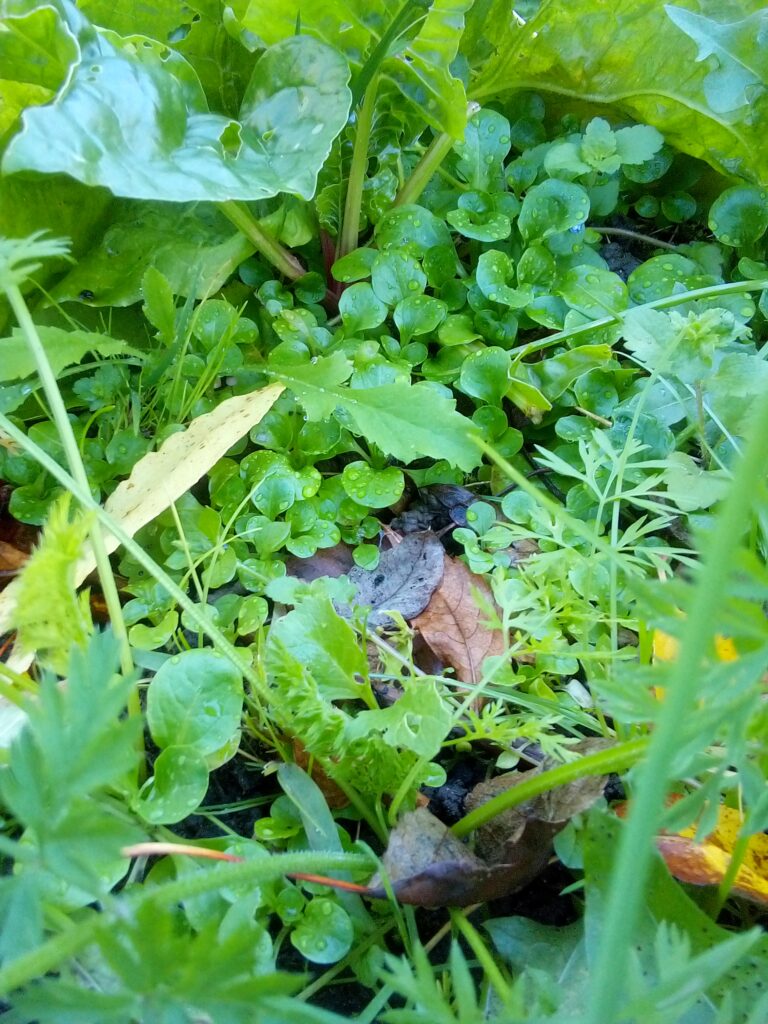
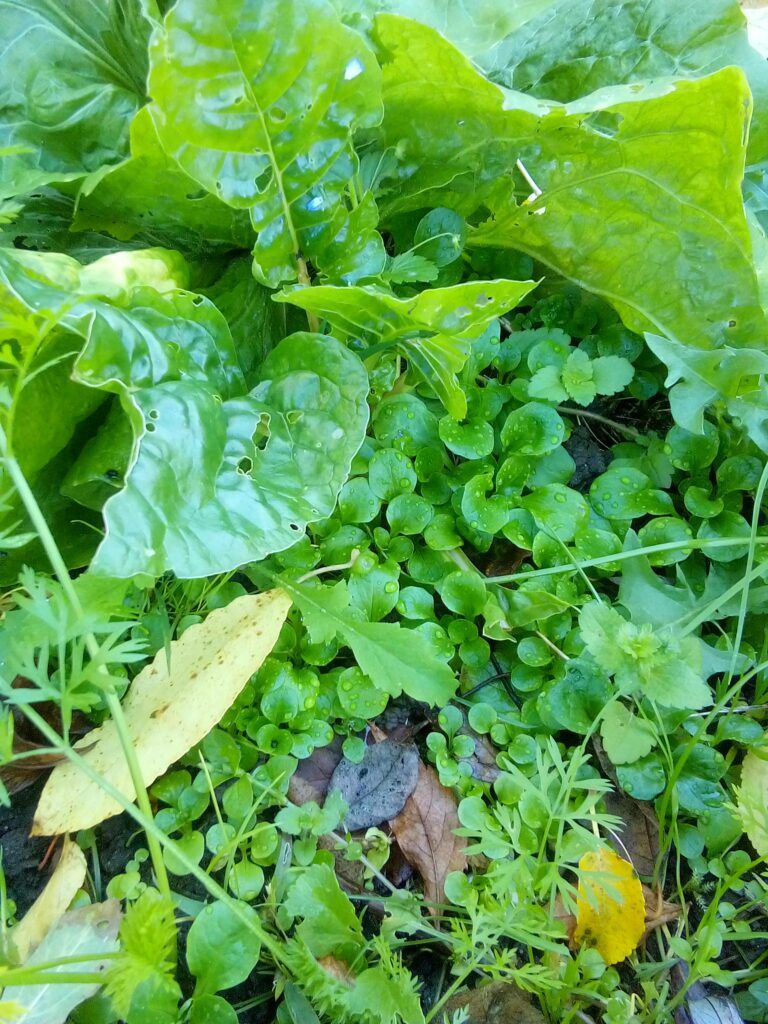
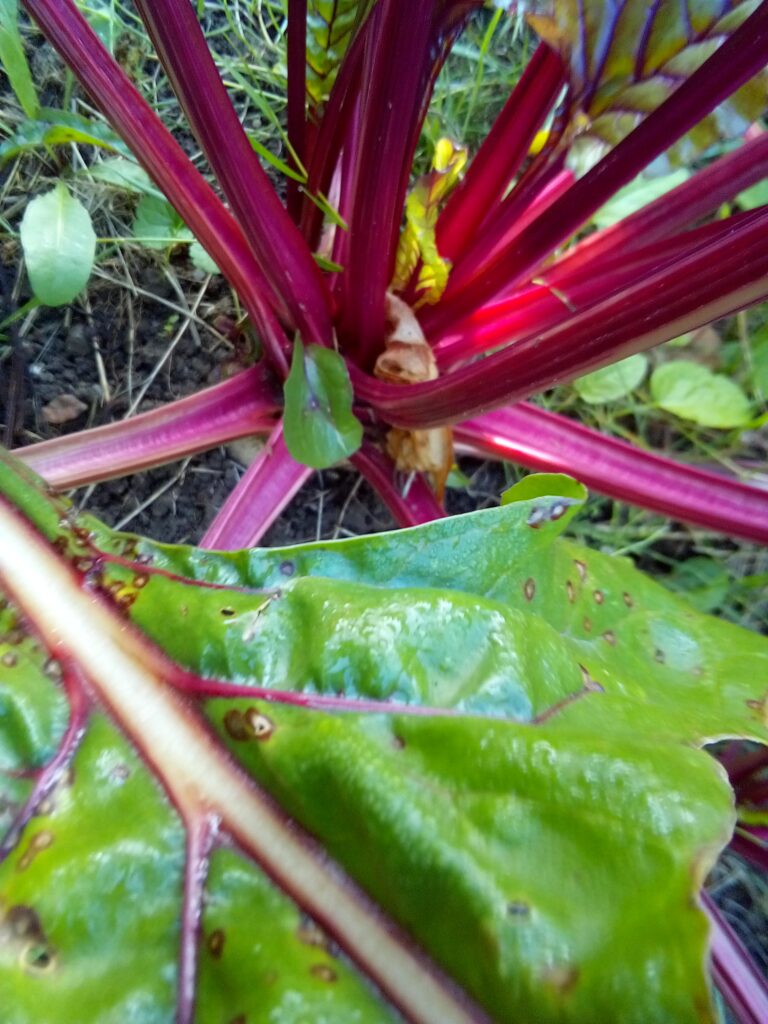
Leeks and chard grow at different speeds and do not compete heavily. Chard fills space steadily, leeks stay upright and slow. They share a bed without rushing each other. Some seasons I forget how well this works until late summer.
Leeks and cabbage take more space but remain forgiving. Cabbage needs time and room, leeks stay patient underneath. The strong scent of leeks can reduce pest pressure, though it never removes it completely.
Both combinations tolerate missed watering, uneven growth, and imperfect spacing. For me, that reliability matters more than textbook compatibility.
Classic Companion Planting Combination: Zucchini Between Corn
Zucchini between corn works for very simple reasons.
Corn grows upright and creates vertical structure. Zucchini spreads low and wide, covering soil that would otherwise dry out quickly. When zucchini is planted between corn rows, the space is used without crowding.
This combination is less about tradition and more about convenience. Zucchini benefits from partial shade and protected soil. Corn benefits from reduced evaporation and less bare ground.
It is not always symmetrical. Some zucchinis grow faster than expected and need redirecting. Sometimes one plant clearly does better than the others. That is normal.
What makes this combination useful is that it tolerates imperfection. Missed watering shows less. Weeds are easier to manage. And the bed feels calmer overall, even when growth is uneven.

Choosing Classic Companion Planting Combinations That Fit Your Life
The best classic companion planting combinations are not the most impressive ones. They are the ones that fit your actual time and energy.
Before choosing combinations, a few simple questions help:
– How much time do I really have each week?
– Do I enjoy harvesting this plant, or does it feel like work?
– Will I still care about this bed in mid-summer?
Charts cannot answer those questions. You can.
Companion planting works best when it reduces effort instead of adding another layer of planning. And even then, some combinations will disappoint. That is not failure. It is just gardening, even when the combinations are classic.
Frequently Asked Questions
What are classic companion planting combinations?
Classic companion planting combinations are pairings that have proven reliable over many seasons and in different gardens. They focus on shared timing, space use, and growth habits rather than strict rules, making them suitable for beginner and low-maintenance gardens.
Are classic companion planting combinations suitable for open-pollinated seeds?
Yes, classic companion planting combinations work well with open-pollinated seeds. Because these seeds are grown in more diverse and mixed plantings, companion gardening supports healthy growth without relying on uniform conditions or heavy intervention.
Does companion planting affect seed saving with open-pollinated plants?
Companion planting does not interfere with seed saving as long as pollination distances are respected. Open-pollinated seeds can be saved reliably when plants are spaced appropriately and cross-pollination is considered, especially with crops like corn or squash.
Why are open-pollinated seeds often used in companion gardening?
Open-pollinated seeds are often chosen for companion gardening because they adapt over time to local conditions. In mixed plantings, these seeds respond well to soil differences, neighboring plants, and seasonal variation, which fits the flexible nature of companion gardening.
Do companion planting combinations work the same every year?
No companion planting combination works exactly the same every year. Weather, soil conditions, and plant varieties—including open-pollinated seeds—can change outcomes. Classic combinations are valued because they tolerate variation and recover more easily when conditions shift.