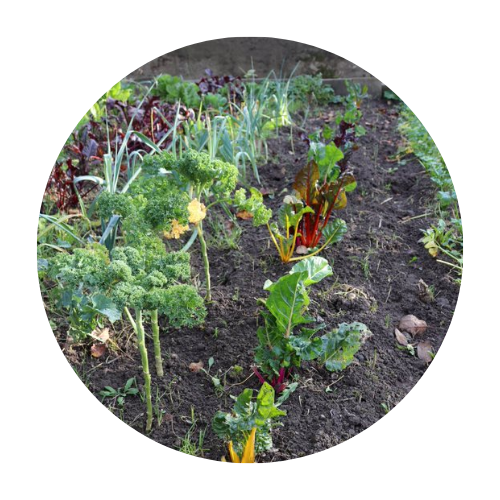
Cheap raised garden bed ideas don’t have to be complicated or expensive.
One thing I learned from permaculture is simple: first look what is already there.
Before buying wood or building something new, I walk through the garden and check what materials are around. Many cheap raised garden beds can start from things nobody use anymore.
Sometimes the best garden bed is already hiding somewhere in the yard.
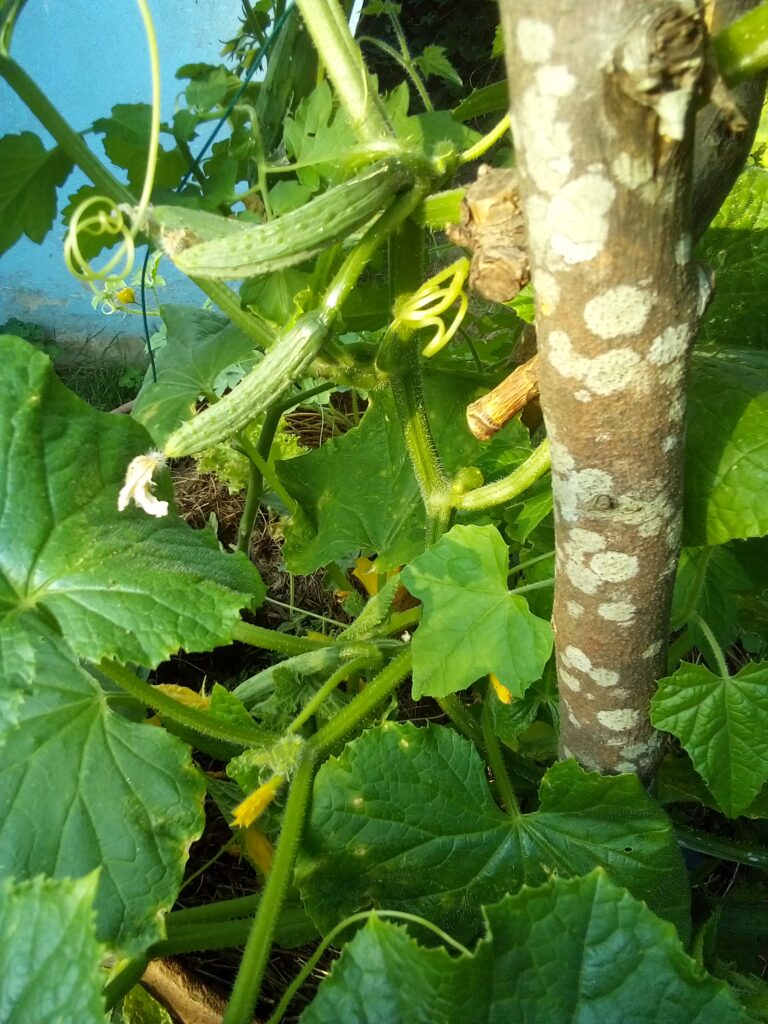
Step 1: Look for Containers Nobody Needs
You don’t always need to build something new. Many objects can work as a small raised bed.
In my garden I often use things like:
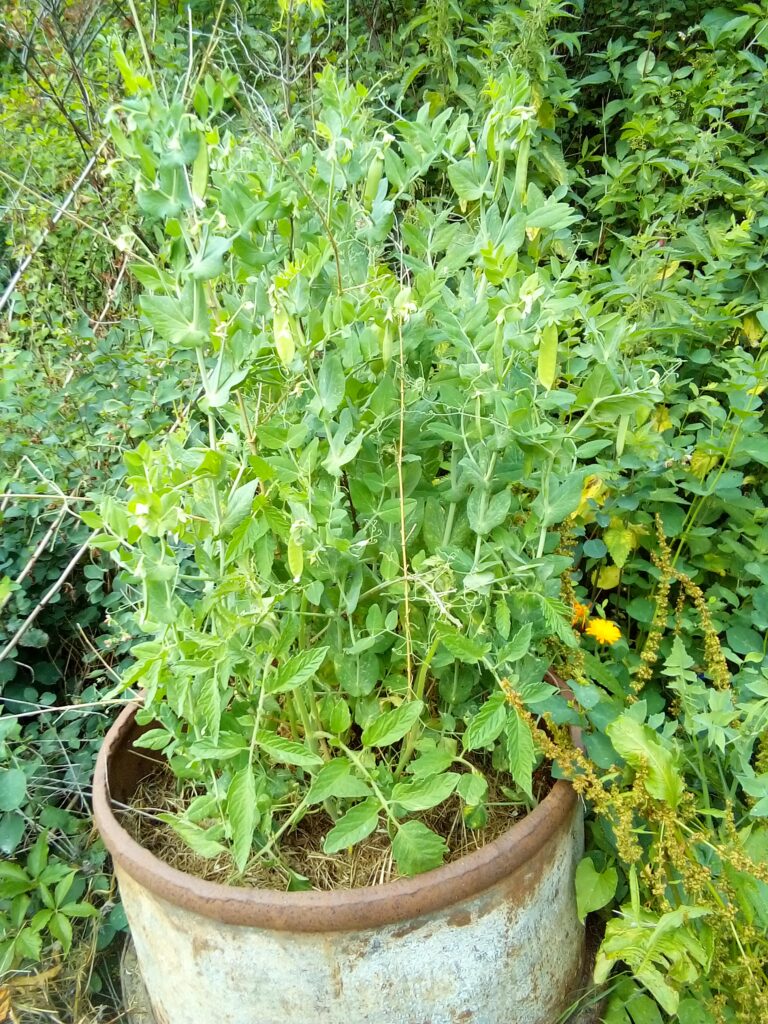
- an old metal barrel (I keep one at the warmest sunny spot in the garden for early planting – see also this Blog Post: What to seed first after Winter).
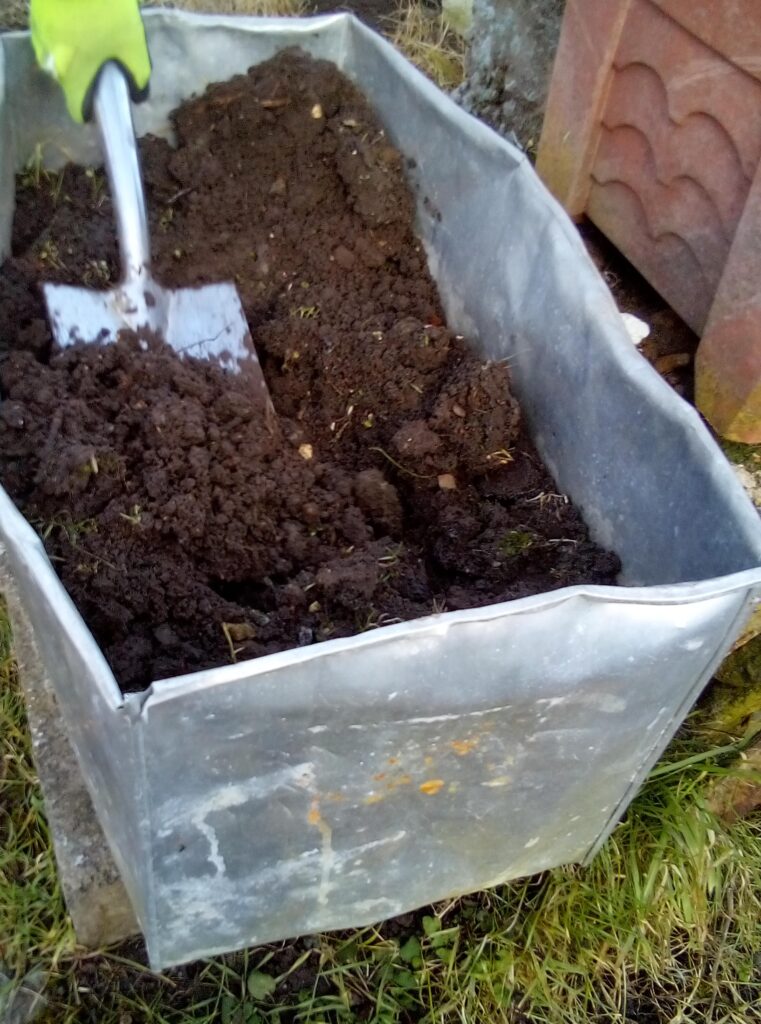
- a metal box nobody need anymore
- a big flower pot
- stones people removed from the garden
- broken containers
These things often just sit somewhere and collect dust. But they can easily become a raised garden bed.
Step 2: Make a Simple Drainage Layer
Before adding soil, put some rough material at the bottom.
You can use:
- small stones
- broken pieces of brick
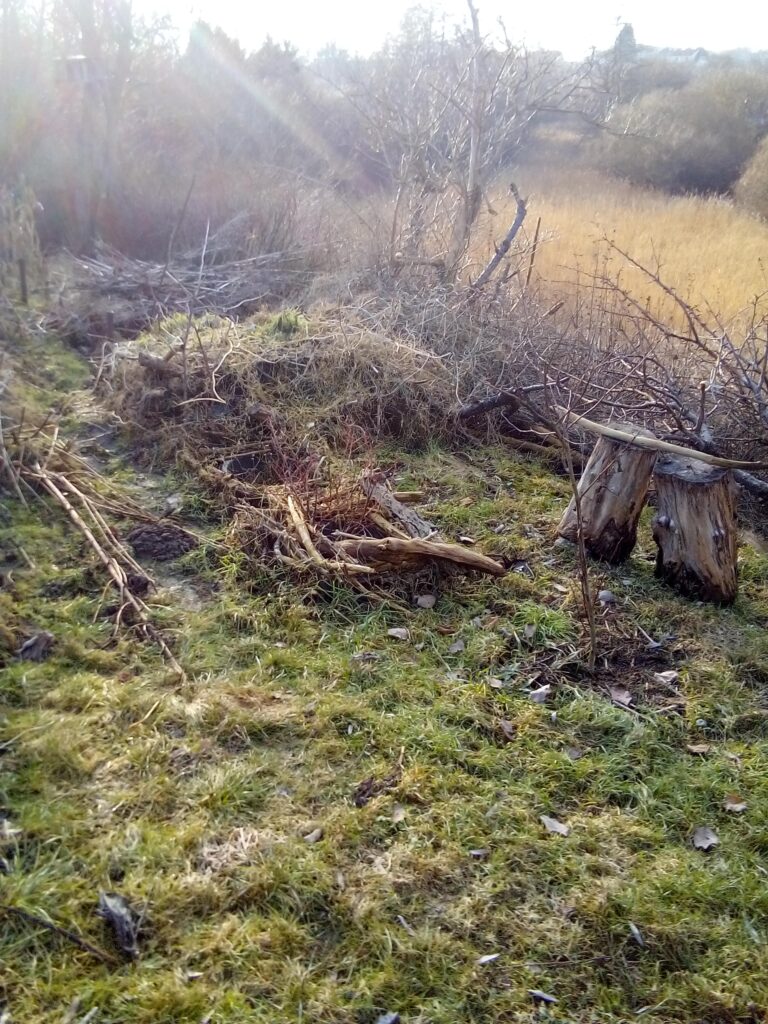
- branches
- garden wood
This layer help water to drain better and keeps the soil healthy.
Step 3: Add Organic Garden Layers
After the base layer, fill the container step by step.
- branches or rough material
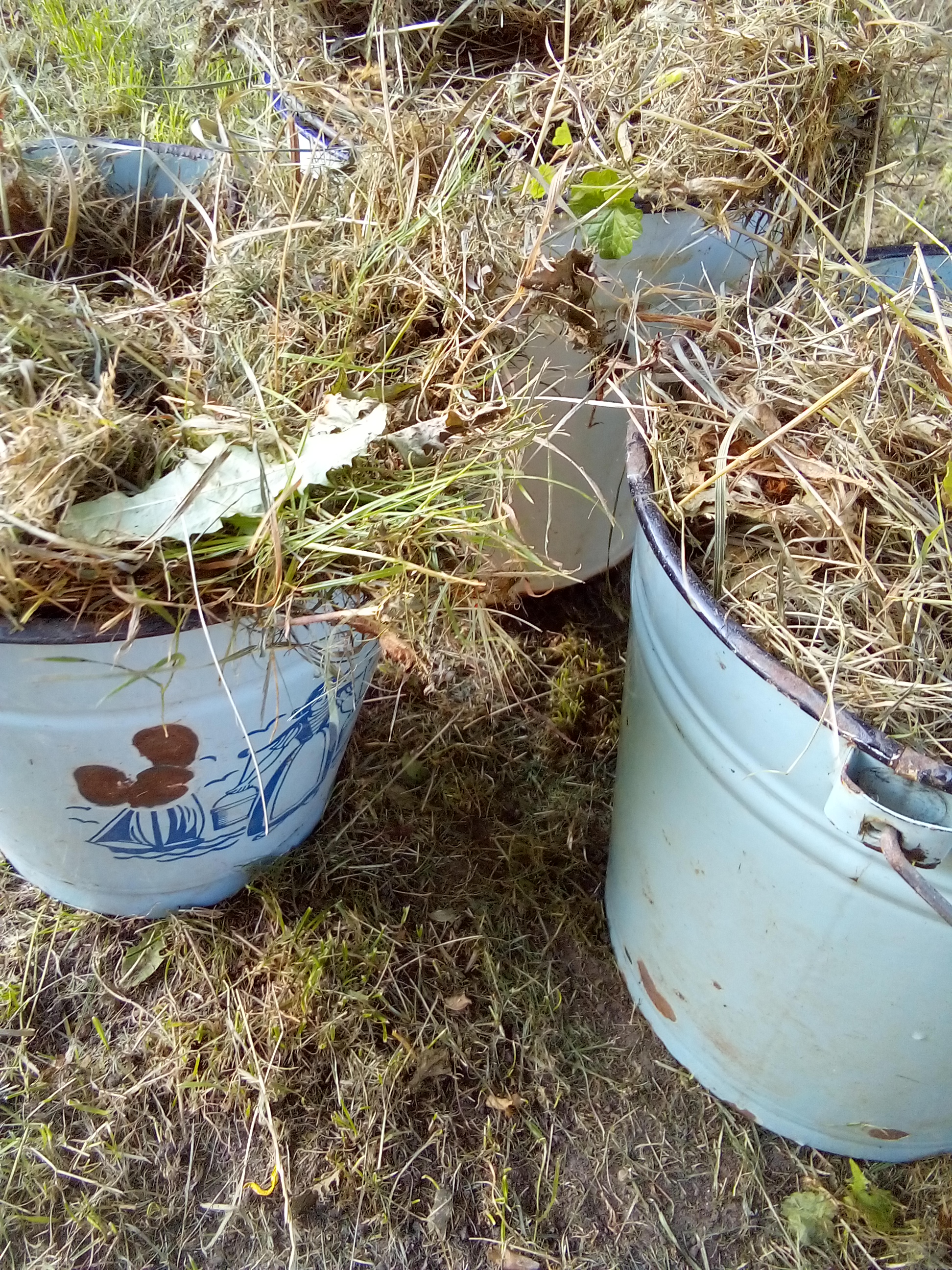
- leaves, grass or garden leftovers
- compost or garden soil
This method is simple but works very good over time.
Step 4: Plant Easy Vegetables
Small raised beds also work well for climbing or compact vegetables.
Good plants for this are:
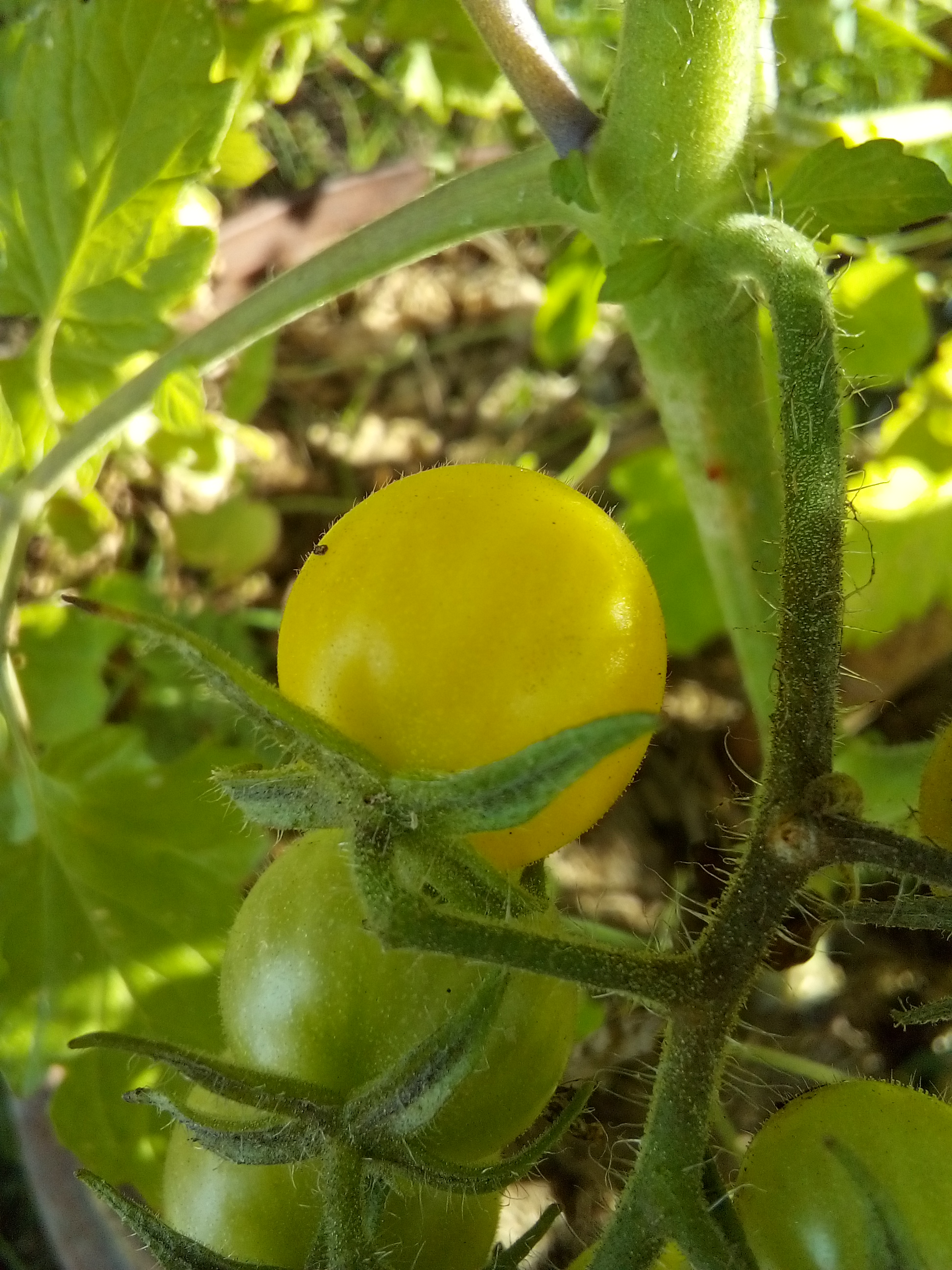
- tomatoes
- hanging zucchini
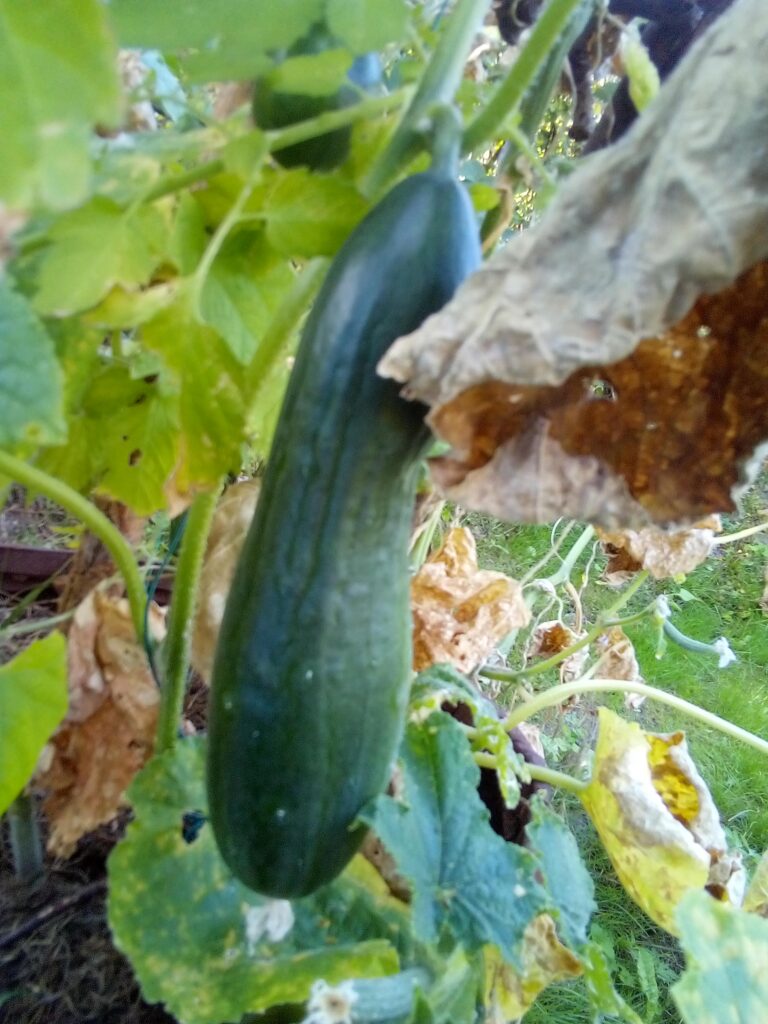
- cucumbers
- kale
- lettuce
- radishes
- basil
- dill
- arugula
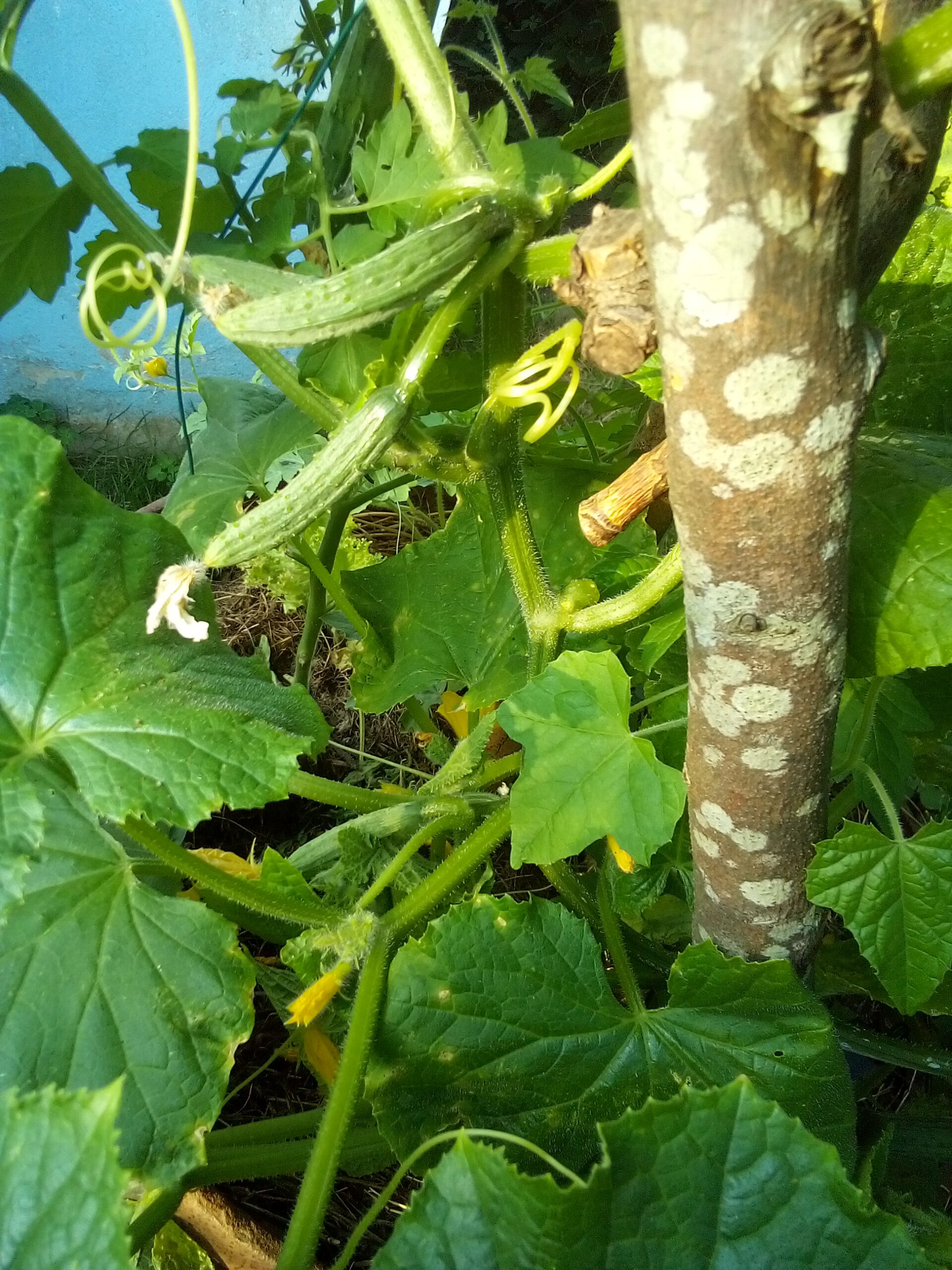
Tomatoes, cucumbers and hanging zucchini grow very well in deeper containers like barrels or large pots.
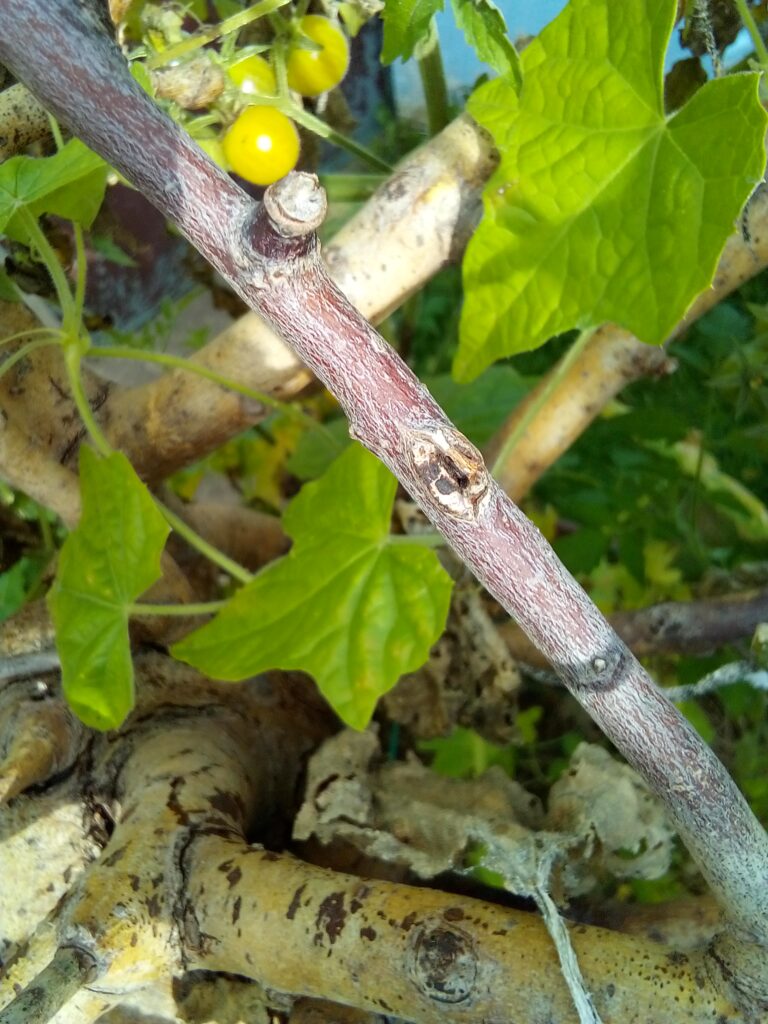
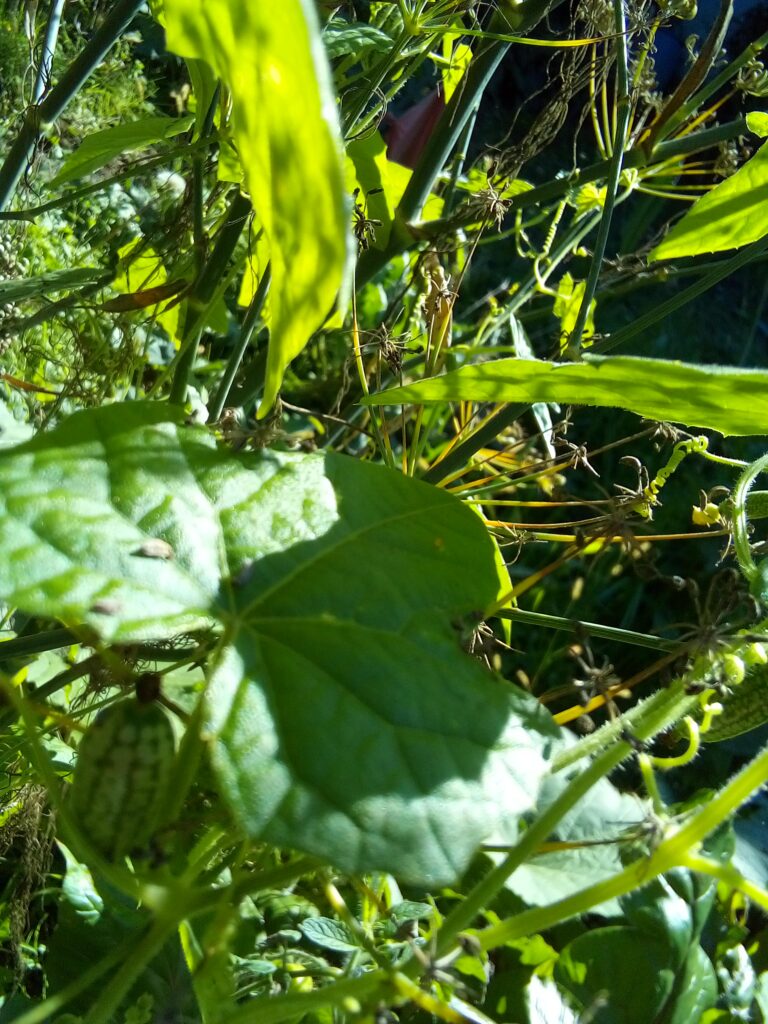
Permaculture Raised Bed Idea: Use What Is Already There
Cheap raised garden bed ideas don’t have to look perfect. In permaculture the idea is often to reuse what already exist.
An old barrel, a metal box or even stones nobody wants anymore can become a productive garden bed.
Sometimes the easiest solution is simply using what is already there.
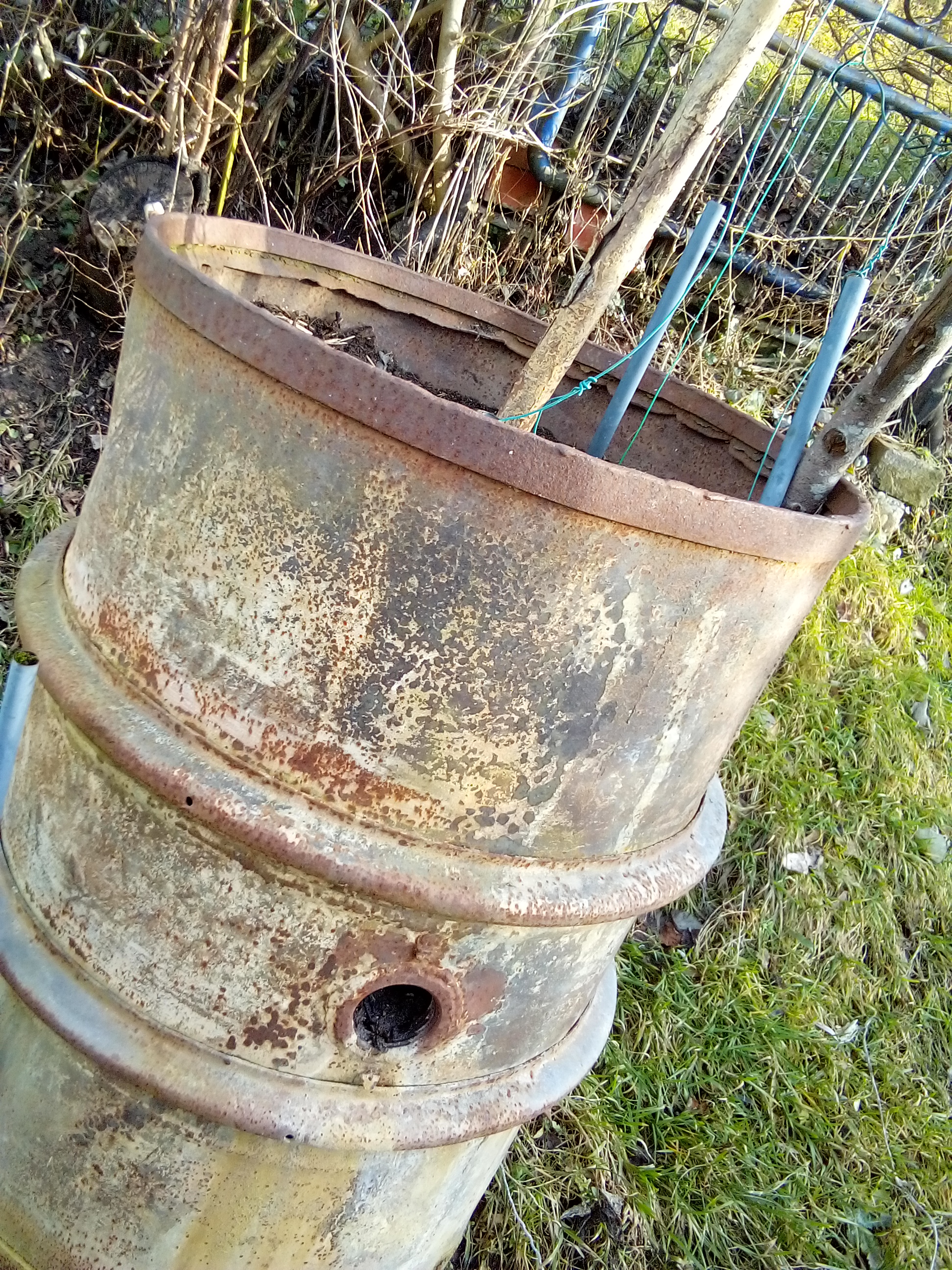
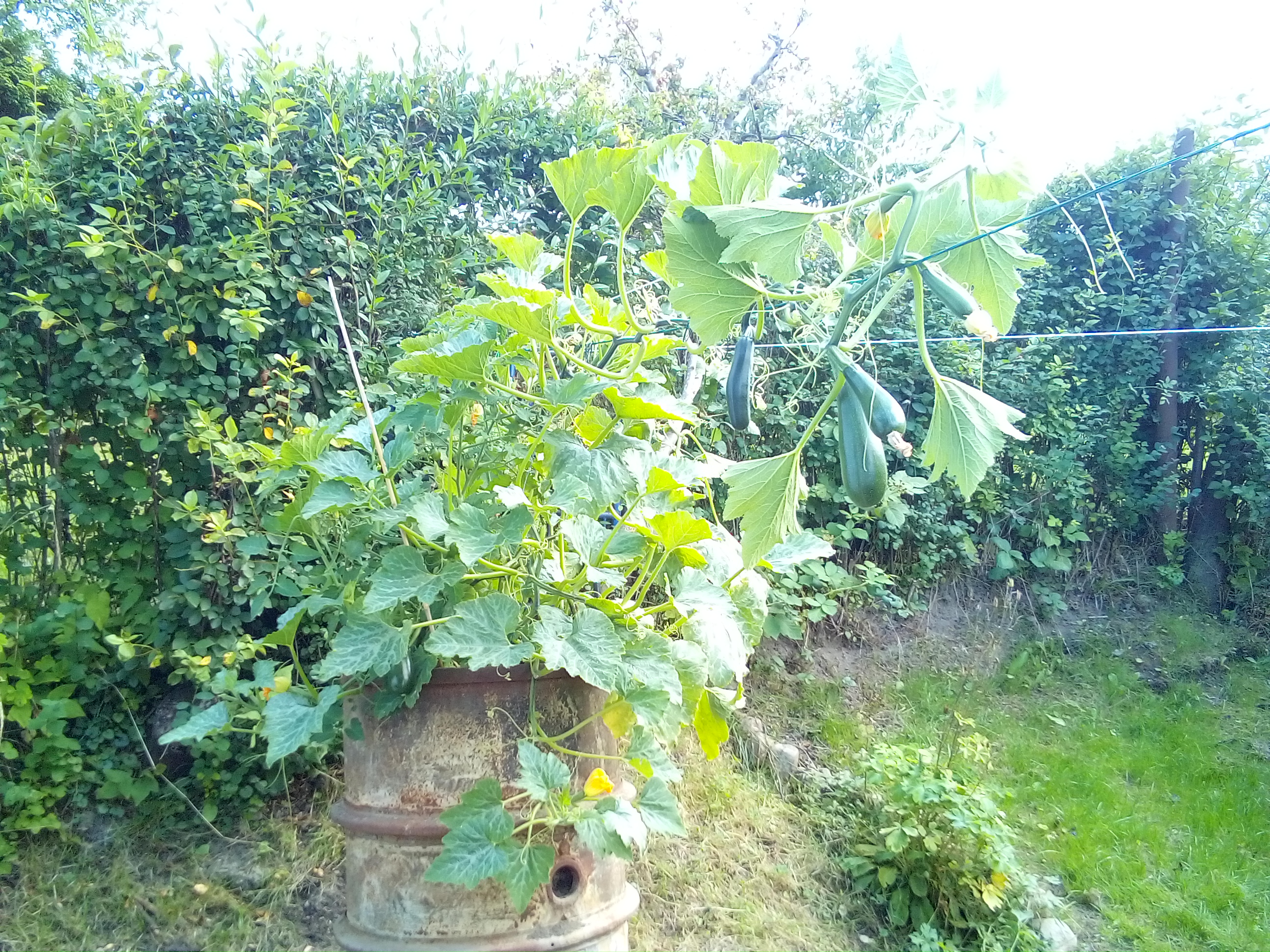
What Do I Do With the Soil From Small Raised Beds?
Sometimes I move or rebuild small raised beds during the season. When I empty them, the soil never goes to waste.
However, just like fresh compost, it should not be used directly for certain root vegetables in the first year. Crops like beetroot (beets – see my raw beetroot recipes), carrots, radishes, or parsnips usually grow poorly in very rich, fresh compost soil.
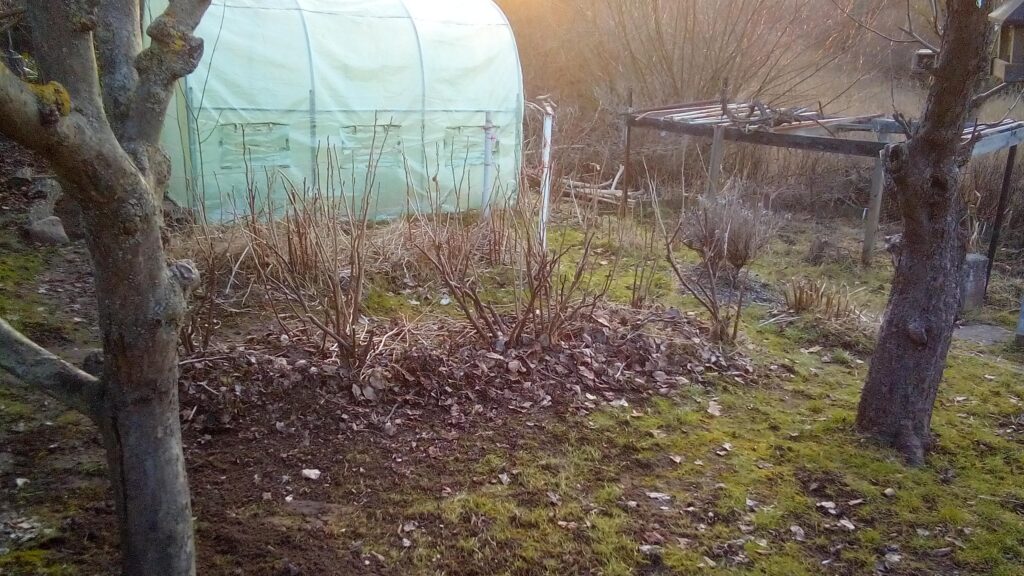
Most of the time I simply move it to places that benefit from it.
For example:
- between berry bushes
- into nearby vegetable beds
- inside my greenhouse beds
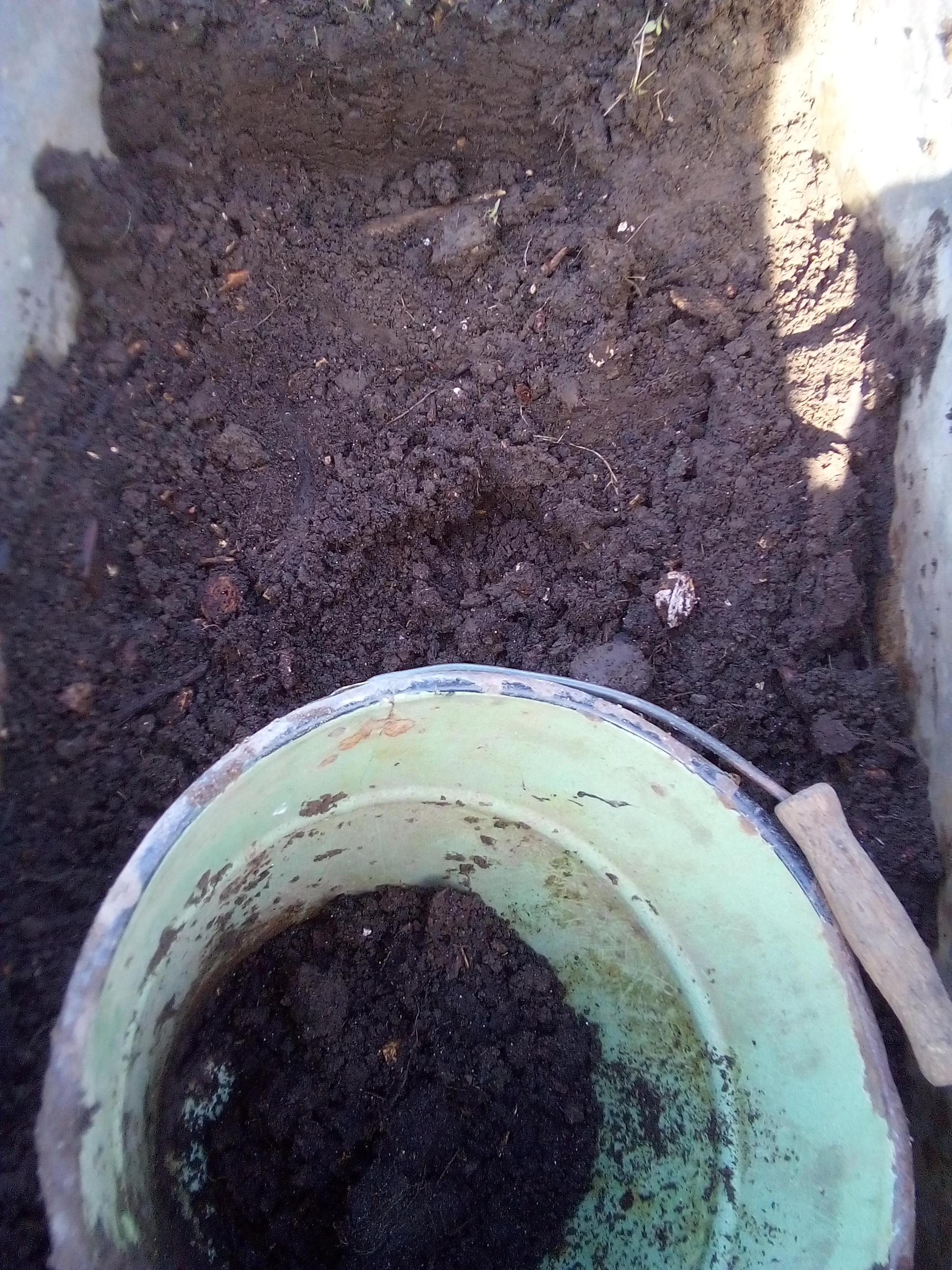
This soil already contains organic material and small organisms, so it is perfect for improving other garden areas. The quaity of this soil is like the rich one which come out of your compost pile after two years.
Instead of storing it somewhere, I directly work it into the soil nearby. That way the nutrients stay in the garden system.
It is a small permaculture idea: nothing gets wasted, everything moves to the next place where it can help.
-
What is the cheapest way to build a raised garden bed?
The cheapest way is using materials you already have. Old barrels, metal boxes, large flower pots, or stones can easily become raised beds. Reusing existing containers follows a simple permaculture idea: use what is already available.
-
What can I use instead of wood for a raised garden bed?
You can use many different materials such as metal containers, old barrels, large pots, or stone borders. As long as the container can hold soil and has drainage, it can work as a raised garden bed.
-
What should I put in the bottom of a raised garden bed?
A drainage layer helps prevent water from sitting in the soil. Many gardeners add branches, leaves, stones, or organic garden waste at the bottom before adding compost and soil.
-
How deep should a raised garden bed be?
For most vegetables a soil depth of about 20–30 cm (8–12 inches) is enough. Deeper beds work better for plants with larger root systems like tomatoes or zucchini.
-
What soil should I use in a raised garden bed?
A simple mix works well: garden soil, compost and organic material like leaves or grass. Many gardeners use a mix of compost and topsoil to create healthy soil for vegetables.
-
What vegetables grow well in raised garden beds?
Many vegetables grow very well in raised beds, especially:
tomatoes, cucumbers, zucchini, calabaza, kale, lacinto kale, lettuce, radishes, arugula, herbs like basil or dill. Raised beds warm up faster and allow good soil control, which helps vegetables grow well. -
What vegetables should not be planted in a new raised garden bed?
Root vegetables like beets often grow poorly in freshly filled raised beds. The soil is usually too rich and still decomposing. It is better to plant them in older, more settled beds.
-
Do raised garden beds need drainage?
Yes. Raised beds need good drainage so water does not stay in the soil. A simple base layer of stones, branches, or wood helps excess water drain away.
-
How often should you water a raised garden bed?
Raised garden beds usually need watering more often than ground beds because the soil dries faster. In warm weather watering once a day may be necessary, especially for vegetables like tomatoes or cucumbers.