How to Identify Wild Garlic Safely
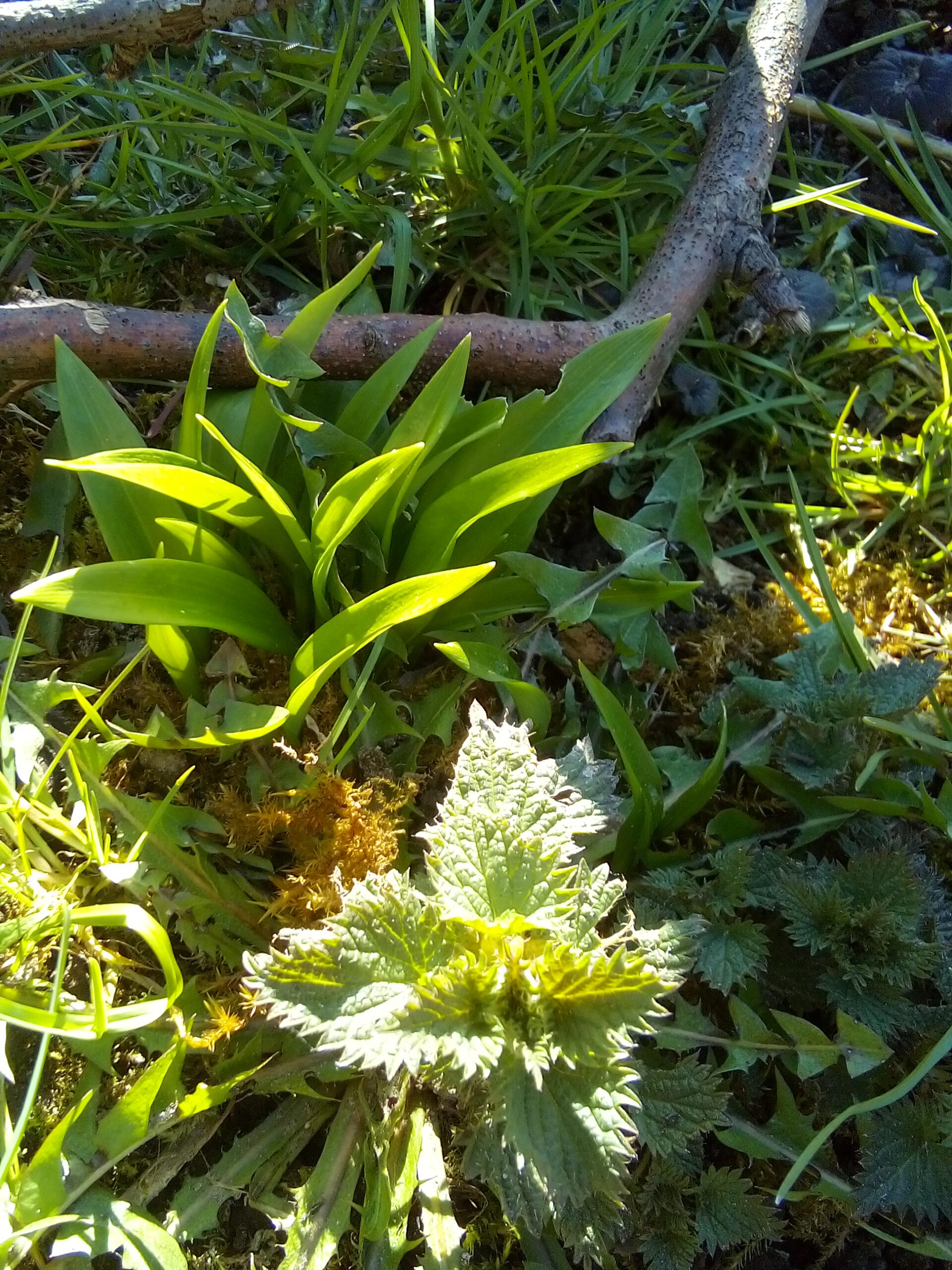
Wild garlic vs lily of the valley is one of the most important questions when it comes to safe foraging. Many plants look similar in early spring, and confusion can lead to serious health risks.
Wild garlic is edible and widely used in plant based cooking. Lily of the valley and autumn crocus, however, are toxic and must not be consumed.
Understanding the key differences is essential before collecting anything from the wild.
Why Identification Matters
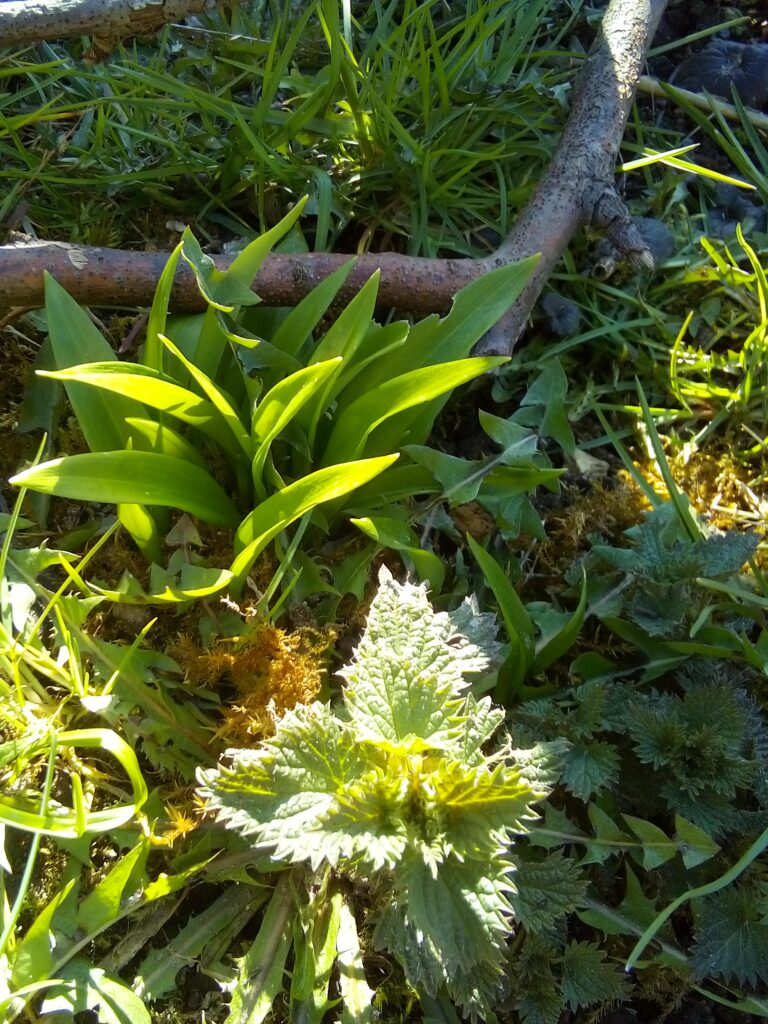
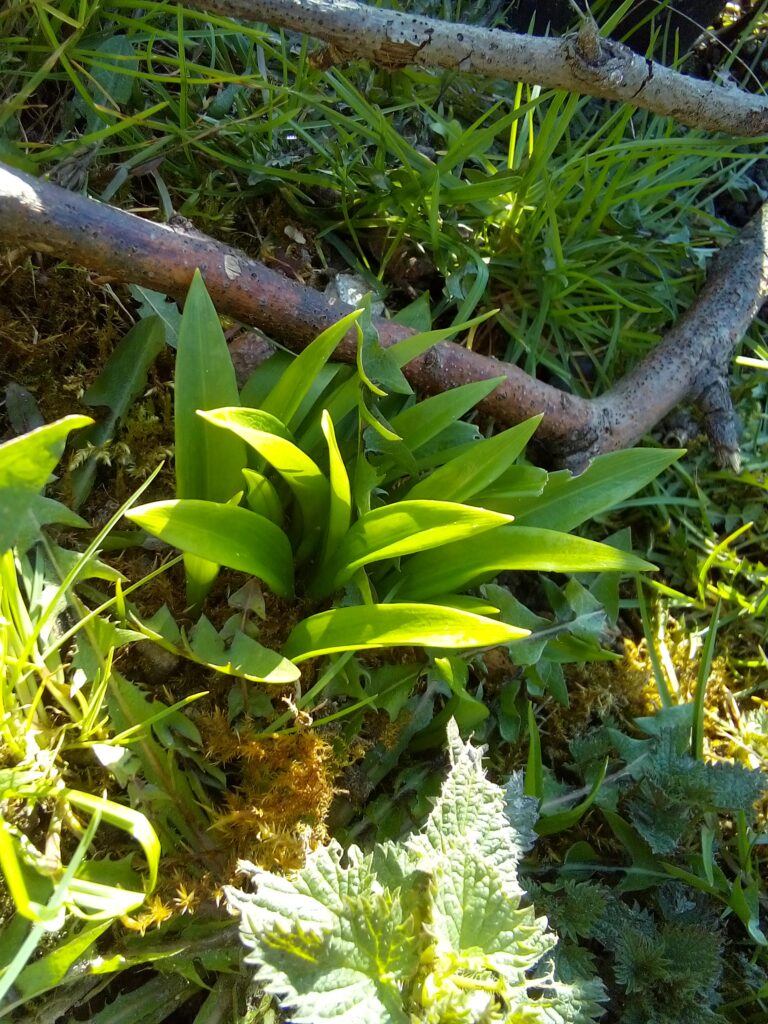
Wild garlic grows in large green patches in forests and is often one of the first edible plants in spring.
At the same time, toxic lookalikes appear in similar conditions. Especially young leaves can look almost identical.
- The most common poisonous lookalikes are
- Lily of the valley
- Autumn crocus
Both are not safe to eat and can cause serious poisoning.
This is why correct identification is not optional. It is necessary.
Wild Garlic vs Lily of the Valley Key Differences
Wild garlic is safe to eat when correctly identified. Lily of the valley is toxic.
Both plants grow in similar environments and appear at the same time of year. This increases the risk of confusion.
It is important to always check several characteristics before harvesting.
The Smell Test to Identify Wild Garlic
The most reliable way to identify wild garlic is the smell.
Wild garlic has a strong garlic scent. When a leaf is gently crushed, the smell should be clear and noticeable.
Wild garlic
- strong garlic smell
Lily of the valley
- no garlic smell
- sometimes slightly sweet
If there is no garlic scent, the plant should not be collected or eaten.
Leaf Differences You Need to Know
Leaves are often the first visual indicator, but they can be misleading if used alone.
Wild garlic leaves
- soft texture
- slightly floppy
- matte surface
- each leaf grows individually
Lily of the valley leaves
- firmer structure
- more upright
- often grow in pairs
Because these differences are sometimes subtle, visual identification should always be combined with the smell test.
Growth Pattern Differences
Wild garlic grows in loose, natural clusters. Leaves appear individually and form irregular patches.
Lily of the valley grows in a more structured way. Leaves often appear in pairs and look more symmetrical.
Observing the overall growth pattern can help, but it should not be the only method used.
Flowers Later in the Season
Later in spring, flowers make identification easier.
Wild garlic
- white, star shaped flowers
Lily of the valley
- small, hanging bell shaped flowers
However, early in the season there are no flowers, so this method cannot be relied on alone.
Safe Foraging Rules
To reduce risk when foraging wild garlic, follow simple rules.
- pick one leaf at a time
- check each leaf individually
- crush and smell every leaf
- do not mix different plants
- do not harvest if unsure
Safe identification is always more important than collecting large amounts.
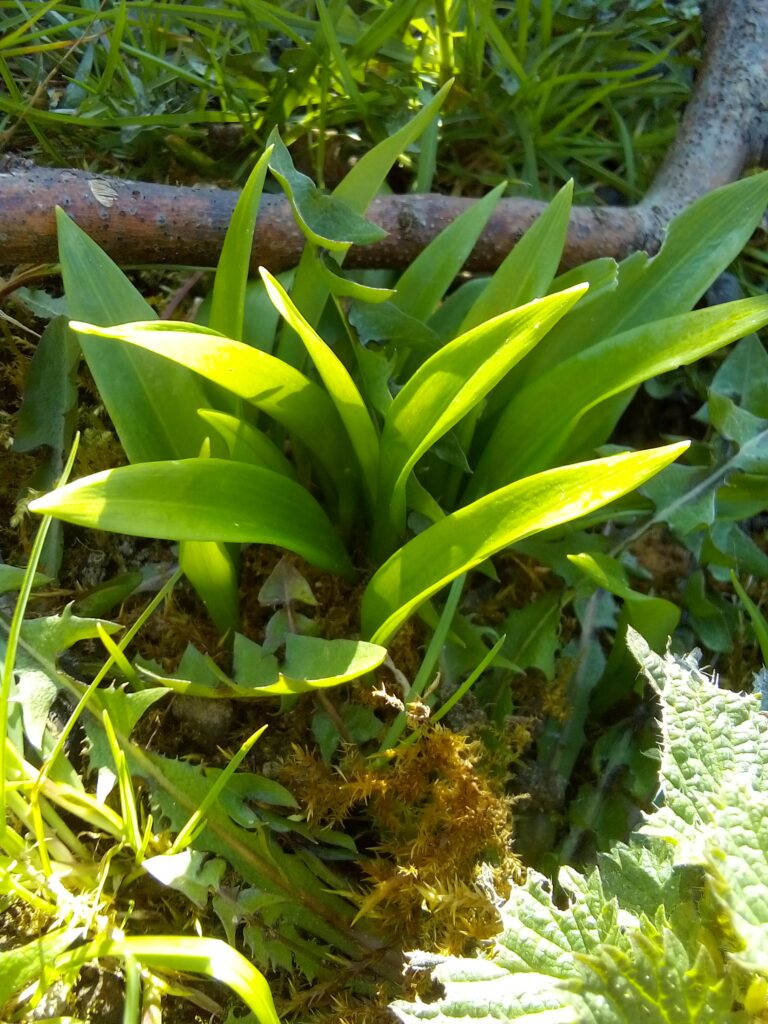
When and Where to Find Wild Garlic
Wild garlic typically grows in
- shady forests
- moist soil
- areas near streams or rivers
The main season is from March to May, depending on the climate.
Often, the smell of garlic in the air is the first indication of its presence.
Growing Wild Garlic in Your Own Garden
For those who want to avoid any risk, growing wild garlic in the garden is the safest option.
Wild garlic can be grown in
- shady areas
- under trees or shrubs
- moist, humus rich soil
It spreads naturally over time and forms dense patches similar to forest conditions.
Once established, it is low maintenance and returns every year.
Growing it at home allows full control and eliminates confusion with toxic plants.
Can You Eat Wild Garlic Safely
Wild garlic is safe to eat when correctly identified.
It is commonly used in
- pesto
- salads
- simple plant based dishes
The flavor is fresh and slightly strong, typical for early spring herbs.
If you are interested in other early spring plants, ground elder is another one worth a closer look. It grows just as easily and is often overlooked.
Final Thoughts
Wild garlic is easy to use but requires careful identification.
The key is to check more than one characteristic and never rely on appearance alone.
For maximum safety, growing wild garlic in the garden is a reliable alternative to foraging.
FAQs
How can wild garlic be distinguished from lily of the valley?
The most reliable method is the smell. Wild garlic smells strongly like garlic when crushed. Lily of the valley has no garlic smell and is toxic.
Is wild garlic safe to eat?
Yes, wild garlic is safe when correctly identified. Toxic lookalikes make careful identification essential.
What are the main poisonous lookalikes?
The most common are lily of the valley and autumn crocus. Both are toxic and can look similar in early stages.
When is the best time to forage wild garlic?
The best time is early spring, usually from March to May, when the leaves are young and tender. If you are also planning your garden, this is the same period when many crops can be started. You can find a simple overview in my guide on what to sow in March.
Can wild garlic be grown in the garden?
Yes, wild garlic grows well in shady, moist areas and is a safe alternative to foraging in the wild.