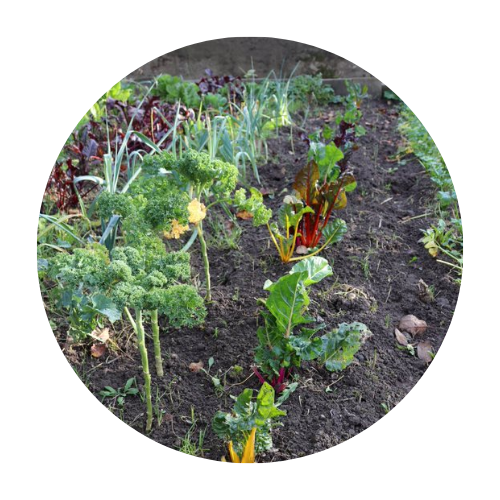
Growing vegetables does not require a large garden. Many people start gardening on a balcony, a small patio, or a tiny urban backyard. With the right setup, cheap raised bed gardening for small spaces can still produce a surprising amount of fresh food.
Small raised beds and containers allow you to control soil quality and make use of limited space. Even a few containers can provide herbs, salads, and climbing vegetables during the growing season.
Urban gardening is becoming more popular because people want fresh food, greener living spaces, and a closer connection to nature.
Why Raised Beds Work Well in Small Spaces
Raised beds and containers are perfect for small space gardening because they allow you to grow vertically and organize plants more efficiently.
Some advantages include:
- better control of soil quality
- flexible placement on balconies or patios
- easier watering and maintenance
- fewer weeds compared to ground beds
Raised beds also help create defined planting areas. This makes it easier to experiment with different vegetables and planting combinations.
In small spaces it is often easier to observe the plants closely and learn how they grow.
Balcony Raised Beds
Balconies are one of the most common places for balcony gardening. Even a small balcony can support several raised containers.
Good options for balcony raised beds include:
- wooden planter boxes
- long balcony planters
- stackable planting boxes
- compact raised containers
Balcony beds should not be too heavy. It is important to check the weight capacity of the balcony before adding large containers filled with soil.
Sunlight is also important. Most vegetables need at least 5–6 hours of sun each day to grow well.
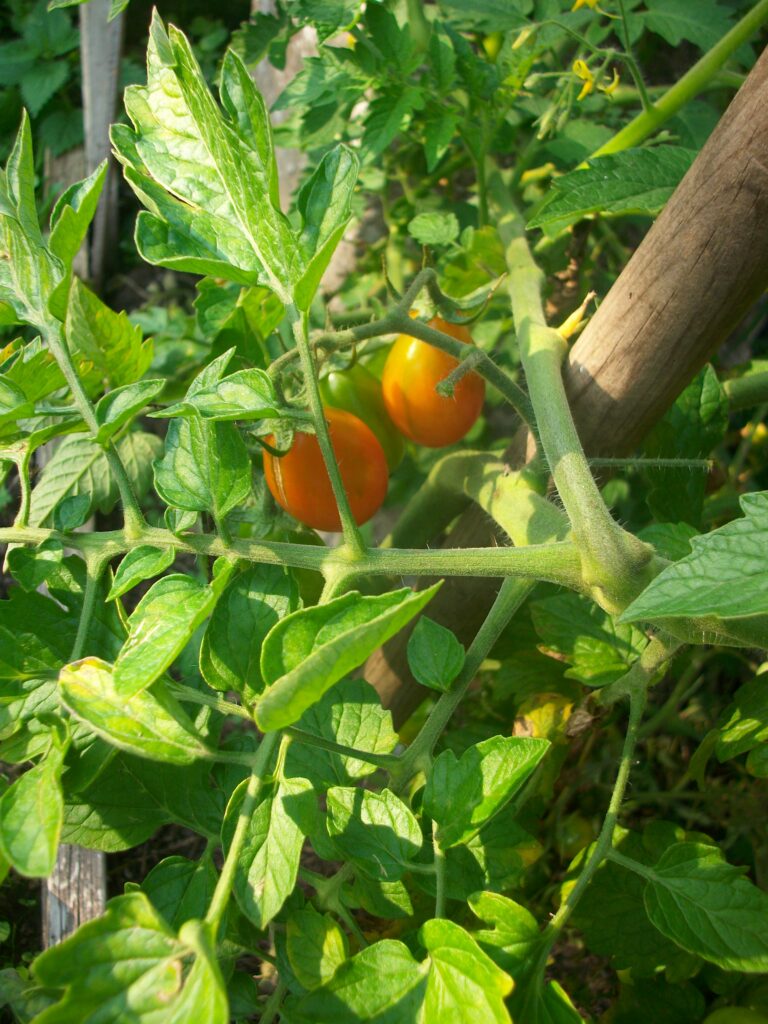
Leafy greens, herbs, and small tomato varieties usually grow very good on sunny balconies.
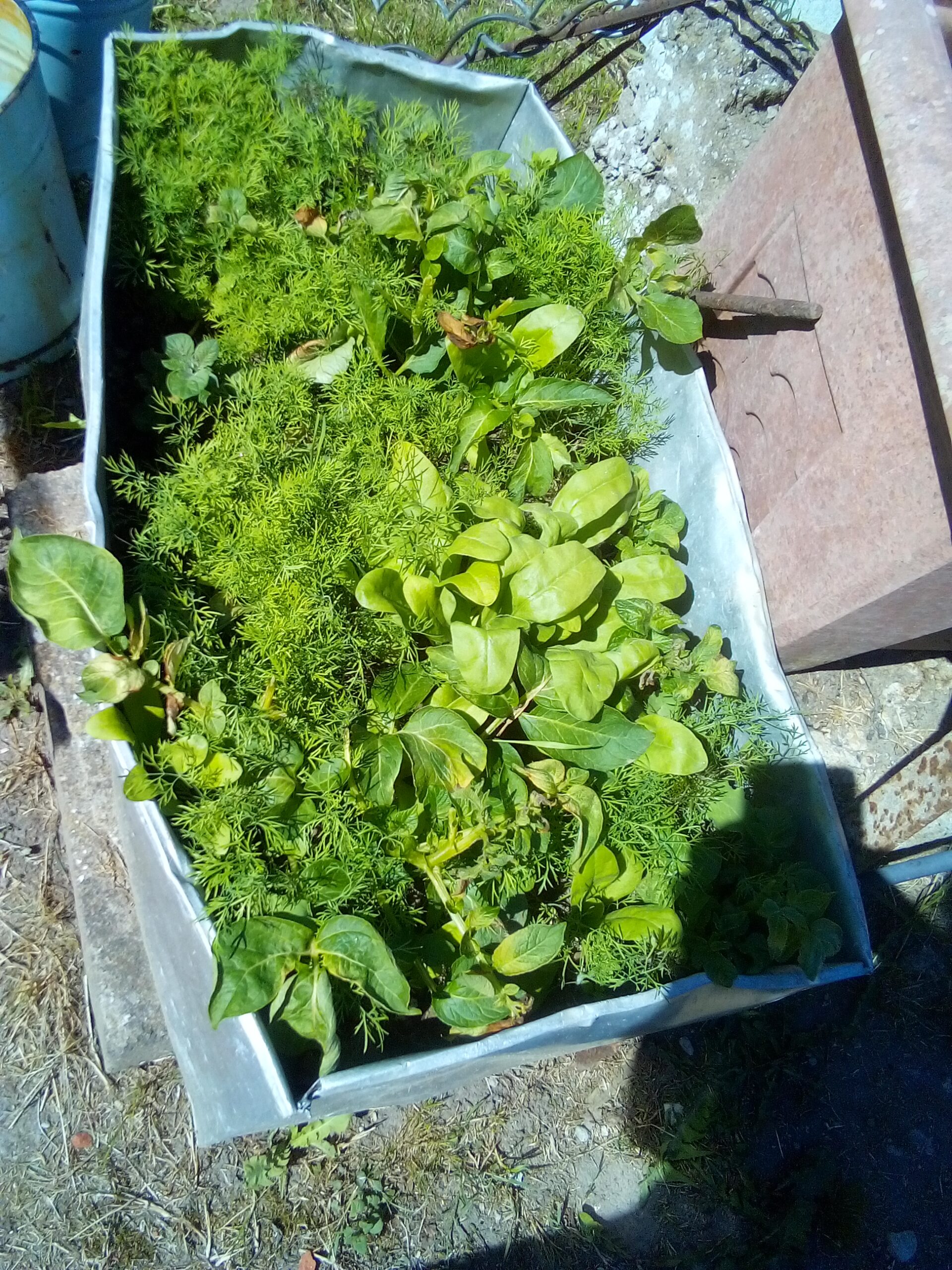
Crates and Wooden Boxes
Simple wooden crates can easily become small raised beds.
Many gardeners use:
- fruit crates
- wine boxes
- recycled wooden boxes
These containers are often inexpensive or even free. Small drainage holes can be added to the bottom so water can flow out.
Crates work especially well for:
- lettuce
- herbs
- spinach
- radishes
Because the soil depth is smaller, these containers are best for plants with shorter root systems.
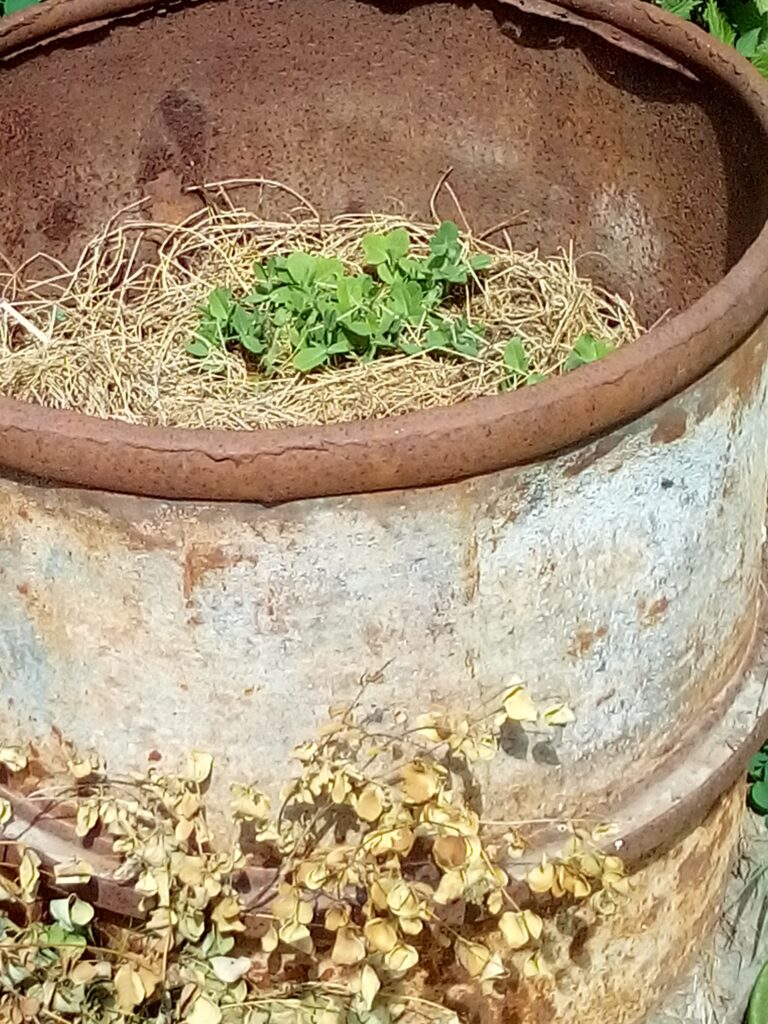
Barrel Raised Beds
Old barrels are another great option for urban gardening.
Half barrels or large containers provide deeper soil, which allows bigger plants to grow.
Barrels work well for:
- tomatoes
- cucumbers
- zucchini
- climbing beans
Because the soil volume is larger, these containers also keep moisture longer during warm weather.
Sometimes gardeners also attach small trellises or branches so climbing vegetables can grow upward and save space.
Lightweight Soil Mix for Balcony Gardens
One challenge of balcony gardening is weight. Large containers filled with heavy garden soil can become very heavy.
A lightweight soil mix can help reduce the weight while still supporting healthy plant growth.
Many gardeners use a mix of:
- compost
- potting soil
- coconut coir or similar organic material
This mixture stays loose and stores moisture well. At the same time it keeps the containers lighter than pure garden soil.
Over time organic material slowly breaks down and improves the soil structure.
Container Beds for Flexible Gardening
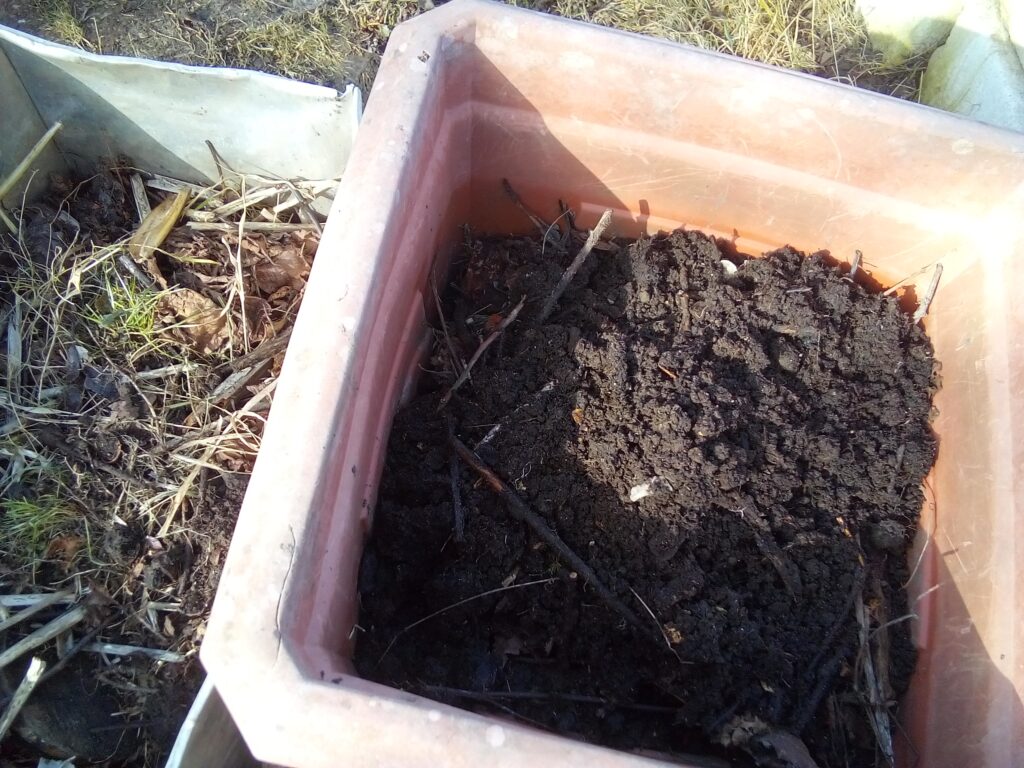
Container beds are one of the easiest solutions for small space gardens. They can be moved, rearranged, and adapted to the available space.
Some common container beds include:
- large plant pots
- fabric grow bags
- buckets with drainage holes
- recycled containers
Container gardening allows you to experiment with different crops each season. If one location receives more sunlight, containers can easily be moved there.
This flexibility makes container beds very popular in urban gardens.

Learning Which Crops Grow Well Together
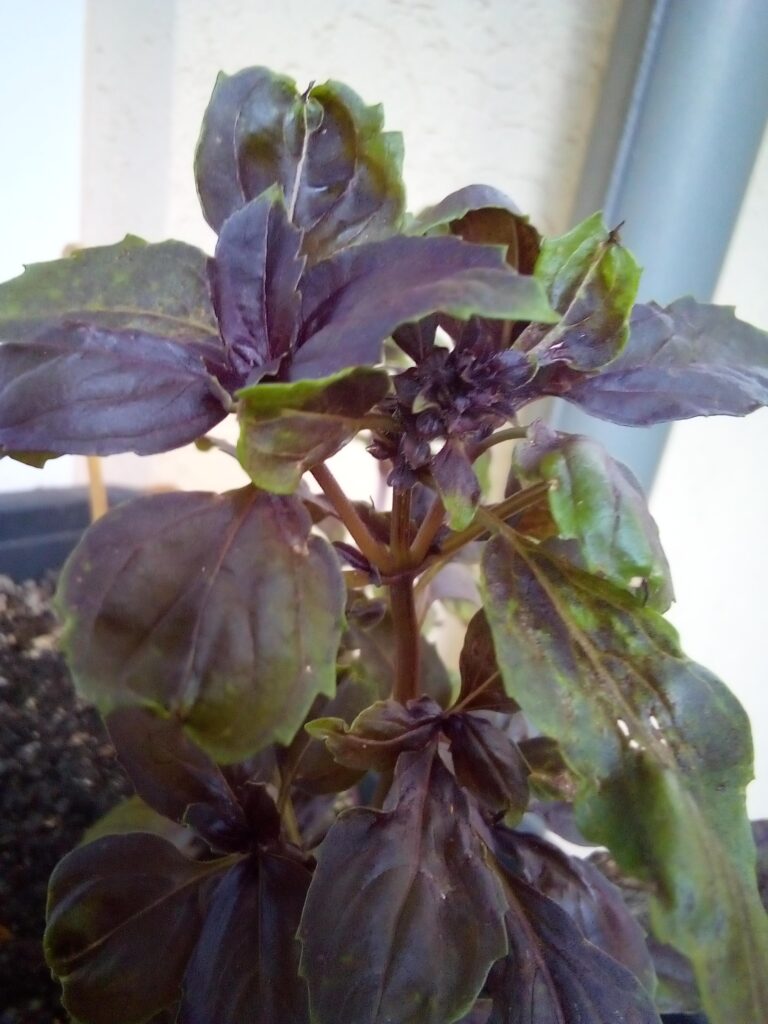
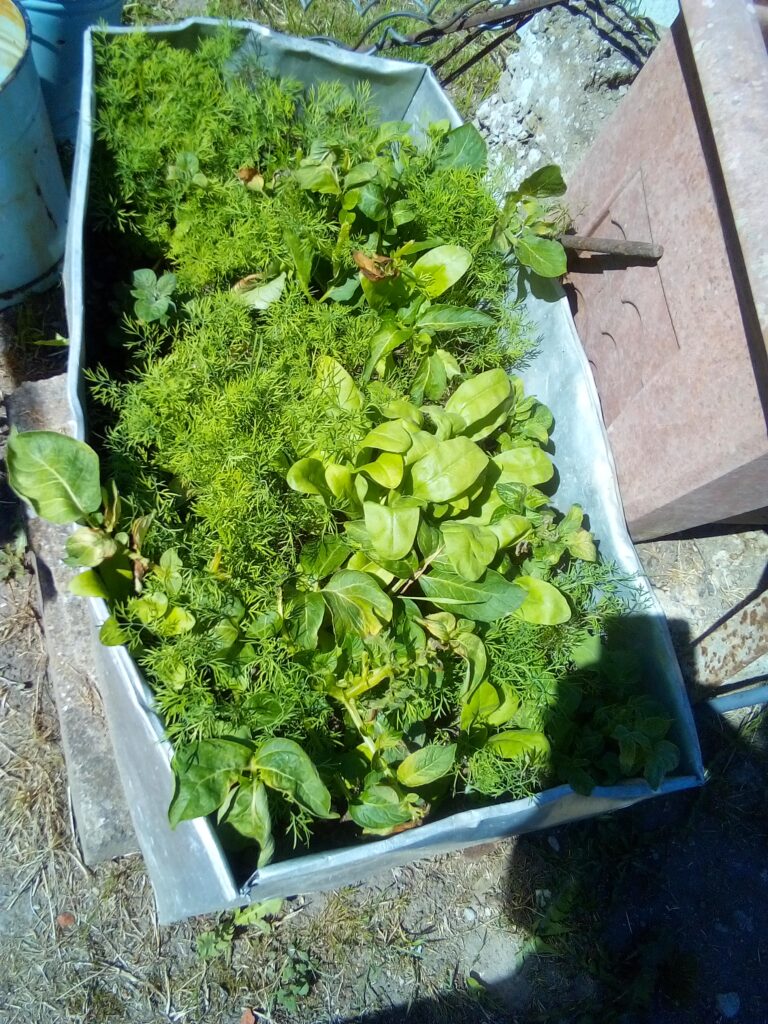
Small raised beds are also a good way to slowly learn which vegetables grow well together.
By planting a few crops close to each other, gardeners can observe how plants interact. Some combinations support each other, while others compete for nutrients or space.
This practice is often called companion gardening.
If you want to learn more about which vegetables grow well together, you can read my companion gardening guide: Companion Gardening for Small & Urban Gardens.
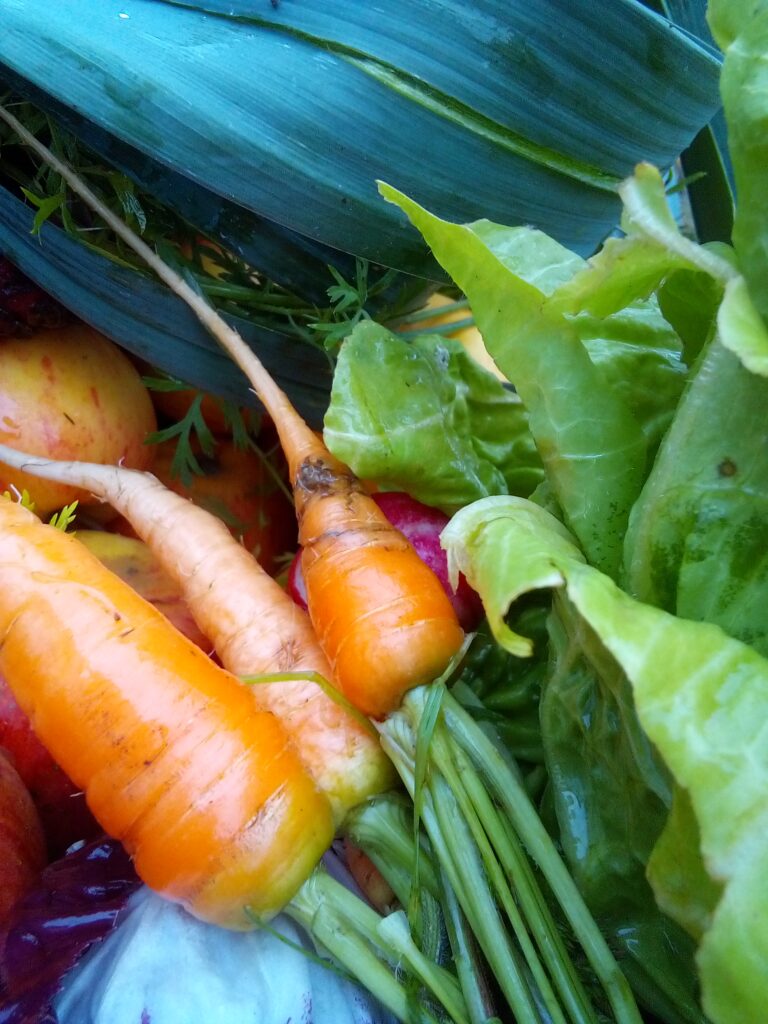
Understanding these plant relationships can help improve harvests even in very small gardens.
Small Gardens Can Grow a Lot
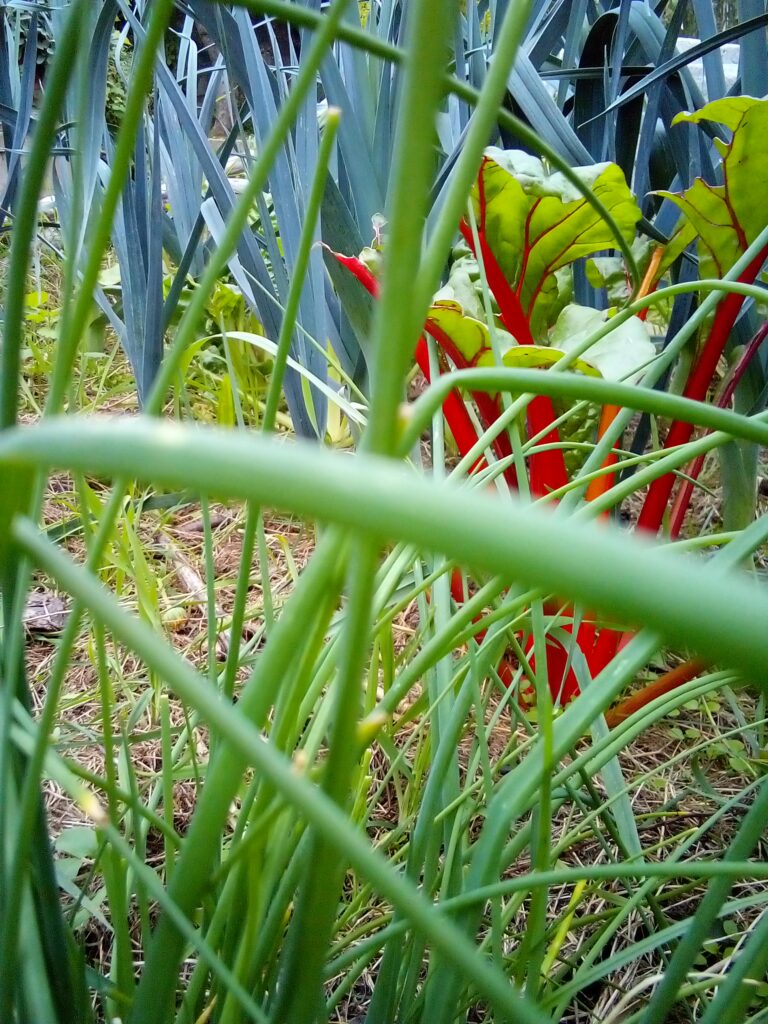
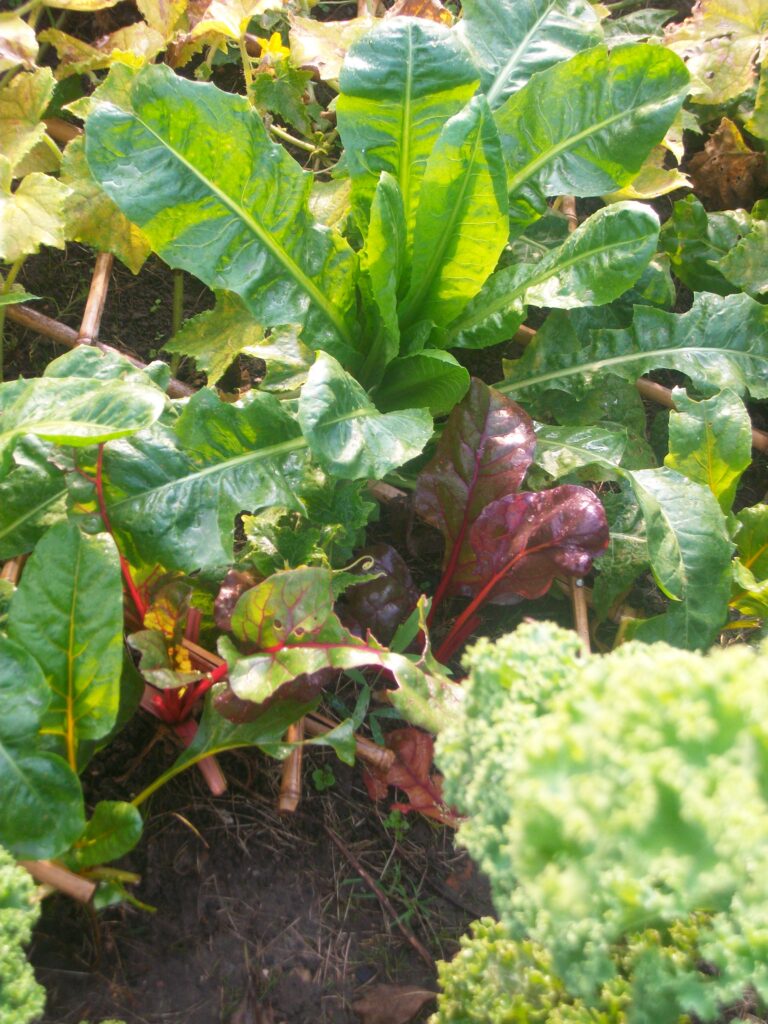
Even a small balcony or urban space can become a productive garden. With raised containers, simple materials, and healthy soil, vegetables and herbs grow surprisingly well.
The most important step is simply starting with a few plants and observing how they grow.
Over time the small space garden slowly becomes more productive, and each season brings new ideas and combinations to try.
FAQs
What vegetables grow well in balcony gardening?
Many vegetables grow well on balconies, including lettuce, herbs, tomatoes, radishes, kale and cucumbers. These plants grow well in containers and small raised beds.
What containers are best for balcony gardening?
Common containers for balcony gardening include wooden crates, plant pots, barrels, grow bags and recycled boxes. Containers must have drainage holes to prevent water buildup.
How much sunlight does a balcony garden need?
Most vegetables need about 5–6 hours of sunlight per day. Leafy greens can tolerate slightly less sunlight than fruiting vegetables like tomatoes.
What soil should be used for balcony gardening?
Balcony gardens work best with lightweight soil mixes such as compost, potting soil and coconut coir. This mix helps reduce weight while keeping moisture in the soil.
Can you grow a small space garden in containers?
Yes. Container gardening is one of the easiest ways to create a small space garden. Even a few containers on a balcony or patio can grow herbs and vegetables successfully.