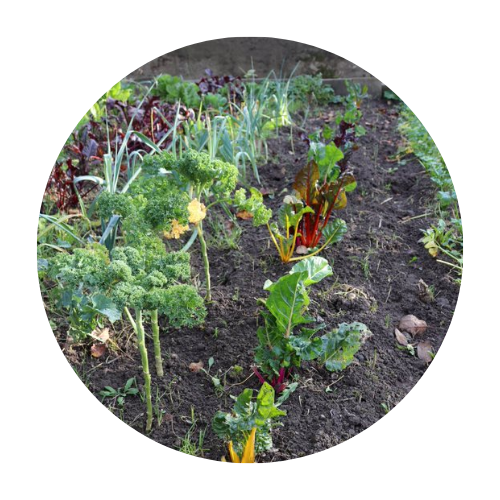
I really thought companion gardening would make things simpler.
Follow the combinations. Put the plants in the right places. Let it work. Instead, I kept making the same mistakes for years. Just with better looking plans.
At some point it clicked: most problems weren’t about wrong plants. It was about how I was paying attention. Or how little, sometimes.
Mistakes I Keep Making in Companion Gardening
- Planting things too close because I didn’t want empty soil
- Trusting companion planting charts more than what I actually saw
- Assuming a struggling plant meant I messed something up
- Ignoring tired soil because the combination was “supposed” to work
- Planting the right partners, but at the wrong time
- Trying to fix things too fast instead of watching first

Winter Honesty
Mistakes fit winter better than spring.
In winter, the garden stops asking for quick decisions. Nothing grows fast. Nothing needs fixing right now. Beds are quiet, and there’s space to remember.
That’s usually when I notice what didn’t really work.
Not in spring, when hope is loud. Not in summer, when everything feels urgent. Winter is calmer. You can be honest without pressure.
Planting Too Close
I planted things too close because I meant well.
One of those common companion gardening mistakes to avoid, even if it comes from good intentions.
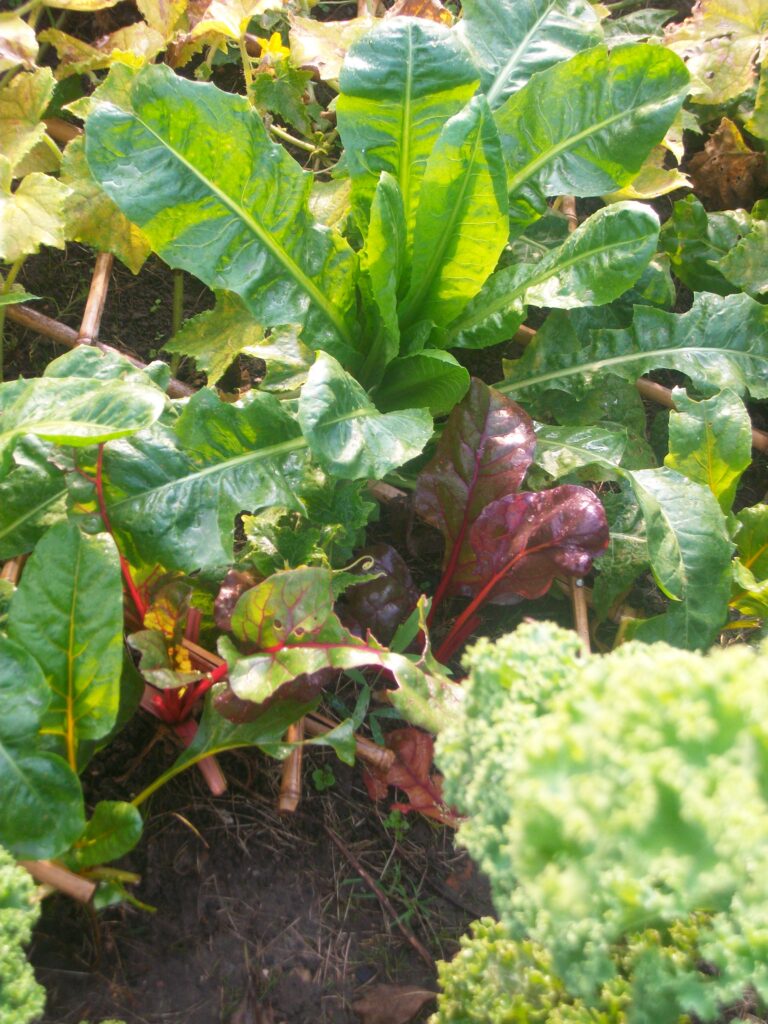
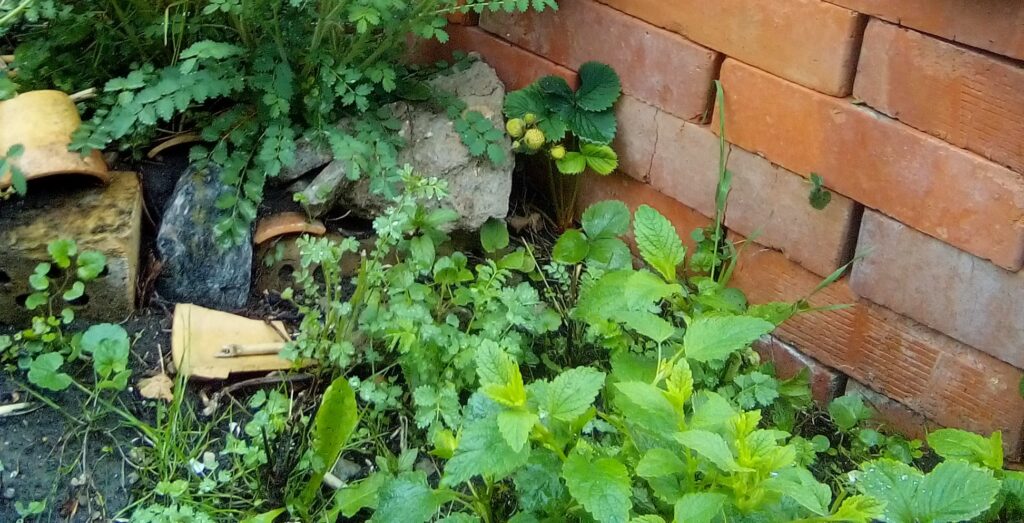
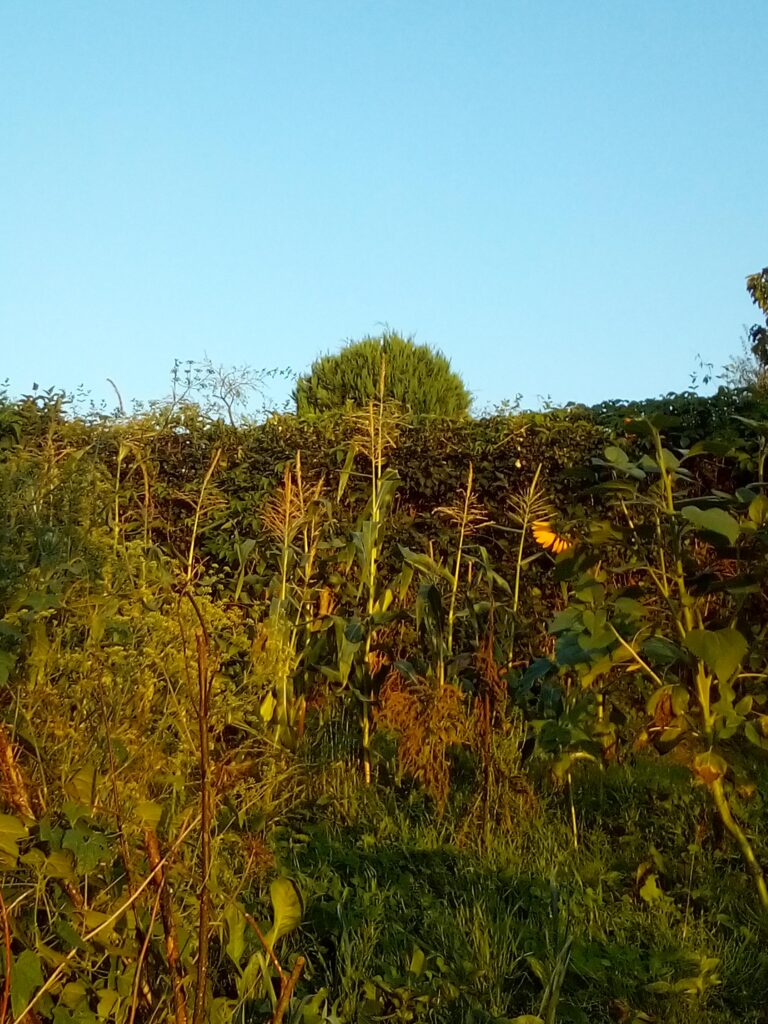
I wanted full beds. No wasted space. Plants helping each other, like the charts promised. What I got instead was stressed plants and soil that felt tired faster than expected.
Companion gardening doesn’t mean squeezing plants together. It really doesn’t.
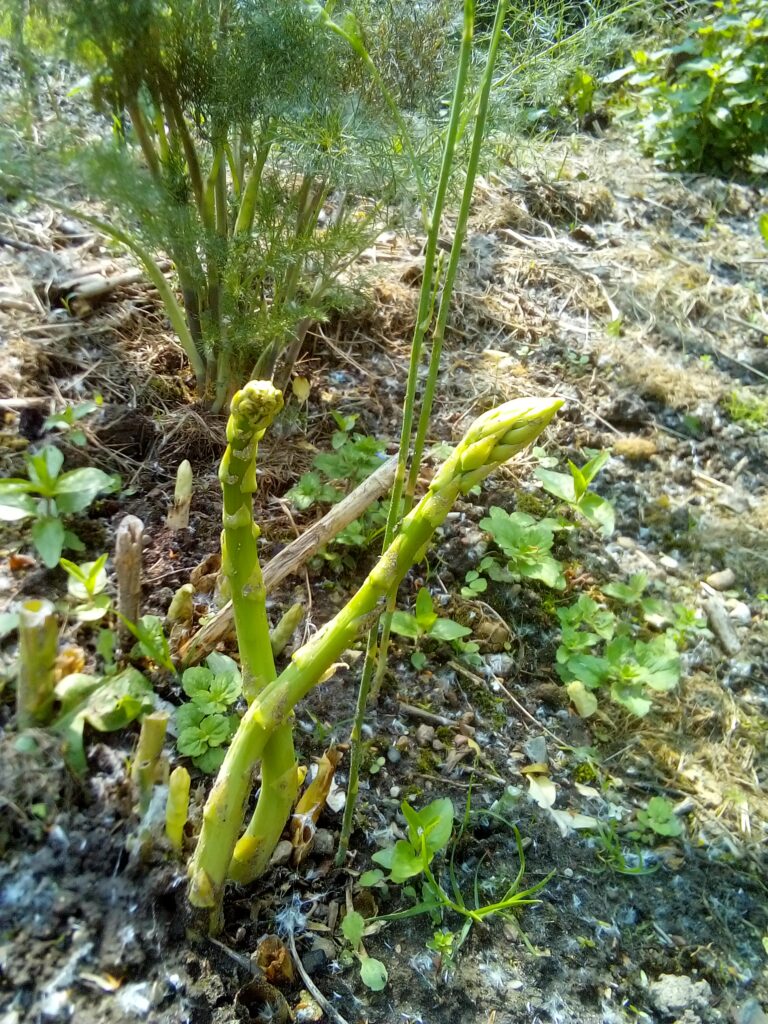
When spacing is ignored, even good companions compete. For water. For air. For space underground. And the soil remembers that longer than you think. This is one of the mistakes that shows up quietly, not all at once.

Trusting Charts More Than Observation
Charts feel safe.
They look clear. Organized. Final. I trusted them more than what was actually happening in front of me. Looking back, that’s another of the common companion gardening mistakes to avoid—letting plans matter more than plants.
If a combination struggled, I assumed I did something wrong. Watered wrong. Planted too late. Missed a step. It took years to realize that some charts just don’t fit every garden.
Companion planting tables aren’t useless. They’re just incomplete.
I still use combinations that proved themselves over time. You’ll find those in Article 3. I just don’t force them anymore, especially when the garden clearly disagrees.
Ignoring Soil and Timing
This one stayed invisible for a long time.
I paired the right plants, but ignored when the soil was ready. Or how long it had already been carrying the same demands. Soil fatigue is an easy thing to overlook, and a very common one.
Companion planting in tired or wrong soil doesn’t always fail right away. Sometimes plants grow, just slowly. Sometimes they look fine, but something feels off. These soil-related issues are often counted among the common companion gardening mistakes to avoid, even though they don’t look dramatic.
Timing matters. Probably more than we want to admit.
Soil needs breaks. Beds need rest. Plants notice when we rush.
What I Do Differently Now
I pause before fixing.
Frida used to say, “Stop fighting first.”
Now, when something struggles, I wait. I check spacing before blaming companions. I look at the soil before changing plans. I ask if the timing made sense, not just the pairing.
I still mess things up. That part hasn’t changed.
But it doesn’t spiral anymore. Companion gardening feels calmer now. Less clever. More honest.




Who This Is For
- The gardener who tried before and quietly gave up
- The perfectionist learning to let things be a bit messy
If that sounds like you, you’re not late. You’re just listening differently now.
What I’m Often Asked About Companion Gardening Mistakes
What are the most common companion gardening mistakes to avoid?
The most common companion gardening mistakes to avoid are planting too close, trusting companion planting charts more than observation, and ignoring soil condition and timing. These mistakes usually come from good intentions, not carelessness.
Is planting too close a serious problem in companion gardening?
Yes. Planting too close in a companion garden is one of the most frequent issues, especially for beginners. Even plants that grow well together still need enough space for roots, air, and soil recovery.
Why aren’t companion planting tables always enough?
Companion planting tables aren’t enough because they can’t reflect real garden conditions like soil health, weather, or planting timing. They work as a starting point, but observation fills the gaps they leave. This becomes especially clear when soil structure is ignored—something I explain more deeply in my post How to Start a Compost Pile Step by Step, where soil health develops slowly, not by charts.
Can soil issues cause companion planting to fail?
Yes. Companion planting in wrong or tired soil often leads to slow growth, weak plants, or pest pressure. Even good plant companions struggle when the soil is exhausted or compacted.
How can beginners improve companion gardening without starting over?
Beginner gardeners can improve companion gardening by slowing down and adjusting spacing, soil care, and timing instead of changing all plant combinations at once. Small changes usually help more than starting from scratch.
Not Sure What Fits Your Garden Yet?
If you’re reading this and thinking, “Okay… but what actually fits my space and energy?”, try my Gardening Quiz: Grow your Food. It helps you discover your unique garden personality and offers gentle, personalized tips to start small—whether you’re working with a cozy balcony, a sunny windowsill, or a compact urban space. The goal isn’t perfection, but clarity. So you can grow with confidence and joy, no matter how much space you have.