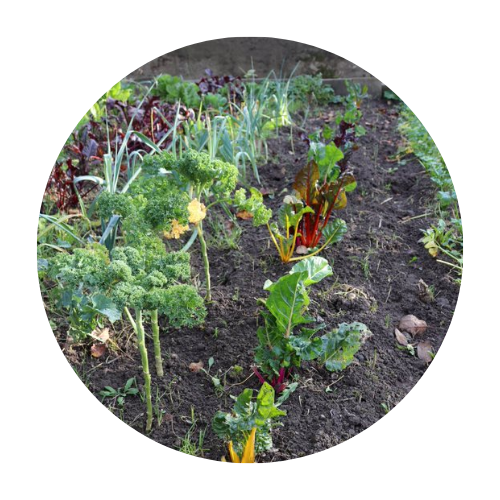
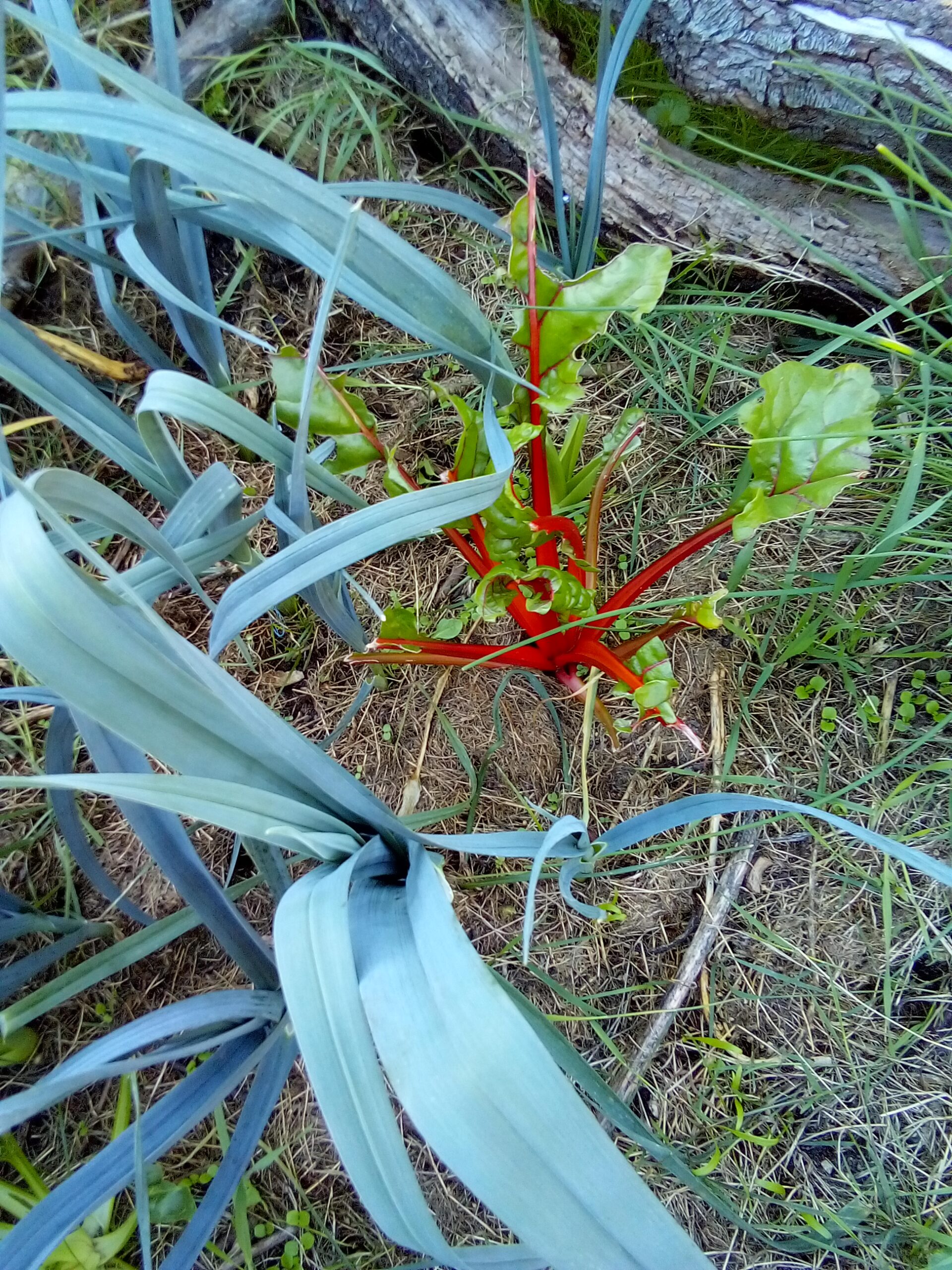
Why some plants grow better together in companion gardening is often explained as tradition. People repeat pairings without really knowing why they work. People repeat pairings without really knowing why they work. Tomatoes like basil. Beans help corn. Flowers protect vegetables. Sometimes that is true. Sometimes it is not.
Plants do not think in rules. They respond to what is around them. Space, soil, timing, and presence matter more than fixed combinations. When those factors fit, plants usually grow without much trouble. When they clash, problems appear, even if the pairing looks right on paper.
This article looks at those quieter reasons. Not to create new rules, but to understand what plants are actually doing.
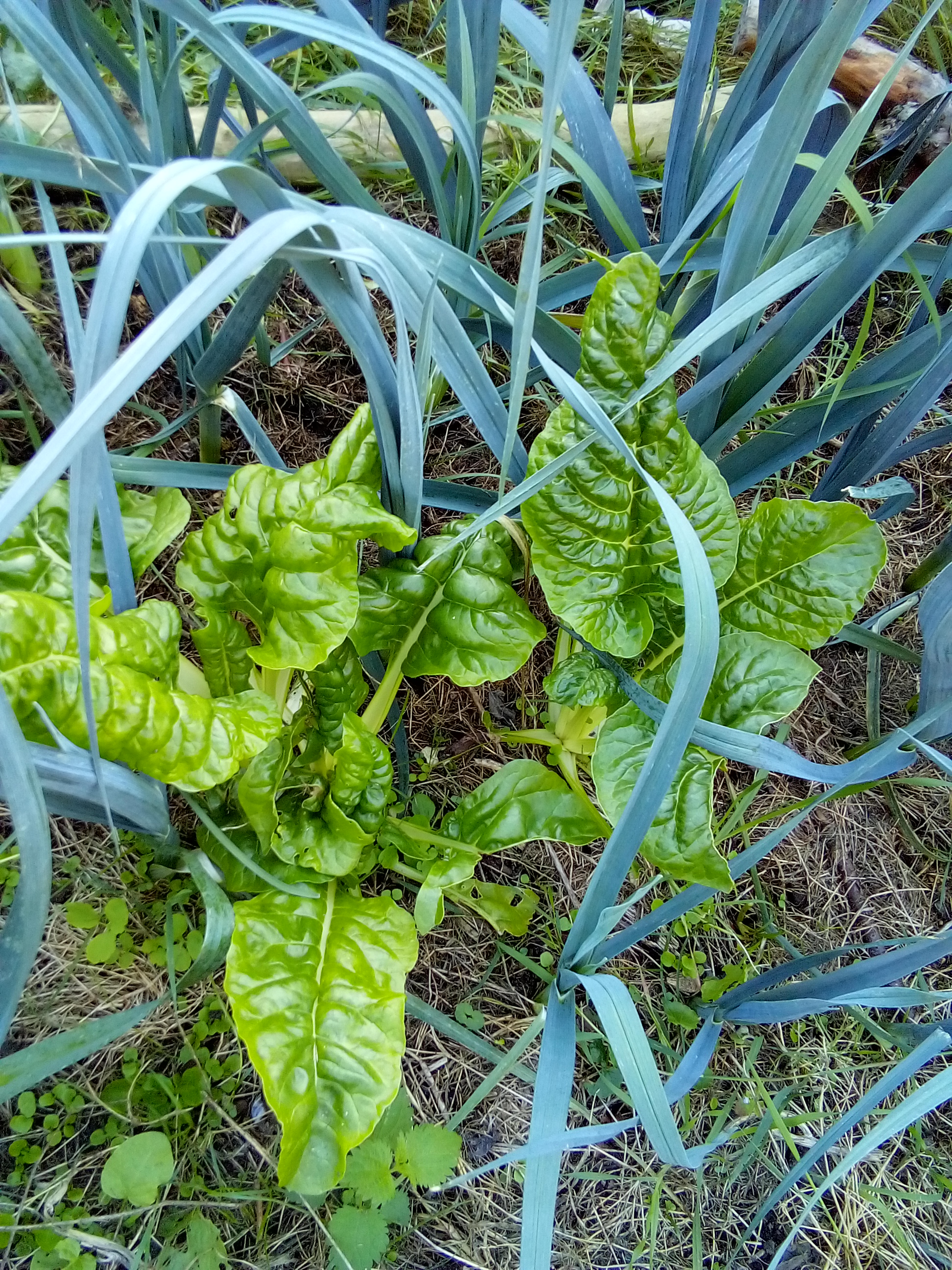
Winter Listening Instead of Planting in Companion Gardening
Winter is the easiest time to notice patterns. Nothing grows fast enough to distract you.
In January, you can still see where soil stayed compacted, where beds dried out too quickly, and where plants seemed to hold on longer than expected. These details are easy to miss in summer, when everything needs attention at once.
For companion gardening, winter is useful because it removes urgency. You are not deciding yet. You are remembering. That alone changes how spring planning feels.
Some gardeners skip this step entirely. They go straight to lists. That usually shows later in the season.
This article explores why some plants grow better together companion gardening by looking at roots, scent, and timing rather than competition.
Companion gardening builds on observation and calm planning. If you are new to this approach, you may want to start with How to Companion Gardening – Growing Together, Not Alone, which introduces the basic ideas behind companion gardening for mindful gardening beginners.
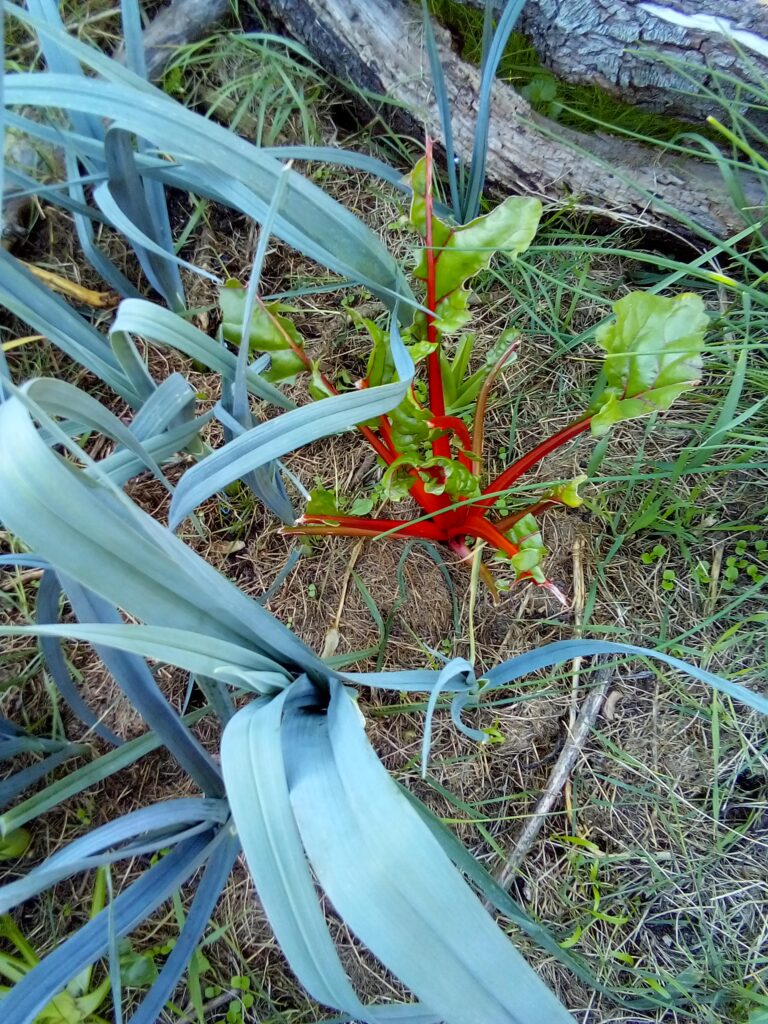
Root Depth and Nutrient Sharing: Why Some Plants Grow Better Together
One of the most overlooked reasons why some plants grow better together is root depth.
Companion plant root depth and nutrient sharing determine how much plants interfere with each other below the surface. Some plants stay shallow. Others move deeper. When those layers are different enough, competition is reduced without any effort from the gardener.
This often results in:
- steadier growth without extra feeding
- soil that stays looser over time
- fewer signs of stress during dry periods
Plants are not negotiating underground. They are adjusting. When the adjustment works, growth looks calm. When it does not, plants struggle even in good conditions.
It is easy to forget about roots because you cannot see them. That does not make them less important. If you want to support healthy root layers below the surface, this how to start a compost pile article explains how soil structure develops over time.

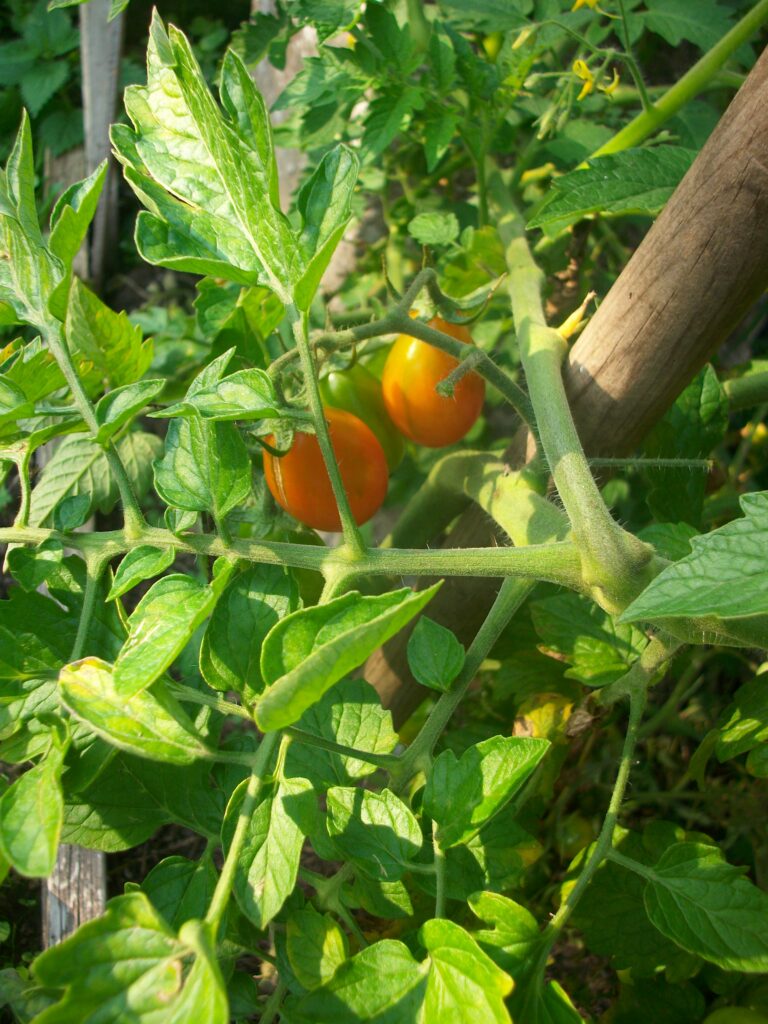
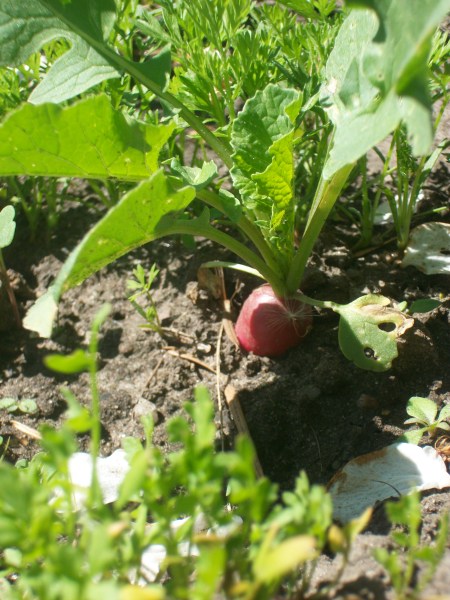
Plant Scent and Protection in Companion Gardening
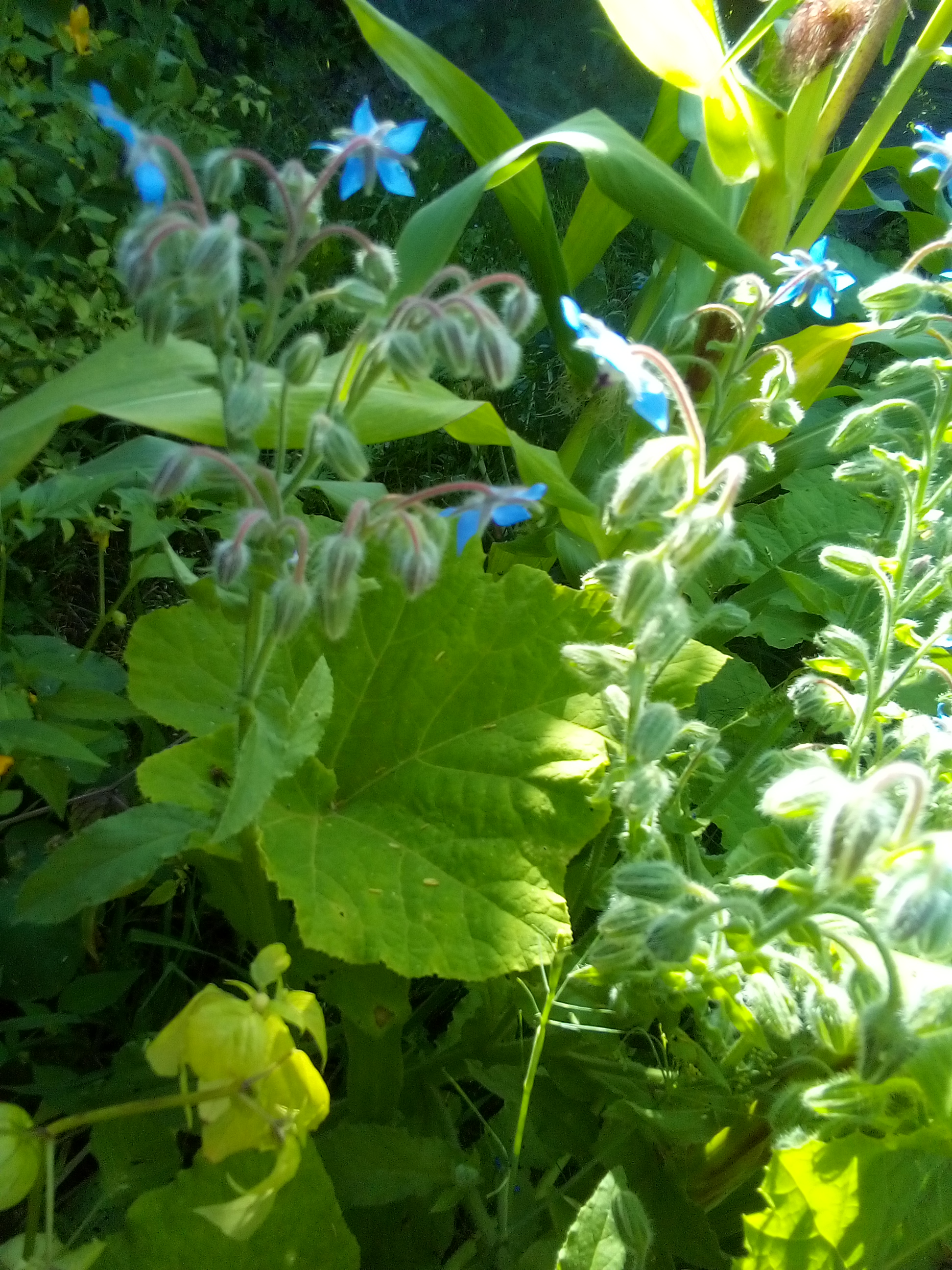
Another reason plants grow better together is scent.
How plant scent and protection helps in companion planting is subtle. Some plants release compounds that confuse insects. Others attract insects that keep pests in check. None of this is precise, and it does not stop damage completely.
What it does is slow things down.
In mixed planting, pests take longer to find their preferred plants. Beneficial insects stay longer because food sources overlap. Pressure spreads out instead of hitting one crop hard.
This is often mistaken for protection. It is more accurate to call it balance. And balance rarely looks dramatic. This slower rhythm continues into the kitchen—my Mexican beef soup with frozen garden vegetables is one way this kind of slow living shows up after harvest.
Sometimes gardeners expect visible results too quickly. That expectation causes frustration more than failure.
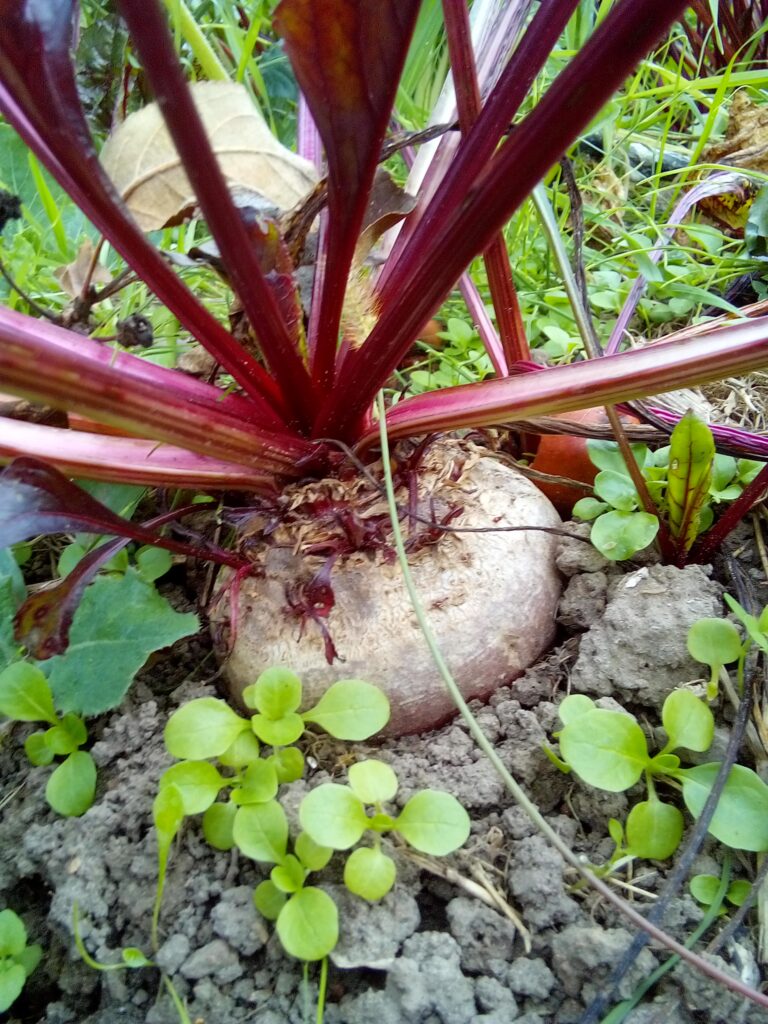
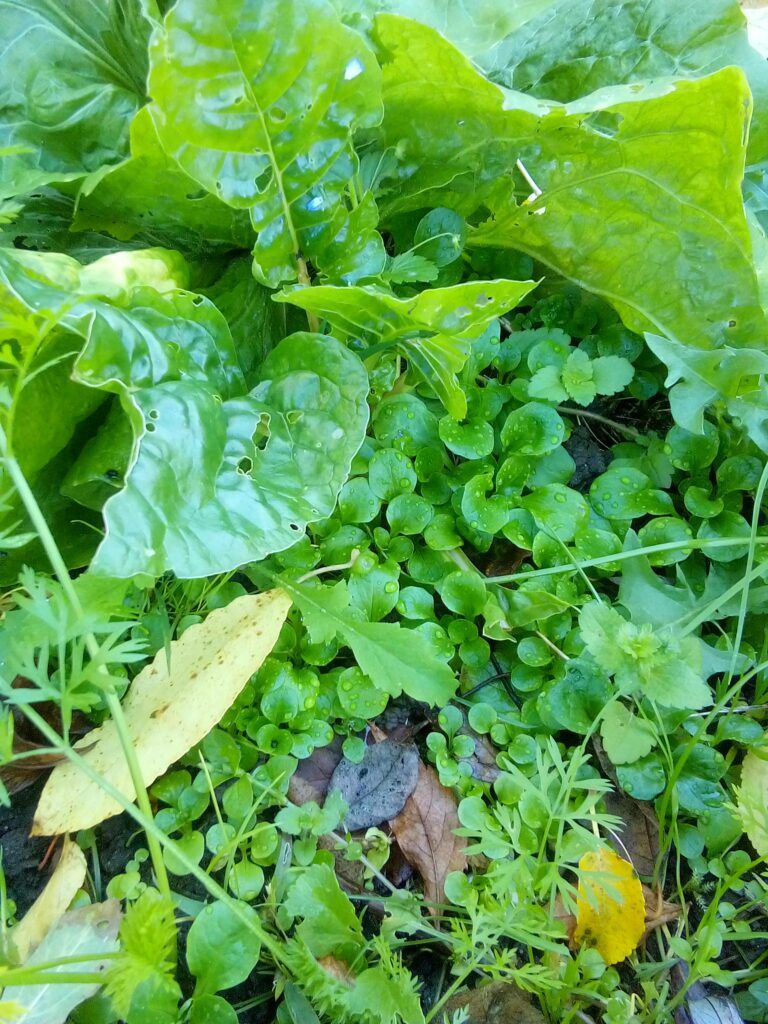
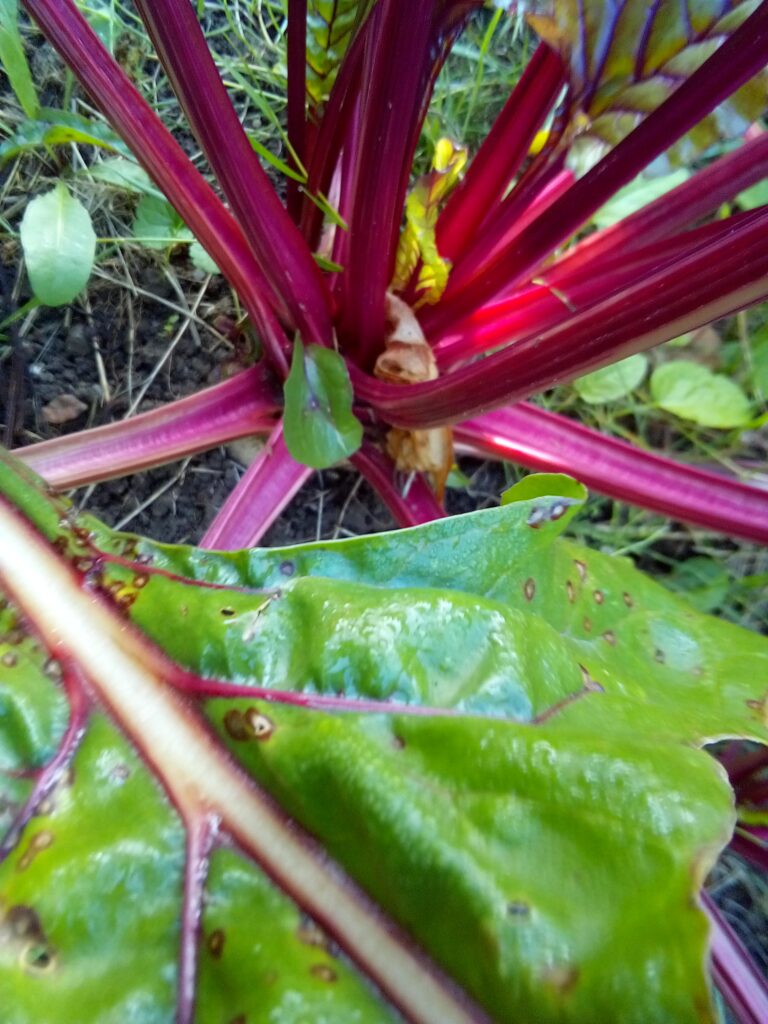
Plants as Neighbors, Not Competitors in Companion Gardening
Plants as neighbors not competitors gardening is not a metaphor. It is a practical way to look at plant behavior.
Plants respond to crowding, shade, and depletion. They do not try to outgrow each other on purpose. When conditions allow, they coexist. When conditions are wrong, conflict appears.
Frida used to say, “They answer, if you pay attention.”
What she meant was not mystical. Leaves tell you when light is wrong. Stems tell you when space is limited. Soil tells you when too much is being taken from one layer.
Sometimes we notice these signals too late. Sometimes we ignore them because the plan said it should work.
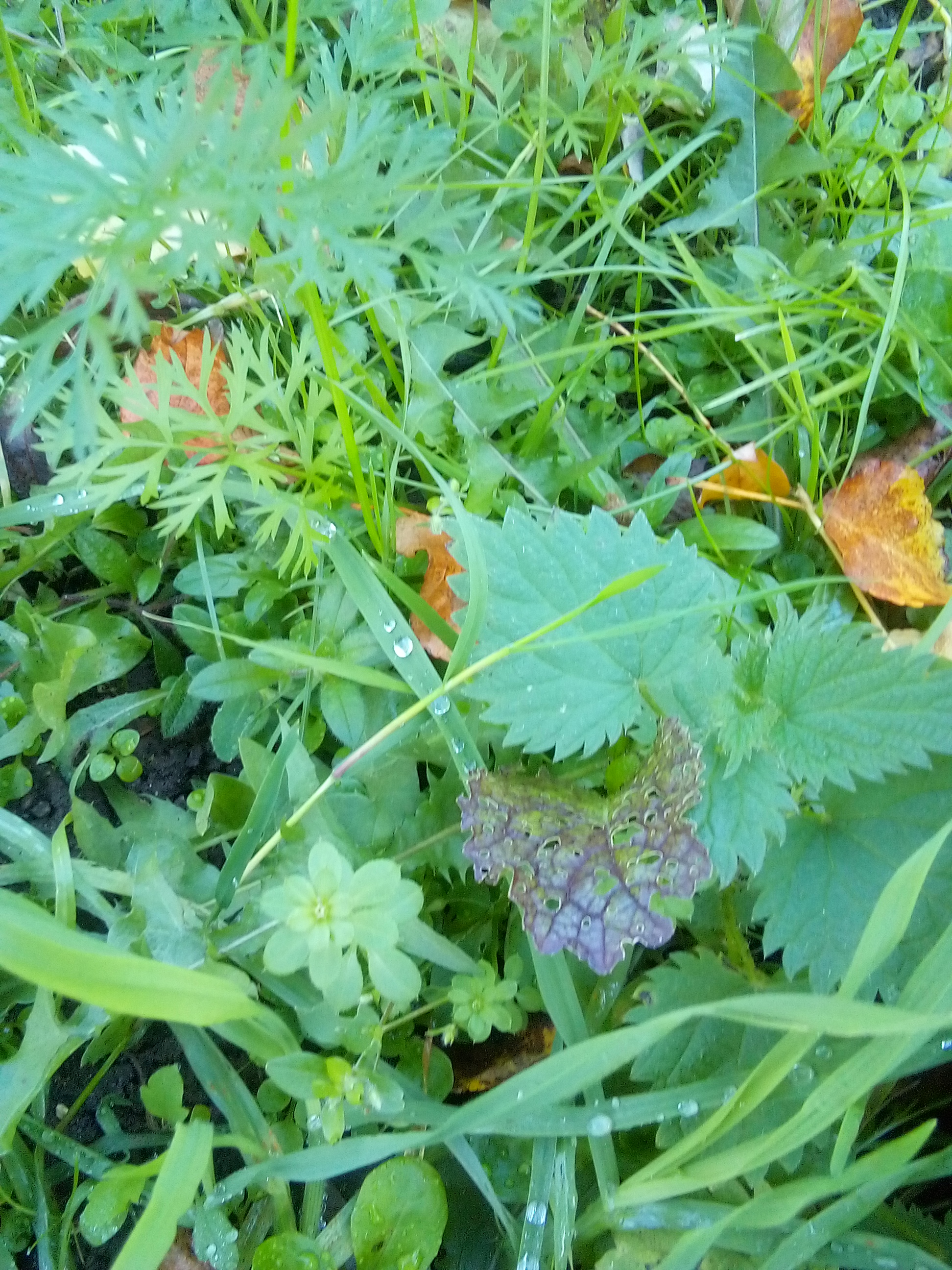
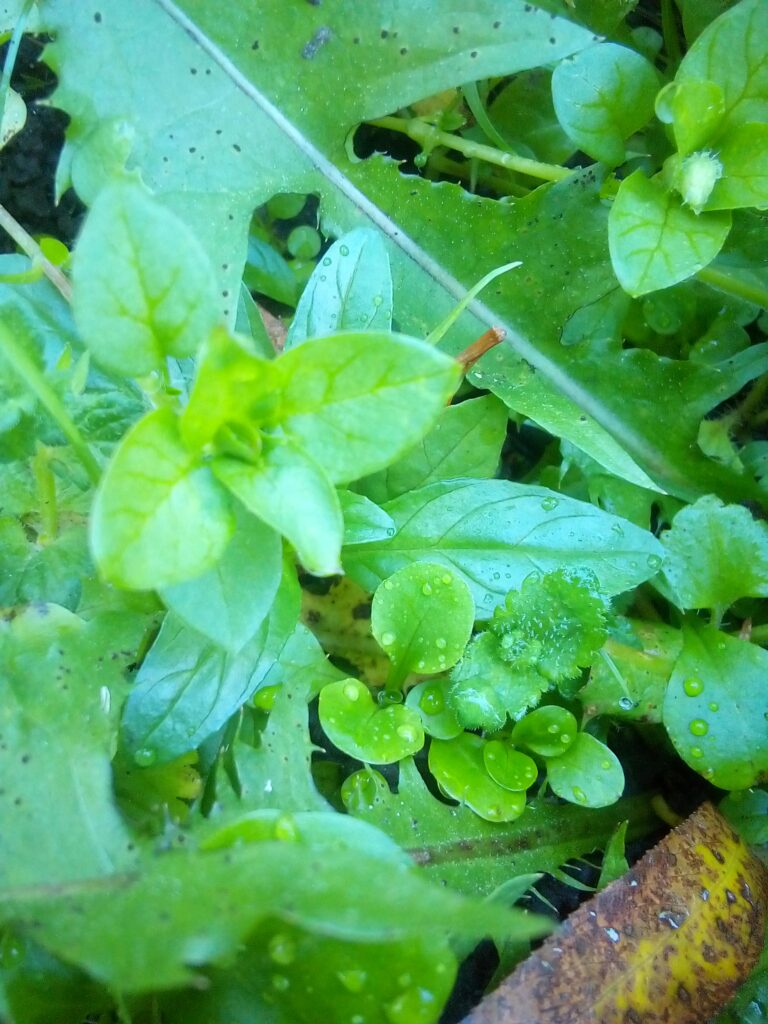
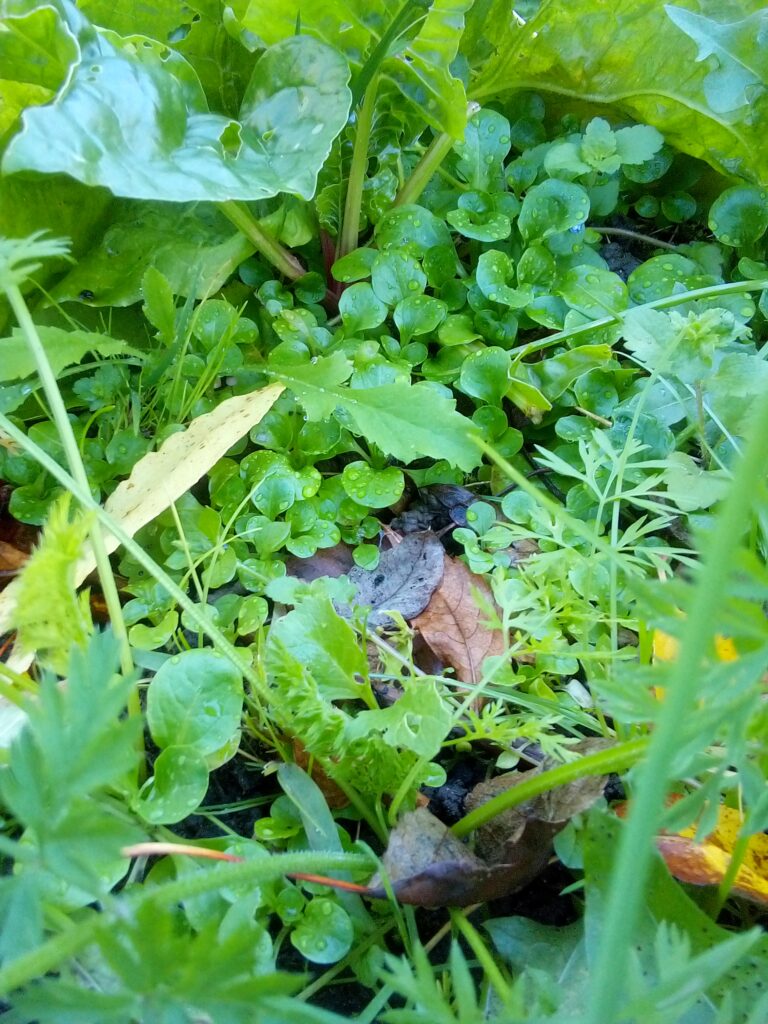
Preparing to Choose Companion Plants Wisely
Understanding why some plants grow better together in companion gardening does not make planning perfect. It makes it quieter.
Instead of asking which plants belong together, different questions become more useful:
- Do these plants peak at the same time?
- Do they use the same soil depth?
- Do they create shade or demand it?
These questions are not always answered clearly. And that is fine. Companion gardening improves through small adjustments, not correct answers.
Spring decisions feel lighter when winter observation has already done part of the work. You may still choose wrong combinations. Everyone does.
The difference is that you will notice sooner why something did not work. And next season, you will choose differently.
Frequently Asked Questions
Why do some plants grow better together in companion gardening?
Why some plants grow better together in companion gardening is usually explained by differences in root depth, growth timing, and scent. When plants use different soil layers or peak at different times, they interfere with each other less and experience less stress.
Does companion gardening mean plants share nutrients?
Companion gardening does not mean plants actively share nutrients. Instead, companion plant root depth and nutrient use often differ, which reduces direct competition. This allows plants to grow side by side without exhausting the same soil layer.
How does plant scent help in companion planting?
Plant scent can confuse pests or attract beneficial insects. How plant scent and protection helps in companion planting is subtle and works over time, not as an instant solution. It mainly reduces pressure on individual plants rather than preventing damage completely.
Are plants really competitors in the garden?
Plants are better understood as neighbors, not competitors. Plants as neighbors not competitors gardening focuses on how plants respond to space, light, and soil conditions. Problems usually appear when conditions clash, not because plants are trying to dominate each other.
When should I start planning companion gardening?
Planning companion gardening works best in winter. Observing the garden when nothing is growing helps with understanding plant relationships in the garden and makes spring decisions calmer and more informed.
Understanding Companion Gardening Beyond Fixed Pairings
If you want to explore companion gardening beyond traditional pairings and fixed charts, How to Companion Gardening – Growing Together, Not Alone looks at planting as a relationship rather than a rule. It focuses on observation, timing, and presence—helpful if you want to plan calmly instead of forcing combinations to work.