I didn’t learn this from a textbook or a health trend. I learned it standing in my kitchen, late in the evening, bones simmering quietly while the house finally slept, wondering why add apple cider vinegar to bone broth when the process already takes so much time.
Someone once told me:
“If you want the bones to give something back, you have to ask gently.”
That’s exactly what apple cider vinegar does.
The short answer (for busy readers)
Apple cider vinegar is added to bone broth because its natural acidity helps release minerals and collagen from the bones during slow cooking.
It doesn’t make the broth sour.
It simply helps the bones soften, open, and share what’s inside.
What actually happens when you add apple cider vinegar?
When bones simmer in water alone, they still release nutrients.
But when you add a small amount of apple cider vinegar, the acidic environment helps loosen:
- calcium
- magnesium
- phosphorus
- collagen and gelatin
This is why traditional bone broth recipes — long before wellness trends — almost always included something acidic: vinegar, wine, or fermented liquids.
Not magic.
Just old kitchen wisdom.
Does bone broth work without vinegar?
Yes.
But vinegar helps.
Think of it like soaking dried beans before cooking.
You can skip it — but soaking makes everything easier and more digestible.
If you already simmer your broth for 24 hours or more, you’ll still get nutrients.
Adding apple cider vinegar simply supports the extraction process, especially in the first hours.
How much apple cider vinegar should you use?
Simple rule:
- 2 tablespoons per large pot (4–5 liters)
That’s enough.
More is not better.
The broth should never taste vinegary.
If it does, you used too much.
The right moment to add it (this matters)
Here’s the part many recipes skip:
- Add bones to the pot
- Cover with cold water
- Add apple cider vinegar
- Let it sit for 20–30 minutes before heating
This short pause allows the vinegar to start working before heat tightens the bone structure.
Then bring everything slowly to a simmer.
Quiet. Gentle. Patient.
Which apple cider vinegar is best?
Use:
- raw
- unfiltered
- with “the mother”
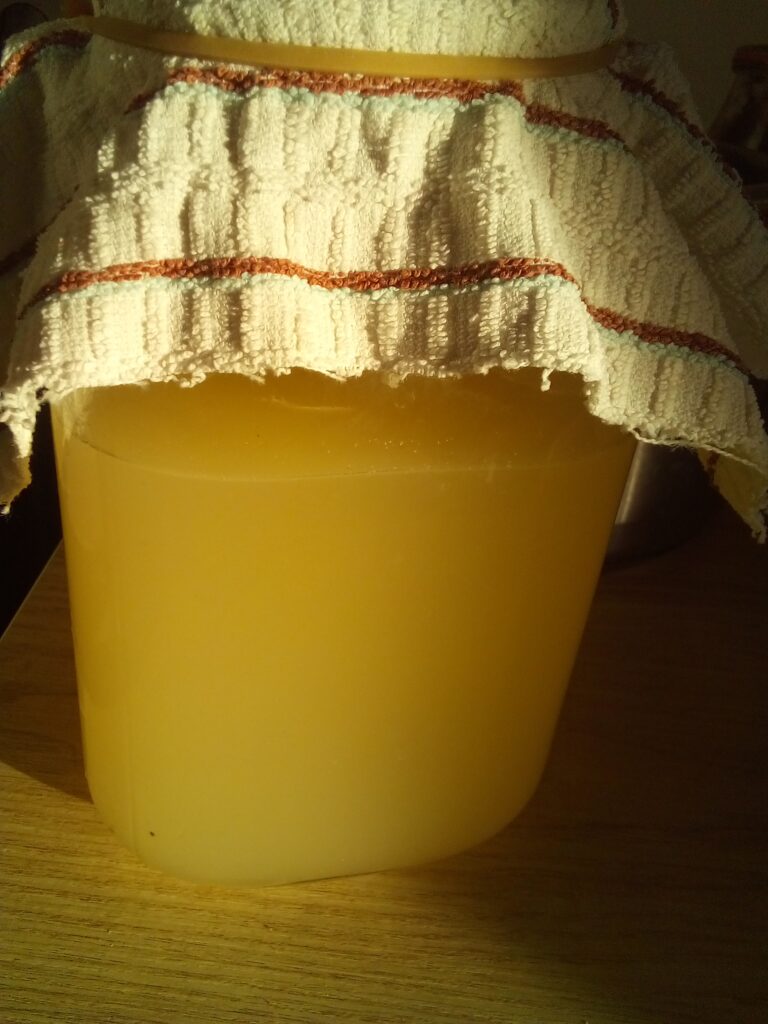
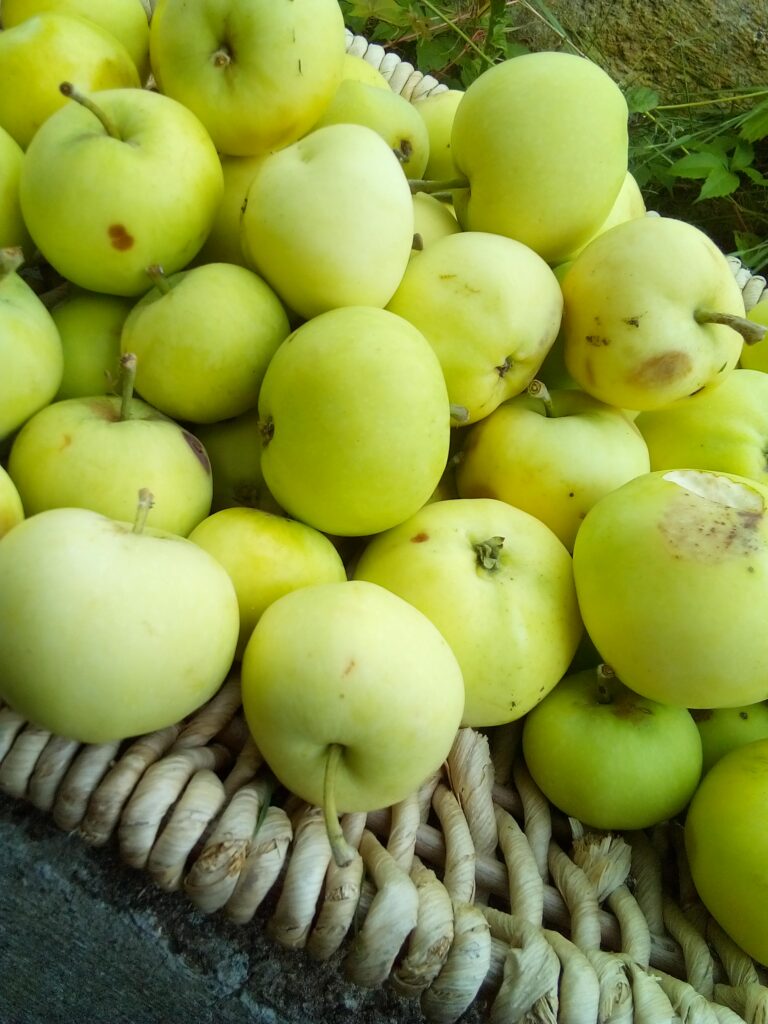
If you want full control, this is where my DIY Apple Vinegar Recipe comes in.
Homemade vinegar is softer, less aggressive, and fits beautifully into slow cooking.
(Internal link here to your DIY apple vinegar recipe)





Flavor matters: vinegar doesn’t mean boring broth
This is where many people go wrong.
Bone broth doesn’t have to taste flat or medicinal.
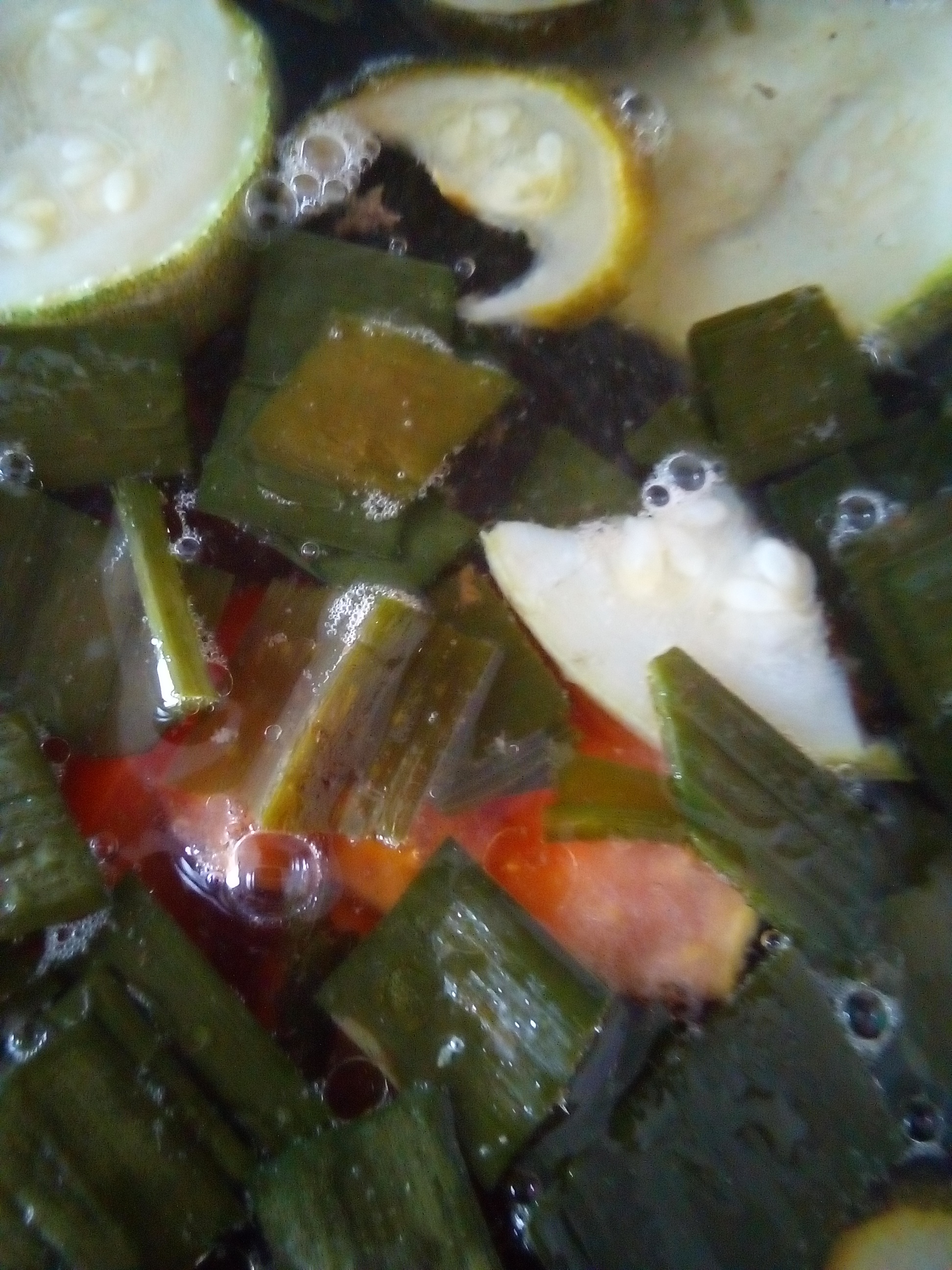
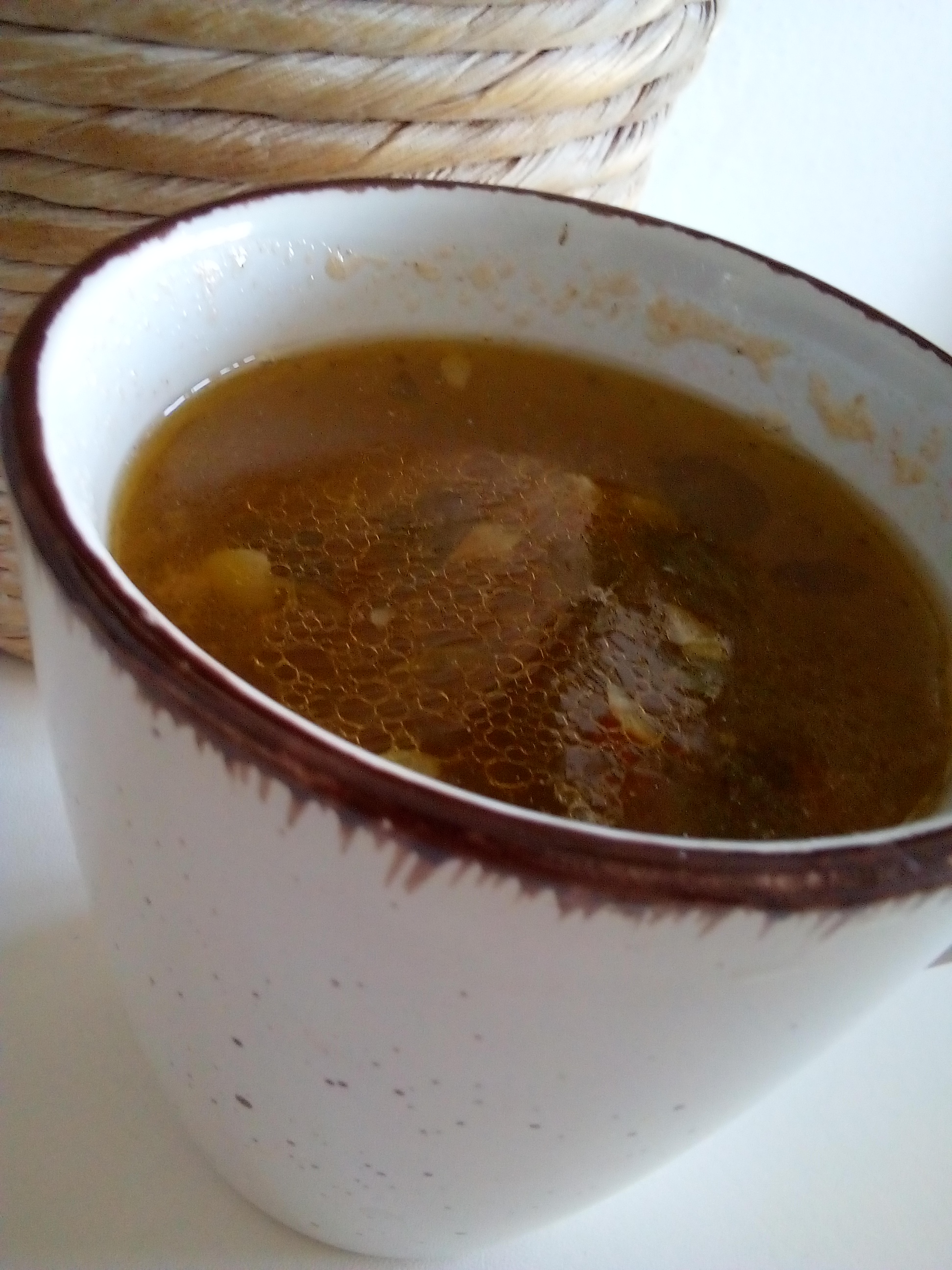
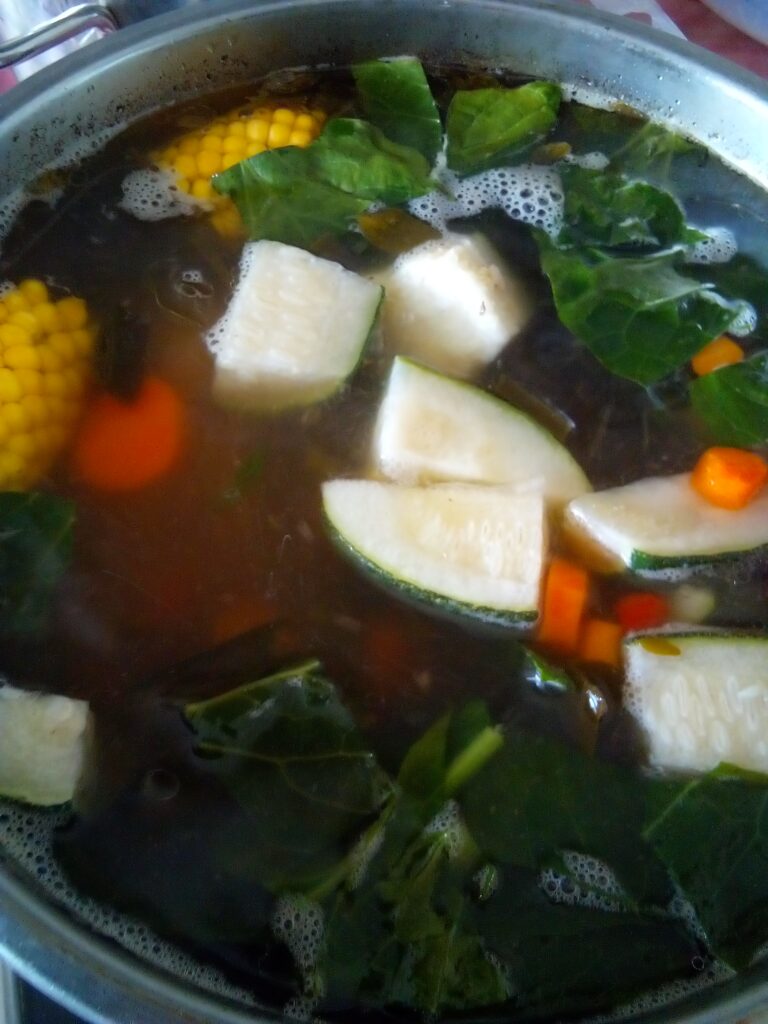
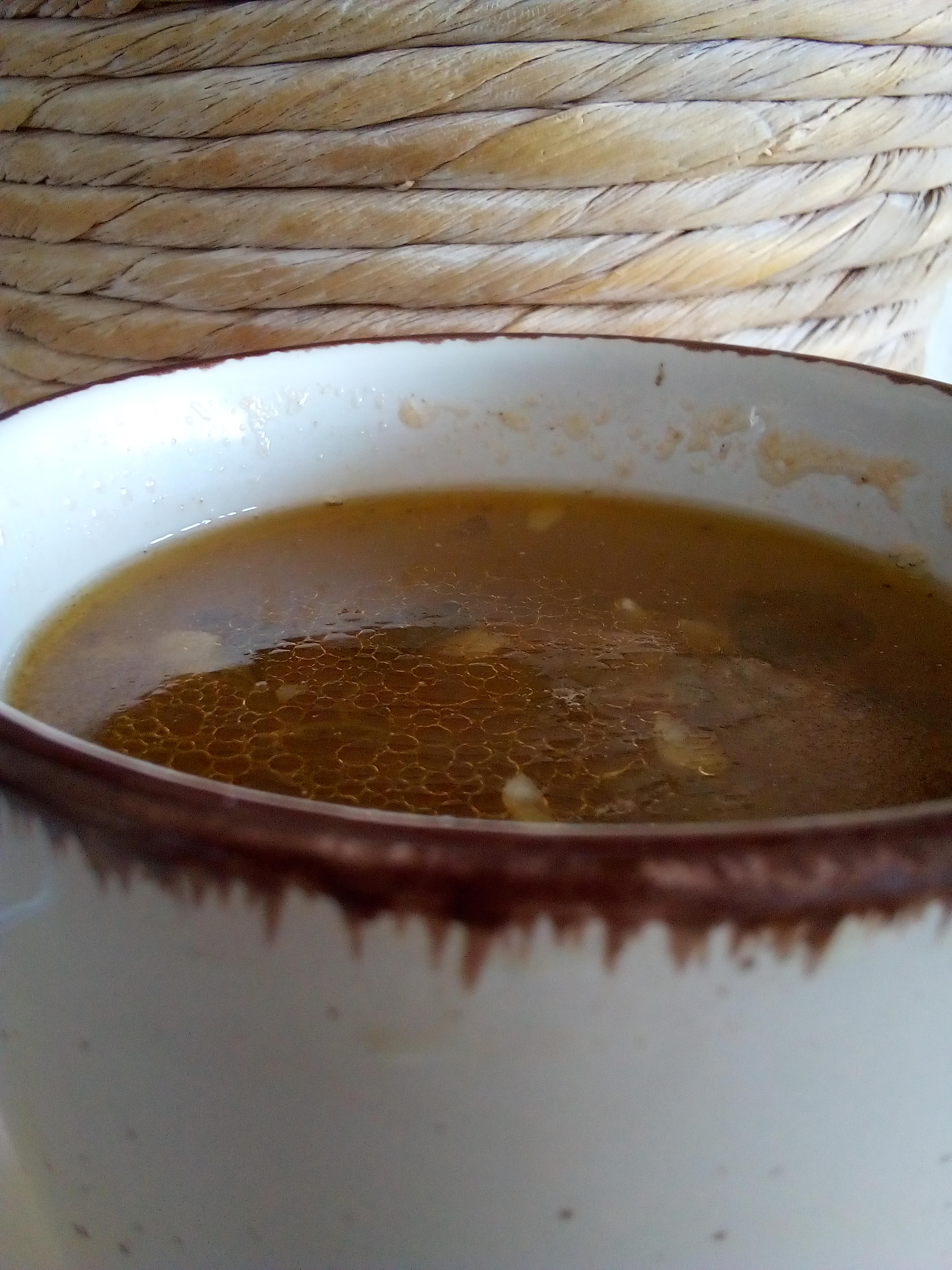
One of my favorite variations is my Mexican Bone Brew — made with:
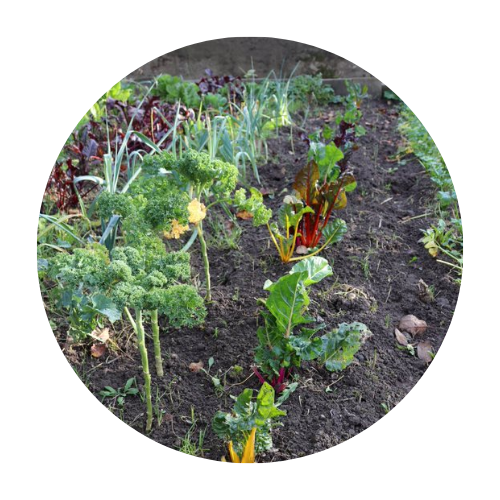
- homestead leek
- corn
- zucchini
- cilantro
The apple cider vinegar works quietly in the background while the vegetables and herbs bring warmth and depth.
(Internal link here to: Mexican Bone Brew with Homestead Leek, Corn, Zucchini & Cilantro)
The result?
A broth that feels alive.
Not just nutritious — but comforting.


Common mistakes to avoid
- Adding too much vinegar
- Using distilled white vinegar instead of apple cider vinegar
- Boiling the broth aggressively instead of letting it simmer gently
- Skipping the resting time after adding vinegar and before heating
Bone broth likes patience.
It always has.
Is apple cider vinegar safe in bone broth?
In the small amounts used for broth, yes.
If you’re sensitive to acidity:
- stick to 1 tablespoon
- or use homemade apple vinegar
Once diluted and cooked, the broth is gentle and grounding — not harsh.




Final thoughts from my kitchen
Apple cider vinegar isn’t a trend ingredient.
It’s a quiet helper.
It doesn’t shout.
It doesn’t dominate.
It simply helps bones soften and release what they’ve been holding onto.
And maybe that’s why it feels so right in slow food.
Nothing forced.
Nothing rushed.
Just time, warmth, and a little acidity.

SumUp
Why add apple cider vinegar to bone broth?
Because gentle acidity supports the release of minerals and collagen during slow cooking. Used in small amounts, apple cider vinegar doesn’t change the flavor of bone broth, but helps create a more nourishing, balanced brew rooted in traditional kitchen wisdom.
Why add apple cider vinegar to bone broth?
Apple cider vinegar is added to bone broth because its natural acidity helps bones release minerals and collagen during slow cooking. Used correctly, it supports a more nourishing bone broth without changing the flavor.
How much apple cider vinegar should I use for bone broth?
For most bone broth recipes, 1–2 tablespoons of apple cider vinegar per large pot (4–5 liters) is enough. More vinegar does not extract more nutrients and may affect taste.
Does bone broth still work without apple cider vinegar?
Yes, bone broth can still be nutritious without vinegar if simmered long enough. However, many traditional recipes include apple cider vinegar to gently support mineral extraction during the cooking process.
When should apple cider vinegar be added to bone broth?
Apple cider vinegar should be added before heating the bones. Apple cider vinegar should be added to the pot with the bones and cold water before simmering. A short resting time before heating allows the vinegar to work gently as the broth begins.
Can I use homemade apple vinegar for bone broth?
Yes, homemade apple vinegar works very well for bone broth. It is often milder than store-bought vinegar and fits perfectly into slow, traditional cooking methods.
Can I buy apple cider vinegar for bone broth instead of making it myself?
Yes. While homemade apple vinegar is ideal, a natural, raw apple cider vinegar with the mother works very well for bone broth. If you don’t have homemade vinegar on hand, you can use a quality store-bought option — for example, a natural apple cider vinegar available on Amazon that is raw, unfiltered, and suitable for slow cooking. (For those who enjoy making their own, you’ll find my DIY apple vinegar recipe here.)
New to bone broth?
If you’re just starting out and want to understand the basics — from choosing bones to simmering times and flavor — you’ll find everything in my Beginner’s Guide to Bone Broth.
It’s written for home kitchens, not perfection. Slow, simple, and practical.