A simple homestead method that actually works
Rendering goose fat feels like a small victory. The kitchen smells rich and warm, the hard work is done, and it’s tempting to call it finished right there.
But it isn’t.
What you do after rendering matters just as much. Tiny bits of meat and browned residue are still floating in the rendered goose fat, even if you can’t see them right away. Leave them in, and the fat won’t keep as long, the flavor changes. Sometimes it turns before you expect it to.
That’s why I always take one more quiet step and filter goose fat before storing it. This simple step helps clarify goose fat properly and makes a real difference in how long it stays usable.
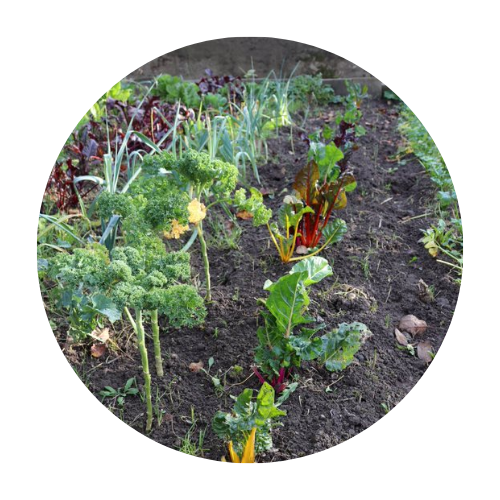
It’s the same mindset I bring to the garden too — choosing seeds carefully, working with simple methods, and letting time do its work. That’s where homesteading really begins for me.
I don’t use special equipment for this homestead method. Just a paper tea filter, a small metal sieve, and a glass jar. It’s slow and uncomplicated, and it gives me goose fat that stays clean, stable, and ready to use all winter.
Why Filtering Goose Fat Matters
Freshly rendered goose fat can look perfectly fine and still cause problems later. Those tiny particles left behind are enough to shorten shelf life and make the fat go off sooner than it should.
Filtering removes what the eye misses. The result is fat that stores better, smells cleaner, and behaves more predictably when you cook with it months later.
It’s a small step. But it changes everything.
What You Need
This works best while the fat is still warm and fully liquid.
You only need a few things:
- rendered goose fat,
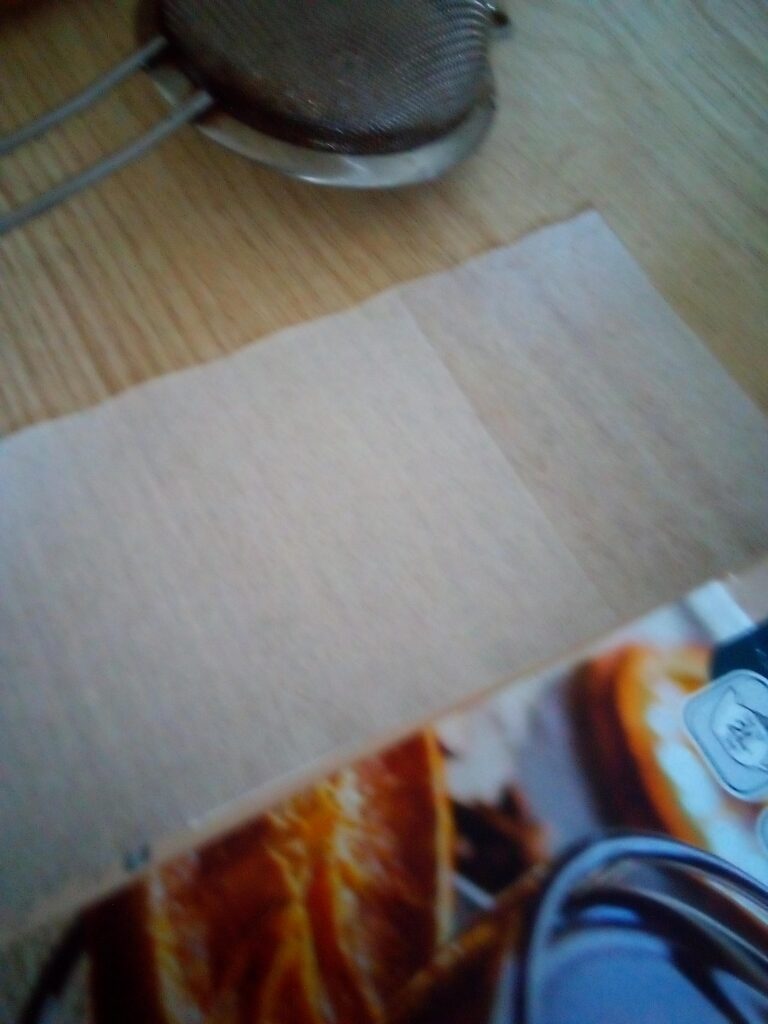
- a paper tea filter,
- a small metal sieve,
- and a clean glass jar.
That’s it. Tea filters are sturdy enough for warm fat and fine enough to catch residue a sieve alone won’t.
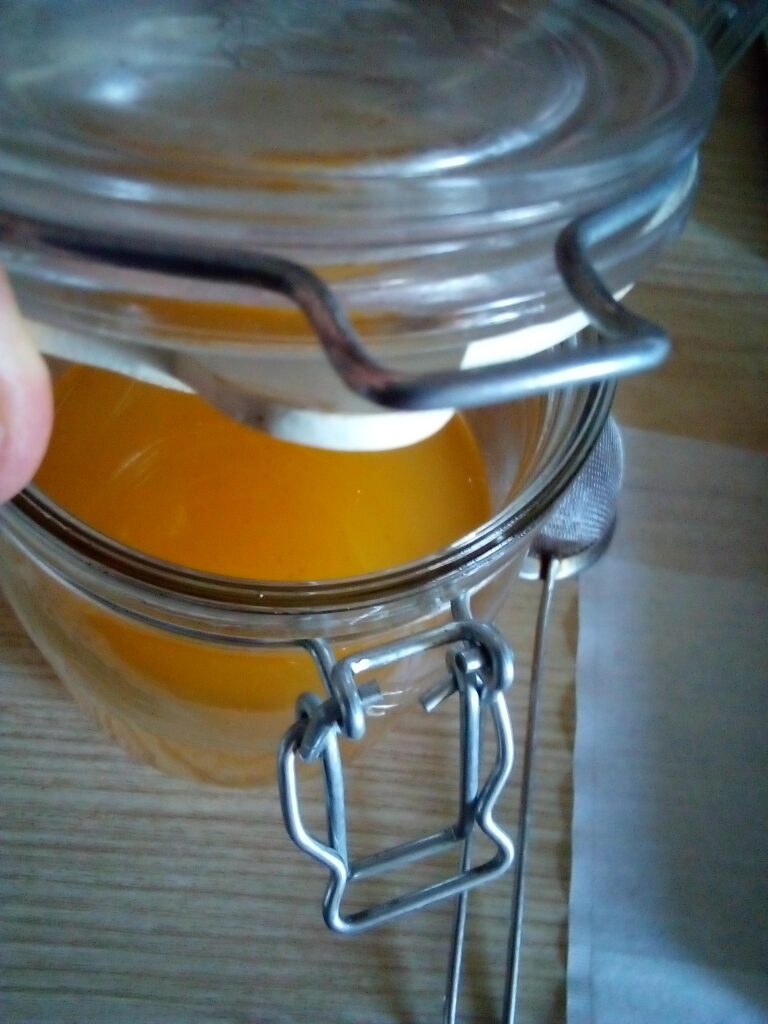
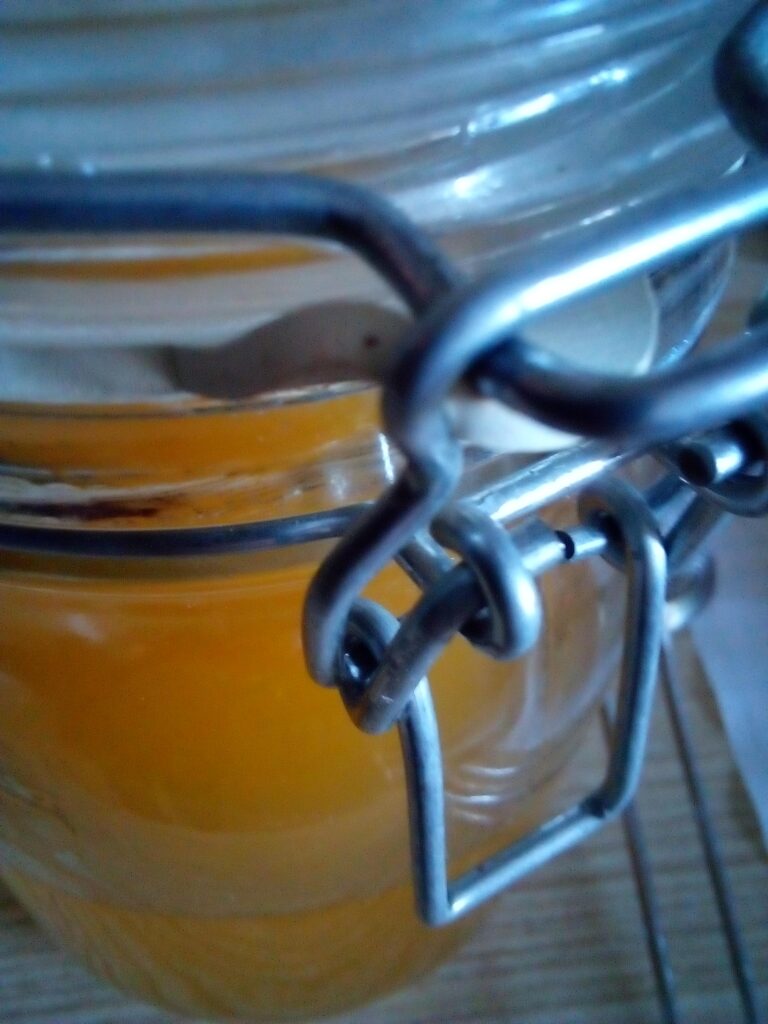
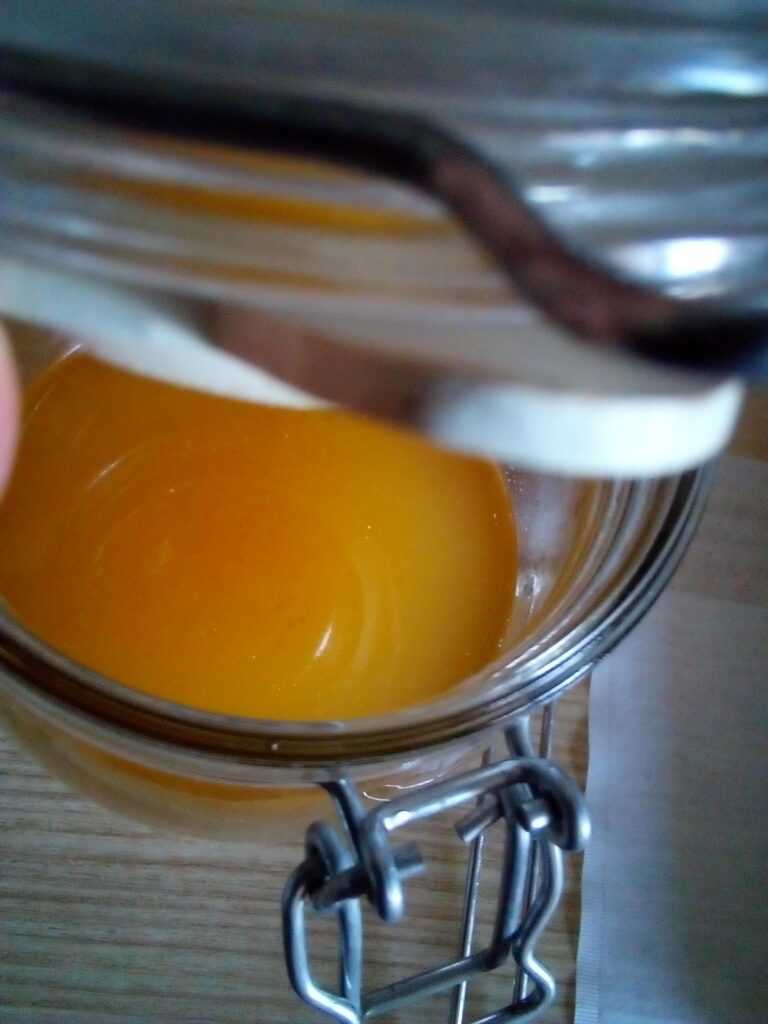
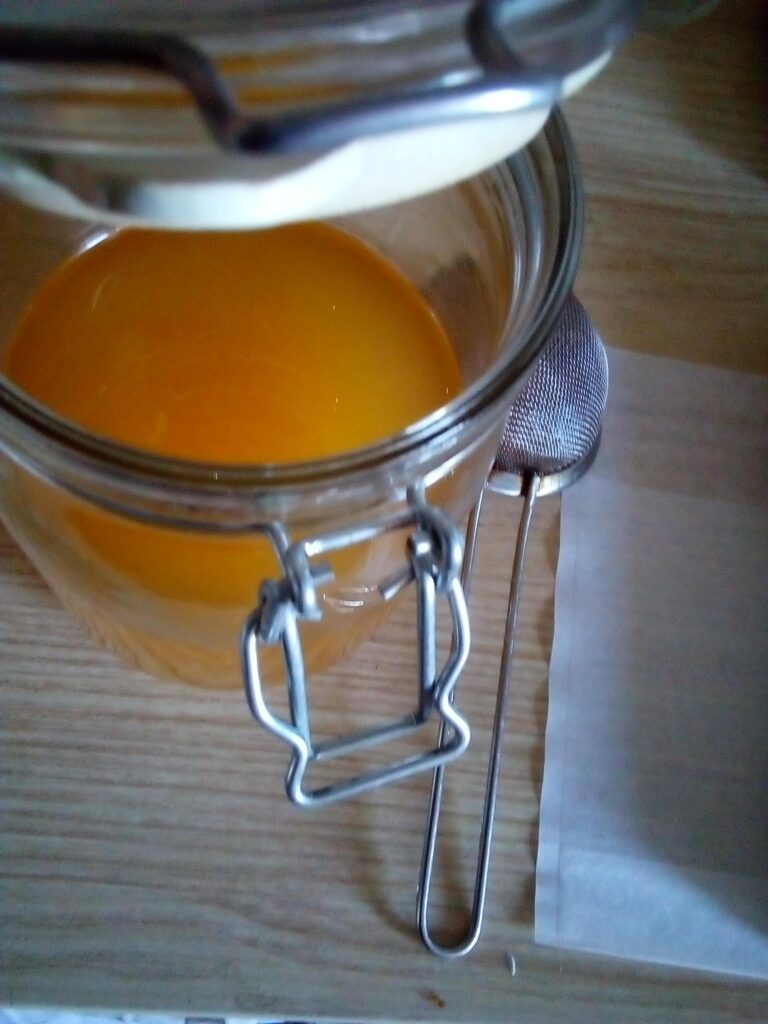
How I Filter Goose Fat Using Simple Kitchen Tools
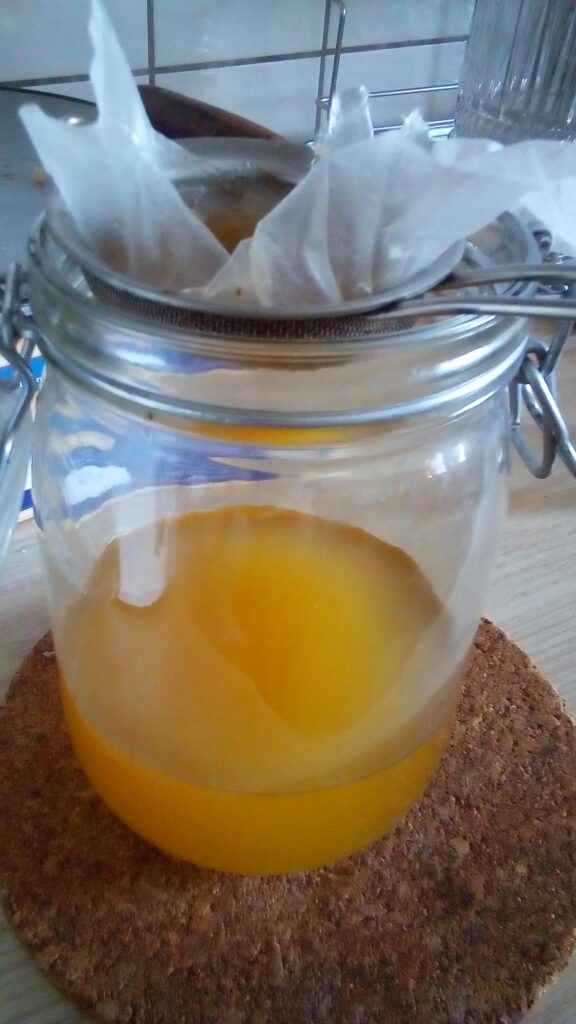
I set the metal sieve directly over the glass jar. Inside the sieve, I place a single paper tea filter. I don’t press it down or shape it too carefully. It just needs to sit there, loose and open.
I wait until the fat has cooled slightly. It should still be fully liquid, but not boiling. Then I pour slowly.
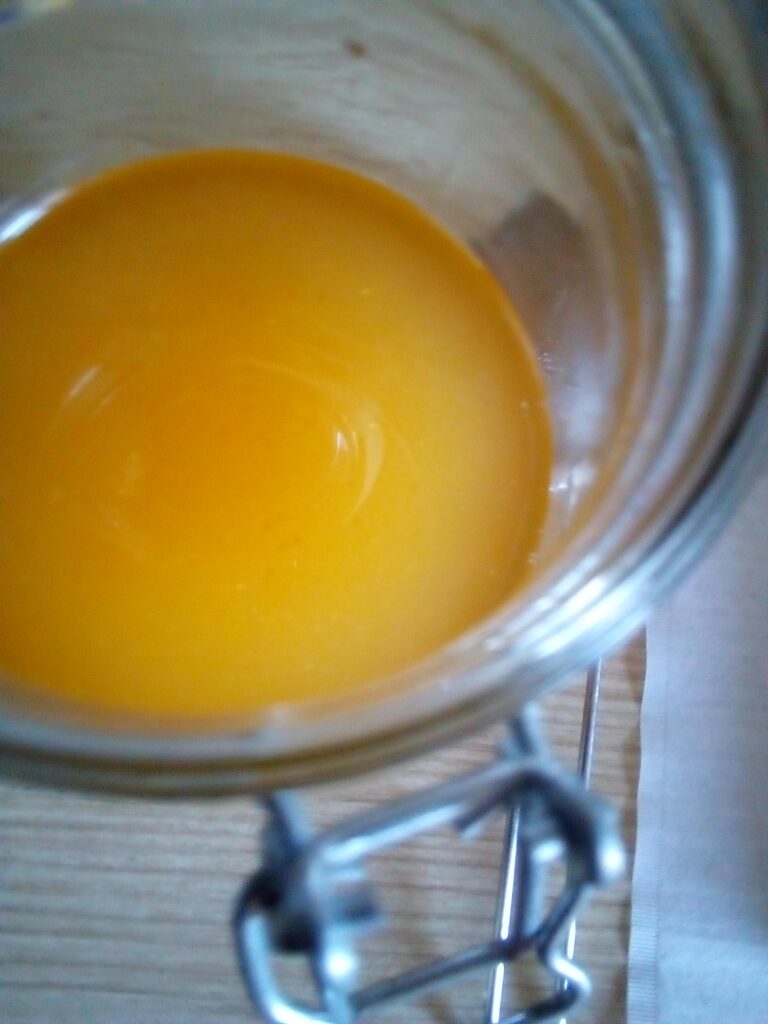
This part isn’t something I rush. The fat drips through on its own time. The filter catches the fine bits that would otherwise end up in the jar, and what comes through is clear and golden.
If I want the fat especially clean, I’ll filter it again using a fresh tea filter. What I never do is squeeze the filter. Pressing it forces residue back into the fat, and that defeats the whole point really.
It’s a quiet process. Nothing fancy. Just patience.
What Properly Filtered Goose Fat Should Look Like
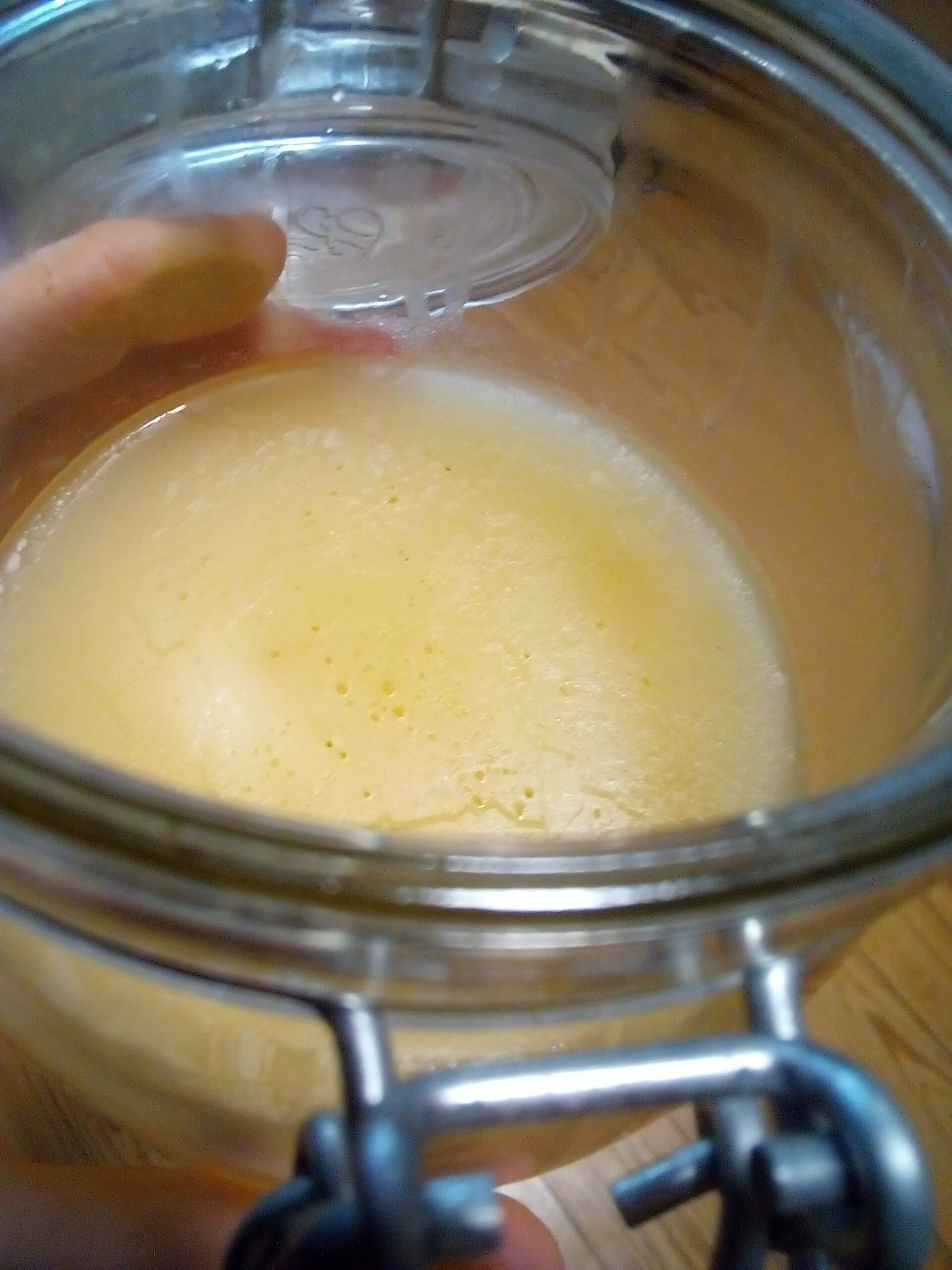
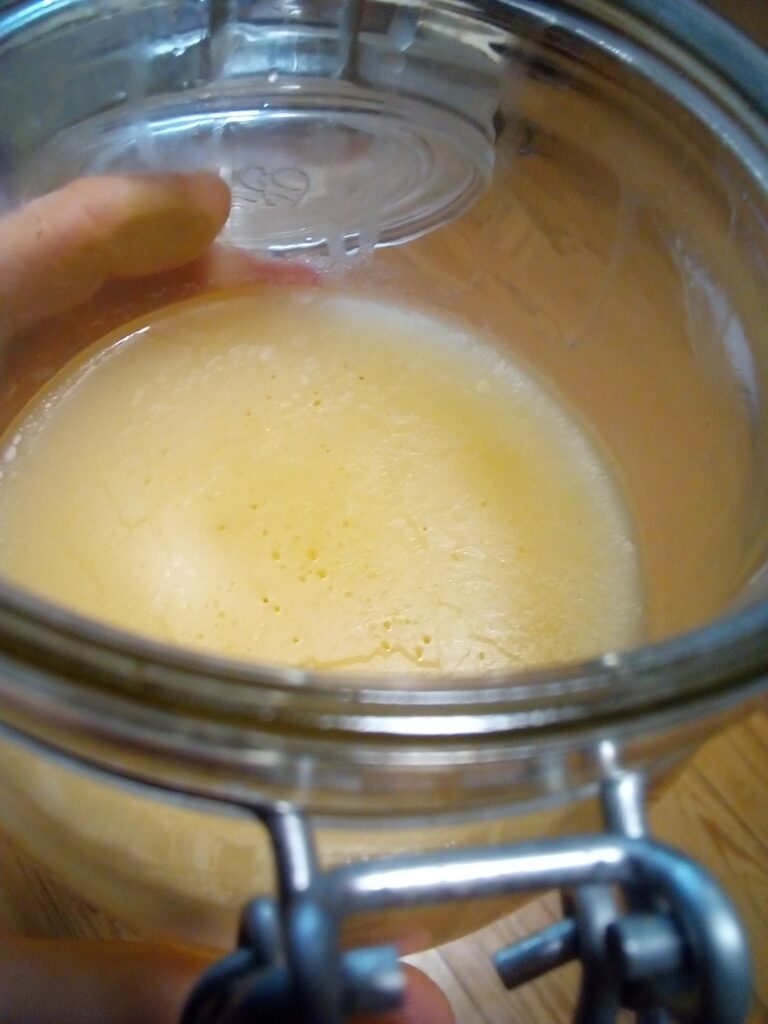
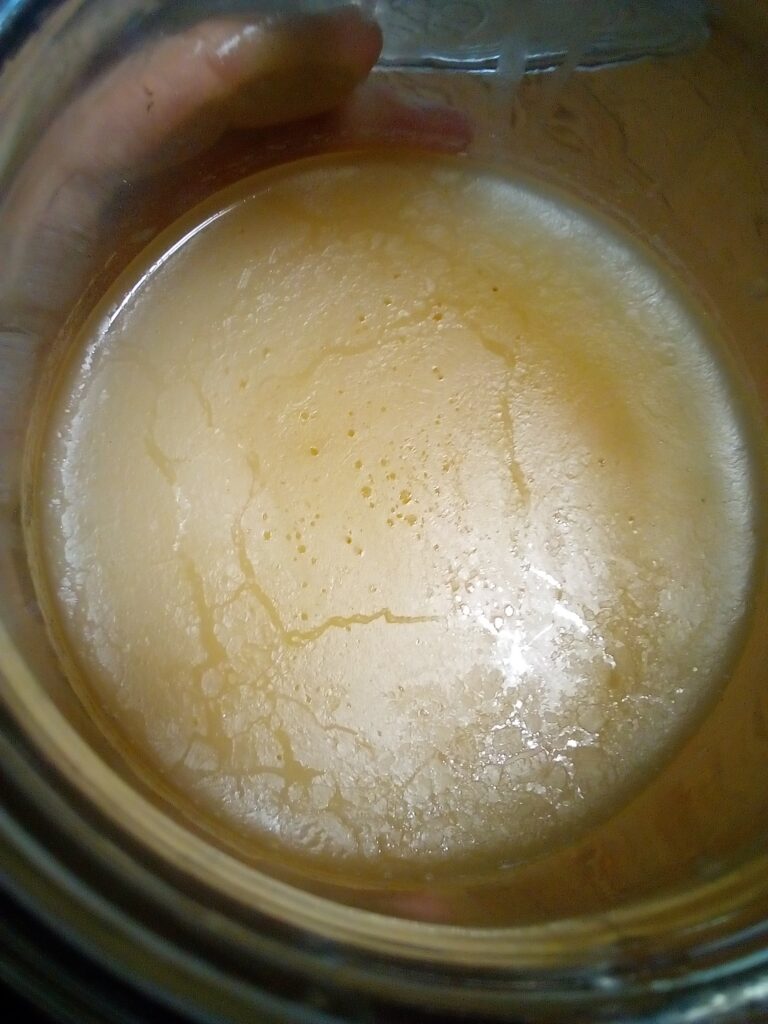
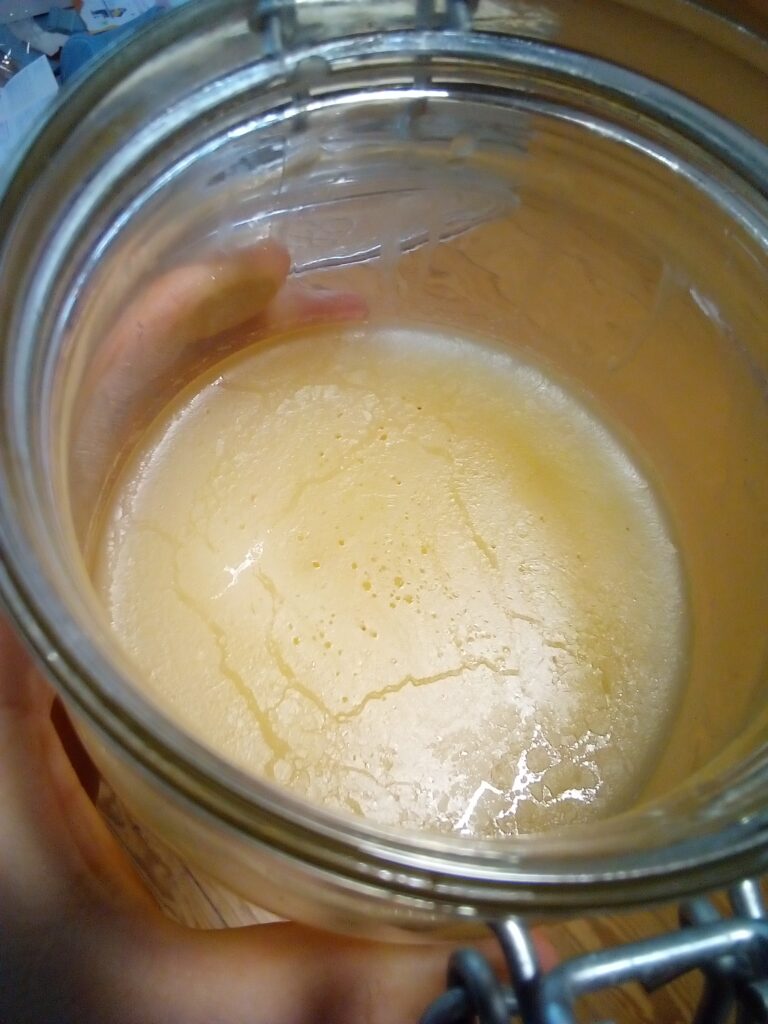
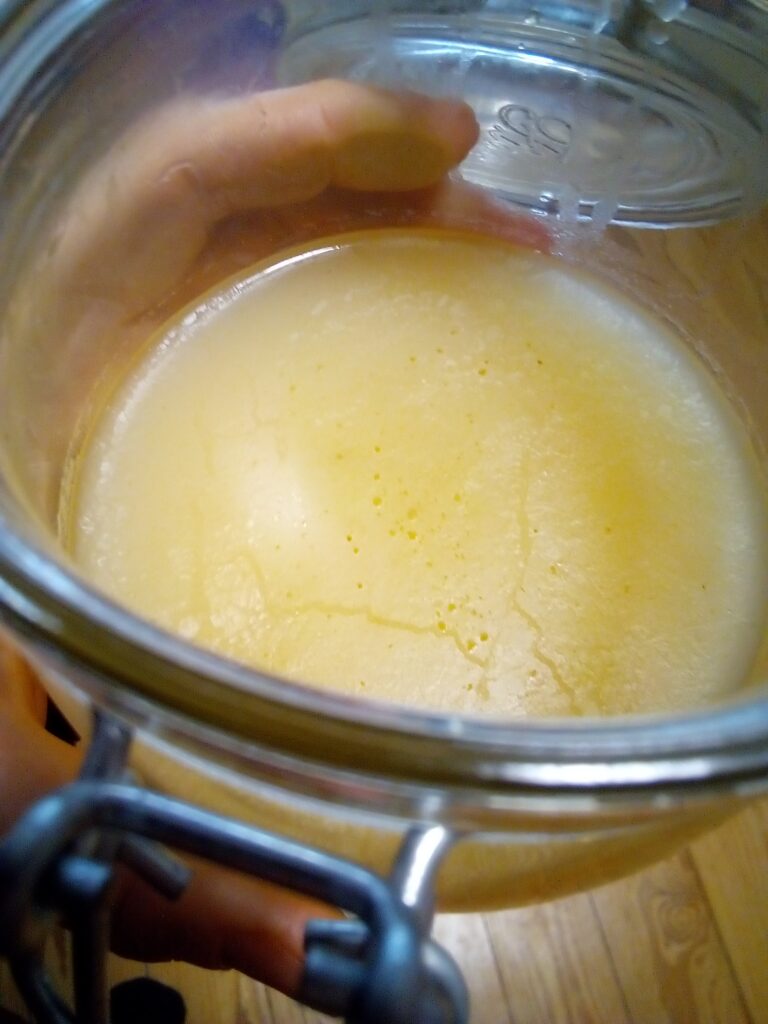
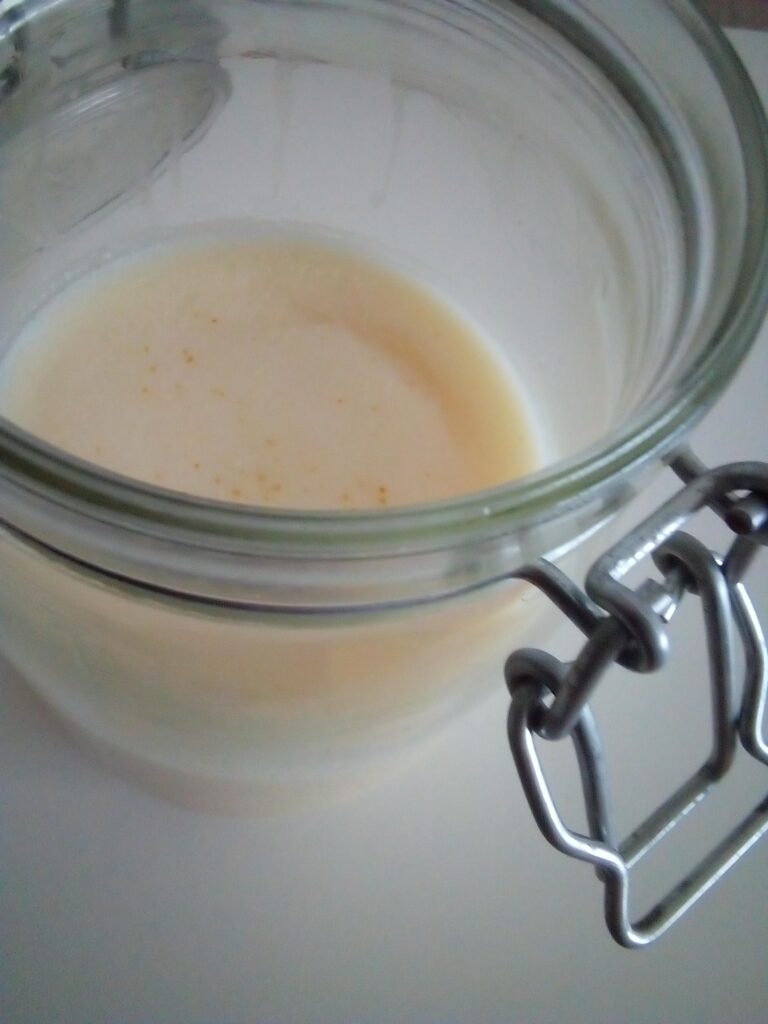
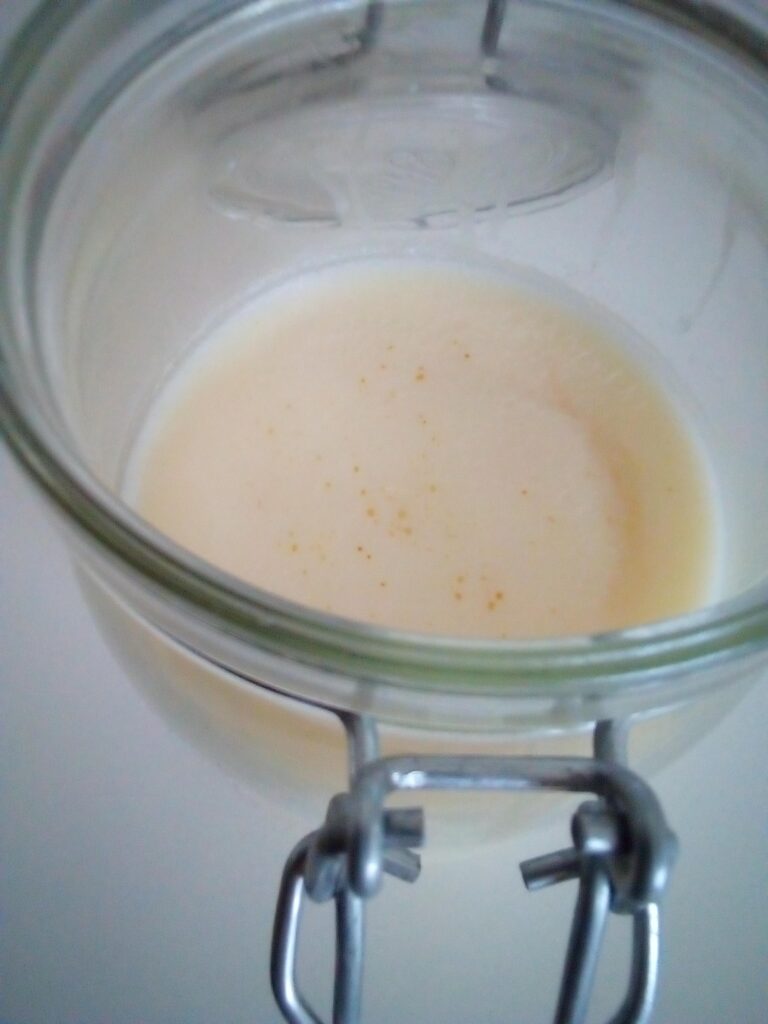
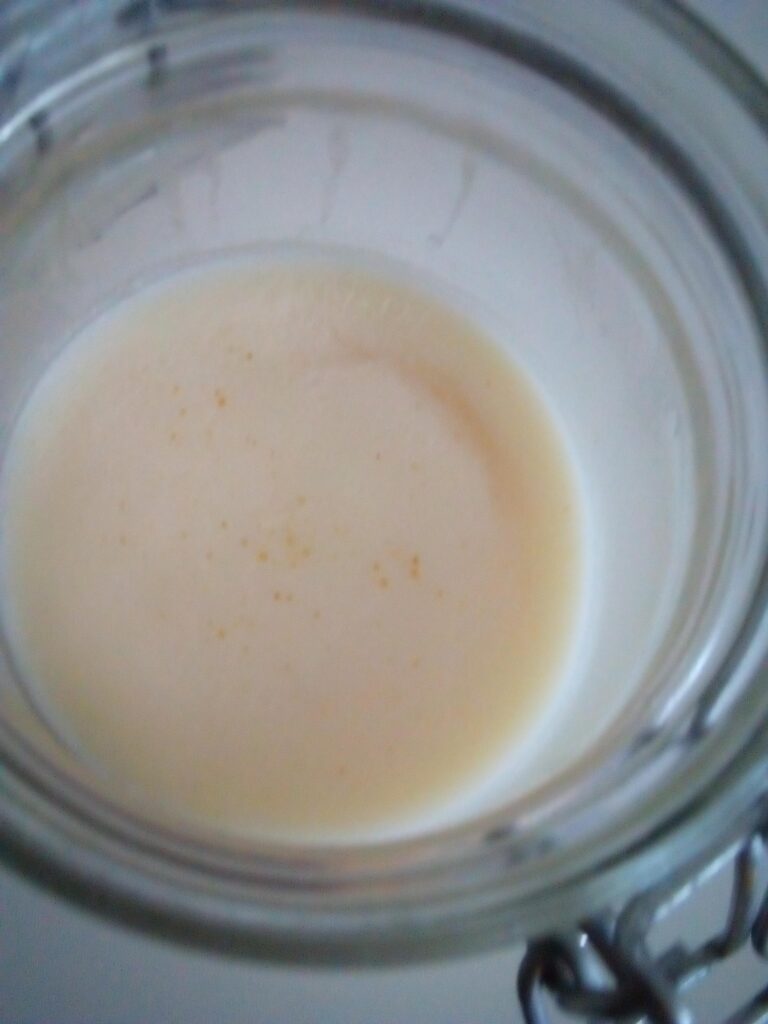
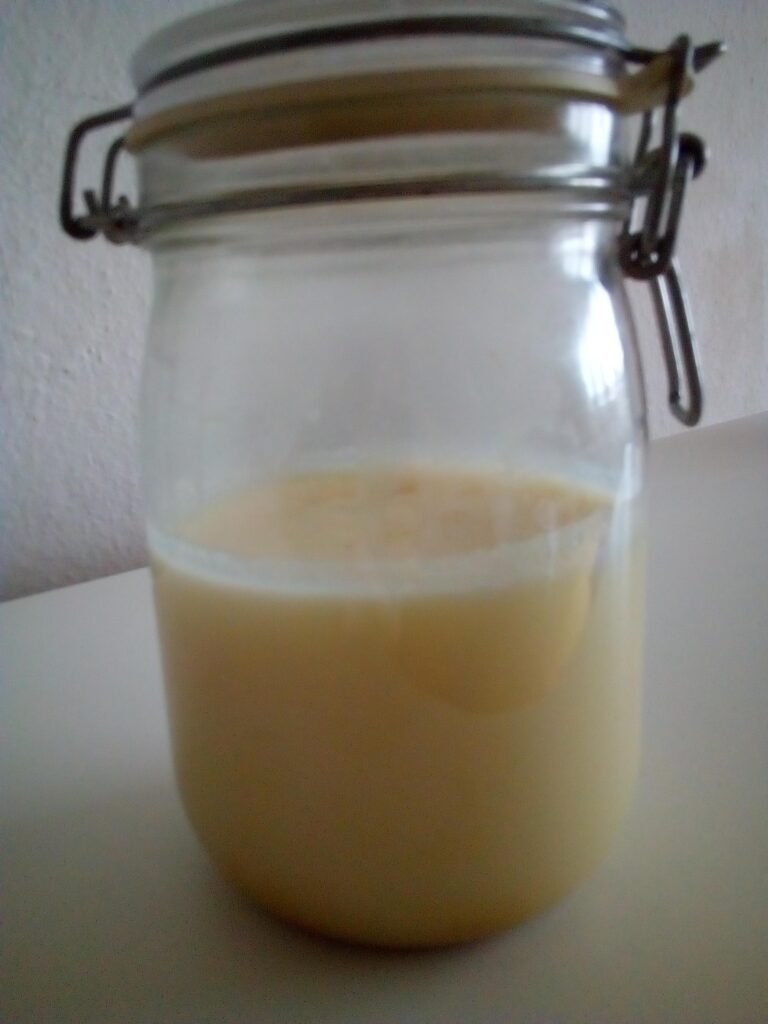
Once it cools, filtered goose fat should look even and smooth. No specks. No sediment at the bottom. The smell should be mild and clean.
In colder temperatures, the fat may look cloudy when solid. That’s normal. What you don’t want is grit or visible debris, that’s when something went wrong.
Shelf Life: How Long Filtered Goose Fat Keeps
Filtering makes a real difference in how long goose fat lasts.
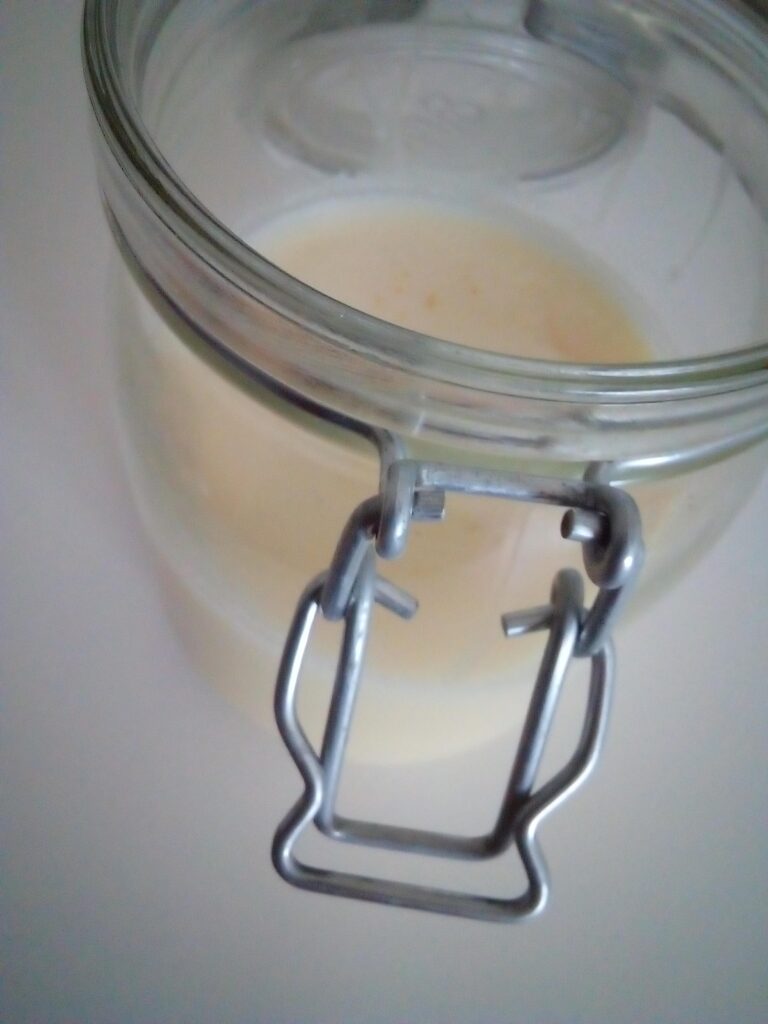
Once the fat is filtered and completely cooled, I store it in clean glass jars with tight lids.
In the refrigerator, it keeps for several months without any trouble. In the freezer, it easily lasts up to a year, sometimes longer.
The biggest rule is simple: always use clean utensils. Even a few crumbs or a bit of moisture introduced later can shorten its life.
If the fat ever smells sour, looks moldy, or behaves strangely, it’s time to let it go. Properly filtered fat, though, usually stays reliable all winter.
Storing fat well has taught me patience — the same patience I’ve learned in the garden by watching weather, seasons, and small changes shape what lasts and what doesn’t.
Common Mistakes to Avoid
Filtering the fat while it’s still boiling can weaken the paper filter. Reusing the same filter doesn’t work well. Squeezing the filter pushes impurities back into the fat. Storing the fat before it has fully cooled can trap moisture. Letting crumbs get into the jar later shortens shelf life.
None of these mistakes are dramatic on their own, but together they undo the work you’ve already done.
Can you filter goose fat with tea filters?
Yes. Tea filters work very well. They catch fine residue and are sturdier than many people expect.
Why should goose fat be filtered after rendering?
Filtering removes small particles and residue that can shorten shelf life, cause cloudiness, and affect flavor over time. Clean fat stores better and stays stable longer.
Do you need special equipment to filter goose fat?
No. A small metal sieve, a paper tea filter, and a glass jar are enough. This simple setup works well and is commonly used in homestead kitchens.
Can I use coffee filters instead of tea filters?
Coffee filters can work, but they are slower and more likely to tear. Tea filters are sturdier and better suited for filtering warm rendered fat.
How long does filtered goose fat last?
Properly filtered goose fat can last several months in the refrigerator and up to a year in the freezer, as long as it is stored cleanly and moisture-free.
A Gentle Note for Beginners
If you’re new to homesteading or just starting to find your rhythm between kitchen and garden, don’t feel like you have to know everything at once. Most of what works well is learned slowly, by doing one small thing at a time.
Filtering goose fat is one of those quiet skills that grows confidence. So is planting your first herbs, learning when to water, or understanding how much space a plant really needs. It all belongs to the same way of working — simple, steady, and grounded.
If you’d like a gentle place to begin, I’ve put together a beginner-friendly guide that walks through how to start a vegetable garden with easy herbs and low-pressure steps. It’s written for people who want to grow something real without feeling overwhelmed.
You can find it here: Beginner Garden Guide.
Think of it as an invitation, not a checklist. One small step is enough to begin.