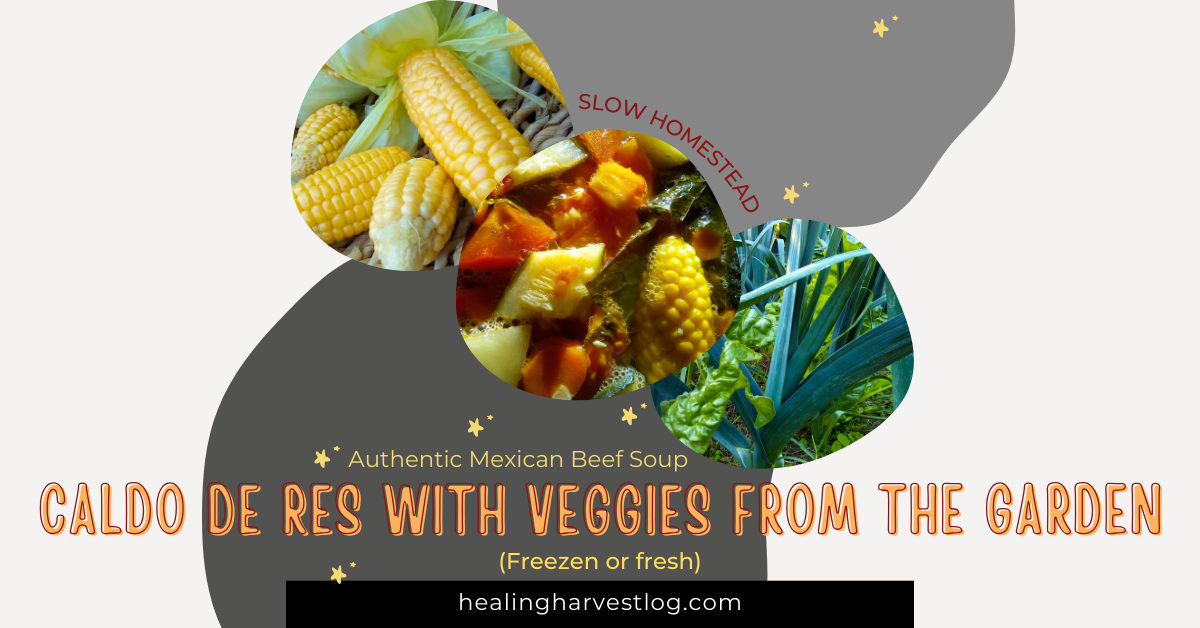
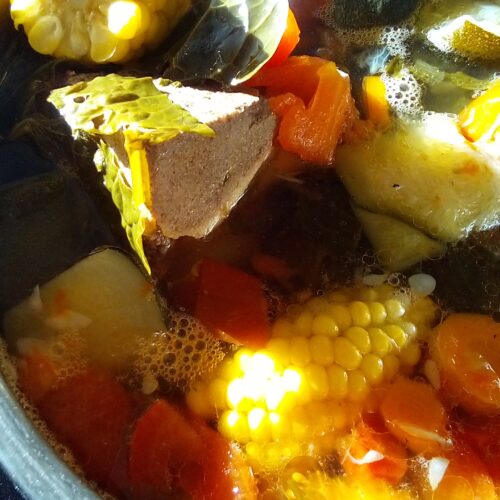
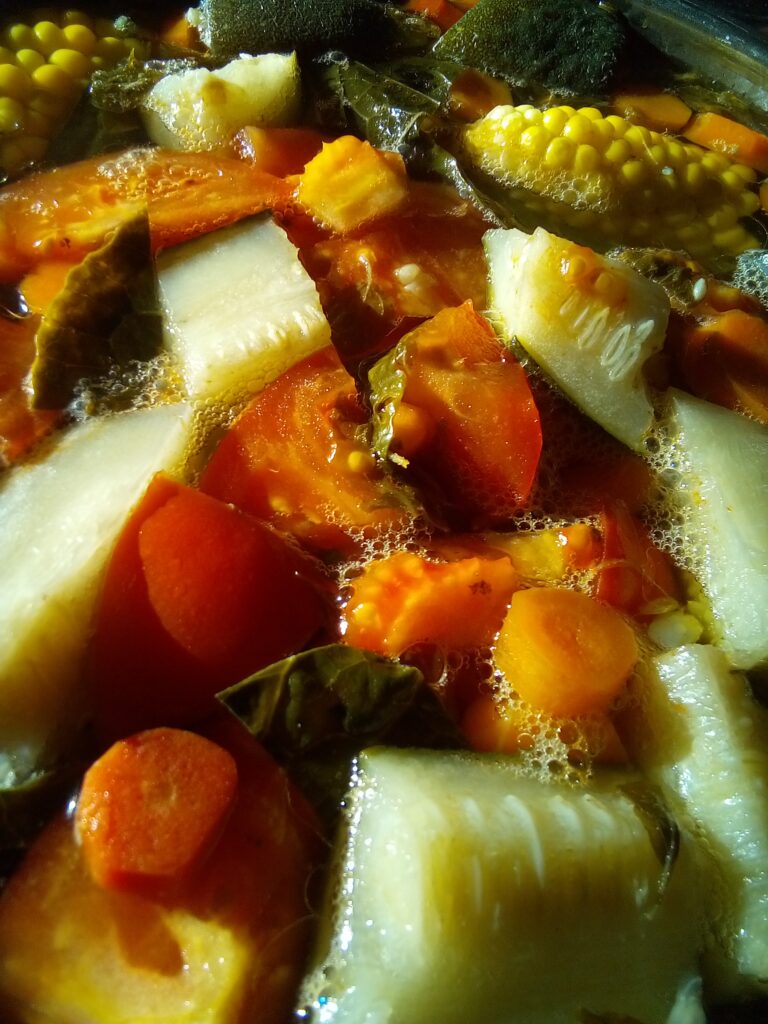
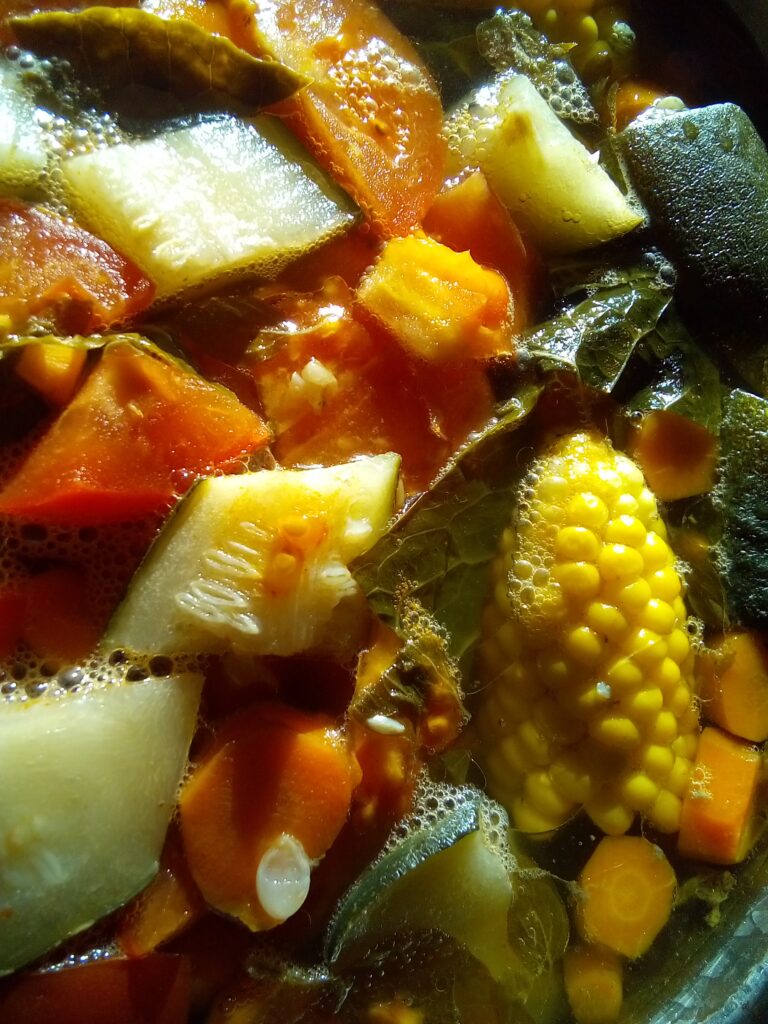
This Caldo de Res with Garden Vegetables is a simple, authentic Mexican beef soup that turns fresh or frozen produce from your garden into a deeply nourishing meal. Using elote corn, baby potatoes, tomatoes, leeks, zucchini, and fresh cilantro, this garden-to-table caldo is all about letting real ingredients shine.
Slow-simmered beef shank, a rich bone broth, and seasonal vegetables make this Mexican beef soup both comforting and practical — perfect for harvest season and just as good when you’re cooking from the freezer.
What Is Caldo de Res? (Mexican Beef Soup Explained)
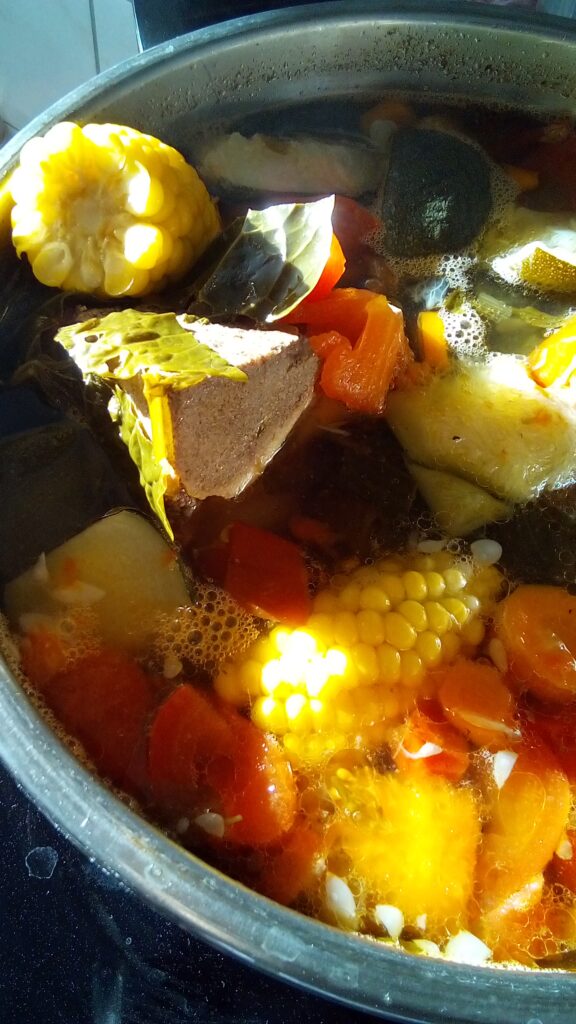
Caldo de Res is a traditional Mexican beef soup made with beef shank (hueso), vegetables, and fresh herbs. Unlike blended soups, everything is cooked in clear broth so each ingredient keeps its texture and flavor. Fresh corn on the cob, potatoes, and seasonal vegetables are classic, making Caldo de Res naturally filling and nutrient-rich.


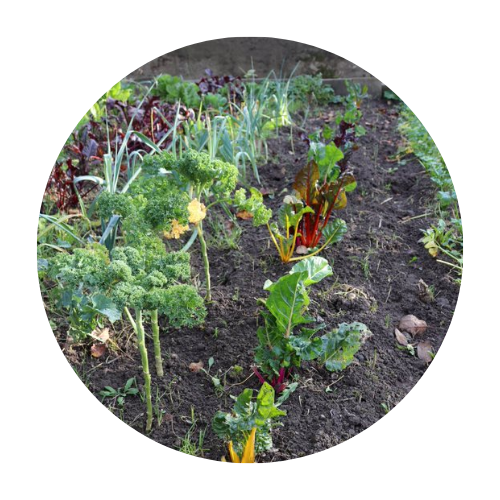
Why Use Fresh or Frozen Garden Vegetables?
This version of Caldo de Res works beautifully with fresh or frozen garden vegetables.
- Fresh vegetables bring bright flavor during the growing season
- Frozen garden produce keeps this recipe easy and flexible year-round
- Homegrown vegetables add natural sweetness and depth to the broth
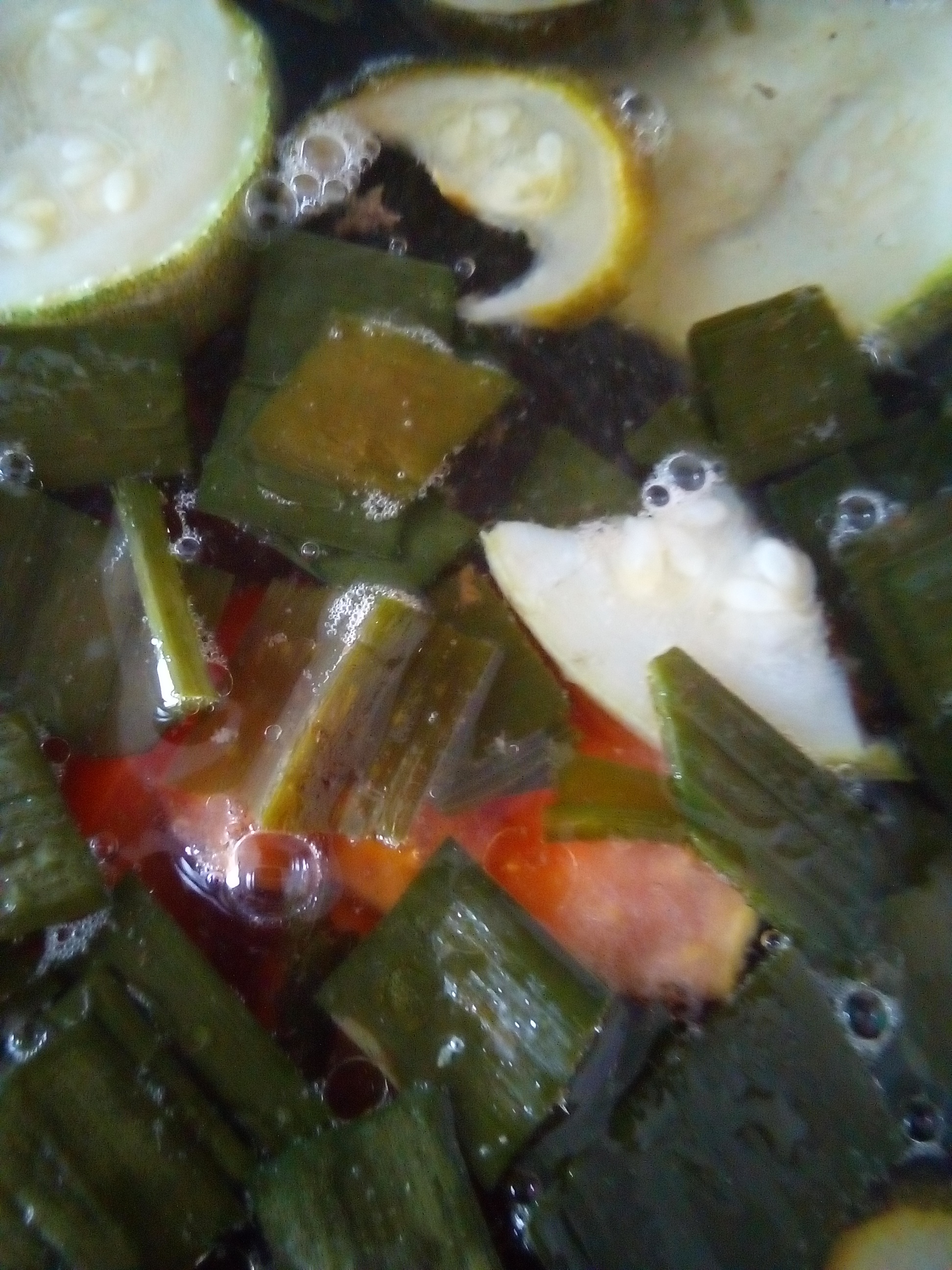
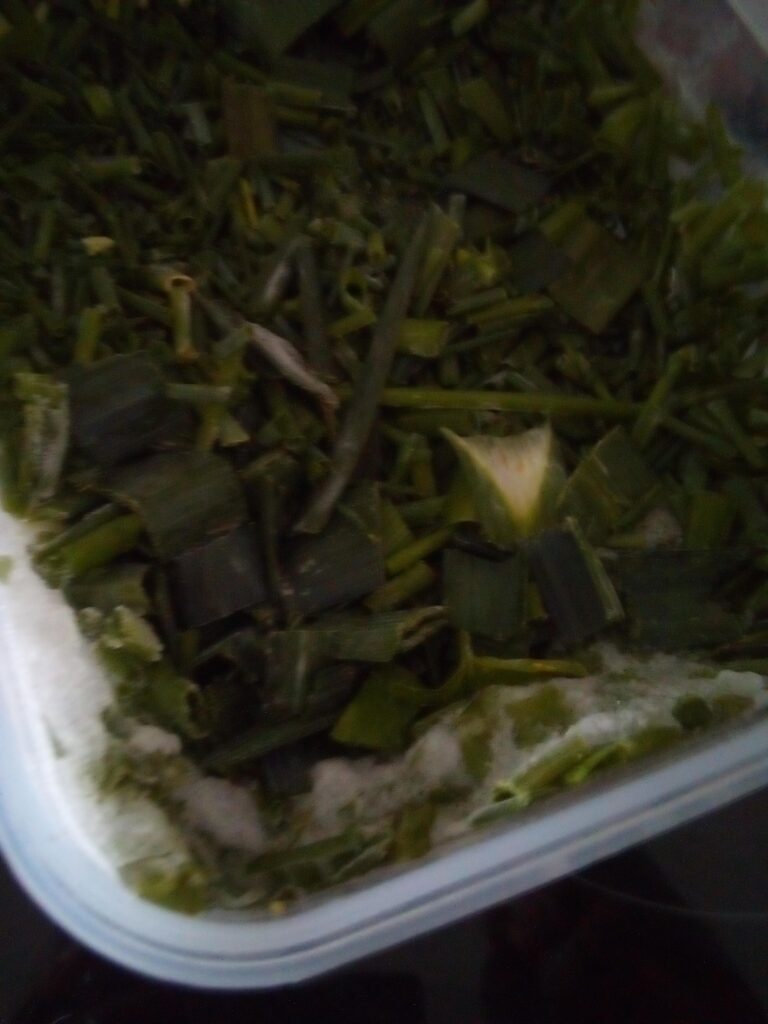
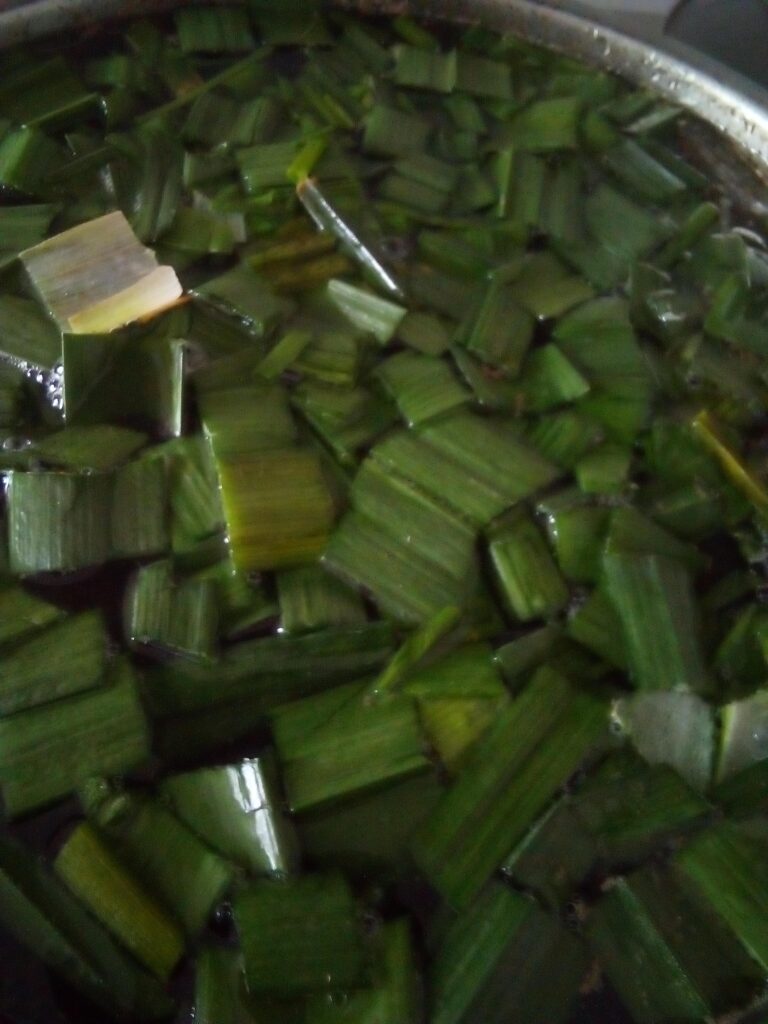
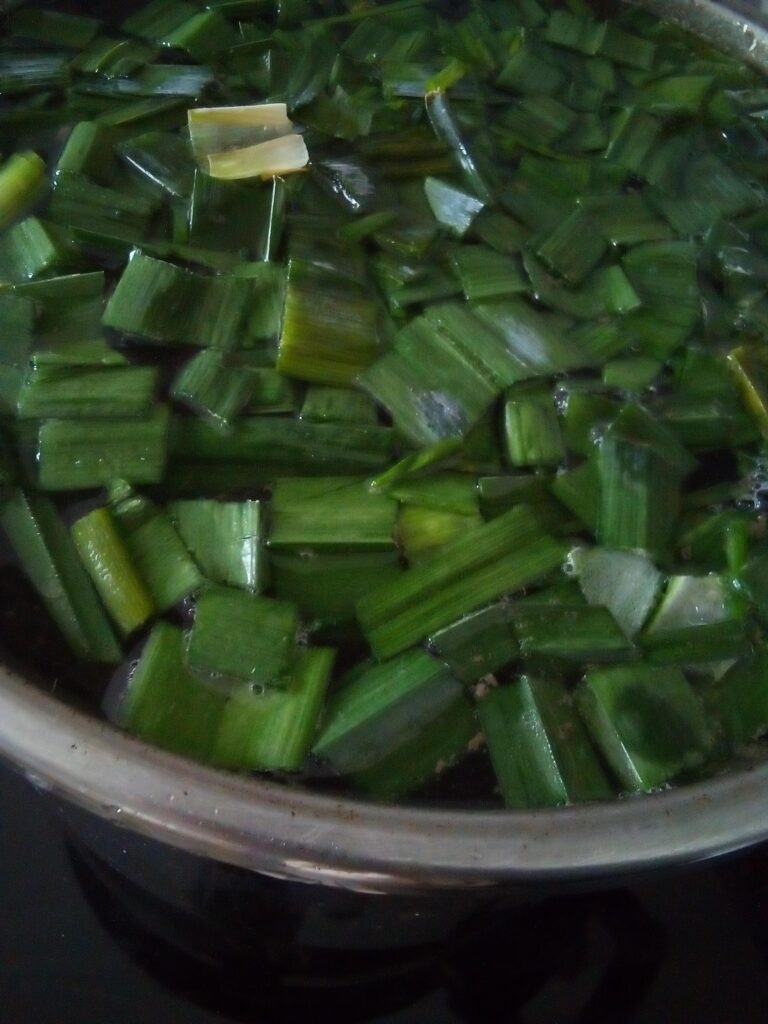
Frozen leeks and zucchini can go straight into the pot — no thawing needed.
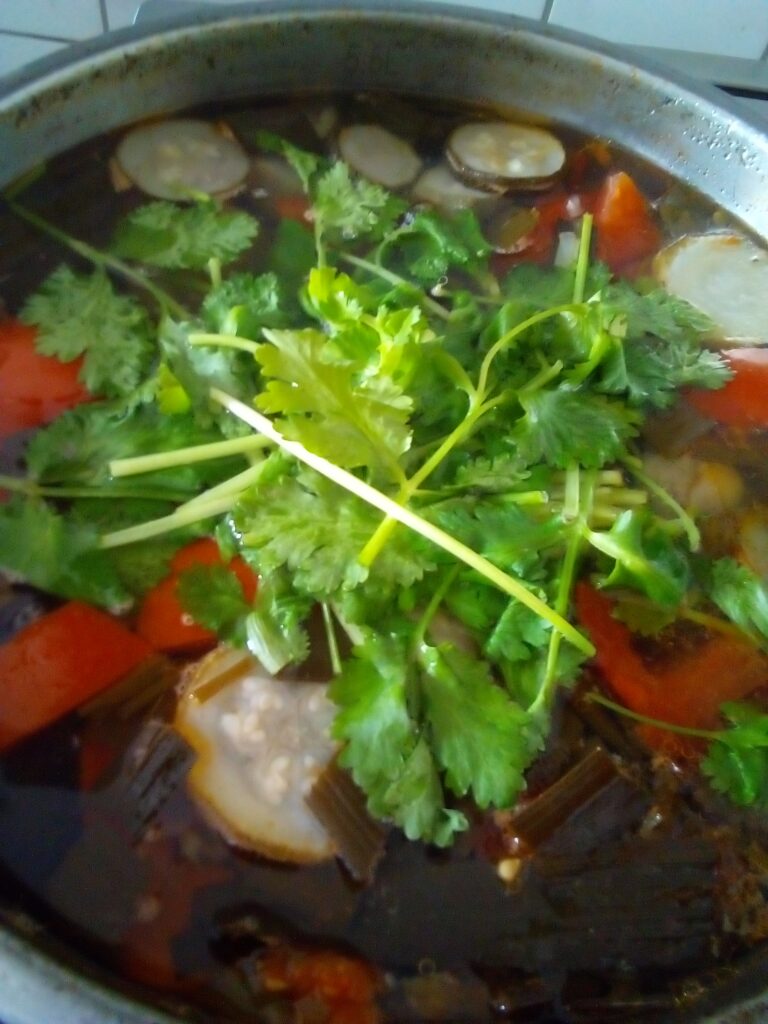
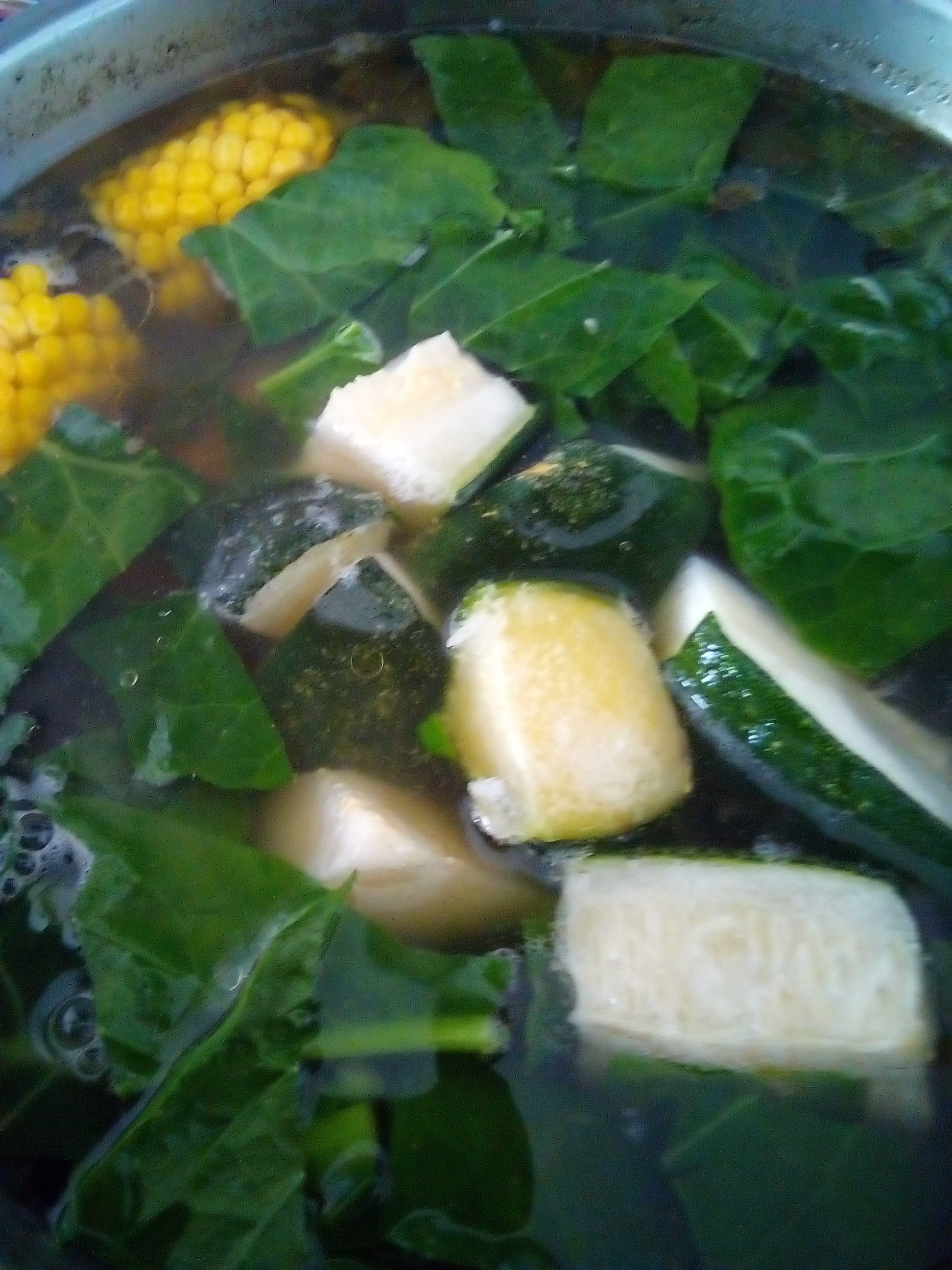
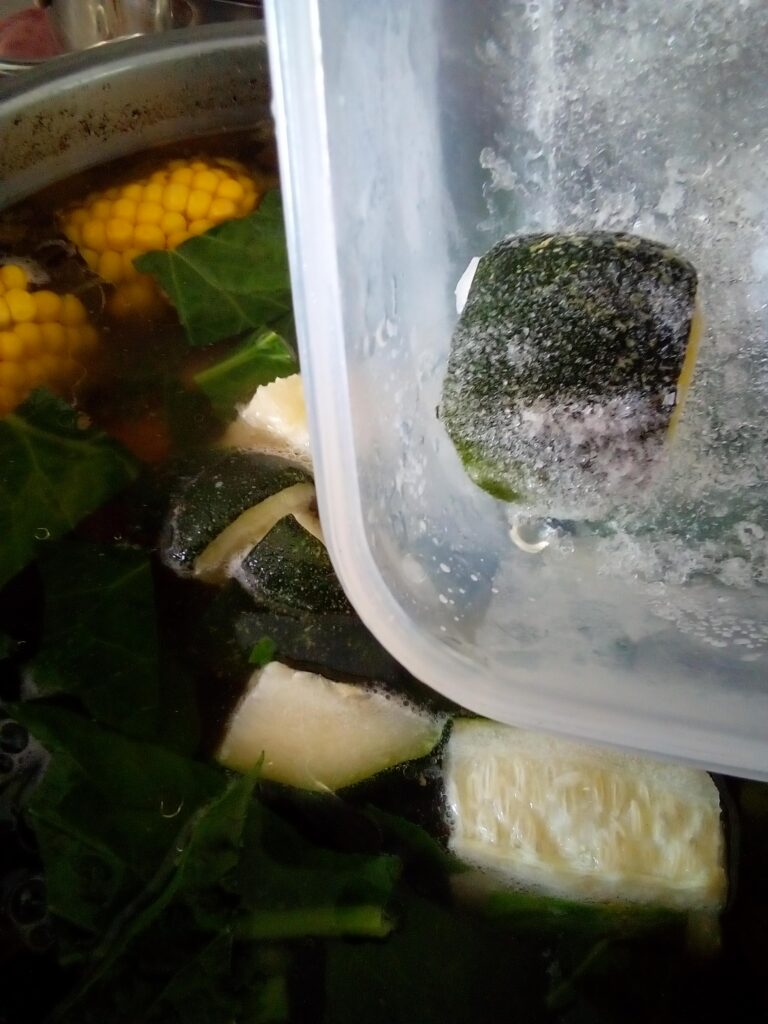
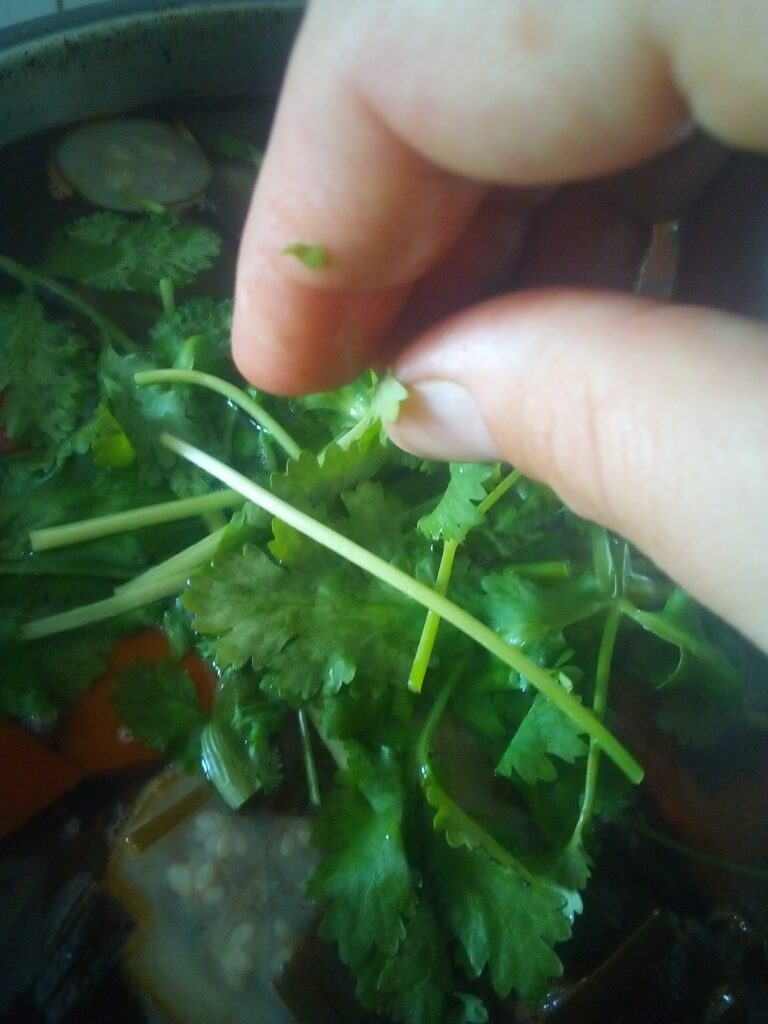
Caldo de Res with Garden Vegetables (Fresh or Frozen) — Authentic Mexican Beef Soup
Ingredients
Beef and Broth (6 Liter Pot)
- 1.5-2 kg beef shank with bone hueso
- 4-5 liter water
- 2.5 tsp salt
- 2 tbsp apple cider vinegar
Whole Spices for the Broth (optional)
- 1 tsp whole black peppercorns
- 1 to 2 bay leaves
- 5 to 6 juniper berries lightly crushed
- 5 to 6 allspice berries piment
Fresh or Frozen Garden Vegetables
- 4 ears corn on the cob elote or tortilla corn cut into chunks
- 350 g baby potatoes small garden potatoes halved
- 350 g leeks sliced fresh or frozen
- 400 g fresh tomatoes chopped
- 1 large handful fresh cilantro stems and leaves
- 2 carrots sliced (optional)
Serving Suggestions (aprox. 4-6 servings)
- 1 to 2 lime (wedges for serving)
- 8 to 12 warm tortillas or rice
Instructions
Prepare the Broth
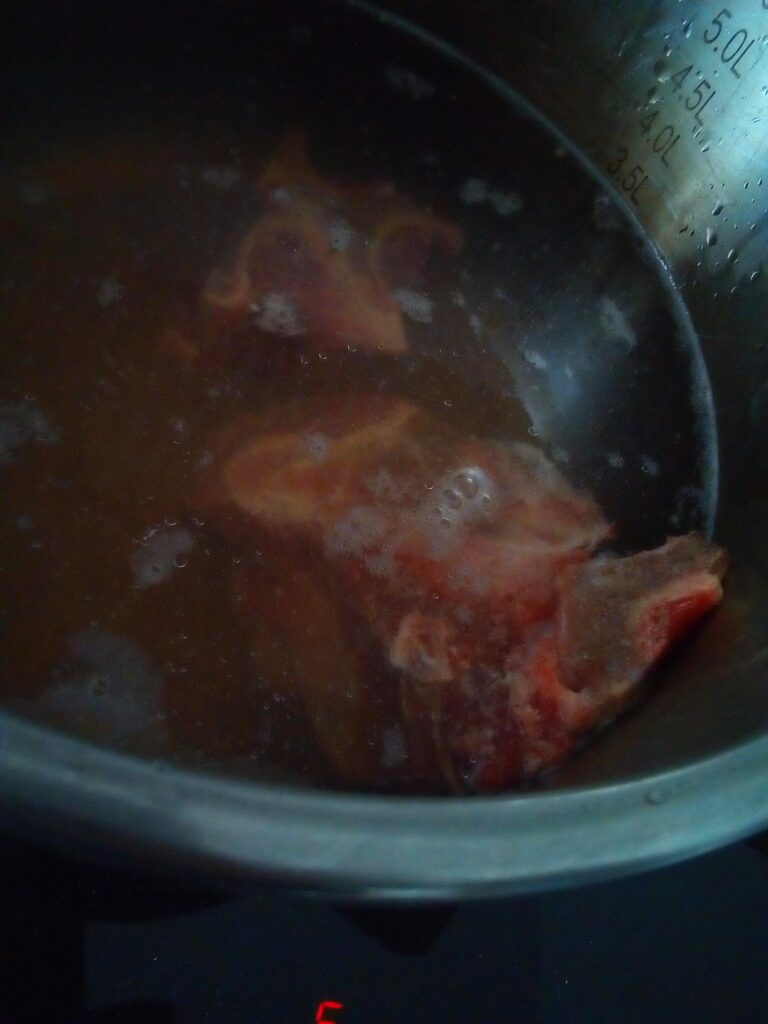
- Add the beef shank with bone, salt, apple cider vinegar, whole peppercorns, bay leaves, juniper berries, and allspice berries to a large six liter pot.
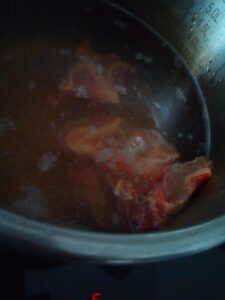
- Pour in the water until the pot is about three quarters full, leaving room for the vegetables.
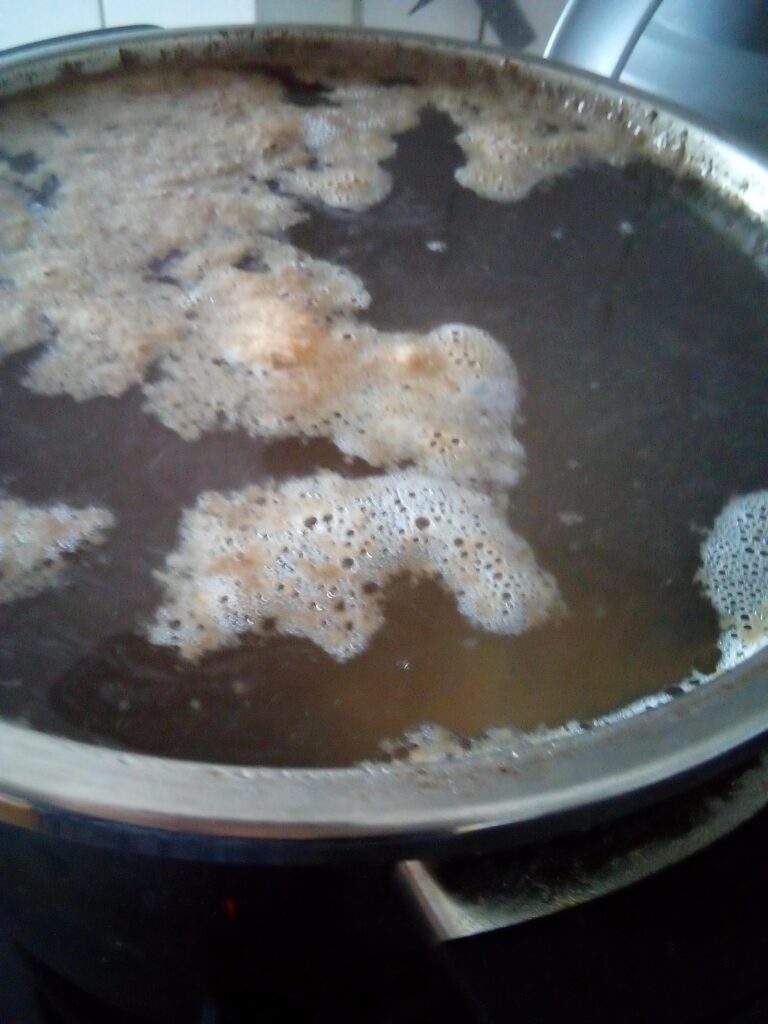
- Slowly bring the pot to a gentle boil. Skim off any foam that rises to the surface.
- Reduce the heat immediately to the lowest possible setting. The broth should barely move.
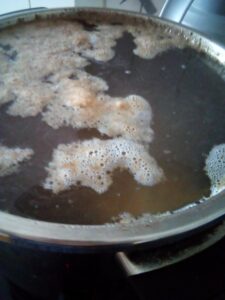
- Let the broth simmer very gently for four to five hours.This long, slow simmer extracts minerals and collagen from the bones and creates a clear, deeply flavored broth.
Add Quick Cooking Vegetables
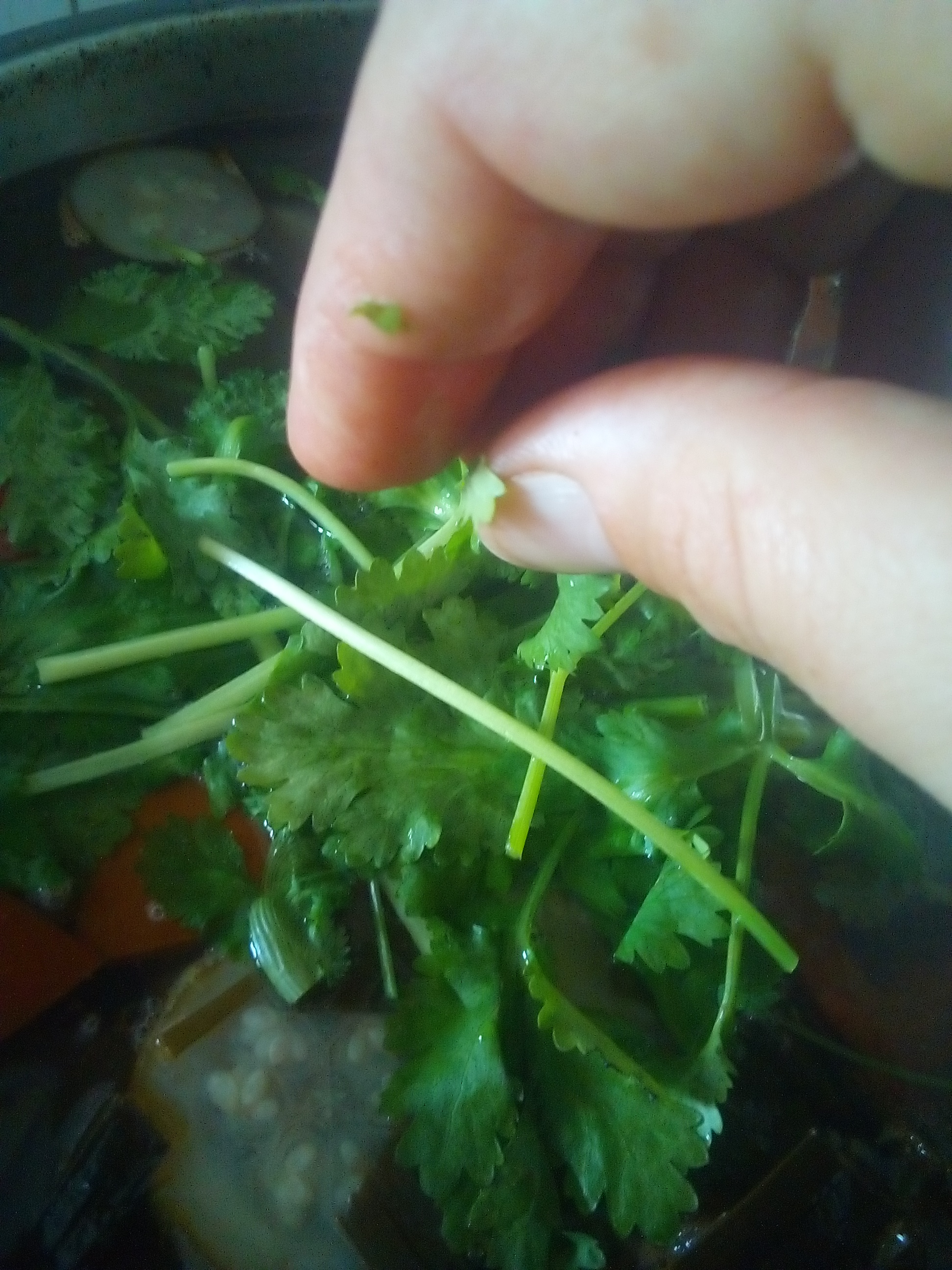
- Add the corn on the cob, baby potatoes, leeks and cilantro to the pot.
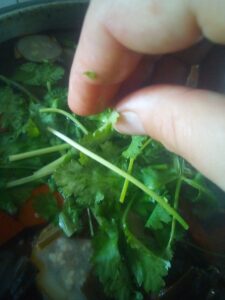
- Continue to simmer very gently for forty five to sixty minutes, until the potatoes are tender but not falling apart.
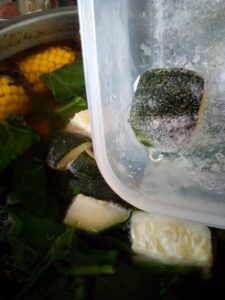
- Add the tomatoes and zucchini to the broth.
- Simmer for another twenty to thirty minutes, just until all vegetables are cooked through and still hold their shape.
- Frozen vegetables can be added directly without thawing.
- Turn off the heat.
- Taste the broth and adjust salt if needed.
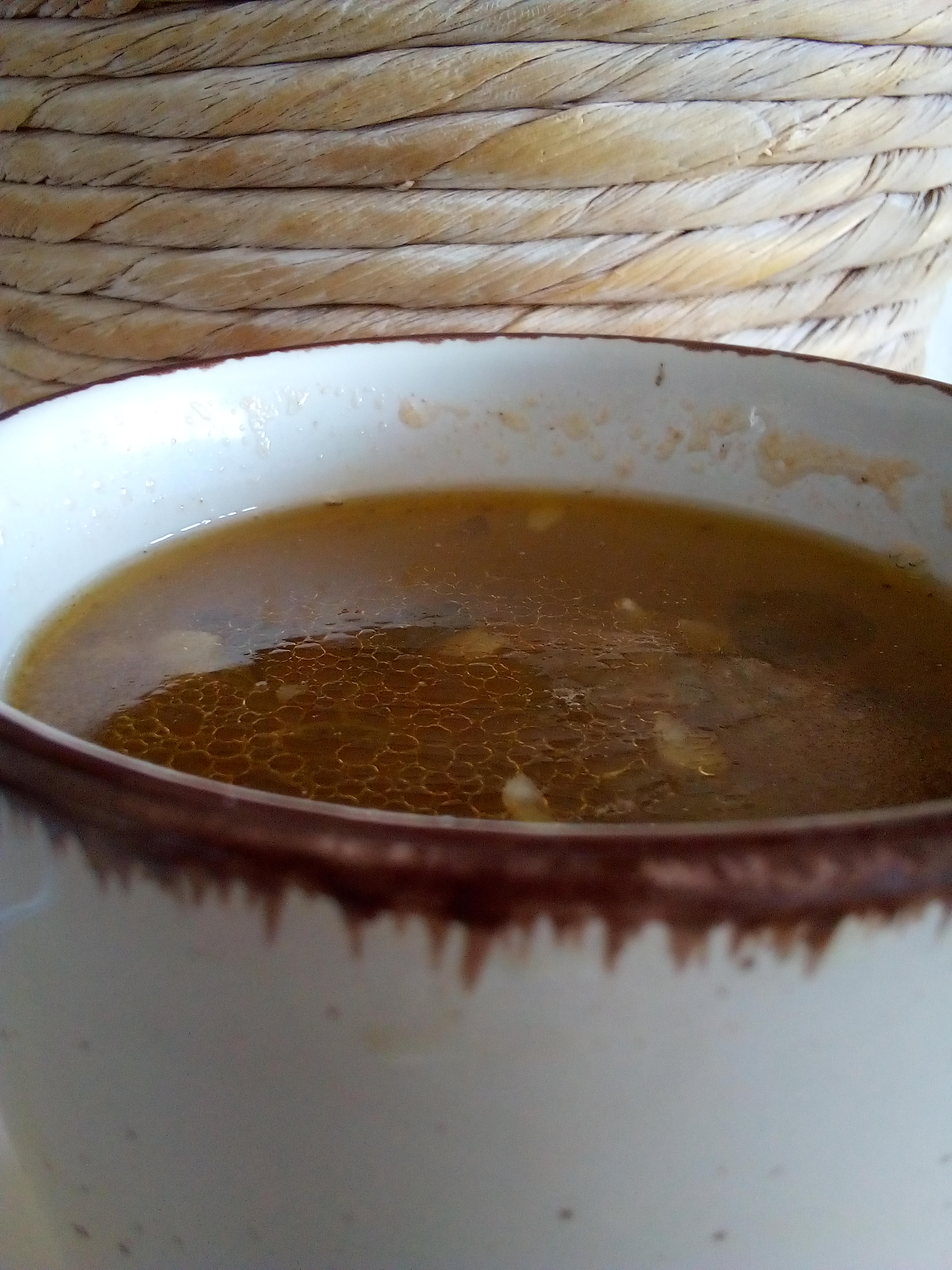
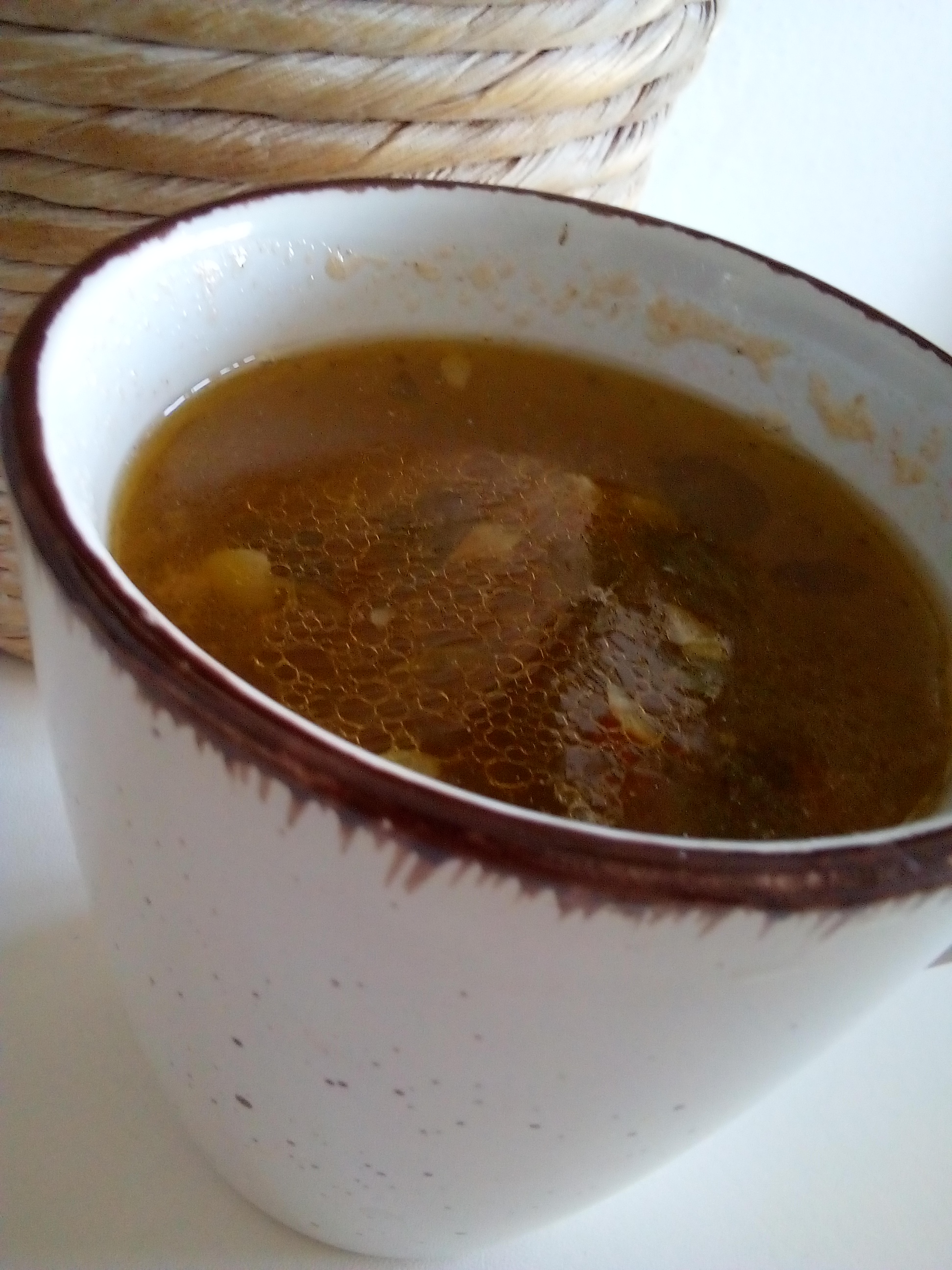
Serve
- Remove the bay leaves before serving.
- Ladle the Caldo de Res into bowls, making sure each serving includes broth, vegetables, and a piece of corn on the cob.
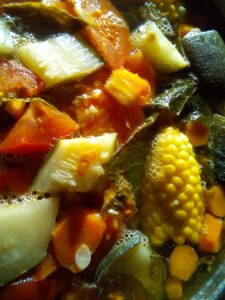
- Serve hot with lime wedges and warm tortillas or rice.
Video
Notes
Why No Onion or Garlic
This Caldo de Res is intentionally cooked without onion or garlic.The long simmering time, beef bones, and whole spices create a clean, deep broth without the need for aromatics. This makes the soup lighter, clearer, and easier to digest.
Low and Slow Makes the Difference
Caldo de Res should never boil hard.A very gentle simmer over several hours allows collagen and minerals to release slowly from the bones, creating a rich but clear broth with natural body and depth.
Apple Cider Vinegar in the Broth
The apple cider vinegar does not add sourness.It helps draw minerals and collagen from the bones during the long simmer, supporting a more nourishing bone broth.
Fresh or Frozen Garden Vegetables
This recipe is designed for both fresh and frozen garden vegetables.Fresh vegetables are ideal during the growing season.
Frozen vegetables work perfectly in winter and can be added directly to the pot without thawing.
About the Whole Spices
Whole peppercorns, bay leaves, juniper berries, and allspice berries add warmth and structure to the broth without overpowering it.They infuse slowly and keep the flavor balanced and clean.
Pot Size and Liquid Level
For best results, use a six liter pot and fill it only about three quarters full.This leaves enough space for vegetables and prevents the broth from becoming cloudy.
Serving and Adjusting
Caldo de Res is traditionally adjusted at the table.Add lime juice, salt, or extra cilantro directly to the bowl rather than changing the entire pot.
Freezing Notes
For best texture, freeze the broth and vegetables without potatoes.Add fresh potatoes when reheating for a better result.
More Homestead Recipes from the Garden Kitchen
If you enjoy simple, slow cooked meals like this Caldo de Res, you’ll find more homestead style recipes here on the blog. From garden to pot cooking, preserved vegetables, bone broths, and seasonal soups to practical ways of using fresh or frozen harvests, everything is focused on real food made with intention. Explore more recipes that celebrate homegrown ingredients, long simmering, and traditional methods that fit into everyday homestead and garden life.
Can I use frozen garden vegetables for Caldo de Res?
Sí. Frozen garden vegetables work very well in Caldo de Res. Zucchini and leeks can be added directly to the pot without thawing. This makes the recipe practical for winter cooking and homestead meal prep.
Why is this Caldo de Res cooked without onion and garlic?
What cut of beef is best for Caldo de Res?
Beef shank with bone, also called hueso, is ideal. The bone releases collagen and minerals during the long simmer, creating a rich and nourishing bone broth typical for authentic Caldo de Res.
How long should Caldo de Res simmer?
For best results, Caldo de Res should simmer very gently for five to six hours. A low simmer creates a clear broth, tender beef, and deep flavor. Avoid boiling hard at any point.
Why add apple cider vinegar to the broth?
Apple cider vinegar helps draw minerals and collagen from the bones during the long cooking time. It does not make the soup taste sour and supports a more nourishing bone broth.
Storage and Preservation
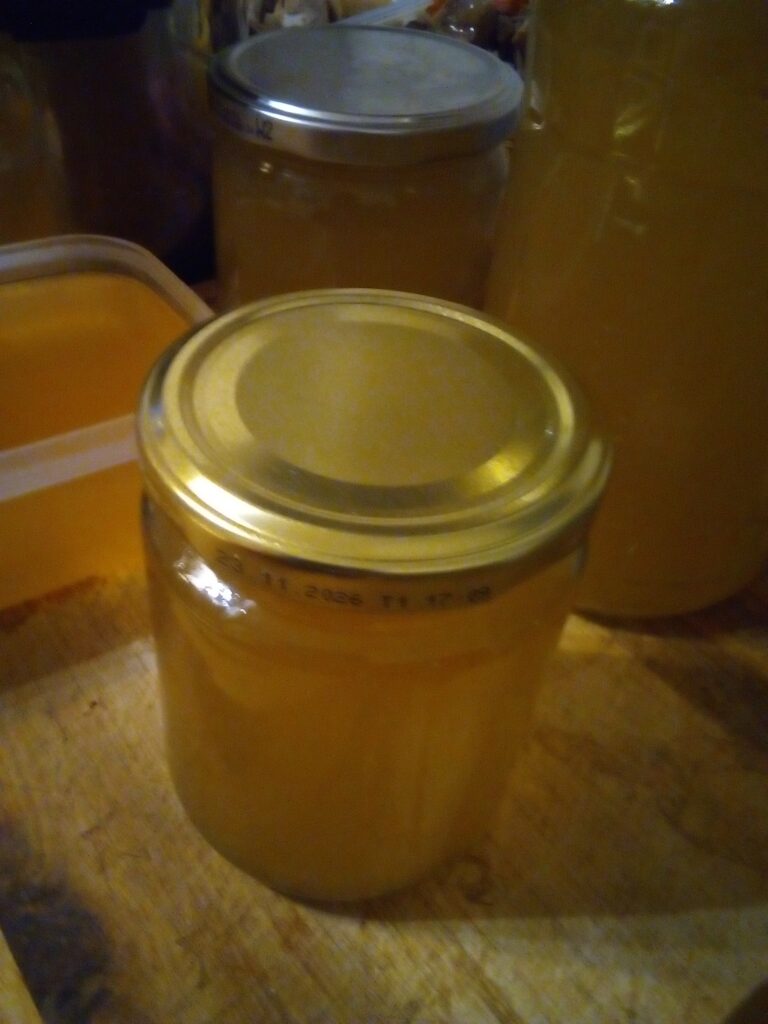
This soup can be preserved either by freezing or by filling it into clean jars and sealing them tightly. Freezing is the best option for long term storage. When stored in the refrigerator, filling the soup into jars and closing them immediately while still warm can extend its shelf life by about one additional week compared to storing it in an open container. Always cool the soup properly and keep it refrigerated.
More Rustic Recipes from My Garden & Homestead Kitchen
If you enjoyed this recipe, you might also love exploring another seasonal treasure from my kitchen and garden: my High Protein Vegetarian Stuffed Squash. This Caldo de Res reminds us that the garden doesn’t end with the last harvest—fresh and frozen vegetables carry its nourishment through the colder months. If you feel drawn to cooking this way, you might enjoy learning how I preserve the harvest so it continues to feed us, slowly and with intention.